Updated March 31, 2026

CPK Insurance Editorial Team
Reviewed by Licensed Insurance Agents
Inland Marine Insurance in Fairbanks
If you’re comparing inland marine insurance in Fairbanks, the key question is how your property behaves once it leaves a fixed site. In this market, tools, materials, and mobile business property often face a different mix of exposure than they would in a warmer, denser city. Fairbanks has a cost of living index of 113, a median household income of $76,869, and a business landscape that includes construction, government, retail, healthcare, and mining-related work. That mix can create very different needs for tools and equipment insurance in Fairbanks, goods in transit coverage in Fairbanks, and contractors equipment insurance in Fairbanks.
Local conditions also matter. Fairbanks has identified risks tied to earthquake damage, liquefaction risk, landslide, and infrastructure failure, all of which can affect property that is on the move, staged at a job site, or waiting in temporary storage. If you move tools between customer locations, store materials between projects, or need installation floater coverage in Fairbanks, the policy structure matters as much as the premium. The right inland marine insurance quote in Fairbanks should reflect how your property is actually used, not just where your office sits.
Inland Marine Insurance Risk Factors in Fairbanks
Fairbanks stands out because the local risk picture is not just about theft or damage at a single location; it’s about what happens to mobile property when the ground, roads, or staging areas become part of the loss scenario. The city’s top risks include earthquake damage, liquefaction risk, landslide, and infrastructure failure. Those exposures can matter for contractors equipment insurance in Fairbanks, builders risk coverage in Fairbanks, and mobile business property insurance in Fairbanks when items are stored offsite or moved between locations. For businesses that transport tools or materials, infrastructure failure can interrupt access to job sites or temporary storage areas. Liquefaction and landslide concerns also make site conditions more important when materials are staged before installation. If your work involves tools and equipment insurance in Fairbanks or goods in transit coverage in Fairbanks, ask how the policy responds when property is in temporary holding areas or on unstable ground. The main issue is not just whether a carrier offers coverage, but whether the form matches the way your property is exposed in Fairbanks.
Alaska has a moderate climate risk rating. Top hazards: Earthquake (Very High), Wildfire (High), Avalanche (High), Tsunami (Moderate). The state's expected annual loss from natural hazards is $280M, which influences inland marine insurance premiums and may affect coverage availability in high-risk areas.
What Inland Marine Insurance Covers
In Alaska, inland marine insurance coverage is built around property that is mobile, transported, or used away from your permanent business location. That includes tools, contractors equipment, materials in transit, installation projects, and other mobile business property that may be at a job site, in temporary storage, or moving between locations. The product’s core value is that it follows the property rather than staying tied to one fixed address, which matters in a state where work may happen in Anchorage, Juneau, remote communities, or seasonal job sites.
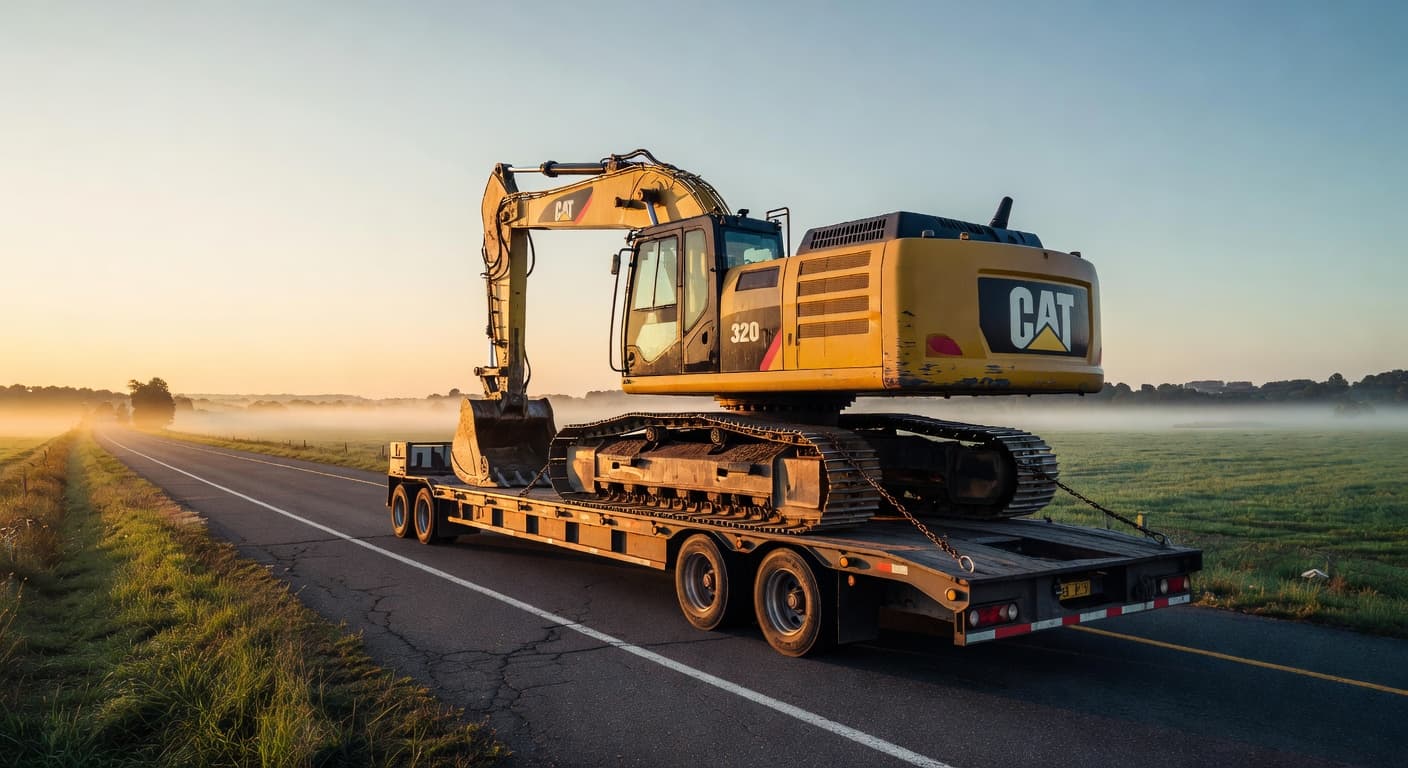
The Alaska Division of Insurance regulates the market, but the policy form itself is still carrier-specific, so the details of what is included or excluded can vary. For example, tools and equipment insurance in Alaska may cover theft or damage while equipment is away from the main office, while goods in transit coverage in Alaska may address materials being moved between locations. Contractors equipment insurance in Alaska often focuses on larger machinery and portable job-site assets, and installation floater coverage in Alaska is commonly used for materials waiting to be installed. Builders risk coverage in Alaska is often considered when materials are tied to a specific project, especially where weather and site conditions create added exposure.
Because Alaska has high earthquake, wildfire, and avalanche risk, you should ask whether your policy language or endorsements address those exposures for property in transit or at temporary sites. Coverage requirements may vary by industry and business size, so the right structure depends on what you move, where you store it, and how often it changes locations.
Coverage Included
Tools & Equipment
Protection for tools & equipment-related losses and claims
Goods in Transit
Protection for goods in transit-related losses and claims
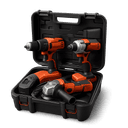
Contractors Equipment
Protection for contractors equipment-related losses and claims
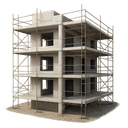
Installation Floater
Protection for installation floater-related losses and claims
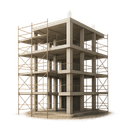
Builders Risk
Protection for builders risk-related losses and claims
Inland Marine Insurance Cost in Fairbanks
In Alaska, inland marine insurance premiums are 32% above the national average. Comparing quotes from multiple carriers is especially important here.
Average Cost in Alaska
$33 – $198 per month
per month
- Coverage limits and deductibles
- Claims history
- Location
- Industry or risk profile
- Policy endorsements
Contact CPK Insurance for a personalized quote.
National average: $33 – $167 per month
* Estimates based on industry averages. Actual premiums depend on your specific business details, claims history, and coverage selections. Rates shown are for informational purposes only and do not constitute a quote.
Alaska pricing for inland marine insurance is influenced by both the state market and the way your property moves. The average premium range in Alaska is $33 to $198 per month, which is higher than the product’s broader national range because the state premium index is 132. That means carriers may price for a market where overall insurance costs are above average, even though 180 active insurance companies are competing for business.
Several Alaska-specific factors can move your inland marine insurance cost in Alaska up or down. Coverage limits and deductibles matter first, because higher limits for tools, equipment, or materials usually increase premium, while a higher deductible can reduce it. Claims history also matters, especially for businesses that have had theft, damage, or repeated losses on job sites. Location is another major factor in Alaska, where a project in a dense urban area, a remote worksite, or a temporary storage yard may present different risk than a fixed office. Industry or risk profile is important too: construction, mining support, retail-related delivery, and field service operations may all need different structures. Policy endorsements can also change the price depending on whether you add earthquake-related options, broader transit terms, or expanded installation coverage.
Alaska’s broader risk environment helps explain why carriers look closely at the details. The state has very high earthquake risk, high wildfire and avalanche risk, and a recent history of declared disasters, including wildfire, flooding, and severe winter storms. Those conditions do not guarantee a higher quote, but they do make location and exposure details more important when an underwriter reviews your inland marine insurance quote in Alaska.
Industries & Insurance Needs in Fairbanks
Fairbanks demand for inland marine insurance is shaped by a mixed local economy. Government is the largest employment sector at 20.5%, followed by healthcare and social assistance at 13.8%, retail trade at 9.2%, mining and oil/gas extraction at 7.6%, and construction at 6.8%. That combination creates several reasons businesses need coverage for mobile property. Construction firms often need contractors equipment insurance in Fairbanks because tools, machinery, and materials move between project sites and storage yards. Retail and logistics-related operations may need goods in transit coverage in Fairbanks when inventory is moved between locations. Mining support and field-service businesses often rely on mobile business property insurance in Fairbanks for assets that are used away from a central office. Government and healthcare contractors may also need tools and equipment insurance in Fairbanks when they maintain equipment at multiple facilities or service locations. In a city with only 845 business establishments, many companies are smaller and cannot easily absorb the loss of portable property, so the policy has to match the actual work pattern.
Inland Marine Insurance Costs in Fairbanks
Fairbanks has a median household income of $76,869 and a cost of living index of 113, which means business owners often have to balance coverage needs against operating costs. That matters when you’re looking at inland marine insurance cost in Fairbanks, because the right limit and deductible choice can influence monthly spend without forcing you to overinsure equipment that rarely leaves the yard.
The local economy also affects how businesses buy coverage. In a city with 845 total business establishments, many owners run lean operations and need to protect tools, materials, and portable assets that are essential to daily work. If your cash flow is tied to project timing, a deductible that fits your budget matters more than a generic rate quote. A good inland marine insurance quote in Fairbanks should reflect the value of mobile property, the frequency of transport, and whether you need installation floater coverage in Fairbanks or builders risk coverage in Fairbanks for project-specific materials. Because operating costs are above average, even small changes in limits, storage terms, or endorsements can affect how practical the policy feels for a local business.
What Makes Fairbanks Different
The biggest Fairbanks difference is the combination of a smaller business base, a mixed economy, and local ground-related risks that can affect mobile property before it ever reaches its destination. With 845 business establishments and a cost of living index of 113, many businesses operate with tighter margins and less room to replace lost tools or materials out of pocket. At the same time, earthquake damage, liquefaction risk, landslide, and infrastructure failure can complicate how property is stored, staged, or transported.
That makes inland marine insurance in Fairbanks less about a standard office-policy add-on and more about matching coverage to movement, temporary storage, and site conditions. If your property is used across multiple locations, the policy should account for how and where it travels. For local owners, the most important question is whether the form truly follows the property through the parts of the job where Fairbanks-specific risk shows up.
Our Recommendation for Fairbanks
Start by mapping where your property actually goes in Fairbanks: shop, truck, customer site, temporary storage, or project staging area. Then separate the items into the coverages they fit best, such as tools and equipment insurance in Fairbanks, contractors equipment insurance in Fairbanks, goods in transit coverage in Fairbanks, or installation floater coverage in Fairbanks. If materials are tied to a specific project, ask whether builders risk coverage in Fairbanks is the better structure.
When you request an inland marine insurance quote in Fairbanks, be precise about replacement values, overnight storage, and how often equipment moves. That helps the carrier price the policy based on real exposure instead of broad assumptions. Because local risk factors include earthquake damage, liquefaction risk, landslide, and infrastructure failure, ask how those conditions affect temporary storage and job-site language. For many Fairbanks businesses, the best next step is to compare at least two quotes and review the wording line by line so the policy matches the way your mobile property is used.
Get Inland Marine Insurance in Fairbanks
Enter your ZIP code to compare inland marine insurance rates from carriers in Fairbanks, AK.
Business insurance starting at $25/mo
FAQ
Frequently Asked Questions
In Fairbanks, the most common fit is property that moves between a shop, a job site, and temporary storage, such as tools, equipment, and materials. The policy should be matched to how often the property leaves a fixed location.
Fairbanks has identified risks including earthquake damage, liquefaction risk, landslide, and infrastructure failure. Those conditions can matter when property is staged, stored, or transported, so the policy wording should be reviewed carefully.
Construction and field-service businesses are common users, especially when machinery or portable job-site assets move between locations. The city’s 6.8% construction share makes this especially relevant for local operators.
Base your coverage on the value of the property that actually moves, then choose a deductible that fits your budget. Fairbanks’s cost of living index of 113 means many businesses want a balance between protection and monthly operating costs.
It depends on whether the property is tied to a specific project or is portable day to day. Project-based materials may fit builders risk coverage in Fairbanks, while everyday portable items may fit tools and equipment insurance in Fairbanks.
In Alaska, it can cover business property that moves between locations, including tools, equipment, building materials, and goods being transported over land. The exact scope depends on the carrier form, but the policy is designed for property away from a fixed address.
It is meant to follow covered property when it is at a job site, in temporary storage, or moving between locations. Because Alaska work often involves remote or changing sites, you should confirm whether the policy includes those storage conditions.
Contractors, electricians, plumbers, landscapers, installers, and any business that regularly moves equipment or materials can benefit. Alaska’s construction sector and small-business economy make this especially relevant for owners who cannot absorb a loss of portable property easily.
Cost is shaped by limits, deductibles, claims history, location, industry risk, and endorsements. In Alaska, the average monthly range is $33 to $198, and the state’s premium index is above the national average.
The state is regulated by the Alaska Division of Insurance, and requirements can vary by industry and business size. You will usually need to describe what property moves, where it is stored, and how it is used so the carrier can quote the correct form.
Gather item values, storage locations, job-site details, and your claims history, then compare quotes from multiple carriers. Alaska businesses are encouraged to shop around because the market is competitive and the policy wording can vary.
Choose based on how the property is used. Smaller portable items often fit tools and equipment insurance in Alaska, larger movable machinery may need contractors equipment insurance in Alaska, and materials waiting to be installed may call for installation floater coverage in Alaska.
Set limits based on the full replacement value of the property that moves, not just the items you use most often. Pick a deductible that your business can handle if a loss happens at a job site, in transit, or in temporary storage.
Inland marine insurance covers business property in transit, at job sites, or at temporary locations. This includes tools, equipment, building materials, electronics, artwork, and goods being shipped. Coverage applies to theft, damage, vandalism, and other covered perils while the property is away from your primary business location.
Commercial property insurance covers items at your fixed business location. Inland marine insurance covers property that is mobile, in transit, or stored offsite. If your business regularly moves valuable equipment or goods between locations, you need inland marine coverage to fill the gap left by your commercial property policy.
Businesses that regularly transport valuable property or work at various locations benefit most from inland marine insurance. This includes contractors, electricians, plumbers, landscapers, photographers, caterers, IT service providers, and any business that uses expensive portable equipment. It is also important for businesses that ship goods or hold customer property.
Most inland marine insurance policies can be quoted and bound within 24-48 hours for standard risks. An independent agent like CPK Insurance can compare options from multiple carriers and have your policy in place quickly. Certificates of insurance are typically available the same day the policy is bound.
Yes. Bundling inland marine insurance with your other business insurance policies — such as general liability, commercial property, and workers compensation — typically saves 10-20% through multi-policy discounts. An independent agent can help you find the best bundle pricing across multiple carriers.
Key factors include your industry classification, annual revenue, number of employees, claims history, coverage limits, deductible choices, and geographic location. Coverage limits and deductibles, Claims history, Location, Industry or risk profile, Policy endorsements are all considered in pricing.
Inland marine typically covers your owned or leased equipment, tools, and materials while in transit or at job sites. Equipment in the care of subcontractors may or may not be covered depending on your policy terms. Rented or borrowed equipment usually requires a separate equipment floater or a rental agreement endorsement. Review your policy's 'property of others' provisions with your agent.
Contact your insurance carrier's claims department immediately — most have 24/7 claims hotlines. Document the incident thoroughly with photos, written descriptions, and witness information. Notify your insurance agent as well. Prompt reporting is important, as delays can complicate or jeopardize your claim.
Updated March 31, 2026
CPK Insurance Editorial Team
Reviewed by Licensed Insurance Agents