Why Roofers Need Specialized Insurance
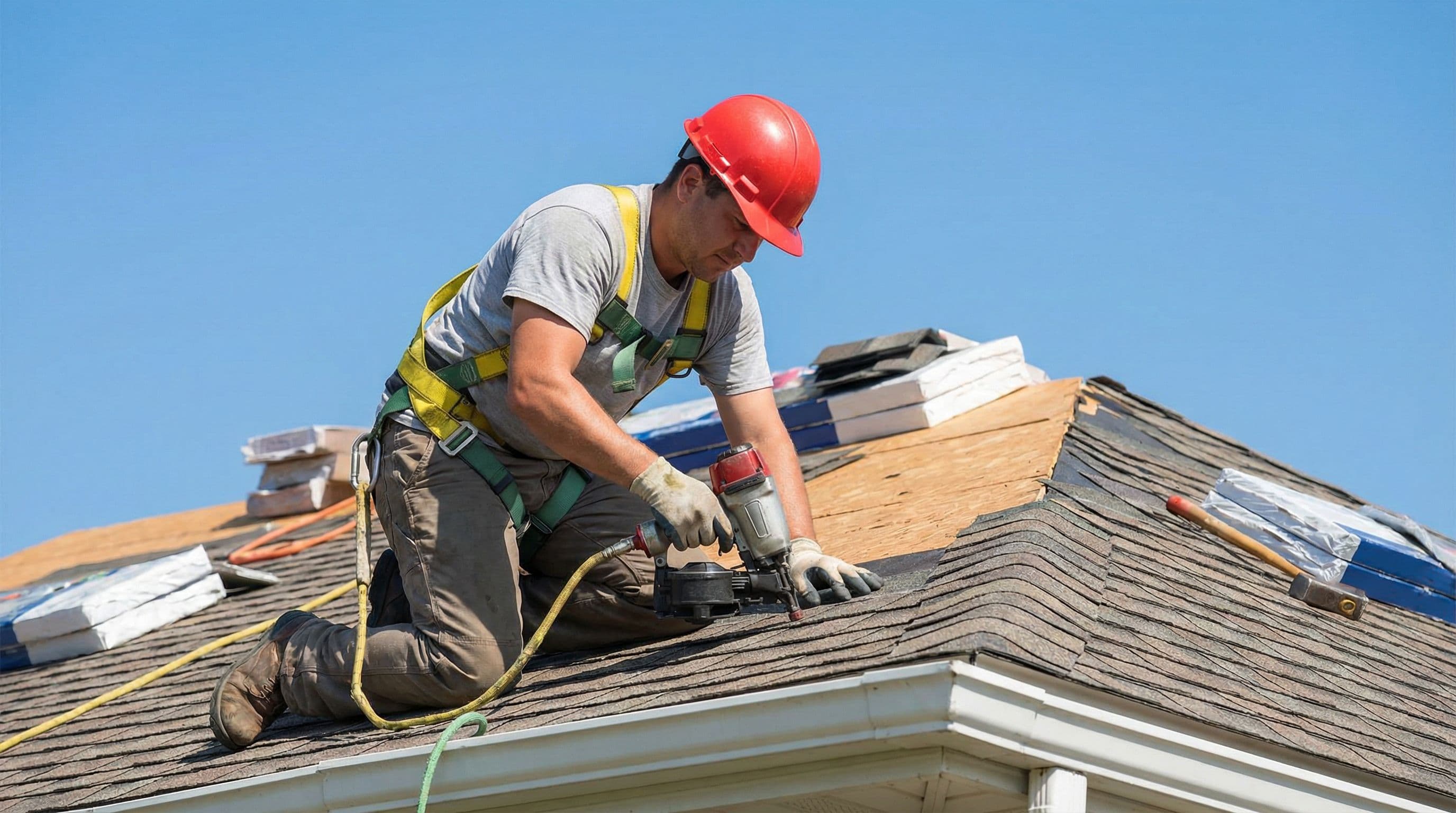
Roofing is classified as one of the highest-risk occupations in the United States, and insurance carriers price their policies accordingly. The Bureau of Labor Statistics consistently ranks roofing among the most dangerous trades, with fall-related injuries and fatalities occurring at rates far exceeding the construction industry average. This elevated risk profile means that roofers pay substantially more for both general liability and workers compensation insurance than most other contractors, making it especially important to find a provider that understands roofing operations and can offer competitive rates within this high-risk category.
The nature of roofing work creates exposure to multiple categories of insurance claims simultaneously. A roofer working on an occupied building faces the risk of causing property damage to the structure's interior through leaks during the tear-off and installation process. Materials and debris can damage vehicles, landscaping, and neighboring properties. Workers are exposed to falls from height, heat-related illness, burns from hot tar and adhesives, and injuries from power tools and heavy materials. Each of these exposures triggers a different insurance coverage, and a gap in any one area can leave a roofing contractor financially vulnerable.
Completed operations exposure is particularly significant for roofers because roof installations carry long-term warranty obligations and are expected to perform for decades. If a roof fails prematurely and causes water damage to the building's interior, the roofing contractor may face a claim years after the work was completed. Many standard general liability policies provide inadequate completed operations limits for roofing work, or they exclude certain types of roofing operations entirely. Understanding these coverage nuances is essential for roofers who want to ensure they are truly protected against the full range of risks they face.
Key Coverage Types to Compare
General liability insurance for roofers must be carefully structured to address the unique exposures of working at height on existing structures. The standard CGL policy covers bodily injury and property damage claims arising from your operations, but roofers need to verify that their policy does not contain exclusionary endorsements that restrict coverage for work above a certain height, for hot tar or torch-applied roofing systems, or for residential versus commercial projects. Some carriers exclude specific roofing activities through classification limitations, which means you could be paying a premium for coverage that would not actually respond when you need it. Always review the policy form and endorsements with your agent to confirm that every type of roofing work you perform is covered.
Workers compensation insurance represents the single largest insurance expenditure for most roofing companies. Roofing classification codes carry some of the highest rates in the workers compensation system, often ranging from $15 to $40 or more per $100 of payroll depending on the state. Because the premiums are so substantial, even small differences in base rates between carriers can result in savings of thousands of dollars annually. When comparing workers compensation options, look beyond the initial premium quote and evaluate the carrier's dividend programs, their safety resources and loss control services, and their track record of helping roofing companies reduce their experience modification factors over time.
Beyond the core policies, roofers should consider several supplemental coverages. Inland marine insurance protects roofing equipment such as compressors, nail guns, scaffolding, and specialized tools that are transported between job sites. Commercial auto insurance covers the trucks and trailers used to haul materials and equipment. A commercial umbrella policy provides excess liability limits above your general liability and auto policies, which is increasingly required by general contractors and commercial property owners before they will award roofing contracts. Each of these policies should be evaluated as part of your total insurance program rather than in isolation.
What to Look for in a Provider
When evaluating insurance providers for a roofing business, the carrier's appetite for roofing risks is the first and most important consideration. Many insurance companies either decline to write roofing contractors entirely or price their policies so aggressively that the quotes are not competitive. Carriers that actively seek roofing business have underwriters who understand the industry's risk characteristics, can differentiate between well-run roofing operations and poorly managed ones, and price their policies accordingly. These specialized carriers are also more likely to offer the specific endorsements and coverage enhancements that roofers need, rather than applying restrictive endorsements that limit the policy's value.
Safety program support is a distinguishing factor among insurance providers for roofing companies. The best carriers offer proactive loss control services that include job site safety assessments, fall protection program development, OSHA compliance guidance, and employee training resources. These services are not just a nice extra; they directly impact your bottom line by reducing injuries, lowering your experience modification factor, and demonstrating to underwriters that your company takes risk management seriously. A carrier that invests in helping you prevent losses is a far better long-term partner than one that simply collects premiums and processes claims.
Claims handling experience with roofing losses is another critical evaluation criterion. Roofing claims often involve complex questions about the cause of water intrusion, whether damage resulted from faulty workmanship or pre-existing conditions, and the appropriate scope of repairs. A claims adjuster who understands roofing construction can resolve these claims more efficiently and fairly than one who lacks industry knowledge. Ask prospective providers about their claims team's experience with roofing losses, their average claims resolution time, and whether they assign dedicated adjusters to contractor accounts. At CPK Insurance, we connect roofers with carriers that have demonstrated expertise in handling construction claims and a reputation for treating policyholders fairly.
How to Compare Quotes Effectively
Comparing insurance quotes for a roofing business requires particular attention to the classification codes used by each carrier. Roofing work is classified differently depending on whether it involves new construction, re-roofing, or repair work, and whether the roofing system is built-up, single-ply, metal, tile, or shingle. The classification code assigned to your operations directly determines your base rate, and an incorrect classification can result in either an inflated premium or a coverage gap if the classification does not match the work you actually perform. Verify that each quoting carrier has classified your operations consistently and accurately before comparing premiums.
When reviewing general liability quotes, examine the per-occurrence and aggregate limits carefully and confirm whether the aggregate is per-project or per-policy. For roofers working on multiple projects simultaneously, a per-project aggregate ensures that a large claim on one job does not reduce the coverage available for your other active projects. Also review the products and completed operations aggregate separately, as this is the limit that will respond to claims arising after your work is finished, which is a significant exposure for roofing contractors who warranty their installations.
For workers compensation, calculate the effective rate per $100 of payroll for each quote rather than comparing lump-sum premiums. This allows you to make an accurate comparison even if the carriers used different payroll estimates. Factor in any scheduled credits, experience modification adjustments, and dividend programs that may reduce your effective cost. Some carriers offer performance-based dividend programs that return a percentage of premium if your losses remain below a certain threshold, which can significantly reduce the net cost of coverage over time. Present all of this information on a standardized comparison worksheet so you can evaluate the true total cost and value of each option.
Common Mistakes to Avoid
The most costly mistake roofers make with their insurance is failing to maintain adequate completed operations coverage after projects are finished. Some roofers allow their insurance to lapse during slow seasons or switch carriers without ensuring that prior acts coverage is maintained. When this happens, claims arising from previously completed work may not be covered, leaving the roofer personally liable for potentially substantial property damage claims. Roofing failures that cause interior water damage can easily generate claims of $50,000 to $500,000 or more, depending on the building and its contents. Maintaining continuous, uninterrupted coverage is not optional for roofing contractors.
Another frequent mistake is misclassifying employees or treating workers as independent contractors when they do not meet the legal criteria for independent contractor status. Insurance carriers audit payroll records at the end of each policy period, and workers who are reclassified as employees during the audit will generate additional premium charges at the applicable roofing classification rate. Beyond the insurance implications, worker misclassification can result in penalties from state workers compensation boards, the IRS, and the Department of Labor. If you use subcontractors, obtain certificates of insurance from each one and verify that their coverage is current and adequate before they set foot on your job site.
Underestimating the importance of safety documentation is a mistake that affects both claims outcomes and future premium costs. When a workplace injury occurs, the quality of your safety program documentation directly influences whether the claim is viewed as an isolated incident or evidence of systemic negligence. Roofers should maintain written safety programs, document all safety training with signed attendance records, conduct and record regular toolbox talks, and perform documented job site safety inspections. This documentation not only helps defend against claims but also demonstrates to underwriters during renewal that your company is actively managing its risks, which can lead to more favorable pricing.
Getting Started with the Right Coverage
To begin the process of finding the best insurance for your roofing business, compile a detailed profile of your operations. This should include the types of roofing systems you install or repair, whether you perform residential work, commercial work, or both, your annual revenue and payroll figures, the number of employees and their specific job functions, your claims history for the past five years, and any safety certifications or training programs you have in place. The more detail you can provide about your operations and risk management practices, the more accurately carriers can assess your risk and the more competitive your quotes will be.
It is also important to gather copies of the insurance requirements from your most demanding contracts. Many commercial roofing contracts require specific limits, endorsements, and additional insured provisions that not all carriers can accommodate. By presenting these requirements upfront during the quoting process, you avoid the frustration of selecting a carrier only to discover that they cannot provide a required endorsement or that the endorsement carries a prohibitively expensive charge. Having these requirements on hand allows your agent to screen carriers for compatibility before investing time in the full underwriting process.
CPK Insurance works with multiple carriers that actively write roofing contractors and understand the specialized coverage needs of the trade. Our advisors have experience structuring insurance programs for roofing companies ranging from small residential crews to large commercial roofing operations. We evaluate each carrier's appetite, pricing, endorsement flexibility, and claims handling reputation before presenting you with recommendations. Because roofing insurance costs are substantial, finding the right program can save thousands of dollars annually while ensuring you have the coverage breadth to take on any project with confidence. Reach out to CPK Insurance today for a comprehensive quote comparison built around your specific roofing operations.
Get Your Personalized Quote
Enter your ZIP code to compare insurance rates from top carriers.
Updated March 1, 2026

CPK Insurance Editorial Team
Licensed Insurance Advisors