







































Updated March 31, 2026

CPK Insurance Editorial Team
Reviewed by Licensed Insurance Agent
Homeowners Insurance in New Jersey
Buying homeowners insurance in New Jersey means planning for a market shaped by coastal weather, older housing stock in many towns, and a premium environment that sits above the national average. homeowners insurance in New Jersey is especially important if your home is near the Jersey Shore, in a flood-prone inland area, or in a neighborhood where rebuilding costs run higher because of local labor and construction prices. The state is regulated by the New Jersey Department of Banking and Insurance, and lenders across Trenton, Newark, Jersey City, Hoboken, and coastal counties typically want proof of coverage before closing. With hurricane, flooding, and nor’easter risk all rated high in the state profile, your policy choices should focus on dwelling coverage, personal property coverage, liability coverage, and additional living expenses coverage that match your home’s real rebuild cost, not just its market value. If you are comparing policies in a market with 580 active insurers and a premium index of 136, the details matter.
What Homeowners Insurance Covers
In New Jersey, homeowners insurance coverage is built around the same core protections, but the local risk picture changes how you should structure them. Dwelling coverage in New Jersey is the part that pays to repair or rebuild the home itself after a covered loss, and the state’s reconstruction cost index of 122 means replacement cost can be meaningfully different from the price you paid for the house in places like Trenton, Montclair, or Red Bank. Personal property coverage in New Jersey helps replace belongings after covered theft or fire, which matters in a state with a property crime rate of 1,510 and rising larceny-theft and burglary trends. Liability coverage in New Jersey matters if someone is injured on your property, and additional living expenses coverage in New Jersey can help with temporary housing if a covered loss makes the home unlivable.
Standard policies in New Jersey generally exclude flood damage, so flood coverage is usually handled separately through NFIP or private flood insurers. That is especially important because the state’s climate profile shows high hurricane, flooding, and nor’easter risk, and recent disasters included flash flooding, coastal storm surge, and a 2024 nor’easter with billions in estimated damage. Wind or hurricane deductibles may also apply separately in coastal areas, so the deductible structure can differ from a standard all-peril claim. Other structures coverage and medical payments coverage are also part of the typical policy structure, but the exact terms depend on the carrier and endorsements you choose. Because the New Jersey Department of Banking and Insurance regulates the market, policy language and endorsements should be reviewed carefully before you bind coverage.
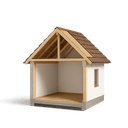
Dwelling
Protection for dwelling-related losses and claims

Personal Property
Protection for personal property-related losses and claims

Liability
Protection for liability-related losses and claims

Additional Living Expenses
Protection for additional living expenses-related losses and claims
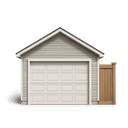
Other Structures
Protection for other structures-related losses and claims

Medical Payments
Protection for medical payments-related losses and claims
Homeowners Insurance Requirements in New Jersey
- New Jersey homeowners insurance is regulated by the New Jersey Department of Banking and Insurance.
- Standard homeowners policies in New Jersey exclude flood damage; flood insurance is sold separately through NFIP or private flood insurers.
- Wind or hurricane deductibles may apply separately in coastal areas, so review those terms before binding coverage.
- Homes with mortgage financing usually must carry coverage, but the required limit is set by the lender rather than by a statewide minimum.
How Much Does Homeowners Insurance Cost in New Jersey?
Average Cost in New Jersey
$113 – $510 per month
per month
- Home replacement cost and age
- Claims history
- Location and weather risk
- Roof type and condition
- Coverage limits and deductibles
Contact CPK Insurance for a personalized quote.
National average: $100 – $250 per month
* Estimates based on industry averages. Actual premiums depend on your specific business details, claims history, and coverage selections. Rates shown are for informational purposes only and do not constitute a quote.
The homeowners insurance cost in New Jersey is shaped by both property values and the state’s exposure to weather losses. The average premium range in the data is about $113 to $510 per month, while the state-specific average premium is $118 per month versus a national average of $165, though actual pricing varies by home, location, and coverage choices. New Jersey’s premium index is 136, which signals a higher-cost market overall, even though the average in the dataset is below the national benchmark. That combination usually means some homes can be priced competitively while others, especially in higher-risk coastal or storm-exposed locations, can see much higher quotes.
Several local factors drive homeowners insurance quote in New Jersey results. Local construction costs and labor rates have a high impact, and the state’s average dwelling coverage of $356,000 reflects rebuilding needs that can be higher than many owners expect. Claims history in the area, local crime rates, age and condition of the dwelling, and credit-based insurance score all affect pricing. The market also has 580 active insurers, with top carriers including NJM Insurance, GEICO, State Farm, and Progressive, so quote comparisons can vary widely by underwriting appetite.
Risk concentration matters too. Hurricane, flooding, and nor’easter hazards are all rated high in New Jersey, and the state has seen major disaster declarations and recent storm losses. Coastal homes may also face separate wind or hurricane deductibles, which can change the out-of-pocket cost even if the monthly premium looks reasonable. If you are comparing homeowners insurance cost in New Jersey, look at the full package: premium, dwelling limit, deductible, endorsements, and whether flood coverage must be purchased separately.
| Coverage Part | What It Protects | Typical Limit |
|---|---|---|
| Dwelling (A) | Home structure, attached structures | Full replacement cost |
| Other Structures (B) | Fences, sheds, detached garage | 10% of dwelling |
| Personal Property (C) | Furniture, electronics, clothing, belongings | 50-70% of dwelling |
| Loss of Use (D) | Temporary living expenses if displaced | 20% of dwelling |
| Personal Liability (E) | Lawsuits from injuries on your property | $100K–$500K |
| Medical Payments (F) | Guest injury medical bills (no-fault) | $1K–$5K per person |
Dwelling (A)
- What It Protects
- Home structure, attached structures
- Typical Limit
- Full replacement cost
Other Structures (B)
- What It Protects
- Fences, sheds, detached garage
- Typical Limit
- 10% of dwelling
Personal Property (C)
- What It Protects
- Furniture, electronics, clothing, belongings
- Typical Limit
- 50-70% of dwelling
Loss of Use (D)
- What It Protects
- Temporary living expenses if displaced
- Typical Limit
- 20% of dwelling
Personal Liability (E)
- What It Protects
- Lawsuits from injuries on your property
- Typical Limit
- $100K–$500K
Medical Payments (F)
- What It Protects
- Guest injury medical bills (no-fault)
- Typical Limit
- $1K–$5K per person
Get Your Personalized Quote
Enter your ZIP code to compare homeowners insurance rates from top carriers.
Homeowners insurance starting at $50/mo
Who Needs Homeowners Insurance?
Homeowners insurance requirements in New Jersey are not a legal mandate for every owner-occupant, but mortgage lenders usually require coverage, so most financed homes need a policy in place before closing. That makes it essential for buyers in fast-moving markets like Jersey City, Hoboken, Newark, and Princeton, where lenders will ask for proof of dwelling coverage and may require specific limits before funding the loan. If you own a home outright, the policy is still a practical way to protect the structure, belongings, and liability exposure tied to the property.
This coverage is especially relevant for owners in coastal counties, where hurricane and storm-surge risk is elevated, and for inland communities that have seen flash flooding or severe storm losses. New Jersey’s disaster history includes a 2024 nor’easter, 2023 flash flooding, and earlier coastal storm surge events, so homeowners near bays, rivers, low-lying streets, or older drainage systems should pay close attention to exclusions and separate flood options. The state’s property crime rate and increasing burglary trend also make personal property coverage important for owners who keep high-value contents at home.
It also matters for households that would struggle to pay for temporary housing after a covered loss. Additional living expenses coverage in New Jersey can be a key part of the decision for families in high-rent areas near Newark, the Hudson waterfront, or central Jersey commuter towns. Owners of older homes may need more robust dwelling coverage because the age and condition of the structure can materially affect rebuilding costs. With 99.6% of New Jersey businesses classified as small businesses, many owners also work from home, but this page should focus on the home itself: the property, the belongings inside it, and the financial protection needed if a covered fire, wind event, theft, or other loss damages the residence.
Homeowners Insurance by City in New Jersey
Homeowners Insurance rates and coverage options can vary across New Jersey. Select your city below for localized information:
How to Buy Homeowners Insurance
To buy homeowners insurance in New Jersey, start by gathering the details carriers use to rate the home: address, year built, square footage, roof age, construction type, and any updates to plumbing, electrical, heating, or the roof. Those details matter because the state’s reconstruction cost index is 122 and age and condition of the dwelling has a high impact on pricing. You should also estimate how much dwelling coverage you need based on rebuild cost, not market value, then decide on personal property coverage, liability coverage, and additional living expenses coverage that fit your household.
Next, check whether your home is in a coastal or flood-exposed area, because standard homeowners insurance coverage in New Jersey excludes flood damage and wind or hurricane deductibles may apply in some coastal areas. If flood is a concern, ask separately about NFIP or private flood options before binding the policy. Since the market has 580 active insurers and top carriers such as NJM Insurance, GEICO, State Farm, and Progressive, comparing multiple homeowners insurance quotes in New Jersey can reveal meaningful differences in deductibles, endorsements, and how each carrier treats storm exposure.
The state is regulated by the New Jersey Department of Banking and Insurance, so policyholders should review forms, endorsements, and coverage limits carefully before purchase. If you are working through a mortgage closing, coordinate with your lender early so the policy matches any required dwelling limit or effective date. An independent agent can help you compare homeowners insurance quote in New Jersey options, confirm whether separate wind deductibles apply, and make sure the policy documents are ready for closing or refinance. In many standard cases, a quote can be completed quickly, but the final terms depend on the home’s condition and the carrier’s underwriting review.
How to Save on Homeowners Insurance
Saving on homeowners insurance cost in New Jersey starts with choosing the right limits, not just the lowest premium. If your dwelling coverage is too low, you may save money upfront but leave yourself short if rebuilding costs rise after a storm or fire. Because local construction costs and labor rates have a high impact in New Jersey, it is smart to compare replacement-cost estimates carefully, especially for older homes in towns like Asbury Park, Paterson, or Morristown.
Deductible choice is another lever. A higher deductible can reduce the premium, but coastal homes may have separate wind or hurricane deductibles, so you should confirm how those apply before you choose. If your home is near the shore or in a flood-prone area, separating standard homeowners insurance from flood coverage can help you understand what you are paying for and avoid assuming one policy does everything. Since standard policies exclude flood damage, buying the right flood policy is about risk management, not just price.
You can also compare multiple carriers because New Jersey has 580 active insurers and several major names active in the market. Pricing can differ based on claims history, credit-based insurance score, local crime rates, and endorsements. Ask about discounts for monitored safety features, updated roof or systems, and policy bundling where available. If your home is in a lower-risk inland area, make sure the quote reflects that geography rather than a coastal profile.
Finally, review your policy annually. New Jersey’s severe storm, flooding, and nor’easter exposure can change after a season of losses, and your own home improvements may reduce risk. Updating the insurer on renovations, roof replacement, or system upgrades can sometimes improve your homeowners insurance quote in New Jersey, while also making the coverage more accurate for a claim.
Our Recommendation for New Jersey
For New Jersey buyers, the smartest first step is to align dwelling coverage with rebuild cost, not purchase price, because the state’s reconstruction cost index and construction labor costs can push replacement needs higher than expected. Then add enough personal property coverage to reflect what you actually own, especially if you live in a higher-theft area or keep valuables in the home. I would also treat liability coverage and additional living expenses coverage as core parts of the decision, not optional extras, because a storm or fire can create both injury exposure and temporary housing costs. If you are near the coast or any flood-prone corridor, assume standard homeowners insurance will not solve every weather risk and ask separately about flood options and any wind or hurricane deductible. With 580 active insurers in the market, comparing at least a few homeowners insurance quotes in New Jersey is the best way to see how each carrier prices the same home.
FAQ
Frequently Asked Questions
In New Jersey, the core policy usually covers dwelling coverage, personal property coverage, liability coverage, additional living expenses coverage, other structures coverage, and medical payments coverage, but the exact terms depend on the carrier and endorsements.
You should aim for enough dwelling coverage to rebuild your home at current local construction costs, which matters in New Jersey because labor and materials can raise replacement cost above the home’s market value.
Yes, mortgage lenders usually require it, even though New Jersey does not legally require every homeowner to buy a policy.
No. Standard homeowners insurance in New Jersey excludes flood damage, so you would need a separate flood policy through NFIP or a private flood insurer.
Coastal homes can face high hurricane and flooding exposure, and some policies may apply separate wind or hurricane deductibles in those areas.
Quotes are driven by home location, claims history, dwelling age and condition, local crime rates, credit-based insurance score, coverage limits, and deductible choices.
Compare the dwelling limit, personal property coverage, liability coverage, additional living expenses coverage, deductible structure, and any coastal or flood-related exclusions, not just the monthly premium.
Yes, because it can protect the structure, belongings, and liability exposure tied to the home, and it can help with temporary housing if a covered loss makes the property unlivable.
Homeowners insurance covers four main areas: dwelling coverage for your home's structure, personal property coverage for your belongings, liability coverage if someone is injured on your property, and additional living expenses if you need to live elsewhere while your home is repaired. It protects against perils like fire, windstorms, hail, theft, and vandalism.
You should carry enough dwelling coverage to rebuild your home at current construction costs, not just the purchase price or market value. Personal property coverage typically starts at 50-70% of your dwelling coverage. Liability coverage of at least $300,000 is recommended, with an umbrella policy for additional protection. CPK Insurance can help you calculate the right coverage levels.
No. Standard homeowners insurance does not cover flood damage. You need a separate flood insurance policy, which can be obtained through the National Flood Insurance Program (NFIP) or private flood insurers. Even if you are not in a high-risk flood zone, flood coverage is worth considering since over 20% of flood claims occur in low-to-moderate risk areas.
Most homeowners insurance policies can be quoted and bound within 24-48 hours for standard risks. An independent agent like CPK Insurance can compare options from multiple carriers and have your policy in place quickly. Certificates of insurance are typically available the same day the policy is bound.
Yes. Bundling homeowners with auto insurance typically saves 15-25% through multi-policy discounts. Many carriers also offer discounts for adding umbrella liability coverage. An independent agent can help you find the best bundle pricing across multiple carriers.
Key factors include your home's replacement cost, age and condition, roof type and age, proximity to fire stations and hydrants, local weather risks (hurricanes, hail, wildfires), your claims history, credit-based insurance score, deductible choices, and coverage limits. Homes in high-risk areas or with older roofs pay significantly more.
Homeowners insurance typically covers sudden water damage like burst pipes or appliance leaks, but does not cover gradual leaks, sewer backups (without an endorsement), or flood damage. Flood insurance must be purchased separately through the NFIP or a private insurer. Ask your agent about water backup endorsements for additional protection.
Contact your insurance carrier's claims department immediately, most have 24/7 claims hotlines. Document the incident thoroughly with photos, written descriptions, and witness information. Notify your insurance agent as well. Prompt reporting is important, as delays can complicate or jeopardize your claim.
Updated March 31, 2026
CPK Insurance Editorial Team
Reviewed by Licensed Insurance Agent