What Is Commercial Auto Insurance?
Commercial auto insurance is a type of business insurance that provides liability and physical damage coverage for vehicles used for business purposes. It covers cars, trucks, vans, and specialty vehicles that are owned, leased, or operated by a business. Unlike personal auto insurance, which is designed for individuals driving their own vehicles for personal use, commercial auto insurance is built to handle the unique risks that come with business vehicle operations, including higher liability limits, coverage for multiple drivers, and protection for cargo and equipment.
Commercial auto insurance is legally required in every state for vehicles that are registered to a business or used primarily for commercial purposes. The minimum liability limits for commercial vehicles are often higher than those required for personal vehicles, reflecting the greater potential for serious accidents involving commercial trucks, vans, and fleet vehicles. Businesses that operate without proper commercial auto coverage face significant legal and financial risks, including fines, license suspensions, and personal liability for accident damages.
The commercial auto insurance market serves a wide range of businesses, from sole proprietors who use a single vehicle for client visits to large enterprises operating fleets of hundreds of vehicles. The coverage is highly customizable, with options to tailor liability limits, deductibles, and additional coverages to the specific needs of each business. Whether you operate a fleet of delivery vans, a single service truck, or company cars for your sales team, commercial auto insurance provides the financial protection your business needs to keep vehicles on the road and operations running smoothly.
What Does Commercial Auto Insurance Cover?
Commercial auto insurance policies are made up of several distinct coverage components that work together to protect your business. Liability coverage is the foundation of any commercial auto policy and is required by law in every state. It pays for bodily injury and property damage that you or your employees cause to others in an at-fault accident. Bodily injury liability covers the other party's medical bills, lost wages, pain and suffering, and legal defense costs. Property damage liability covers the cost to repair or replace the other party's vehicle, structure, or other damaged property. Most businesses carry liability limits of at least $1 million combined single limit, though the appropriate amount depends on the size and nature of your operations.
Physical damage coverage protects your own vehicles and includes two components: collision and comprehensive. Collision coverage pays to repair or replace your vehicle if it is damaged in an accident with another vehicle or object, regardless of who is at fault. Comprehensive coverage pays for damage to your vehicle from non-collision events, including theft, vandalism, fire, hail, flooding, falling objects, and animal strikes. These coverages are optional unless your vehicles are leased or financed, in which case the lender will typically require them. Deductibles for physical damage coverage usually range from $500 to $5,000, with higher deductibles resulting in lower premiums.
Several additional coverage options are available to customize your commercial auto policy. Uninsured and underinsured motorist coverage protects you and your employees when the at-fault driver in an accident does not have adequate insurance. Medical payments coverage, also known as MedPay, pays for medical expenses for you and your passengers regardless of who caused the accident. Hired auto coverage extends your policy to vehicles your business rents or borrows on a temporary basis. Non-owned auto coverage protects your business when employees use their personal vehicles for business tasks, covering any liability that falls back on the employer. Cargo coverage, which is especially important for delivery and trucking operations, protects the goods and materials being transported in your vehicles.
Towing and labor coverage pays for roadside assistance and towing when a covered vehicle breaks down. Rental reimbursement coverage pays for a temporary replacement vehicle while your business vehicle is being repaired after a covered loss. Gap coverage, which is important for newer or financed vehicles, pays the difference between the actual cash value of a totaled vehicle and the remaining balance on its loan or lease.
Personal Auto vs. Commercial Auto Insurance
One of the most common mistakes business owners make is assuming their personal auto insurance policy will cover them when they use their vehicle for work. In most cases, it does not. Personal auto policies contain exclusions for regular business use, delivery of goods for hire, transporting passengers for a fee, and vehicles registered to a business entity. If you are involved in an accident while using your personal vehicle for business purposes and your insurer determines the vehicle was being used commercially, your personal policy claim could be denied, leaving you personally responsible for all damages.
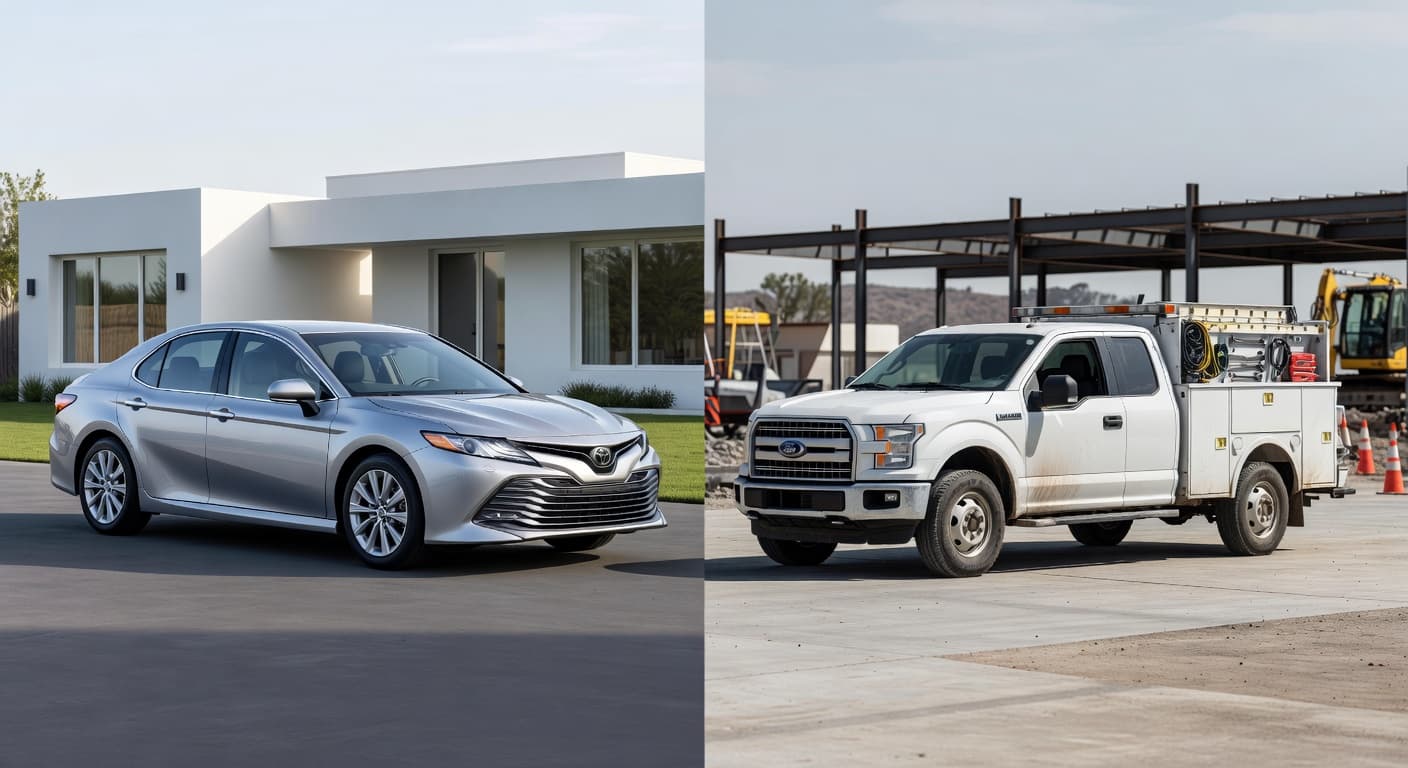
The key distinction between personal and commercial auto insurance lies in how the vehicle is used. Personal auto insurance covers vehicles used for commuting, errands, recreation, and other personal activities. Commercial auto insurance covers vehicles used for business operations such as transporting goods or equipment, making deliveries, carrying tools and supplies to job sites, visiting clients, and hauling materials. If a vehicle is titled or registered in a business name, it almost always requires a commercial policy regardless of how it is actually used.
Commercial auto policies offer higher liability limits than personal policies, which is important because accidents involving business vehicles often result in larger claims. A commercial vehicle loaded with equipment that causes a multi-car accident on a highway can generate damages well in excess of what a personal auto policy would cover. Commercial policies also allow businesses to list multiple drivers under a single policy, manage fleet-wide deductibles, and add specialized coverages like hired and non-owned auto that are not available on personal policies.
There is a gray area for business owners who occasionally use their personal vehicle for light business activities, such as driving to a client meeting or picking up office supplies. Some personal auto policies offer a business use endorsement that extends limited commercial coverage to these activities. However, if you regularly transport goods, make deliveries, haul equipment, or have employees driving for business purposes, a personal policy with a business use endorsement is not sufficient. CPK Insurance can help you evaluate your actual vehicle usage and determine whether a personal policy with an endorsement, a full commercial auto policy, or a combination of both is the right approach for your situation.
Who Needs Commercial Auto Insurance?
Any business that owns, leases, or regularly uses vehicles for business operations needs commercial auto insurance. This includes obvious cases like delivery companies, trucking firms, and taxi services, as well as less obvious ones like contractors who drive to job sites, consultants who visit clients, and retailers who make local deliveries. If you or your employees drive as part of your business operations, commercial auto coverage should be part of your insurance program.
Contractors and tradespeople are among the most common purchasers of commercial auto insurance. Electricians, plumbers, HVAC technicians, landscapers, and general contractors all rely on vehicles to transport tools, equipment, and materials to job sites. These vehicles are essential to daily operations, and a single uninsured accident could shut down the business. Many general contractors and project managers require subcontractors to carry commercial auto insurance before they are allowed on a job site, and certificates of insurance listing the project owner as an additional insured are a standard requirement.
Service-based businesses that send employees to client locations also need commercial auto coverage. Cleaning services, pest control companies, home healthcare agencies, IT service providers, and catering businesses all have employees regularly driving as part of their job duties. Even if the employees are using their own personal vehicles, the business can be held liable for accidents that occur during the course of employment. Non-owned auto coverage, available as part of a commercial auto policy, protects the business against this exposure.
Food delivery services, courier companies, and any business involved in transporting goods for others face some of the highest liability exposure and the greatest need for robust commercial auto coverage. These businesses put vehicles on the road for extended hours, increasing the probability of accidents. Businesses that transport passengers, such as shuttle services, limo companies, and medical transport providers, need commercial auto policies with particularly high liability limits because injuries to passengers can result in substantial claims. If your business falls into any of these categories and you are unsure about your coverage needs, CPK Insurance can conduct a thorough review of your operations and recommend the appropriate commercial auto program.
Understanding Commercial Auto Coverage Types
Commercial auto insurance is not a one-size-fits-all product. Understanding the specific coverage types available allows you to build a policy that matches your business's actual risk profile without paying for unnecessary extras. The most fundamental decision is choosing your liability limits. Most states require minimum liability limits for commercial vehicles, but these minimums are almost always inadequate for real-world claims. A minimum limit policy in a state requiring $30,000 per person and $60,000 per accident in bodily injury liability would leave your business exposed to hundreds of thousands of dollars in personal liability in a serious accident. Most commercial auto experts recommend combined single limits of at least $500,000, and businesses with significant exposure should consider $1 million or higher.
Symbol codes are a unique feature of commercial auto policies that determine which vehicles are covered under each part of the policy. Symbol 1, for example, covers any auto, including owned, hired, and non-owned vehicles. Symbol 2 covers only owned autos that are specifically scheduled on the policy. Symbol 7 covers specifically described autos, meaning only the vehicles listed by VIN on the policy. Symbol 8 covers hired autos, and Symbol 9 covers non-owned autos. Understanding how your policy uses these symbols is important because a mistake in symbol assignment can leave gaps in your coverage. Your insurance agent should review the symbol assignments on your policy to ensure they match your operational needs.
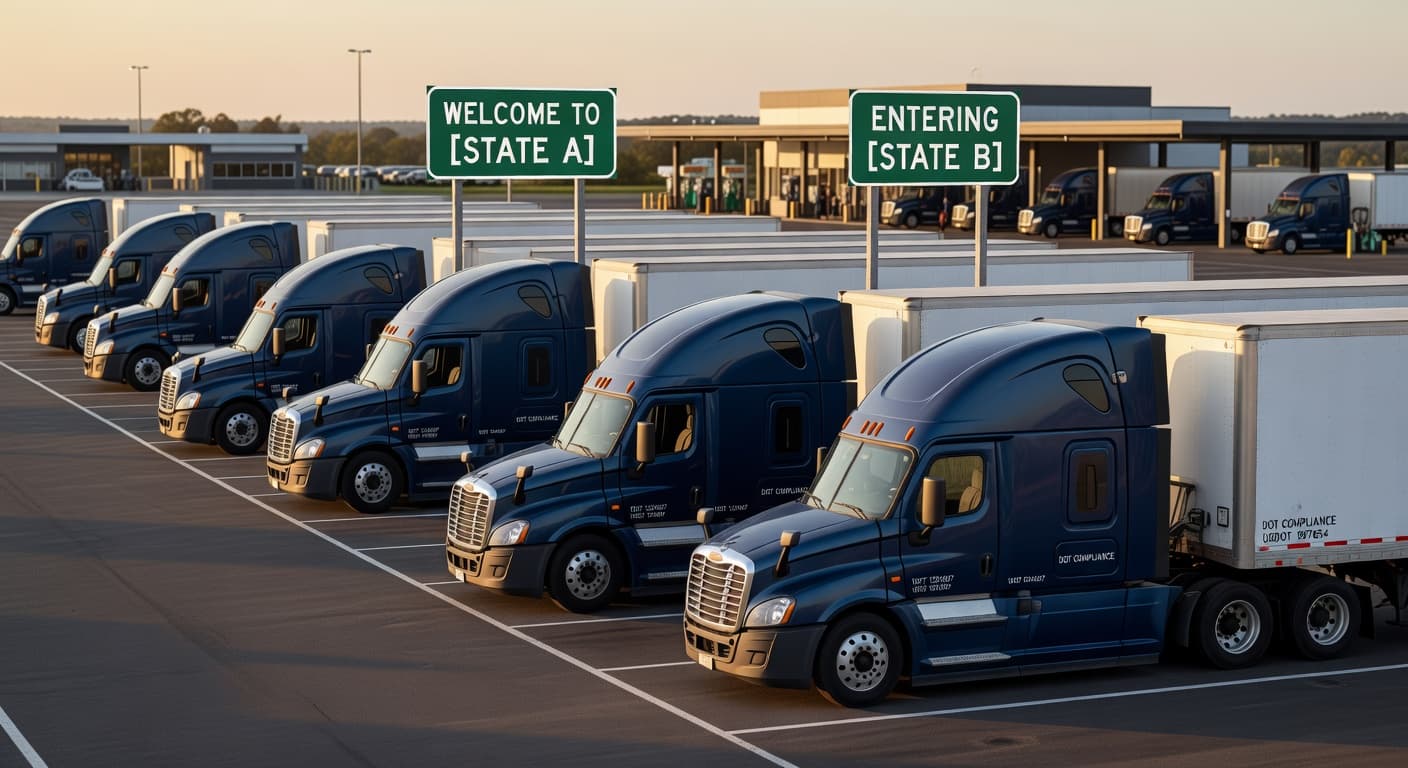
MCA-90 endorsements and federal filing requirements apply to businesses that operate commercial vehicles across state lines or transport certain types of cargo. The MCA-90 endorsement, also known as the Motor Carrier Act endorsement, guarantees that the insurance carrier will pay claims up to the federally required minimum limits regardless of any policy exclusions or conditions that might otherwise apply. This endorsement is required by the Federal Motor Carrier Safety Administration for interstate carriers and is filed as proof of financial responsibility using Form BMC-91 or BMC-91X.
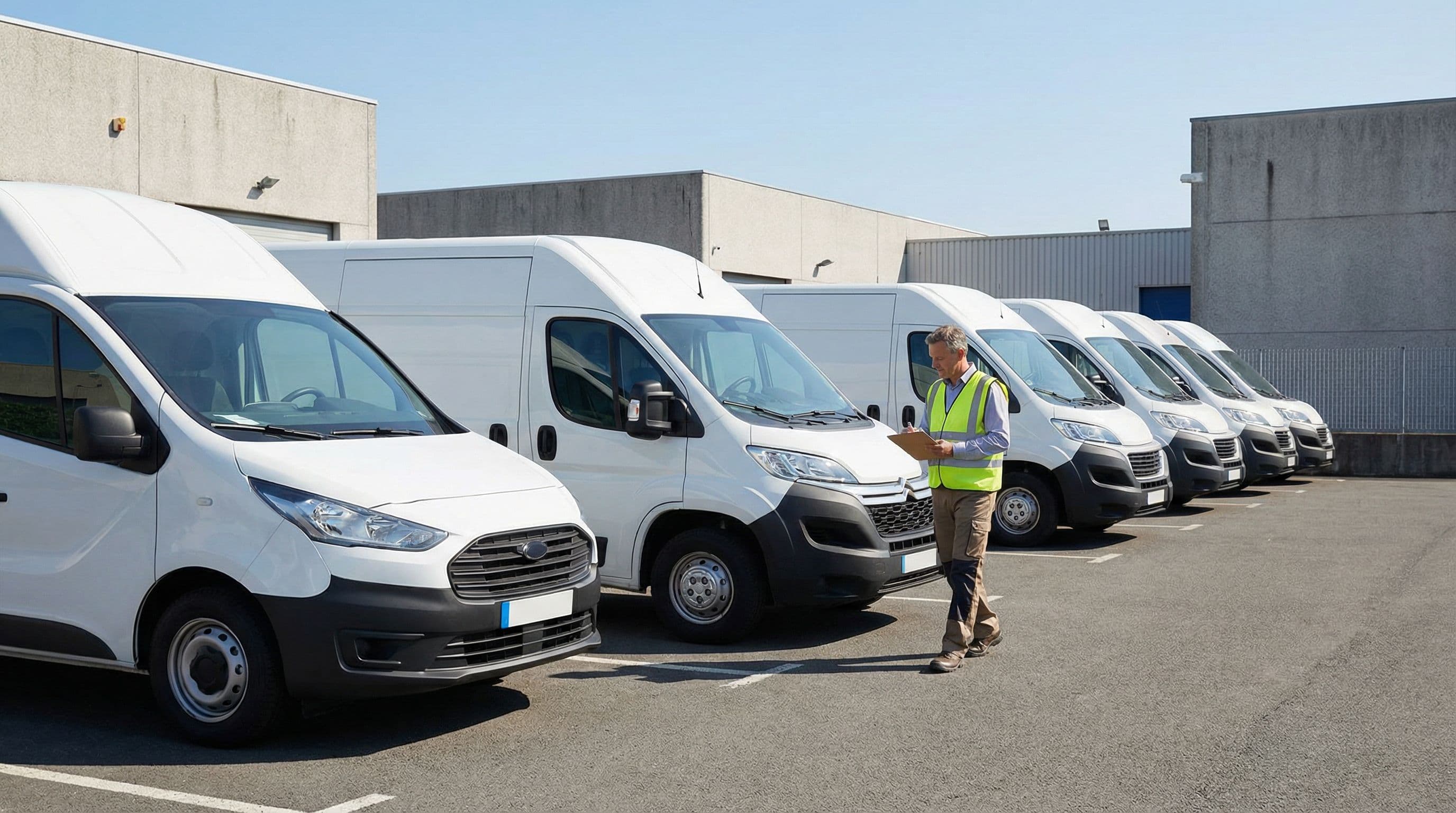
For businesses with larger fleets, fleet auto policies offer advantages over insuring each vehicle individually. Fleet policies typically cover all vehicles owned by the business under a single policy number, simplify administration, and may qualify for volume discounts. Fleet policies can also include automatic coverage for newly acquired vehicles for a specified period, usually 30 days, giving the business time to notify the carrier without creating a coverage gap. Businesses with ten or more vehicles should specifically ask about fleet pricing when shopping for commercial auto coverage.
How to Buy Commercial Auto Insurance
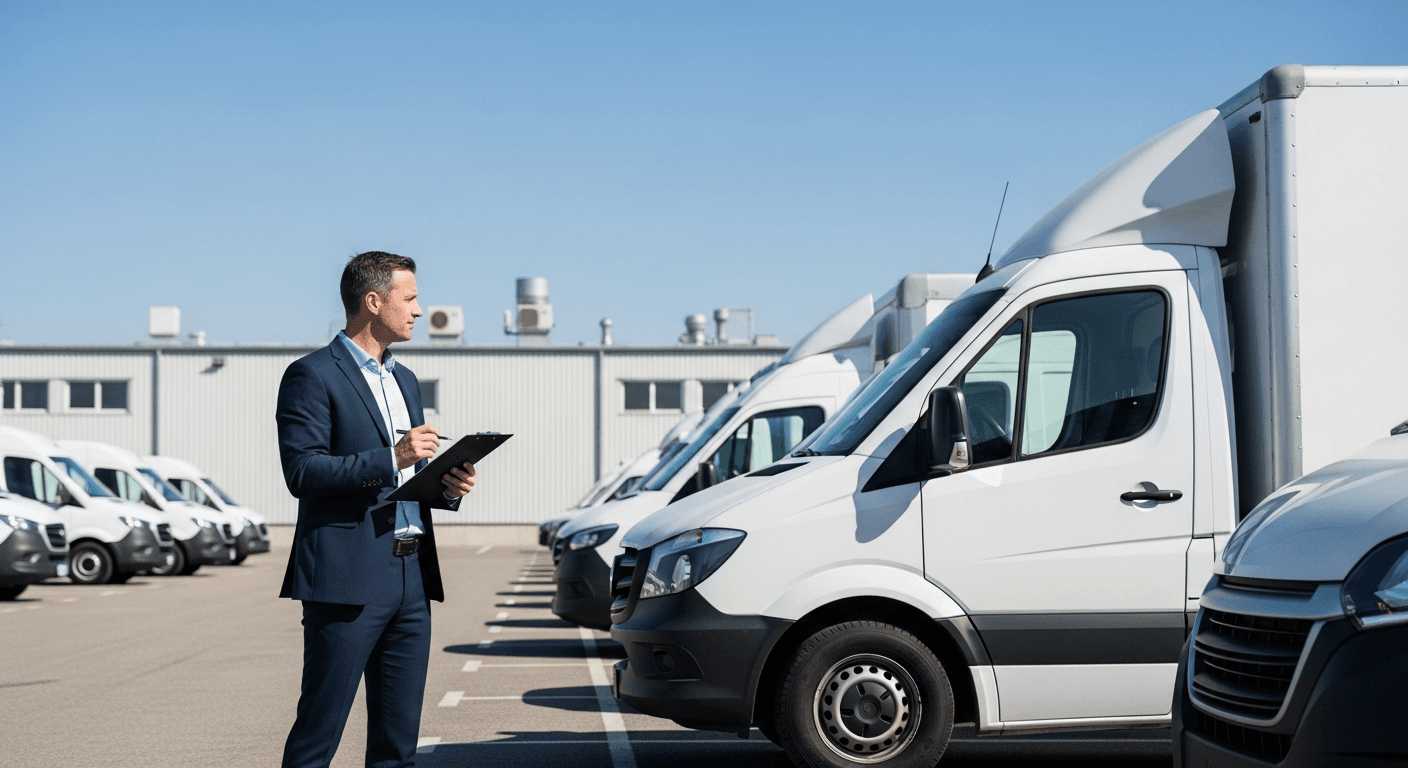
Buying commercial auto insurance effectively requires preparation, comparison, and attention to detail. Start by gathering the information insurers will need to provide accurate quotes. This includes a list of all vehicles to be covered with year, make, model, and VIN for each one. You will also need driver information for everyone who will operate the vehicles, including names, dates of birth, license numbers, and driving records. Carriers will ask about your business type, how the vehicles are used, typical daily mileage, the radius of operations, and whether any vehicles cross state lines.
Getting quotes from multiple carriers is essential because pricing varies significantly between insurers. One carrier might specialize in your industry and offer very competitive rates, while another might consider your business type higher risk and quote a premium that is 40 to 60 percent higher for the same coverage. Working with an independent insurance agent who represents multiple carriers gives you access to a broader market and helps you find the most competitive options. The agent can also identify carrier-specific discounts you might qualify for, such as bundling with other business policies, installing telematics devices, or maintaining a clean claims history.
When comparing quotes, look beyond the premium amount and examine the coverage details carefully. Verify that the liability limits, deductibles, and included coverage components are the same across all quotes so you are making an apples-to-apples comparison. Check whether hired and non-owned auto coverage is included or available as an add-on. Review the policy's symbol assignments to make sure all your vehicles and usage scenarios are properly covered. Ask about the claims process, the carrier's financial strength rating, and whether the carrier offers dedicated commercial auto claims adjusters or routes your claims through a general department.
CPK Insurance recommends reviewing your commercial auto policy annually, even if you are satisfied with your current coverage. Fleet changes, new drivers, different usage patterns, and shifts in the insurance market can all create opportunities to improve your coverage or reduce your costs. Many businesses renew their commercial auto policy on autopilot year after year, missing chances to save money or close coverage gaps that have developed as their business has evolved. A proactive annual review with your agent ensures your policy stays aligned with your actual operations.
Get Your Personalized Quote
Enter your ZIP code to compare insurance rates from top carriers.
Updated March 1, 2026

CPK Insurance Editorial Team
Licensed Insurance Advisors