







































Updated March 31, 2026

CPK Insurance Editorial Team
Reviewed by Licensed Insurance Agent
Homeowners Insurance in New Mexico
Buying homeowners insurance in New Mexico means planning for a state where wildfire risk is very high, flash flooding is high, and property crime remains above the national average. If you are comparing homeowners insurance in New Mexico, the right policy should reflect the home itself, the neighborhood, and the distance to local fire protection in places like Santa Fe, Albuquerque, Las Cruces, Roswell, and Farmington. New Mexico also has 260 active insurers in the market, so shoppers can compare multiple options instead of settling for a one-size-fits-all policy. The average homeowners premium in the state is about $140 per month, but your actual price can move based on roof age, reconstruction cost, deductible choices, and how much dwelling coverage you need to rebuild at current local labor and material costs. Mortgage lenders usually require coverage even though the state does not legally require every owner to carry it. That makes this policy a practical financial tool for protecting your home, belongings, and budget after fire, wind, theft, or a covered loss.
What Homeowners Insurance Covers
Homeowners insurance coverage in New Mexico is built around the dwelling, personal property, liability, additional living expenses, other structures, and medical payments coverages. The dwelling portion is especially important here because reconstruction costs can differ from market value, and the state’s average dwelling coverage is about $216,000 even though the median home value is around $270,000. Standard policies generally respond to fire, windstorms, hail, theft, and vandalism, which matters in a state with very high wildfire risk and increasing burglary and arson trends. A standard policy does not cover flood damage, so homes exposed to flash flooding in areas like canyon corridors, arroyos, or low-lying neighborhoods may need separate flood protection. New Mexico’s Office of Superintendent of Insurance oversees the market, but it does not set a special statewide homeowners mandate beyond lender expectations. That means endorsements and limits matter: roof age and material, proximity to fire stations and hydrants, and natural disaster risk can all affect how a policy is priced and structured. Additional living expenses coverage can help if a covered loss makes your home temporarily unlivable, which is useful after wildfire smoke, water damage from a covered event, or major storm repairs. Other structures coverage can matter if you have detached garages, sheds, or fences common on larger lots across the state.

Dwelling
Protection for dwelling-related losses and claims

Personal Property
Protection for personal property-related losses and claims

Liability
Protection for liability-related losses and claims

Additional Living Expenses
Protection for additional living expenses-related losses and claims
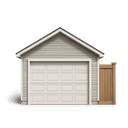
Other Structures
Protection for other structures-related losses and claims

Medical Payments
Protection for medical payments-related losses and claims
Homeowners Insurance Requirements in New Mexico
- New Mexico homeowners insurance is regulated by the New Mexico Office of Superintendent of Insurance.
- The state does not legally require homeowners insurance for every owner, but mortgage lenders usually require it.
- Standard policies generally cover fire, windstorms, hail, theft, and vandalism, but flood damage requires separate coverage.
- Dwelling coverage should be based on reconstruction cost, and local fire access, roof condition, and disaster exposure can affect the quote.
How Much Does Homeowners Insurance Cost in New Mexico?
Average Cost in New Mexico
$80 – $360 per month
per month
- Home replacement cost and age
- Claims history
- Location and weather risk
- Roof type and condition
- Coverage limits and deductibles
Contact CPK Insurance for a personalized quote.
National average: $100 – $250 per month
* Estimates based on industry averages. Actual premiums depend on your specific business details, claims history, and coverage selections. Rates shown are for informational purposes only and do not constitute a quote.
The homeowners insurance cost in New Mexico is shaped by a mix of statewide competition and local hazard exposure. The average premium is about $140 per month, with a broader average range of $80 to $360 per month depending on coverage limits, deductibles, claims history, location, and policy endorsements. That average is below the national average of about $165 per month, and the state premium index of 96 suggests prices are close to the national market overall rather than sharply above it. Still, the cost can rise quickly for homes with older roofs, higher wildfire exposure, or limited access to fire stations and hydrants. The state’s expected annual loss from disaster activity is estimated at 340, and recent events such as the 2024 wildfire complex and the 2023 flash flooding and mudslides show why local risk matters. In practice, homes in Santa Fe, the Albuquerque metro, and other parts of New Mexico may be priced differently based on neighborhood crime patterns, construction costs, and the size of the dwelling coverage limit. The market is competitive, with 260 active insurers and major carriers such as State Farm, GEICO, Progressive, USAA, and Allstate operating in the state. That competition can help shoppers compare premiums, but it does not remove the effect of risk factors like deductible choice, policy endorsements, and the age and material of the roof. A homeowners insurance quote in New Mexico should always be based on rebuild cost, not just the home’s purchase price.
| Coverage Part | What It Protects | Typical Limit |
|---|---|---|
| Dwelling (A) | Home structure, attached structures | Full replacement cost |
| Other Structures (B) | Fences, sheds, detached garage | 10% of dwelling |
| Personal Property (C) | Furniture, electronics, clothing, belongings | 50-70% of dwelling |
| Loss of Use (D) | Temporary living expenses if displaced | 20% of dwelling |
| Personal Liability (E) | Lawsuits from injuries on your property | $100K–$500K |
| Medical Payments (F) | Guest injury medical bills (no-fault) | $1K–$5K per person |
Dwelling (A)
- What It Protects
- Home structure, attached structures
- Typical Limit
- Full replacement cost
Other Structures (B)
- What It Protects
- Fences, sheds, detached garage
- Typical Limit
- 10% of dwelling
Personal Property (C)
- What It Protects
- Furniture, electronics, clothing, belongings
- Typical Limit
- 50-70% of dwelling
Loss of Use (D)
- What It Protects
- Temporary living expenses if displaced
- Typical Limit
- 20% of dwelling
Personal Liability (E)
- What It Protects
- Lawsuits from injuries on your property
- Typical Limit
- $100K–$500K
Medical Payments (F)
- What It Protects
- Guest injury medical bills (no-fault)
- Typical Limit
- $1K–$5K per person
Get Your Personalized Quote
Enter your ZIP code to compare homeowners insurance rates from top carriers.
Homeowners insurance starting at $50/mo
Who Needs Homeowners Insurance?
Homeowners insurance in New Mexico is important for anyone with a mortgage because lenders usually require it before closing, even though the state does not legally require every owner to buy it. It is also a practical fit for owners who want to protect against wildfire, wind, theft, and liability claims tied to their property. In a state where government is the largest employment sector and 46,800 businesses operate, many households rely on steady income and long-term home equity, so a major property loss can disrupt finances quickly. Homeowners in Santa Fe, Albuquerque, Las Cruces, Roswell, Farmington, and smaller communities near wildland areas may need stronger dwelling coverage in New Mexico because rebuild costs, contractor availability, and fire exposure can vary by location. Owners of detached garages, workshops, sheds, or fenced yards may also benefit from other structures coverage in New Mexico because those features are common in many single-family properties. Families with valuable furniture, electronics, or seasonal belongings should pay close attention to personal property coverage in New Mexico, especially where burglary and larceny-theft trends affect replacement needs. Buyers who live in flood-prone areas should understand that standard homeowners insurance does not cover flood damage, so a separate flood policy may be worth discussing. Even owners who have paid off their mortgage may still want coverage to protect savings, preserve housing stability, and reduce out-of-pocket repair costs after a covered loss. For households in a state with high wildfire and flash flood exposure, the policy is less about a legal requirement and more about keeping a home financially recoverable.
Homeowners Insurance by City in New Mexico
Homeowners Insurance rates and coverage options can vary across New Mexico. Select your city below for localized information:
How to Buy Homeowners Insurance
To buy homeowners insurance in New Mexico, start by estimating how much it would cost to rebuild your home at current construction prices, then match that figure to dwelling coverage instead of using the market value alone. Gather details about the home’s address, square footage, roof age and material, detached structures, security features, and any recent claims, because insurers use those facts to price the policy. In New Mexico, the Office of Superintendent of Insurance regulates the market, and the state has 260 active insurers, so comparing multiple carriers is practical rather than optional. A homeowners insurance quote in New Mexico should also account for wildfire exposure, flash flood exposure, and how close the property is to fire protection resources, since those factors affect pricing and underwriting. If your lender requires coverage, confirm the policy meets the lender’s conditions before closing. Ask whether the quote includes enough personal property coverage, whether additional living expenses coverage is sufficient for temporary housing, and whether other structures coverage matches the detached features on the property. If you live near drainage channels, arroyos, or low-lying areas, ask separately about flood protection because standard homeowners insurance does not cover flood damage. Comparing quotes from carriers active in the state, such as State Farm, GEICO, Progressive, USAA, and Allstate, can help you see differences in deductible options, endorsements, and service. After you choose a policy, keep copies of your declarations page, mortgage information, and property inventory so you can update the policy later if you remodel, replace the roof, or add structures.
How to Save on Homeowners Insurance
The homeowners insurance cost in New Mexico can often be managed by choosing coverage that fits the home instead of overinsuring or underinsuring it. One of the biggest savings levers is the deductible: a higher deductible usually lowers the premium, but it should still be an amount you can pay after a loss. Another practical strategy is to align dwelling coverage in New Mexico with true rebuild cost, because paying for excess coverage on a home does not reduce risk if the limit is already too high. Roof age and material matter in this state, so keeping the roof in good condition can help with underwriting results and may support better pricing than a worn roof. Homeowners in wildfire-prone areas should ask about discounts or underwriting credits for fire mitigation features, such as defensible space, updated roofing materials, or proximity to hydrants and fire stations, because those factors are specifically relevant in New Mexico. Bundling can also help if you place multiple policies with the same carrier, but any bundle should still be compared against standalone quotes from the state’s competitive market. Review endorsements carefully so you are not paying for coverage you do not need, while still protecting detached structures, valuables, and temporary living expenses if they matter to your household. Because property crime is elevated in the state, a simple home inventory with photos and receipts can make personal property coverage easier to value after a theft claim. Finally, compare at least several quotes from carriers active in New Mexico, since the state’s 260 insurers create room for meaningful price differences based on the same home profile.
Our Recommendation for New Mexico
For homeowners insurance in New Mexico, I would focus first on rebuild cost, wildfire exposure, and flood gaps before comparing monthly price. The state’s average premium is relatively close to the national average, but a low quote can be misleading if the dwelling limit is too small or the deductible is too high. Make sure the policy reflects your actual home in Santa Fe, Albuquerque, Las Cruces, or wherever you live, including detached structures and any features that could increase replacement cost. Because the market is competitive and regulated by the New Mexico Office of Superintendent of Insurance, it is smart to compare several carriers and then verify the fine print on exclusions, endorsements, and temporary living benefits. If your home sits near drainage areas or has had water issues, ask separately about flood coverage because standard homeowners policies do not include it. The best buying approach is to match coverage to the home’s risk profile, not just the lender minimum.
FAQ
Frequently Asked Questions
A New Mexico homeowners policy typically covers the dwelling, personal belongings, liability, additional living expenses, other structures, and medical payments, with fire, windstorms, hail, theft, and vandalism as common covered perils.
The average is about $140 per month in New Mexico, but actual pricing can range from about $80 to $360 per month depending on coverage limits, deductibles, roof condition, claims history, and wildfire or flood exposure.
Lenders usually require a homeowners policy before closing and may expect enough dwelling coverage to protect the loan and the home, even though the state itself does not legally require every homeowner to carry insurance.
If you own the home free and clear, the state does not force you to buy it, but many owners still keep coverage to protect against wildfire, theft, liability, and the cost of rebuilding after a covered loss.
Dwelling coverage helps repair or rebuild the structure, personal property coverage helps replace belongings, and liability coverage helps if someone is injured on your property and you are responsible for the claim.
Quotes are influenced by location, wildfire risk, flash-flood exposure, roof age and material, claims history, deductible choice, coverage limits, and how close the home is to fire protection resources.
Share your home’s address, square footage, roof details, detached structures, and claims history, then compare quotes from carriers active in New Mexico through a licensed agent or directly with insurers.
Choose dwelling coverage based on rebuild cost, keep personal property coverage aligned with what you own, and select a deductible you can afford after a loss without creating a financial strain.
Homeowners insurance covers four main areas: dwelling coverage for your home's structure, personal property coverage for your belongings, liability coverage if someone is injured on your property, and additional living expenses if you need to live elsewhere while your home is repaired. It protects against perils like fire, windstorms, hail, theft, and vandalism.
You should carry enough dwelling coverage to rebuild your home at current construction costs, not just the purchase price or market value. Personal property coverage typically starts at 50-70% of your dwelling coverage. Liability coverage of at least $300,000 is recommended, with an umbrella policy for additional protection. CPK Insurance can help you calculate the right coverage levels.
No. Standard homeowners insurance does not cover flood damage. You need a separate flood insurance policy, which can be obtained through the National Flood Insurance Program (NFIP) or private flood insurers. Even if you are not in a high-risk flood zone, flood coverage is worth considering since over 20% of flood claims occur in low-to-moderate risk areas.
Most homeowners insurance policies can be quoted and bound within 24-48 hours for standard risks. An independent agent like CPK Insurance can compare options from multiple carriers and have your policy in place quickly. Certificates of insurance are typically available the same day the policy is bound.
Yes. Bundling homeowners with auto insurance typically saves 15-25% through multi-policy discounts. Many carriers also offer discounts for adding umbrella liability coverage. An independent agent can help you find the best bundle pricing across multiple carriers.
Key factors include your home's replacement cost, age and condition, roof type and age, proximity to fire stations and hydrants, local weather risks (hurricanes, hail, wildfires), your claims history, credit-based insurance score, deductible choices, and coverage limits. Homes in high-risk areas or with older roofs pay significantly more.
Homeowners insurance typically covers sudden water damage like burst pipes or appliance leaks, but does not cover gradual leaks, sewer backups (without an endorsement), or flood damage. Flood insurance must be purchased separately through the NFIP or a private insurer. Ask your agent about water backup endorsements for additional protection.
Contact your insurance carrier's claims department immediately, most have 24/7 claims hotlines. Document the incident thoroughly with photos, written descriptions, and witness information. Notify your insurance agent as well. Prompt reporting is important, as delays can complicate or jeopardize your claim.
Updated March 31, 2026
CPK Insurance Editorial Team
Reviewed by Licensed Insurance Agent