The Quick Answer
The amount of commercial auto insurance your business needs depends on your state's minimum requirements, the types of vehicles you operate, what you transport, and the level of risk you are comfortable retaining. At a bare minimum, every state requires liability insurance for vehicles used in commerce, with limits typically ranging from $25,000 to $50,000 per person for bodily injury and $50,000 to $100,000 per accident. However, these legal minimums are almost always insufficient to cover the costs of a serious accident, and most insurance professionals recommend carrying at least $1 million in combined single limit liability coverage for commercial vehicles. This is especially true for businesses that operate larger vehicles, transport passengers or hazardous materials, or have employees driving in high-traffic urban areas.
Beyond liability coverage, you should consider comprehensive and collision coverage to protect your vehicles themselves, uninsured and underinsured motorist coverage to protect against drivers who lack adequate insurance, and medical payments or personal injury protection coverage for your drivers. If your vehicles carry tools, equipment, or cargo, you may also need inland marine or cargo insurance to protect those items while in transit. The total coverage package for your commercial fleet should reflect both the legal requirements in every state where your vehicles operate and the financial exposure that an accident would create for your business.
Understanding the Details
Commercial auto insurance is structured differently from personal auto insurance and typically offers higher coverage limits to match the greater risks associated with business vehicle use. The primary coverage component is liability insurance, which pays for bodily injury and property damage you cause to others in an accident. This can be structured as split limits, with separate caps for per-person bodily injury, per-accident bodily injury, and property damage, or as a combined single limit that provides one overall cap for all liability claims from a single accident. Most commercial policies use the combined single limit approach because it provides more flexibility in how the coverage applies across different types of damages.
Federal and state regulations impose specific minimum insurance requirements for certain types of commercial vehicles. The Federal Motor Carrier Safety Administration requires interstate trucking companies to carry minimum liability coverage ranging from $750,000 to $5 million depending on the type of cargo transported. Vehicles carrying hazardous materials face the highest federal minimum requirements, while non-hazardous freight carriers must carry at least $750,000 in liability coverage. Businesses operating passenger vehicles for hire, such as limousine services or shuttle companies, face separate federal and state minimum requirements that reflect the heightened responsibility of transporting people. These federal minimums apply in addition to, and often exceed, state-level minimum requirements.
The appropriate coverage amount also depends on the value of the vehicles in your fleet and the financial impact their loss would have on your operations. Comprehensive coverage protects against non-collision events such as theft, vandalism, fire, and weather damage, while collision coverage pays to repair or replace your vehicle after an accident regardless of fault. For newer or higher-value vehicles, these physical damage coverages are essential to protect your investment. For older vehicles with lower values, you may choose to self-insure the physical damage risk and carry only liability coverage. However, if losing even a single vehicle would significantly disrupt your operations, comprehensive and collision coverage is worth the additional premium regardless of the vehicle's age.
Common Situations and Examples
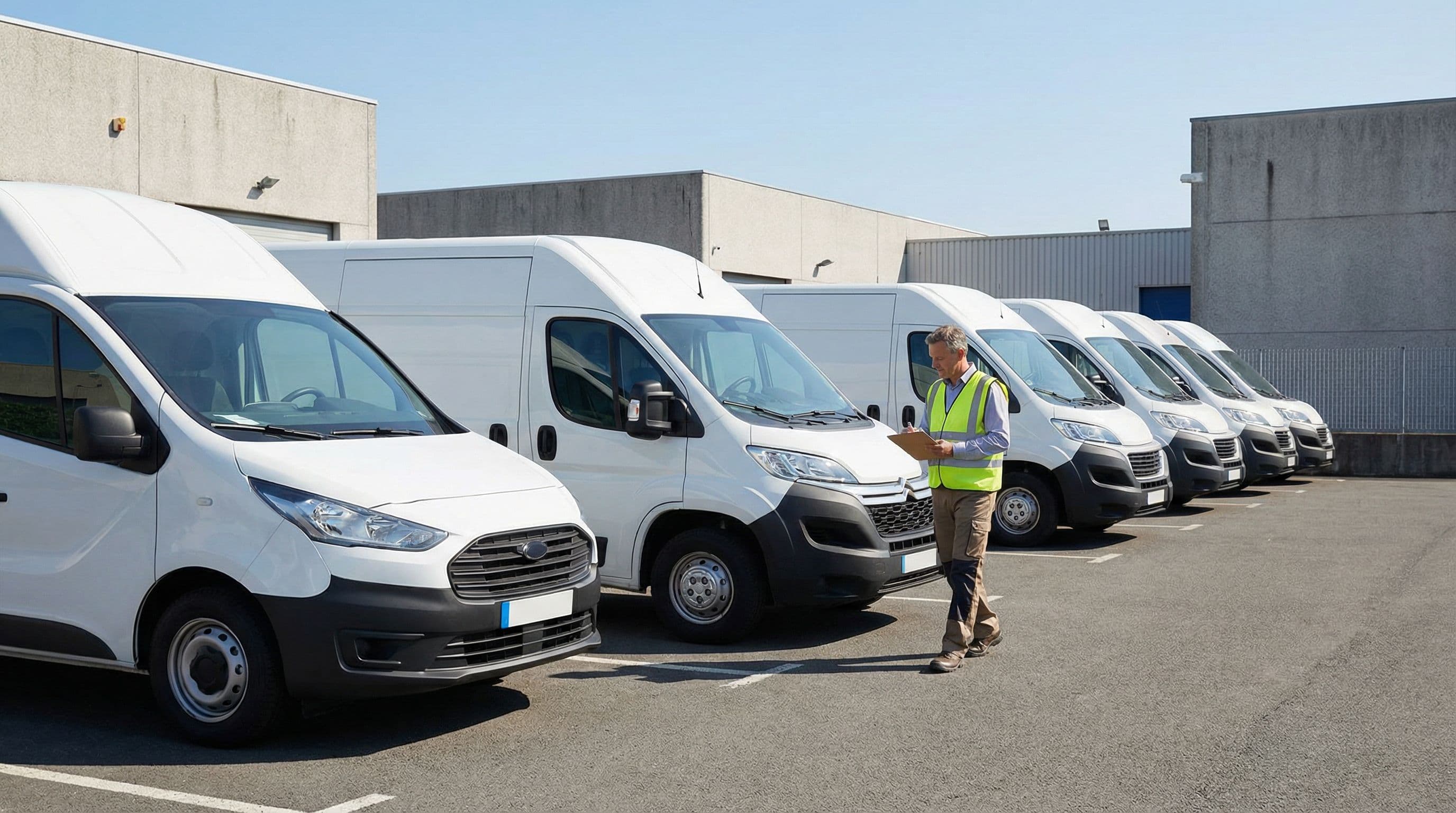
A plumbing company operates a fleet of five service vans that travel to residential and commercial job sites throughout a metropolitan area. Each van is valued at approximately $35,000 and carries $10,000 to $15,000 in tools and equipment. The company's state requires minimum liability limits of $25,000/$50,000/$25,000 for commercial vehicles. However, these minimums would be grossly inadequate if one of the vans caused a multi-vehicle accident with serious injuries. The company carries $1 million in combined single limit liability coverage, comprehensive and collision on all vehicles, and a separate inland marine policy for the tools and equipment. This coverage structure costs more than the minimum required but provides meaningful protection against realistic accident scenarios.
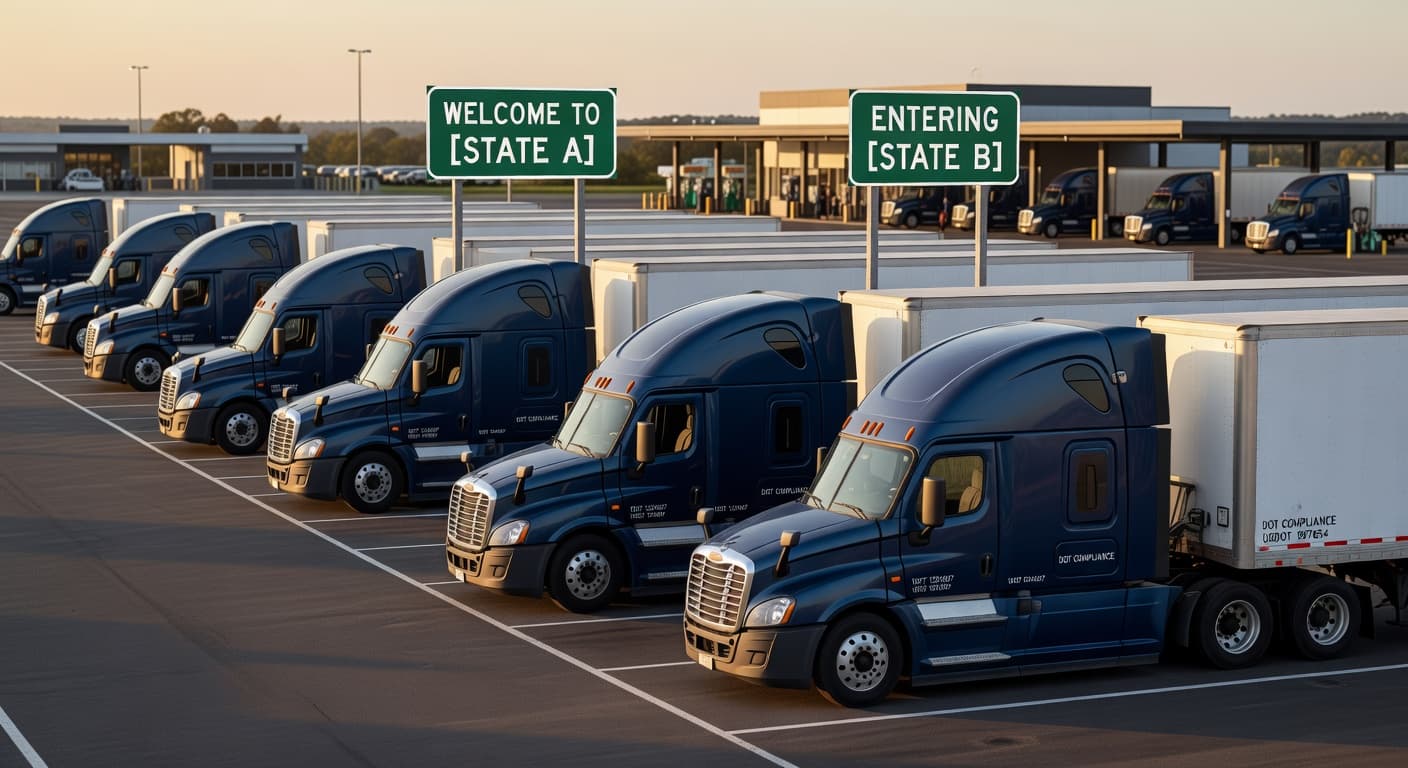
A long-haul trucking company operating across state lines faces federal minimum requirements of $750,000 in liability coverage for its non-hazardous freight operations. While this federal minimum satisfies the legal requirement, many shippers and freight brokers require their carriers to carry $1 million or more in liability coverage as a condition of hauling their cargo. The trucking company carries $1 million in primary liability coverage plus a $4 million umbrella policy to meet the most demanding shipper requirements and protect against the catastrophic injury claims that large truck accidents often generate. At highway speeds, accidents involving tractor-trailers frequently result in fatalities or permanent disabilities with damage claims that easily exceed $1 million.
A real estate agency has three employees who use their personal vehicles to drive to property showings and client meetings. The agency does not own any vehicles but has significant exposure from employee use of personal cars for business purposes. The employees' personal auto policies may not cover accidents that occur during business use, or their coverage limits may be insufficient for the agency's exposure. The agency carries a hired and non-owned auto liability policy with $1 million in combined single limit coverage. This policy provides liability protection when employees use their personal vehicles or the agency rents vehicles for business purposes. It fills a critical gap that many businesses overlook because they do not own any commercial vehicles and assume auto coverage is not necessary.
What Could Go Wrong Without Coverage
Accidents involving commercial vehicles tend to generate larger claims than personal auto accidents due to the size and weight of commercial vehicles, the distances they travel, and the presence of cargo that can contribute to accident severity. The average cost of a commercial vehicle accident with injuries exceeds $70,000, and accidents involving fatalities regularly generate claims in the millions of dollars. Carrying only the state minimum liability limits leaves your business exposed to the full difference between those minimums and the actual cost of a serious accident. A business with $50,000 in liability coverage that causes a $500,000 accident must pay $450,000 out of its own resources, which can force even profitable companies into bankruptcy.
Inadequate commercial auto coverage also creates problems beyond the immediate financial impact of a claim. If your vehicles are damaged or destroyed and you lack physical damage coverage, you must replace them out of pocket to continue operating. For businesses that depend on their vehicles to generate revenue, such as delivery services, contractors, and mobile service providers, even a few days without vehicles means lost income on top of repair or replacement costs. Uninsured and underinsured motorist coverage protects you when the other driver is at fault but lacks sufficient insurance, a scenario that occurs in roughly 13 percent of all auto accidents nationwide.
Operating commercial vehicles without adequate insurance can also expose your business to regulatory penalties and loss of operating authority. The FMCSA can revoke the operating authority of motor carriers that fail to maintain required insurance minimums, effectively shutting down the business. States can suspend vehicle registrations and impose fines for operating commercial vehicles without proper coverage. For regulated industries like trucking, taxi services, and limousine companies, insurance is not merely a financial protection tool but a legal prerequisite for being allowed to operate. Losing your operating authority or vehicle registrations due to insurance lapses can take weeks or months to restore, causing lasting damage to your business operations and reputation.
How to Get the Right Coverage
Building the right commercial auto insurance program starts with an inventory of your vehicles, drivers, and operations. List every vehicle used for business purposes, including employee-owned vehicles used for company errands. Note the type, value, and typical use of each vehicle, as well as the driving records of all drivers. Identify every state in which your vehicles operate, as you need to meet the highest applicable minimum requirement. Then determine the contractual insurance requirements imposed by your clients, landlords, or industry partners. The highest of these various requirements establishes your coverage floor, and you should seriously consider carrying limits well above that floor to protect against realistic worst-case scenarios.
CPK Insurance simplifies commercial auto insurance shopping by allowing you to compare quotes from multiple carriers based on your specific fleet, drivers, and operations. Different carriers have different appetites for various types of commercial auto risks, and the same fleet can receive dramatically different quotes depending on the insurer. By comparing options through CPK Insurance, you can find the right balance of coverage, cost, and carrier quality for your business. Whether you operate a single delivery van or a fleet of tractor-trailers, CPK Insurance can connect you with competitive commercial auto insurance options that meet your legal requirements and protect your business from the financial consequences of an accident.
Get Your Personalized Quote
Enter your ZIP code to compare insurance rates from top carriers.
Updated March 1, 2026

CPK Insurance Editorial Team
Licensed Insurance Advisors