






































Updated March 31, 2026

CPK Insurance Editorial Team
Reviewed by Licensed Insurance Agent
Why Roofing Businesses Need Insurance
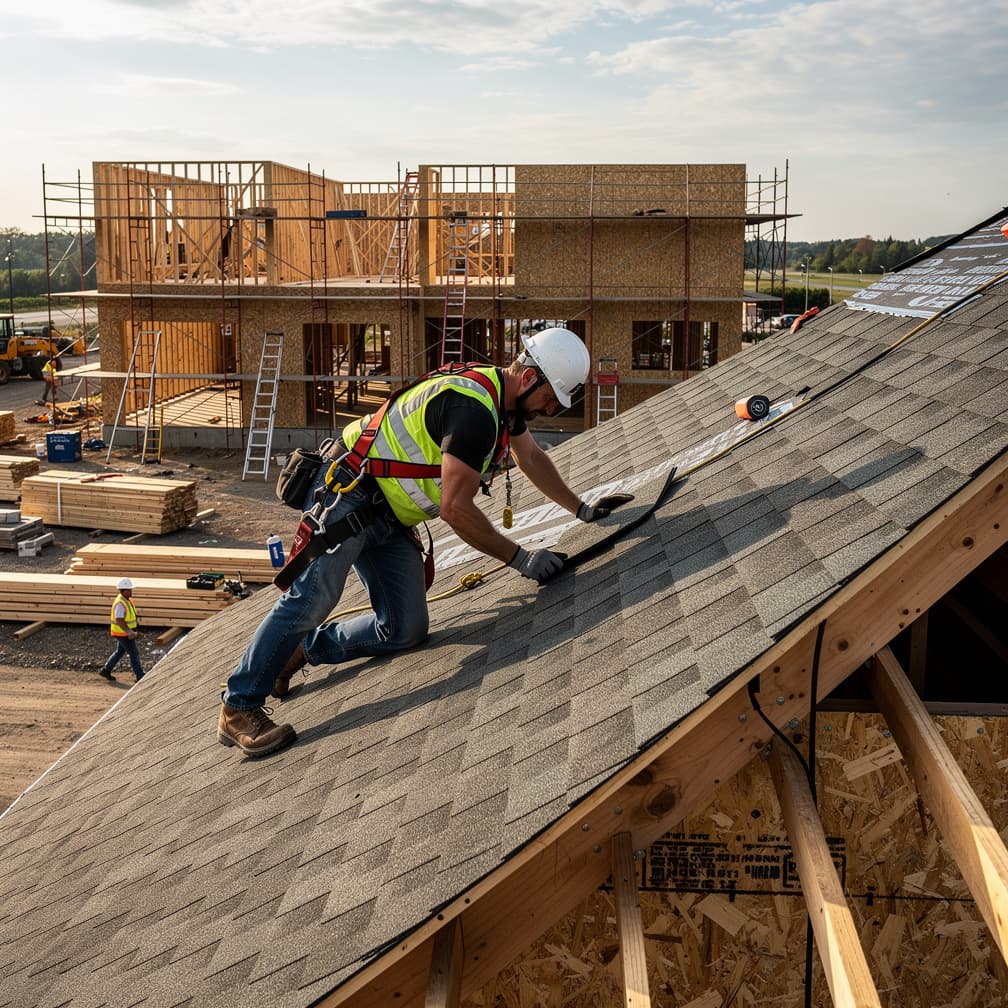
A roofing insurance quote is built to help contractors protect the parts of the business that move every day: crews, ladders, shingles, trailers, trucks, tools, and the job sites where work happens. Roofing work often involves elevated surfaces, changing weather, active customer properties, and equipment that travels from one address to the next. That is why roofing insurance coverage is usually more useful when it is tailored to your crew size, job type, and how you handle subcontractors.
A typical roofing business insurance request may include general liability for bodily injury, property damage, advertising injury, slip and fall, customer injury, third-party claims, legal defense, and settlements. If your team uses company vehicles, commercial auto can help address vehicle accident exposure, fleet coverage needs, hired auto, and non-owned auto situations. If you carry ladders, nailers, generators, or other mobile property, inland marine can help support roofing equipment insurance, contractors equipment, tools, and equipment in transit. For larger operations, umbrella coverage can add excess liability over underlying policies.
Roofing insurance requirements can vary by client, landlord, or job site. Some projects may ask for proof of liability limits, certificates, or specific coverage wording before work begins. Others may want to see workers comp for roofers, especially if you have employees or use subcontractors in a way that affects the contract. If you work on commercial roofs, remodels, reroofs, or new construction, your roofing commercial insurance request should reflect the actual scope of work, the locations you serve, and the equipment you rely on.
A roofing contractor insurance quote is also a practical way to compare policy stacks. One option may focus on general liability and workers comp. Another may add commercial auto, inland marine, and umbrella coverage for broader protection. The right mix depends on your payroll, vehicle use, tools, and the limits your customers ask for. If you need roofing liability coverage in [city], workers comp for roofers in [city], or roofing equipment coverage in [city], the quote process can help you organize those needs in one place.
To move faster, gather your business name, address, years in operation, payroll, subcontractor details, vehicle information, equipment values, and the types of roofs you install or repair. With that information ready, a roofing insurance quote can be matched more closely to your operation and the contracts you want to pursue.
Recommended Coverage for Roofing Businesses
Based on the risks roofing businesses face, these coverage types are essential:

General Liability Insurance
Essential coverage for every business, protect against third-party bodily injury, property damage, and advertising claims.

Workers Compensation Insurance
Cover your employees' medical expenses and lost wages for work-related injuries and illnesses.

Commercial Auto Insurance
Protect your business vehicles and drivers with comprehensive commercial auto coverage.

Inland Marine Insurance
Protect tools, equipment, and goods in transit or stored at locations away from your primary premises.

Commercial Umbrella Insurance
Extend your liability limits beyond your primary policies for extra protection against catastrophic claims.
Common Risks for Roofing Businesses
- Falls from roofs, ladders, and scaffolding during active installs or tear-offs
- Third-party bodily injury or property damage at a customer’s home or job site
- Tools, trailers, and mobile property damaged or stolen while in transit between jobs
- Vehicle accident exposure for company trucks, trailers, and job-site travel
- Claims tied to subcontractor work, site supervision, or contract requirements
- Higher claim severity when a project needs legal defense, settlements, or umbrella coverage
Get Your Roofing Insurance Quote
Compare rates from multiple carriers. Free quotes, no obligation.
What Happens Without Proper Coverage?
Roofing businesses face a mix of job-site exposure, equipment movement, and contract requirements that can make coverage decisions feel urgent. A roofing insurance quote gives you a way to organize those needs before the next bid, permit, or start date. Instead of guessing which policies fit, you can compare roofing insurance requirements against the way your business actually operates.
General liability is often a starting point because roofing work can involve bodily injury, property damage, customer injury, slip and fall claims, third-party claims, legal defense, and settlements. If a ladder, tool, or material creates an issue at a job site, the financial impact can be significant. Workers comp for roofers is another major consideration because roofing crews work at height, handle heavy materials, and face physical demands that can lead to medical costs, lost wages, and rehabilitation needs. In many cases, employers also need to think about employee safety and OSHA-related expectations.
Equipment is another reason roofing business insurance matters. Tools, trailers, and mobile property often travel between sites, sit in trucks, or stay on active properties during the day. Roofing equipment insurance, contractors equipment, and equipment in transit can help you better align coverage with those realities. If your operation uses company vehicles, commercial auto may also be part of the quote so you can address fleet coverage, hired auto, or non-owned auto exposures.
For larger roofing contractors, umbrella coverage can help extend limits above underlying policies when a claim is more serious than expected. That can matter when a client requests higher limits, when a commercial job has stricter contract terms, or when you want a broader policy stack for multiple crews and job sites.
A roofing insurance quote is also useful because it helps you prepare for certificates and contract paperwork. Some property managers, general contractors, and landlords want proof of coverage before work can begin. Having your information ready can make the process smoother and reduce delays when a job is waiting to start.
If you are comparing roofing contractor insurance quote options, focus on the details that shape the policy: payroll, subcontractors, vehicle use, equipment values, job types, and desired limits. That is the information that helps turn a general request into roofing commercial insurance that fits your business.
Insurance Tips for Roofing Owners
Match general liability limits to the type of roofing contracts you bid on and the certificates clients ask for.
Include workers comp for roofers if you have employees, and confirm how subcontractor arrangements affect your quote.
Add commercial auto if your trucks, trailers, or service vehicles are part of daily operations.
Schedule roofing equipment insurance or inland marine for ladders, nailers, generators, and other mobile property.
Ask whether umbrella coverage can sit above your underlying policies for larger commercial jobs.
Have payroll, vehicle, equipment, and subcontractor details ready so your roofing insurance quote reflects your real operation.
FAQ
Frequently Asked Questions About Roofing Insurance
A roofing insurance quote can be built around general liability, workers comp for roofers, commercial auto, inland marine, and umbrella coverage, depending on how your business operates and what your clients require.
Roofing insurance cost varies based on location, payroll, crew size, job type, vehicle use, equipment values, subcontractors, and the policy limits you request.
Requirements vary, but many customers and job sites ask for proof of liability coverage, workers comp if you have employees, and certificates showing the limits and wording they want before work starts.
Many roofing contractors start with general liability, workers comp, and inland marine or equipment coverage, then add commercial auto or umbrella coverage if the business uses vehicles or needs higher limits.
Yes. A roofing contractor insurance quote can be structured around whether you use employees, subcontractors, or both, as long as you share that setup up front.
Limits and certificate needs vary by contract, landlord, and job site. Some projects ask for specific liability limits, workers comp proof, or umbrella coverage before work can begin.
Compare what each quote includes, the policy limits, whether equipment and vehicles are included, and how the coverage matches your payroll, job types, and subcontractor use.
Have your business details, payroll, subcontractor information, vehicle list, equipment values, job types, and desired limits ready so the quote can be built around your operation.
Updated March 31, 2026
CPK Insurance Editorial Team
Reviewed by Licensed Insurance Agent