






































Updated March 31, 2026

CPK Insurance Editorial Team
Reviewed by Licensed Insurance Agents
Roofing Insurance in Utah
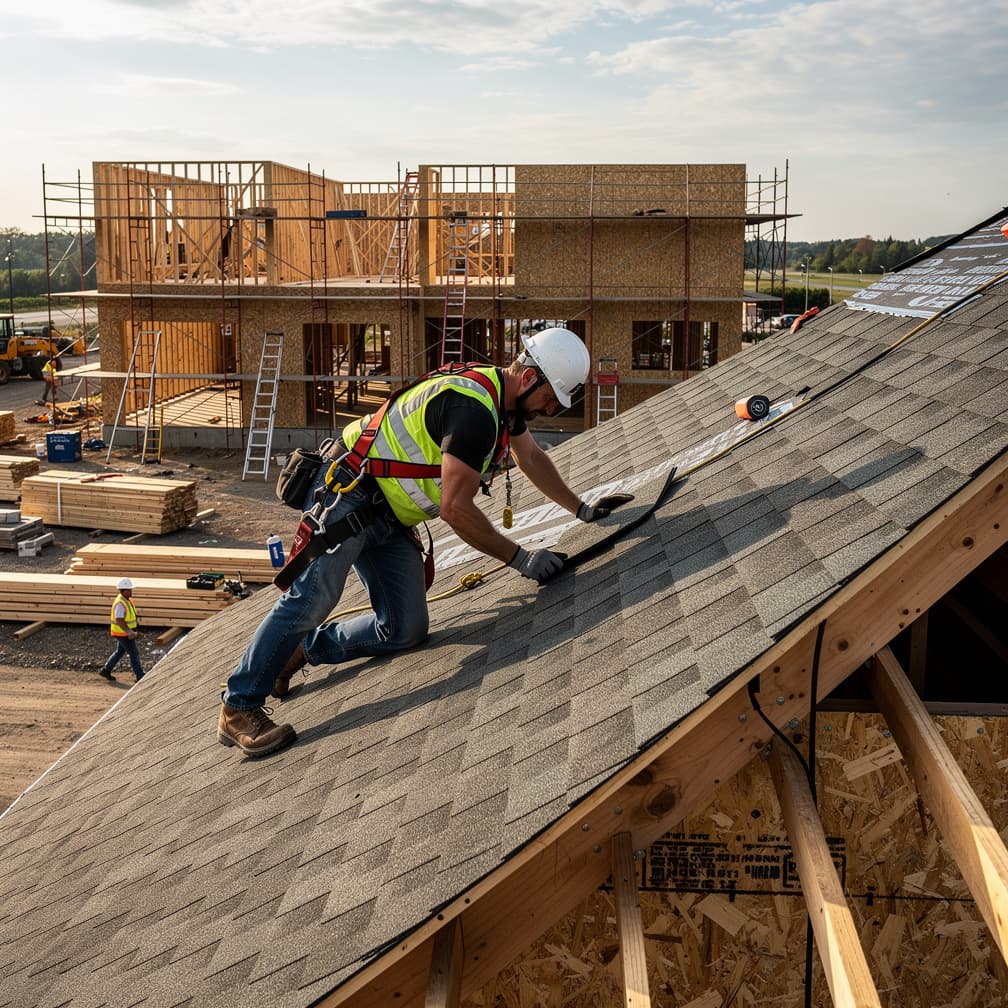
A roofing insurance quote in Utah usually needs to reflect more than just a truck and a ladder. Roofers here work around steep pitches, changing weather, and jobsites that may need proof of coverage before work can begin. In Salt Lake City, Provo, Ogden, St. George, and Logan, carriers may ask about employee count, subcontractor use, vehicles, equipment, and the type of roofs you handle so the quote matches the real operation. Utah’s workers’ compensation rule for businesses with 1 or more employees, the state commercial auto minimums, and lease requirements for general liability proof can all affect what you need to buy and what documents you need ready. Wildfire, earthquake, winter storm, and jobsite exposure can also push attention toward liability, workers comp, commercial auto, inland marine, and umbrella coverage. If you are comparing options, the goal is to line up coverage with your crews, your materials, and the way your roofing business actually runs.
Climate Risk Profile
Natural Disaster Risk in Utah
Understanding climate-related risks helps determine appropriate insurance coverage levels.
Wildfire
High
Earthquake
High
Drought
Moderate
Winter Storm
Moderate
Expected Annual Loss from Natural Hazards
$320M
estimated economic loss per year across Utah
Source: FEMA National Risk Index
Risk Factors for Roofing Businesses in Utah
- Utah wildfire exposure can create third-party claims, property damage, and legal defense costs when roofing work is happening near dry vegetation or wind-driven embers.
- Utah earthquake risk can affect roofing jobsites, stored materials, and mobile property, making coverage limits and umbrella coverage more important for larger projects.
- Utah winter storm conditions can increase slip and fall exposure on ladders, roofs, and access paths, especially on steep residential and commercial jobs.
- Utah jobsite conditions can lead to customer injury and bodily injury claims when tools, debris, or unsecured materials are present near walkways or driveways.
- Utah roofing crews face exposure to property damage and third-party claims if equipment in transit, contractors equipment, or tools are damaged or stolen between jobs.
How Much Does Roofing Insurance Cost in Utah?
Average Cost in Utah
$153 – $614 per month
Average monthly cost for small businesses
* Estimates based on industry averages. Actual premiums depend on your specific business details, claims history, and coverage selections. Rates shown are for informational purposes only and do not constitute a quote.
What Utah Requires for Roofing Insurance
Non-compliance can result in fines, loss of contracts, and personal liability:
- Workers' compensation is required in Utah for businesses with 1 or more employees, with exemptions for sole proprietors, partners, and LLC members.
- Commercial auto minimum liability in Utah is $25,000/$65,000/$15,000, so roofing businesses using trucks, trailers, or hired auto exposure should confirm limits before work starts.
- Utah businesses may need to maintain proof of general liability coverage for most commercial leases, so certificates should be ready for landlords and job-site gate checks.
- Roofing businesses should verify that policy limits and underlying policies are sufficient before adding umbrella coverage, especially when larger jobs require higher liability protection.
- Quote requests in Utah usually need current business details, employee count, vehicle use, subcontractor setup, and equipment lists so the carrier can match coverage to the actual operation.
Get Your Roofing Insurance Quote in Utah
Compare rates from multiple carriers. Free quotes, no obligation.
Common Claims for Roofing Businesses in Utah
A roof tear-off in Salt Lake City sends debris onto a neighboring property, leading to property damage and a liability claim.
A crew member working on a steep roof in Provo slips during winter conditions, triggering workers comp, medical costs, lost wages, and rehabilitation.
A trailer carrying roofing tools between jobs near Ogden is damaged in transit, and the business needs coverage for equipment in transit and mobile property.
Preparing for Your Roofing Insurance Quote in Utah
Your Utah business location, service area, and whether you work in Salt Lake City, Provo, Ogden, St. George, Logan, or nearby communities.
Employee count, subcontractor use, and whether you need workers comp insurance, plus any certificate or lease requirements.
Vehicle details, including trucks, trailers, hired auto, and non-owned auto use, so commercial auto limits can be matched to the operation.
A list of roofing equipment, tools, mobile property, and contractors equipment, along with the types of roofs and jobs you handle.
Coverage Considerations in Utah
- General liability for bodily injury, property damage, customer injury, and legal defense on active Utah jobsites.
- Workers comp insurance for roofing crews, since Utah requires it for businesses with 1 or more employees.
- Commercial auto coverage that meets Utah minimums and addresses hired auto and non-owned auto exposure for jobsite travel.
- Inland marine coverage for roofing equipment, tools, mobile property, and contractors equipment that move across Utah jobs.
What Happens Without Proper Coverage?
Roofing businesses face a mix of job-site exposure, equipment movement, and contract requirements that can make coverage decisions feel urgent. A roofing insurance quote gives you a way to organize those needs before the next bid, permit, or start date. Instead of guessing which policies fit, you can compare roofing insurance requirements against the way your business actually operates.
General liability is often a starting point because roofing work can involve bodily injury, property damage, customer injury, slip and fall claims, third-party claims, legal defense, and settlements. If a ladder, tool, or material creates an issue at a job site, the financial impact can be significant. Workers comp for roofers is another major consideration because roofing crews work at height, handle heavy materials, and face physical demands that can lead to medical costs, lost wages, and rehabilitation needs. In many cases, employers also need to think about employee safety and OSHA-related expectations.
Equipment is another reason roofing business insurance matters. Tools, trailers, and mobile property often travel between sites, sit in trucks, or stay on active properties during the day. Roofing equipment insurance, contractors equipment, and equipment in transit can help you better align coverage with those realities. If your operation uses company vehicles, commercial auto may also be part of the quote so you can address fleet coverage, hired auto, or non-owned auto exposures.
For larger roofing contractors, umbrella coverage can help extend limits above underlying policies when a claim is more serious than expected. That can matter when a client requests higher limits, when a commercial job has stricter contract terms, or when you want a broader policy stack for multiple crews and job sites.
A roofing insurance quote is also useful because it helps you prepare for certificates and contract paperwork. Some property managers, general contractors, and landlords want proof of coverage before work can begin. Having your information ready can make the process smoother and reduce delays when a job is waiting to start.
If you are comparing roofing contractor insurance quote options, focus on the details that shape the policy: payroll, subcontractors, vehicle use, equipment values, job types, and desired limits. That is the information that helps turn a general request into roofing commercial insurance that fits your business.
Recommended Coverage for Roofing Businesses
Based on the risks and requirements above, roofing businesses need these coverage types in Utah:

General Liability Insurance
Essential coverage for every business — protect against third-party bodily injury, property damage, and advertising claims.

Workers Compensation Insurance
Cover your employees' medical expenses and lost wages for work-related injuries and illnesses.

Commercial Auto Insurance
Protect your business vehicles and drivers with comprehensive commercial auto coverage.

Inland Marine Insurance
Protect tools, equipment, and goods in transit or stored at locations away from your primary premises.

Commercial Umbrella Insurance
Extend your liability limits beyond your primary policies for extra protection against catastrophic claims.
Roofing Insurance by City in Utah
Insurance needs and pricing for roofing businesses can vary across Utah. Find coverage information for your city:
Insurance Tips for Roofing Owners
Match general liability limits to the type of roofing contracts you bid on and the certificates clients ask for.
Include workers comp for roofers if you have employees, and confirm how subcontractor arrangements affect your quote.
Add commercial auto if your trucks, trailers, or service vehicles are part of daily operations.
Schedule roofing equipment insurance or inland marine for ladders, nailers, generators, and other mobile property.
Ask whether umbrella coverage can sit above your underlying policies for larger commercial jobs.
Have payroll, vehicle, equipment, and subcontractor details ready so your roofing insurance quote reflects your real operation.
FAQ
Frequently Asked Questions About Roofing Insurance in Utah
A Utah roofing insurance quote can be built around general liability, workers comp, commercial auto, inland marine, and umbrella coverage. For roofers, the quote usually asks about crews, subcontractors, job types, vehicles, and equipment so the policy fits your real operation.
Utah requires workers compensation for businesses with 1 or more employees, unless a stated exemption applies. Utah also has commercial auto minimums of $25,000/$65,000/$15,000, and many commercial leases ask for proof of general liability coverage.
Roofing liability insurance in Utah is often used to address bodily injury, property damage, customer injury, slip and fall claims, and legal defense tied to active jobsites. It is especially relevant when work happens near walkways, vehicles, neighboring property, or occupied buildings.
Yes, many do. Roofing equipment insurance can help address tools, mobile property, contractors equipment, and equipment in transit when gear moves between Utah jobsites or is stored away from the main location.
Have your business address, employee count, subcontractor setup, vehicle list, equipment list, job types, and any lease or certificate requirements ready. That helps the carrier tailor roofing business insurance in Utah to the way you operate.
A roofing insurance quote can be built around general liability, workers comp for roofers, commercial auto, inland marine, and umbrella coverage, depending on how your business operates and what your clients require.
Roofing insurance cost varies based on location, payroll, crew size, job type, vehicle use, equipment values, subcontractors, and the policy limits you request.
Requirements vary, but many customers and job sites ask for proof of liability coverage, workers comp if you have employees, and certificates showing the limits and wording they want before work starts.
Many roofing contractors start with general liability, workers comp, and inland marine or equipment coverage, then add commercial auto or umbrella coverage if the business uses vehicles or needs higher limits.
Yes. A roofing contractor insurance quote can be structured around whether you use employees, subcontractors, or both, as long as you share that setup up front.
Limits and certificate needs vary by contract, landlord, and job site. Some projects ask for specific liability limits, workers comp proof, or umbrella coverage before work can begin.
Compare what each quote includes, the policy limits, whether equipment and vehicles are included, and how the coverage matches your payroll, job types, and subcontractor use.
Have your business details, payroll, subcontractor information, vehicle list, equipment values, job types, and desired limits ready so the quote can be built around your operation.
Updated March 31, 2026
CPK Insurance Editorial Team
Reviewed by Licensed Insurance Agents