






































Updated March 31, 2026

CPK Insurance Editorial Team
Reviewed by Licensed Insurance Agents
Commercial Auto Insurance in Utah
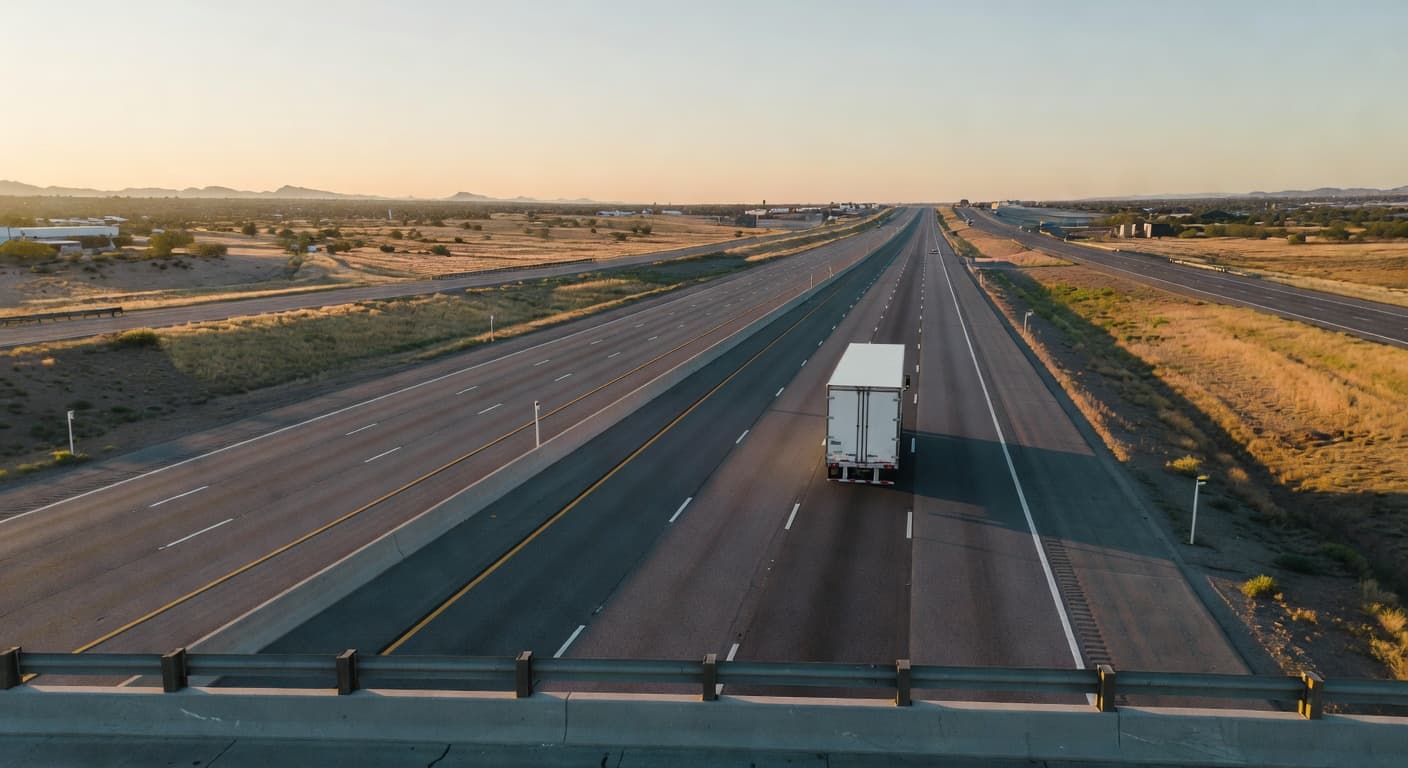
If your business vehicles spend time on I-15, the Wasatch Front, or job sites around Salt Lake City, Utah coverage decisions can change fast with weather, traffic, and state minimums. commercial auto insurance in Utah is built for vehicles used for business, whether that is a single company car, a van making client visits, or a small fleet moving equipment across the state. Utah’s market is active, with 340 insurers competing in 2024 and premiums running below the national average index, but your rate still depends on how far you drive, what you haul, and who is behind the wheel. That matters in a state where winter storms, wildfire seasons, and higher motor-vehicle-theft activity can all affect claims. If your operation runs through Salt Lake City, Provo, Ogden, St. George, or Logan, the right policy structure should reflect local mileage, vehicle type, and the way your business actually uses the road.
What Commercial Auto Insurance Covers
In Utah, commercial auto insurance is designed to respond when a business vehicle is involved in a vehicle accident during covered business use. The core protections in this market are liability, collision, comprehensive, medical payments, and uninsured motorist coverage, with hired auto and non-owned auto coverage available when employees use rental vehicles or personal cars for work errands. Utah’s minimum liability requirement for commercial vehicles is $25,000/$65,000/$15,000, and all commercial vehicles must be registered with the Utah DMV, so your policy and registration should be aligned before the vehicle is put to work. Uninsured/underinsured motorist coverage may be required, which is important in a state where the uninsured driver rate is 8.2%. Collision can help with damage from a crash, while comprehensive is the part that addresses losses tied to theft, weather, and other non-collision events; that matters in Utah’s winter storm and wildfire environment. Coverage can vary by endorsements, vehicle use, and limits, so a company car policy for local sales calls may look different from commercial truck insurance in Utah for a vehicle that travels longer operating radii. Personal auto policies typically do not fill the business-use gap.
Bodily Injury Liability
Covers injuries you cause to others in an accident
Property Damage Liability
Covers damage you cause to others' property
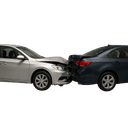
Collision Coverage
Pays for damage to your vehicle in an accident

Comprehensive Coverage
Covers theft, vandalism, weather, and animal damage

Medical Payments
Covers medical costs for your drivers and passengers
Uninsured Motorist
Protection when the other driver lacks insurance
Hired & Non-Owned Auto
Covers rented or employee-owned vehicles used for work
Commercial Auto Insurance Requirements in Utah
- Utah requires minimum liability of $25,000/$65,000/$15,000 for commercial vehicles, so lower limits would not match the state requirement.
- All commercial vehicles must be registered with the Utah DMV before they are used as business vehicles.
- Uninsured/underinsured motorist coverage may be required in Utah, which is especially relevant with an 8.2% uninsured driver rate.
- Hired auto and non-owned auto coverage are important add-ons when employees use rental cars or personal vehicles for business errands.
How Much Does Commercial Auto Insurance Cost in Utah?
Average Cost in Utah
$94 – $298 per month
per vehicle/month
- Fleet size and vehicle types
- Driver records and experience
- Coverage limits and deductibles
- Business industry and use
- Annual mileage and operating radius
- Claims history
Rates based on small business averages. Your actual premium may vary.
National average: $100 – $200 per vehicle/month
* Estimates based on industry averages. Actual premiums depend on your specific business details, claims history, and coverage selections. Rates shown are for informational purposes only and do not constitute a quote.
Utah pricing for business auto insurance in Utah is shaped by both the state market and the way a business operates. Product data shows an average range of $94 to $298 per month per vehicle in Utah, while small-business averages are listed at $100 to $200 per vehicle per month and about $1,200 to $2,400 per vehicle annually. Those ranges are not fixed quotes; they move with fleet size, vehicle types, driver records, coverage limits, deductibles, business industry and use, annual mileage, operating radius, and claims history. Utah’s premium index is 94, which places the state below the national average, but local claim severity still matters because the average auto claim cost is $19,399 and the state recorded 62,000 crashes in 2023. Winter storms, wildfire exposure, and theft risk can also push pricing upward for vehicles parked outdoors or used across wider service areas. Utah’s market has 340 active insurance companies, including State Farm, GEICO, Progressive, Bear River Mutual, and USAA, so quote variation is normal. A fleet auto insurance in Utah account with clean drivers and lower mileage may price differently than commercial truck insurance in Utah with heavier use and broader territory.
| Coverage Type | What It Covers | Typical Limits |
|---|---|---|
| Bodily Injury Liability | Injuries to others in accidents you cause | $500K–$2M |
| Property Damage Liability | Damage to others' property | $100K–$1M |
| Collision | Damage to your vehicle in an accident | Actual cash value |
| Comprehensive | Theft, vandalism, weather, animal damage | Actual cash value |
| Medical Payments | Medical costs for your drivers/passengers | $5K–$25K |
| Uninsured Motorist | Protection when other driver lacks insurance | $500K–$1M |
| Hired & Non-Owned | Rented or employee personal vehicles | Same as liability limits |
Bodily Injury Liability
- What It Covers
- Injuries to others in accidents you cause
- Typical Limits
- $500K–$2M
Property Damage Liability
- What It Covers
- Damage to others' property
- Typical Limits
- $100K–$1M
Collision
- What It Covers
- Damage to your vehicle in an accident
- Typical Limits
- Actual cash value
Comprehensive
- What It Covers
- Theft, vandalism, weather, animal damage
- Typical Limits
- Actual cash value
Medical Payments
- What It Covers
- Medical costs for your drivers/passengers
- Typical Limits
- $5K–$25K
Uninsured Motorist
- What It Covers
- Protection when other driver lacks insurance
- Typical Limits
- $500K–$1M
Hired & Non-Owned
- What It Covers
- Rented or employee personal vehicles
- Typical Limits
- Same as liability limits
Get Your Personalized Quote
Enter your ZIP code to compare commercial auto insurance rates from top carriers.
Business insurance starting at $25/mo
Who Needs Commercial Auto Insurance?
Commercial auto coverage is relevant for Utah businesses that rely on vehicles to make money, move tools, or reach customers. A contractor driving between Salt Lake City, West Valley City, and Ogden needs a policy that reflects business mileage, multiple stops, and the risk of a crash on busy commuter routes. A healthcare or professional-services business with a company car may need company car insurance in Utah if staff drive to client sites, appointments, or satellite offices. Retail and accommodation-and-food businesses that use vans for deliveries or supply runs should look closely at liability, collision, and hired auto options because those vehicles are exposed to frequent stop-and-go use. Utah’s economy is heavily small-business driven, with 92,400 businesses and 99.3% classified as small businesses, so many owners are insuring one or two vehicles rather than a large fleet. Businesses that use personal vehicles for errands, client meetings, or deliveries should also consider non-owned auto coverage. If your vehicles travel beyond local city limits, operate in winter conditions, or regularly carry equipment, commercial vehicle insurance in Utah is usually the right framework. The state’s minimum liability rules and DMV registration requirements also make this coverage important for any vehicle that is formally used in the business.
Commercial Auto Insurance by City in Utah
Commercial Auto Insurance rates and coverage options can vary across Utah. Select your city below for localized information:
How to Buy Commercial Auto Insurance
Start by listing every vehicle that will be used for business, including company cars, vans, pickups, and any rental or employee-owned vehicles that may need hired auto or non-owned auto protection. In Utah, you should confirm the commercial vehicle is registered with the Utah DMV and that the policy meets the state’s $25,000/$65,000/$15,000 liability minimums before the vehicle is actively used. Then compare commercial auto insurance quote in Utah options from carriers active in the state, such as State Farm, GEICO, Progressive, Bear River Mutual, and USAA, because market competition is strong and pricing can differ by vehicle class and use. Be ready to share vehicle identification details, annual mileage, operating radius, driver histories, and whether the vehicle is a company car, fleet unit, or commercial truck. If employees use personal vehicles, ask specifically about hired and non-owned auto coverage, since that endorsement closes a common business-use gap. If your operation has multiple vehicles, ask for fleet auto insurance in Utah pricing and compare deductibles across the entire account rather than vehicle by vehicle. Utah’s 340 insurers and active market mean you can request multiple quotes, but the best comparison is the one that matches the same limits, deductibles, and endorsements across each proposal.
How to Save on Commercial Auto Insurance
The most practical way to manage commercial auto insurance cost in Utah is to control the factors that underwriters already use: fleet size, vehicle mix, driver records, mileage, operating radius, and claims history. Businesses with clean driving records and fewer annual miles usually present a different risk profile than high-mileage delivery or construction accounts. If your vehicles stay within a tighter service area around places like Salt Lake City, Provo, Ogden, or St. George, make sure your mileage estimates are accurate so you are not paying for broader use than you actually have. Higher deductibles can lower monthly cost, but only choose them if your business can absorb the out-of-pocket amount after a collision or comprehensive claim. Utah businesses can also compare company car insurance in Utah and fleet auto insurance in Utah from multiple carriers because the state has 340 active insurers, which creates room for quote shopping. Ask about telematics, GPS tracking, and dash cameras, since the product data notes that monitoring driving behavior can earn discounts. Bundling also matters: the product FAQ says multi-policy discounts can reduce premiums by 10-20% when commercial auto is placed with other business policies through the same carrier. Finally, shop annually, because a policy that fit last year’s routes may not fit this year’s vehicle use or driver roster.
Our Recommendation for Utah
For Utah buyers, the smartest starting point is to match the policy to how the vehicle is actually used, not just how it is titled. If the vehicle crosses county lines, carries tools, or is driven by more than one employee, build the quote around real business use and ask for the right endorsements up front. In a state with 62,000 crashes in 2023, an uninsured driver rate of 8.2%, and frequent winter-weather exposure, liability alone is usually only the first layer to review. I would compare at least three carriers active in Utah and keep the same limits, deductibles, and vehicle list on every quote so you can see true differences. If employees ever use personal cars for errands or client visits, ask about non-owned auto before you bind coverage. For businesses with more than one vehicle, request both individual and fleet pricing so you can see which structure fits the operation best.
FAQ
Frequently Asked Questions
In Utah, it can include liability, collision, comprehensive, medical payments, and uninsured motorist protection, with hired auto and non-owned auto available when your business uses rentals or employee-owned vehicles for work.
Utah requires commercial vehicles to carry at least $25,000/$65,000/$15,000 in liability coverage and to be registered with the Utah DMV; uninsured/underinsured motorist coverage may also be required.
Product data shows an average range of $94 to $298 per month per vehicle in Utah, while small-business averages are about $1,200 to $2,400 per vehicle annually, depending on vehicles, drivers, mileage, and coverage choices.
Any business that uses a car, van, pickup, or truck for client visits, deliveries, job-site travel, or other work-related driving should review company car insurance in Utah rather than relying on a personal auto policy.
Hired auto coverage can extend protection to vehicles your business rents or leases, while non-owned auto coverage can help when employees use personal vehicles for business errands, meetings, or deliveries.
The biggest factors are fleet size, vehicle type, driver records, limits and deductibles, business use, annual mileage, operating radius, and claims history.
Yes, and it is worth comparing fleet pricing if you have more than one business vehicle, because the quote may look different from insuring each unit separately.
You can often improve pricing by keeping clean driver records, using telematics or dash cameras, choosing a deductible you can afford, and comparing multiple Utah carriers on the same coverage terms.
Commercial auto insurance covers liability for bodily injury and property damage, collision damage to your vehicles, comprehensive coverage for theft and weather damage, medical payments, and uninsured/underinsured motorist protection. It also covers hired and non-owned vehicles with the right endorsements.
Most small businesses pay between $1,200 and $2,400 per vehicle annually. Costs vary based on fleet size, vehicle types, driver records, coverage limits, industry, and location. Delivery and construction fleets pay more than office-based businesses.
Yes. Personal auto policies typically exclude or severely limit coverage for business use. If you drive to client sites, make deliveries, or transport materials for work, you need either a commercial auto policy or hired and non-owned auto coverage to close the gap.
Hired and non-owned auto coverage extends your commercial auto policy to vehicles your business rents or that employees use for work purposes. This is critical for businesses where employees drive their personal vehicles for company errands, client meetings, or deliveries.
Yes. Bundling commercial auto with general liability, commercial property, and workers compensation through the same carrier typically saves 10-20% on premiums through multi-policy discounts. An independent agent can help you find the best bundle pricing.
Implement a fleet safety program, install GPS tracking and dash cameras, maintain clean driver records, choose higher deductibles, bundle with other policies, and shop your coverage annually. Telematics devices that monitor driving behavior can also earn significant discounts.
Commercial auto insurance offers higher liability limits, covers multiple drivers under one policy, includes vehicles used for business purposes, and provides coverage for cargo and equipment. Personal auto policies are designed for individual use and typically exclude business activities.
With hired auto coverage added to your policy, yes. This endorsement covers vehicles your business rents or leases on a short-term basis. Without it, rental car damage during business use may not be covered by either your commercial or personal auto policy.
Updated March 31, 2026
CPK Insurance Editorial Team
Reviewed by Licensed Insurance Agents