







































Updated March 31, 2026

CPK Insurance Editorial Team
Reviewed by Licensed Insurance Agent
Homeowners Insurance in Oregon
Buying homeowners insurance in Oregon means planning for a market shaped by wildfire exposure, earthquake risk, and a regulatory environment overseen by the Oregon Division of Financial Regulation. The state’s premium index sits at 104, so pricing is close to the national average, but your final rate still depends on the home itself, the neighborhood, and the coverages you choose. For many owners, homeowners insurance in Oregon is also tied to a mortgage lender’s requirement, even though the state does not legally require a policy for every owner-occupied home. That makes it important to match your dwelling coverage to local reconstruction costs, not just the purchase price, especially with Oregon’s reconstruction cost index at 108 and median home value at $468,000. If you live near wildfire-prone areas, coastal storm exposure, or slopes where landslides can happen, your policy review should be more than a quick price check. A good Oregon quote should reflect how your home, contents, liability, and living-expense protection fit the risks where you actually live.
What Homeowners Insurance Covers
In Oregon, homeowners insurance coverage usually centers on dwelling protection, personal property coverage, liability coverage, additional living expenses coverage, other structures coverage, and medical payments coverage. The core policy is still a private contract, but it is regulated by the Oregon Division of Financial Regulation, so policy wording and claims handling are subject to state oversight rather than a one-size-fits-all national approach. Standard policies generally protect against fire, windstorms, theft, and vandalism, which matters in a state with a very high wildfire hazard rating and a property crime rate of 3,050 in 2023. What is not included is just as important: standard homeowners policies exclude flood damage, so Oregon owners who face flash-flood or mudslide exposure need a separate flood policy through NFIP or a private flood insurer. Earthquake coverage also requires a separate policy or endorsement in Oregon, which is relevant because the state has a high earthquake risk rating. Dwelling coverage in Oregon should be based on rebuilding costs, not market value, because median home value and reconstruction cost are not the same number. Other structures coverage can matter for detached garages, sheds, or fences, while additional living expenses coverage helps if a covered loss forces you out during repairs. Personal property coverage should be reviewed carefully if you own higher-value belongings, because replacement needs vary by household and location.

Dwelling
Protection for dwelling-related losses and claims

Personal Property
Protection for personal property-related losses and claims

Liability
Protection for liability-related losses and claims

Additional Living Expenses
Protection for additional living expenses-related losses and claims
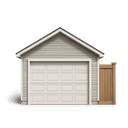
Other Structures
Protection for other structures-related losses and claims

Medical Payments
Protection for medical payments-related losses and claims
Homeowners Insurance Requirements in Oregon
- Homeowners insurance is not legally required in Oregon, but mortgage lenders commonly require it before closing.
- Standard policies exclude flood damage in Oregon, so flood insurance must be purchased separately through NFIP or a private flood insurer.
- Earthquake coverage is not included automatically in Oregon and must be added by separate policy or endorsement.
- The Oregon Division of Financial Regulation oversees the market, so consumers can verify regulatory resources and insurer licensing there.
How Much Does Homeowners Insurance Cost in Oregon?
Average Cost in Oregon
$87 – $390 per month
per month
- Home replacement cost and age
- Claims history
- Location and weather risk
- Roof type and condition
- Coverage limits and deductibles
Contact CPK Insurance for a personalized quote.
National average: $100 – $250 per month
* Estimates based on industry averages. Actual premiums depend on your specific business details, claims history, and coverage selections. Rates shown are for informational purposes only and do not constitute a quote.
Homeowners insurance cost in Oregon is shaped by both state-wide market conditions and the details of the home. The average premium in the state is $90 per month, compared with a national average of $165, while the typical monthly range shown in the product data is $87 to $390 per month. Oregon’s premium index is 104, which signals pricing that is close to national norms rather than sharply above or below them. The biggest local cost drivers are coverage limits and deductibles, claims history, location, and policy endorsements. Location matters because Oregon’s risk profile includes very high wildfire exposure, high earthquake exposure, moderate flooding risk, and moderate landslide risk. A home in a higher-risk area can see a different quote than a similar home elsewhere in the state, especially if the property is near forested land, steep terrain, or water. Construction costs also matter: Oregon’s reconstruction cost index is 108, and local labor and materials can push dwelling coverage needs higher than owners expect. Age and condition of the dwelling have a high impact on pricing, while security and safety features have a low impact according to the state dwelling-cost data. Oregon also has 380 active insurance companies competing for business, which gives shoppers options, but not identical pricing. Because the state is regulated and competitive, the most useful comparison is a personalized homeowners insurance quote that reflects your home’s rebuild cost, deductible choice, and any endorsements you need.
| Coverage Part | What It Protects | Typical Limit |
|---|---|---|
| Dwelling (A) | Home structure, attached structures | Full replacement cost |
| Other Structures (B) | Fences, sheds, detached garage | 10% of dwelling |
| Personal Property (C) | Furniture, electronics, clothing, belongings | 50-70% of dwelling |
| Loss of Use (D) | Temporary living expenses if displaced | 20% of dwelling |
| Personal Liability (E) | Lawsuits from injuries on your property | $100K–$500K |
| Medical Payments (F) | Guest injury medical bills (no-fault) | $1K–$5K per person |
Dwelling (A)
- What It Protects
- Home structure, attached structures
- Typical Limit
- Full replacement cost
Other Structures (B)
- What It Protects
- Fences, sheds, detached garage
- Typical Limit
- 10% of dwelling
Personal Property (C)
- What It Protects
- Furniture, electronics, clothing, belongings
- Typical Limit
- 50-70% of dwelling
Loss of Use (D)
- What It Protects
- Temporary living expenses if displaced
- Typical Limit
- 20% of dwelling
Personal Liability (E)
- What It Protects
- Lawsuits from injuries on your property
- Typical Limit
- $100K–$500K
Medical Payments (F)
- What It Protects
- Guest injury medical bills (no-fault)
- Typical Limit
- $1K–$5K per person
Get Your Personalized Quote
Enter your ZIP code to compare homeowners insurance rates from top carriers.
Homeowners insurance starting at $50/mo
Who Needs Homeowners Insurance?
Homeowners insurance requirements in Oregon are different from legal ownership rules: the state does not require every homeowner to carry a policy, but mortgage lenders usually do. That means first-time buyers in Salem, Portland, Eugene, Bend, Medford, or coastal communities often need proof of coverage before closing if there is a loan involved. Owners with homes in wildfire-prone areas should pay special attention to dwelling coverage and additional living expenses coverage because a covered loss can lead to extended repairs and temporary relocation. People in flood-prone or low-lying areas need to understand that standard homeowners insurance coverage in Oregon excludes flood damage, so those households should think separately about flood protection. Owners in earthquake-exposed areas also need to know that earthquake coverage is not included automatically and must be added through a separate policy or endorsement. Oregon’s economy has 118,400 businesses, and 99.4% are small businesses, so many households are tied to local income that depends on stable housing and financial continuity. That makes liability coverage and personal property coverage especially important for families protecting savings, furniture, electronics, and everyday belongings. Homeowners with detached structures, rental rooms, or upgraded improvements should also review other structures coverage and dwelling coverage carefully. Even owners who have paid off their mortgage may still want coverage because the financial risk of fire, theft, wind, or a liability claim can be significant. In short, Oregon homeowners, recent buyers, long-term owners, and households in hazard-exposed areas all have reasons to review the policy, not just the price.
Homeowners Insurance by City in Oregon
Homeowners Insurance rates and coverage options can vary across Oregon. Select your city below for localized information:
How to Buy Homeowners Insurance
To buy homeowners insurance in Oregon, start by confirming what your lender requires, then gather the facts an insurer will use to build a homeowners insurance quote in Oregon. You will usually need the home’s address, year built, square footage, roof age, construction type, and details about safety features, because dwelling age and condition have a high impact on cost. Since Oregon is regulated by the Oregon Division of Financial Regulation, you can also verify the insurer or agency through the state regulator if you want to check licensing or consumer resources. Oregon’s market includes 380 active insurance companies, with major carriers such as State Farm, GEICO, Farmers, and Progressive among the top names in the state data, so it makes sense to compare more than one quote. Ask each carrier how it handles wildfire exposure, earthquake endorsements, flood exclusions, and additional living expenses coverage, because those items can change the value of the policy even when the premium looks similar. If your home is in an area with wildfire, flood, or landslide exposure, ask whether the quote assumes any special mitigation steps or endorsements. Before binding, review dwelling coverage, personal property coverage, liability coverage, and other structures coverage side by side so you know what each limit actually buys. In Oregon, a strong buying process is less about finding a generic policy and more about matching the policy to the home’s rebuild cost, local hazard profile, and lender requirements.
How to Save on Homeowners Insurance
To reduce homeowners insurance cost in Oregon without guessing at coverage, focus on the factors the state data shows matter most. Start with the deductible, because coverage limits and deductibles are one of the biggest pricing levers. Then make sure dwelling coverage is set from the rebuild cost, not the market value, so you are not paying for the wrong amount of protection. Since Oregon has a premium index of 104 and 380 competing insurers, shopping a few carriers can reveal meaningful differences in how they price the same home. Ask about policy endorsements only when they solve a real gap, because extra features can raise cost even if they add useful protection. Home security and safety features have a low impact on pricing in the Oregon dwelling-cost data, but they can still support a cleaner underwriting review and better home protection overall. If you own a home in a wildfire, flood, or landslide area, compare how each insurer treats the location rather than assuming every quote is built the same way. You can also review whether your personal property coverage is higher than you need, especially if your belongings are modest relative to the dwelling limit. Bundling may be useful if it is available through the same carrier, but the policy should still be judged on Oregon-specific coverages first. The most practical savings strategy is a balanced one: right-size the limits, choose a deductible you can afford, and compare multiple Oregon quotes before you bind coverage.
Our Recommendation for Oregon
For Oregon buyers, the safest approach is to treat homeowners insurance as a rebuild-and-recovery plan, not just a lender checkbox. Start with dwelling coverage that matches current reconstruction costs, then add personal property coverage, liability coverage, and additional living expenses coverage that fit how your household actually lives. If you are in a wildfire-prone area, ask how the carrier evaluates mitigation and claims handling. If you are near flood-prone ground or slopes, remember that flood and earthquake protection are separate decisions in Oregon. Because the state has a competitive market and a regulated framework, the best quote is usually the one that clearly explains what is included, what is excluded, and how your limits were set.
FAQ
Frequently Asked Questions
In Oregon, a standard policy usually covers dwelling damage, personal property, liability, additional living expenses, other structures, and medical payments, but the exact wording depends on the policy. It commonly protects against fire, windstorms, theft, and vandalism, which is important in a state with very high wildfire risk and elevated property crime.
The state data shows an average of about $90 per month, while the broader monthly range in the product data is $87 to $390. Your quote can move up or down based on your home’s rebuild cost, deductible, location, claims history, and any endorsements.
Mortgage lenders usually require proof of homeowners insurance before closing, even though Oregon does not legally require every owner to carry a policy. Lenders typically want enough dwelling coverage to protect the loaned property, but the exact requirement varies by lender.
You are not legally required to carry it if there is no mortgage, but many owners still choose coverage because Oregon homes face wildfire, earthquake, theft, and wind-related risks. Without a lender requirement, the decision becomes a personal financial protection choice.
Dwelling coverage protects the structure itself, personal property coverage helps replace belongings, and liability coverage helps if someone is injured on your property. In Oregon, that combination matters because a single loss can involve rebuilding costs, temporary housing, and legal responsibility.
Your quote is shaped by coverage limits, deductibles, claims history, location, and policy endorsements. In Oregon, wildfire exposure, earthquake risk, reconstruction costs, and the age and condition of the dwelling can also influence pricing.
Gather your home’s address, year built, square footage, roof age, and any safety features, then compare quotes from multiple carriers licensed in Oregon. It also helps to ask how each insurer handles wildfire exposure, flood exclusions, and earthquake endorsements.
Choose dwelling coverage based on what it would cost to rebuild your home at current construction prices, not the market value. Then set a deductible you can handle after a loss, and review whether your personal property, liability, and additional living expenses limits match your household’s needs.
Homeowners insurance covers four main areas: dwelling coverage for your home's structure, personal property coverage for your belongings, liability coverage if someone is injured on your property, and additional living expenses if you need to live elsewhere while your home is repaired. It protects against perils like fire, windstorms, hail, theft, and vandalism.
You should carry enough dwelling coverage to rebuild your home at current construction costs, not just the purchase price or market value. Personal property coverage typically starts at 50-70% of your dwelling coverage. Liability coverage of at least $300,000 is recommended, with an umbrella policy for additional protection. CPK Insurance can help you calculate the right coverage levels.
No. Standard homeowners insurance does not cover flood damage. You need a separate flood insurance policy, which can be obtained through the National Flood Insurance Program (NFIP) or private flood insurers. Even if you are not in a high-risk flood zone, flood coverage is worth considering since over 20% of flood claims occur in low-to-moderate risk areas.
Most homeowners insurance policies can be quoted and bound within 24-48 hours for standard risks. An independent agent like CPK Insurance can compare options from multiple carriers and have your policy in place quickly. Certificates of insurance are typically available the same day the policy is bound.
Yes. Bundling homeowners with auto insurance typically saves 15-25% through multi-policy discounts. Many carriers also offer discounts for adding umbrella liability coverage. An independent agent can help you find the best bundle pricing across multiple carriers.
Key factors include your home's replacement cost, age and condition, roof type and age, proximity to fire stations and hydrants, local weather risks (hurricanes, hail, wildfires), your claims history, credit-based insurance score, deductible choices, and coverage limits. Homes in high-risk areas or with older roofs pay significantly more.
Homeowners insurance typically covers sudden water damage like burst pipes or appliance leaks, but does not cover gradual leaks, sewer backups (without an endorsement), or flood damage. Flood insurance must be purchased separately through the NFIP or a private insurer. Ask your agent about water backup endorsements for additional protection.
Contact your insurance carrier's claims department immediately, most have 24/7 claims hotlines. Document the incident thoroughly with photos, written descriptions, and witness information. Notify your insurance agent as well. Prompt reporting is important, as delays can complicate or jeopardize your claim.
Updated March 31, 2026
CPK Insurance Editorial Team
Reviewed by Licensed Insurance Agent