







































Updated March 31, 2026

CPK Insurance Editorial Team
Reviewed by Licensed Insurance Agent
What Homeowners Insurance Covers
Homeowners insurance is a comprehensive policy that protects your home, belongings, and personal liability in a single package. Understanding the six main coverage areas helps you ensure your home and family are properly protected.
Dwelling coverage (Coverage A) is the foundation of your homeowners policy. It pays to repair or rebuild your home's structure, walls, roof, floors, built-in appliances, and attached structures like garages, when damaged by covered perils including fire, windstorm, hail, lightning, explosion, and vandalism. Your dwelling limit should equal the full replacement cost of your home, not its market value or mortgage balance.
Other structures coverage (Coverage B) protects detached structures on your property such as fences, sheds, detached garages, gazebos, and guest houses. This is typically set at 10% of your dwelling coverage amount.
Personal property coverage (Coverage C) protects your belongings, furniture, clothing, electronics, appliances, and other personal items, against covered perils. Standard policies cover belongings at actual cash value (replacement cost minus depreciation), but upgrading to replacement cost coverage is strongly recommended. Special limits apply to high-value items like jewelry, art, firearms, and collectibles.
Loss of use coverage (Coverage D) pays additional living expenses if a covered event makes your home uninhabitable. Hotel stays, restaurant meals, temporary rentals, and other expenses above your normal living costs are covered while your home is being repaired or rebuilt.
Personal liability coverage (Coverage E) protects you against lawsuits when someone is injured on your property or you accidentally damage someone else's property. Standard limits of $100,000 are often insufficient, most insurance professionals recommend at least $300,000 to $500,000.
Medical payments coverage (Coverage F) pays small medical bills for guests injured on your property regardless of fault, typically $1,000 to $5,000 per person. This handles minor incidents without a formal liability claim.
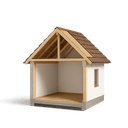
Dwelling
Protection for dwelling-related losses and claims

Personal Property
Protection for personal property-related losses and claims

Liability
Protection for liability-related losses and claims

Additional Living Expenses
Protection for additional living expenses-related losses and claims
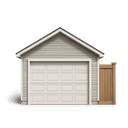
Other Structures
Protection for other structures-related losses and claims

Medical Payments
Protection for medical payments-related losses and claims
How Much Does Homeowners Insurance Cost?
Average Cost
$100 – $250
per month
- Home replacement cost and age
- Claims history
- Location and weather risk
- Roof type and condition
- Coverage limits and deductibles
Contact CPK Insurance for a personalized quote.
* Estimates based on industry averages. Actual premiums depend on your specific business details, claims history, and coverage selections. Rates shown are for informational purposes only and do not constitute a quote.
Homeowners insurance costs vary widely based on your home's characteristics, location, and the coverage you choose. The national average is approximately $1,800 to $2,400 annually, but your actual cost can range from under $1,000 to over $5,000 depending on your circumstances.
Your home's replacement cost is the primary factor. Larger homes, newer homes, and homes with premium finishes and materials cost more to insure because they cost more to rebuild. A 3,000-square-foot home with granite countertops and hardwood floors costs more than a 1,500-square-foot home with standard finishes.
Location dramatically affects pricing through several factors. Homes in hurricane, tornado, wildfire, or hail-prone areas cost more due to weather risk. Your proximity to a fire station and fire hydrant affects your fire protection class. Local crime rates influence theft and vandalism rates. State insurance regulations and legal environments affect overall pricing, Florida, Louisiana, and Texas tend to be the most expensive states.
Your deductible choice directly impacts your premium. Standard deductibles range from $500 to $2,500 for non-weather events. Wind and hail deductibles in storm-prone areas are often percentage-based (1-5% of dwelling coverage). Higher deductibles lower your premium but increase out-of-pocket costs per claim.
Your claims history and credit-based insurance score (in states where permitted) significantly affect pricing. Homeowners with no claims in the past five years and strong credit profiles receive the best rates. Recent claims, especially water damage and liability claims, can increase premiums by 20-40%.
Discounts are widely available for bundling with auto insurance (15-25% savings), security systems, smoke detectors, impact-resistant roofing, new construction, and claims-free history.
| Coverage Part | What It Protects | Typical Limit |
|---|---|---|
| Dwelling (A) | Home structure, attached structures | Full replacement cost |
| Other Structures (B) | Fences, sheds, detached garage | 10% of dwelling |
| Personal Property (C) | Furniture, electronics, clothing, belongings | 50-70% of dwelling |
| Loss of Use (D) | Temporary living expenses if displaced | 20% of dwelling |
| Personal Liability (E) | Lawsuits from injuries on your property | $100K–$500K |
| Medical Payments (F) | Guest injury medical bills (no-fault) | $1K–$5K per person |
Dwelling (A)
- What It Protects
- Home structure, attached structures
- Typical Limit
- Full replacement cost
Other Structures (B)
- What It Protects
- Fences, sheds, detached garage
- Typical Limit
- 10% of dwelling
Personal Property (C)
- What It Protects
- Furniture, electronics, clothing, belongings
- Typical Limit
- 50-70% of dwelling
Loss of Use (D)
- What It Protects
- Temporary living expenses if displaced
- Typical Limit
- 20% of dwelling
Personal Liability (E)
- What It Protects
- Lawsuits from injuries on your property
- Typical Limit
- $100K–$500K
Medical Payments (F)
- What It Protects
- Guest injury medical bills (no-fault)
- Typical Limit
- $1K–$5K per person
Get Your Personalized Quote
Enter your ZIP code to compare homeowners insurance rates from top carriers.
Homeowners insurance starting at $50/mo
Who Needs Homeowners Insurance?
Every homeowner needs homeowners insurance. While it's not legally required in any state, it's practically mandatory, mortgage lenders universally require homeowners insurance as a condition of the loan, and going without coverage when you own a home is an enormous financial risk.
First-time homebuyers need to understand that homeowners insurance is separate from your mortgage payment, though it's often bundled into your monthly escrow payment. Your lender will require proof of coverage before closing, with the lender listed as an additional interest on the policy.
Homeowners who have paid off their mortgage still need coverage. Without a lender requiring it, some homeowners let coverage lapse, a dangerous decision. Your home is likely your largest asset. A fire, severe storm, or liability lawsuit could destroy your financial security overnight without insurance to respond.
Landlords need a different type of policy, a dwelling fire or landlord policy, rather than standard homeowners insurance, which is designed for owner-occupied properties. Landlord policies cover the structure and liability but not the tenant's belongings (tenants need renter's insurance for that).
Condo owners need an HO-6 policy (condo insurance) that covers their unit's interior, personal belongings, and personal liability. The condo association's master policy covers the building structure and common areas.
Homeowners in flood zones need separate flood insurance in addition to their homeowners policy, as standard homeowners insurance specifically excludes flood damage. Similarly, earthquake coverage requires a separate policy or endorsement in most states.
How to Buy Homeowners Insurance
Purchasing homeowners insurance is one of the most important financial decisions you'll make as a homeowner. Start well before your closing date if you're buying a home, lenders require proof of coverage before finalizing your mortgage.
Determine your dwelling coverage amount based on replacement cost, not market value. Replacement cost is what it would cost to rebuild your home from the ground up at current construction costs. This may be higher or lower than your home's market value or purchase price. An insurance agent or appraiser can help determine accurate replacement cost.
Inventory your personal belongings and estimate their total value. Most policies set personal property coverage at 50-70% of your dwelling amount, but you may need to increase this if you have above-average belongings. Create a detailed home inventory with photos or video for claims purposes.
Choose your deductible based on your risk tolerance and savings. A higher deductible ($2,500 vs. $1,000) can save 10-20% on premiums but means more out-of-pocket cost per claim. Most financial advisors recommend the highest deductible you can comfortably afford.
Work with an independent insurance agent who represents multiple carriers. Homeowners rates vary dramatically between companies, the same home can be $1,500/year with one carrier and $3,000 with another. An independent agent shops your coverage across many options to find the best value.
Review your policy annually. Home values change, you acquire new belongings, and your needs evolve. An annual review ensures your coverage keeps pace with your life.
How to Save on Homeowners Insurance
Bundling homeowners insurance with auto insurance is the single most effective savings strategy, typically reducing your combined premiums by 15-25%. Most carriers offer multi-policy discounts, and managing your insurance through one company simplifies your life.
Increase your deductible. Moving from a $1,000 to a $2,500 deductible can save 10-20% annually. If you can comfortably cover a $2,500 out-of-pocket expense, the premium savings add up significantly over time.
Improve your home's resistance to damage. A new roof, especially one with impact-resistant shingles, can save 10-25% in hail-prone areas. Storm shutters, reinforced garage doors, and hurricane clips earn wind mitigation credits in coastal states. Security systems and monitored fire alarms earn additional discounts.
Maintain a claims-free history. Avoid filing small claims that are barely above your deductible, the premium increase from a claim often exceeds the claim payment over three to five years. Reserve your insurance for significant losses.
Improve your credit score. In most states, credit-based insurance scores significantly affect homeowners rates. Better credit correlates with fewer claims, so improving your credit score can lower your premium substantially.
Ask about all available discounts. New home discounts, loyalty discounts for long-term customers, paperless billing discounts, pay-in-full discounts, retirement discounts, and membership discounts through professional organizations or alumni associations can each save 2-10%.
Shop your coverage every two to three years. Homeowners insurance markets shift, and the most competitive carrier changes over time. An independent agent makes this easy by re-shopping your coverage across multiple carriers.
FAQ
Frequently Asked Questions
Homeowners insurance covers four main areas: dwelling coverage for your home's structure, personal property coverage for your belongings, liability coverage if someone is injured on your property, and additional living expenses if you need to live elsewhere while your home is repaired. It protects against perils like fire, windstorms, hail, theft, and vandalism.
You should carry enough dwelling coverage to rebuild your home at current construction costs, not just the purchase price or market value. Personal property coverage typically starts at 50-70% of your dwelling coverage. Liability coverage of at least $300,000 is recommended, with an umbrella policy for additional protection. CPK Insurance can help you calculate the right coverage levels.
No. Standard homeowners insurance does not cover flood damage. You need a separate flood insurance policy, which can be obtained through the National Flood Insurance Program (NFIP) or private flood insurers. Even if you are not in a high-risk flood zone, flood coverage is worth considering since over 20% of flood claims occur in low-to-moderate risk areas.
Most homeowners insurance policies can be quoted and bound within 24-48 hours for standard risks. An independent agent like CPK Insurance can compare options from multiple carriers and have your policy in place quickly. Certificates of insurance are typically available the same day the policy is bound.
Yes. Bundling homeowners with auto insurance typically saves 15-25% through multi-policy discounts. Many carriers also offer discounts for adding umbrella liability coverage. An independent agent can help you find the best bundle pricing across multiple carriers.
Key factors include your home's replacement cost, age and condition, roof type and age, proximity to fire stations and hydrants, local weather risks (hurricanes, hail, wildfires), your claims history, credit-based insurance score, deductible choices, and coverage limits. Homes in high-risk areas or with older roofs pay significantly more.
Homeowners insurance typically covers sudden water damage like burst pipes or appliance leaks, but does not cover gradual leaks, sewer backups (without an endorsement), or flood damage. Flood insurance must be purchased separately through the NFIP or a private insurer. Ask your agent about water backup endorsements for additional protection.
Contact your insurance carrier's claims department immediately, most have 24/7 claims hotlines. Document the incident thoroughly with photos, written descriptions, and witness information. Notify your insurance agent as well. Prompt reporting is important, as delays can complicate or jeopardize your claim.
Updated March 31, 2026
CPK Insurance Editorial Team
Reviewed by Licensed Insurance Agent