Overview: Two Different Types of Auto Insurance
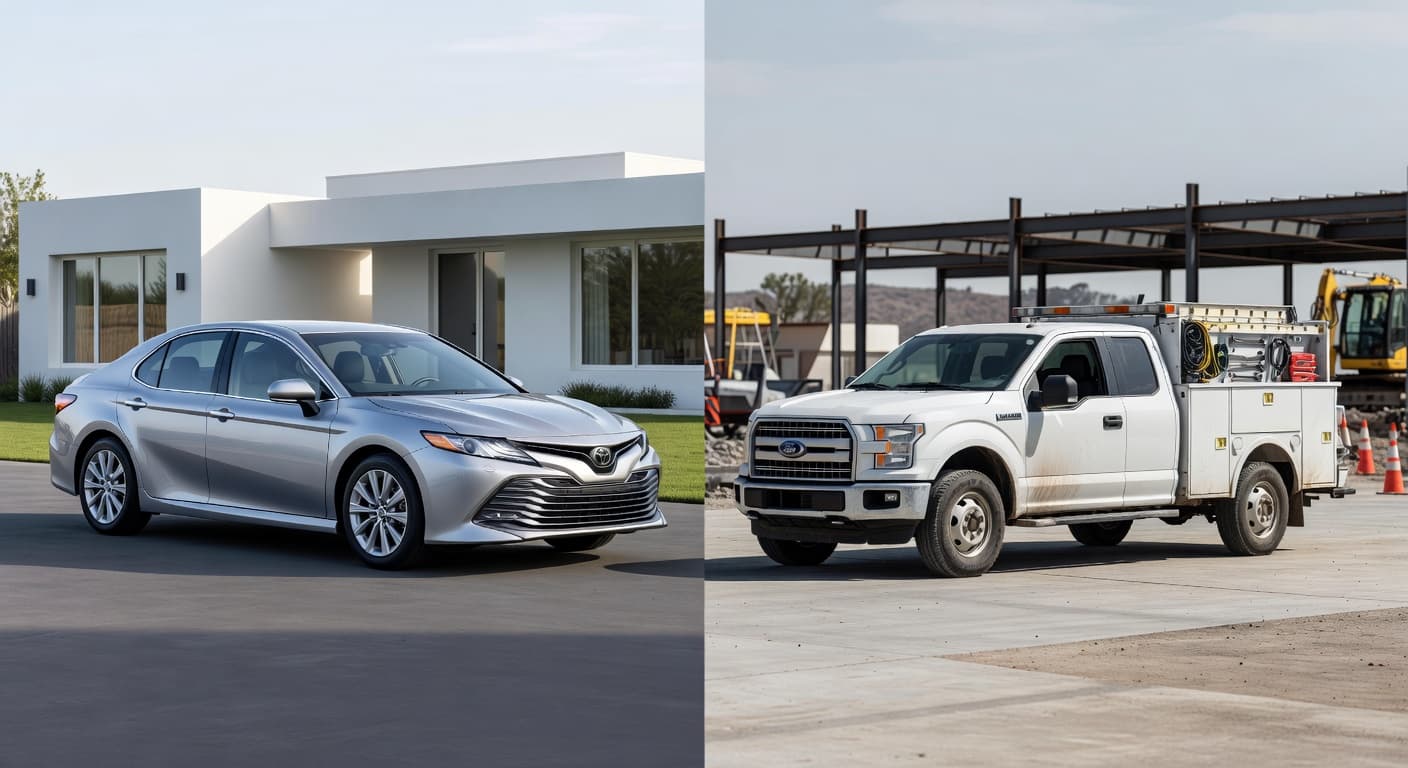
Auto insurance might seem like a straightforward product, but there is a critical distinction between personal and commercial auto policies that every business owner needs to understand. Personal auto insurance is designed to cover vehicles owned by individuals and used primarily for personal activities such as commuting, errands, and recreation. Commercial auto insurance is designed for vehicles owned by a business or used primarily for business purposes.
The distinction matters because using the wrong type of policy can leave you without coverage when you need it most. Personal auto policies contain exclusions for business use that can result in denied claims if you are involved in an accident while using your vehicle for commercial purposes. This does not mean that every business use of a personal vehicle requires a commercial policy, but the line between personal and commercial use is not always clear, and the consequences of getting it wrong can be financially devastating.
Many business owners, particularly those running small or home-based businesses, assume their personal auto policy will cover them while driving for work. In some limited cases, this may be true. However, as soon as your vehicle use goes beyond what a personal policy considers incidental business use, you need commercial coverage. Understanding where that line falls and making sure you have the right policy in place is essential for protecting both your personal and business assets. CPK Insurance specializes in helping business owners evaluate their auto insurance needs and find the right coverage.
Coverage Differences
While commercial and personal auto policies share the same basic structure of liability, collision, and comprehensive coverage, there are meaningful differences in how that coverage is structured and what it protects.
Commercial auto policies typically offer higher liability limits than personal policies. While personal auto coverage commonly maxes out at $500,000 or less in combined single limit liability, commercial policies routinely offer limits of $1 million or more. This is important because accidents involving commercial vehicles, especially larger ones, tend to result in more severe injuries and larger damage claims.
Commercial policies can cover multiple drivers under the same policy without naming each one individually. This is essential for businesses where different employees may drive the same vehicle. A personal policy requires each regular driver to be listed by name, and claims can be denied if an unlisted driver is behind the wheel.
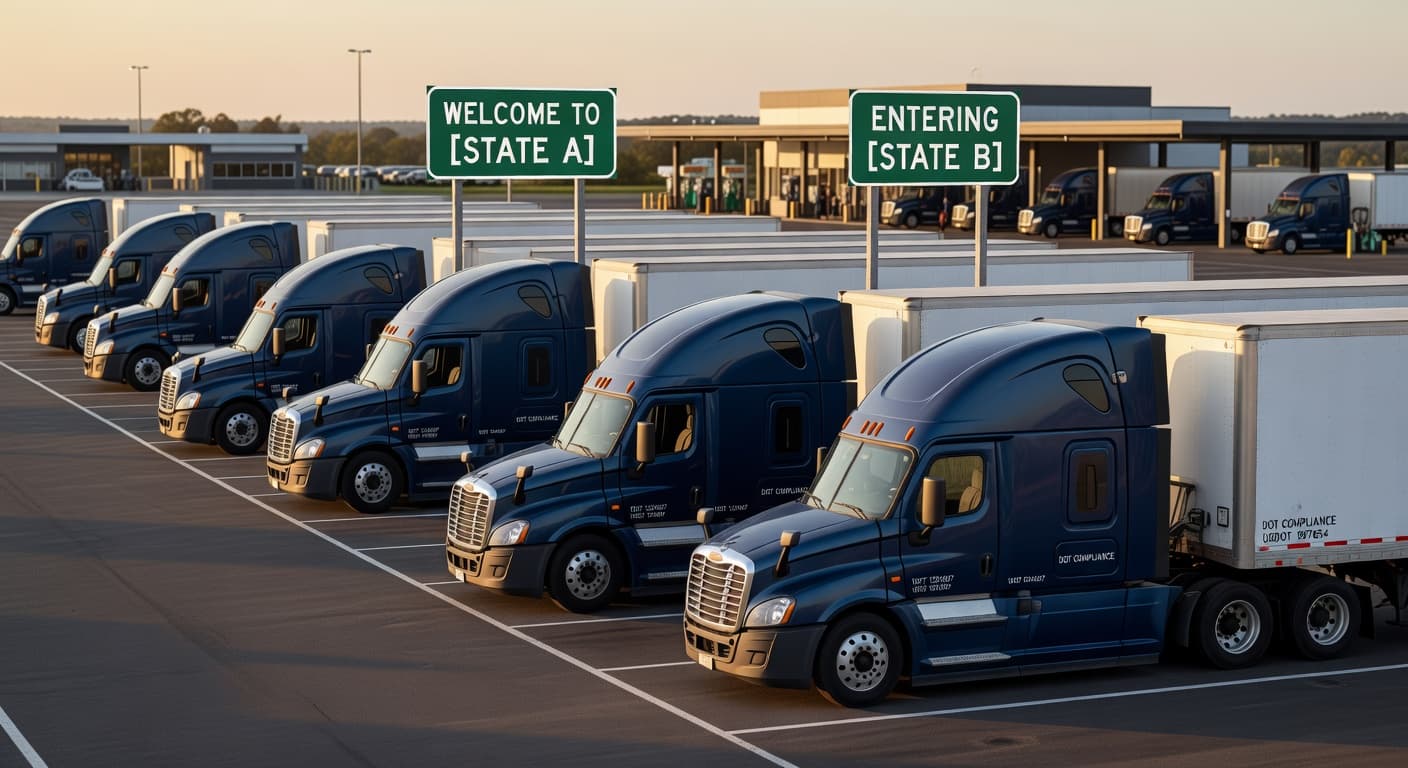
Commercial auto policies also offer coverages that are not available on personal policies. Hired and non-owned auto liability covers your business when employees drive rented vehicles or their own personal vehicles for business purposes. Motor truck cargo coverage protects goods being transported. Loading and unloading coverage extends protection to accidents that occur while cargo is being loaded onto or removed from a vehicle.
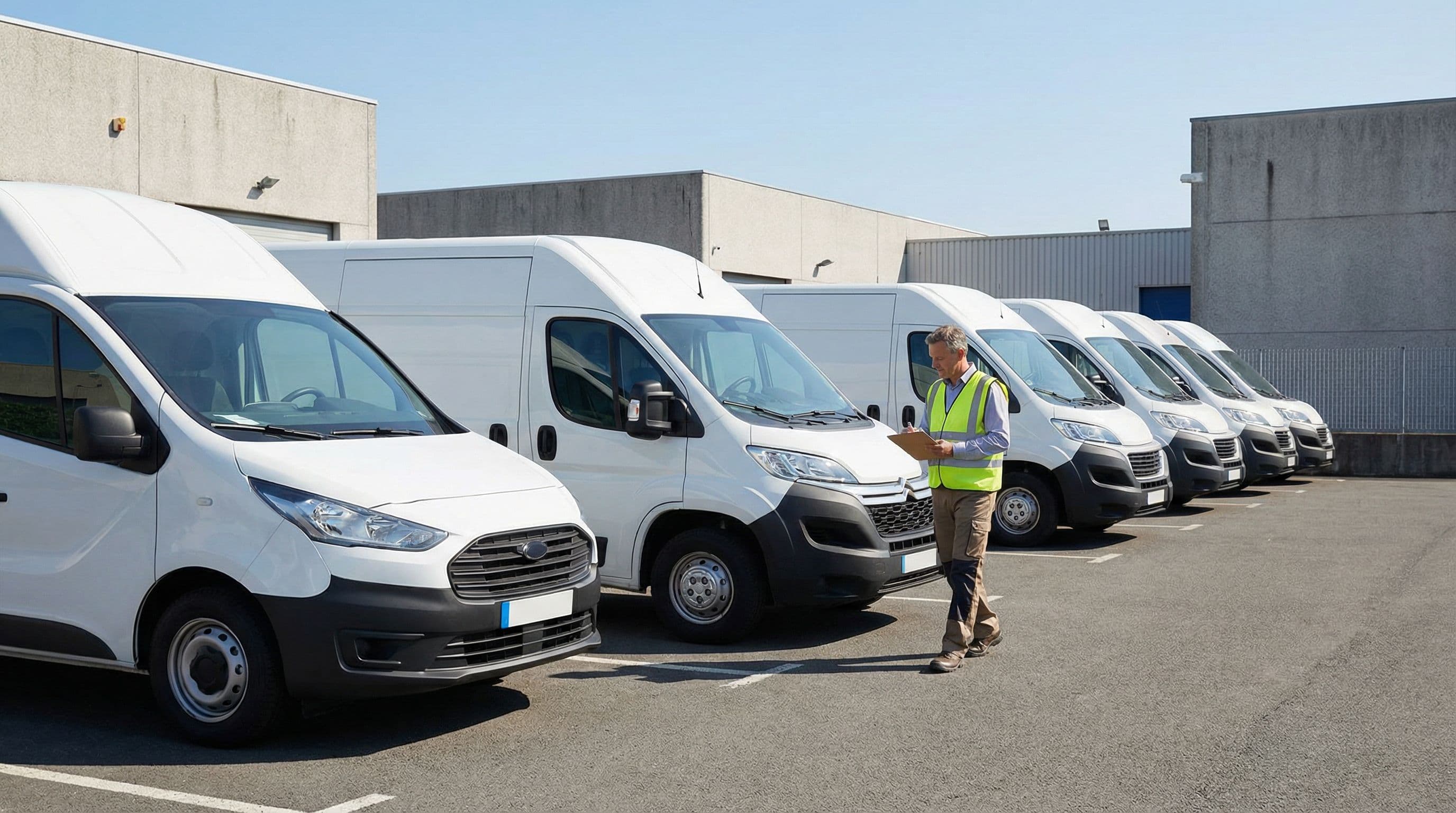
Another important difference is how the vehicle is listed on the policy. Personal policies insure specific vehicles owned by a named individual. Commercial policies can insure vehicles owned by a business entity, leased vehicles, and can include scheduled or blanket coverage for entire fleets.
Cost Differences
Commercial auto insurance is generally more expensive than personal auto insurance, but the price difference is justified by the broader coverage and higher limits that commercial policies provide. On average, a commercial auto policy costs 30 to 50 percent more than a comparable personal policy for the same vehicle, though the actual difference depends on many factors.
Several factors contribute to the higher cost of commercial policies. Commercial vehicles tend to be driven more miles per year, spend more time in traffic, and are more likely to be on the road during peak hours, all of which increase the frequency of accidents. Commercial vehicles may carry passengers, cargo, or equipment that increases the severity of potential claims. And the legal environment around commercial vehicle accidents often leads to larger settlements and judgments than those involving personal vehicles.
That said, the cost comparison is not always straightforward. If you are currently paying for personal auto coverage and separately paying for a business use endorsement or a hired and non-owned auto policy, the total cost of those combined coverages may be close to or even exceed the cost of a commercial policy that provides more comprehensive protection.
Fleet discounts can also make commercial auto insurance more cost-effective as your business grows. Most carriers offer volume discounts for businesses insuring multiple vehicles, and the per-vehicle cost decreases as the fleet size increases. Additionally, commercial policies avoid the issue of multiple personal policies for different employee vehicles, which can be more expensive in aggregate. CPK Insurance can run a side-by-side comparison of your current costs versus a commercial policy to help you determine the most economical approach.
When You Need Commercial Auto Insurance
Determining when you need to switch from personal to commercial auto insurance depends on how you use your vehicles and how your business is structured. There are several clear triggers that indicate you need a commercial policy.
If your vehicle is titled or registered in a business name, including an LLC, corporation, or partnership, you need commercial auto insurance. Personal policies insure individually owned vehicles, and a vehicle owned by a business entity cannot be properly covered under a personal policy. This is one of the most common situations where business owners find themselves uninsured without realizing it.
If employees other than the vehicle owner regularly drive the vehicle for business purposes, you need commercial coverage. Personal policies are designed for the named insured and household members, not for employees. If your vehicle is used to transport goods, materials, equipment, or paying passengers, commercial coverage is required. This applies to delivery services, contractors hauling tools and materials, and any business that moves products as part of its operations.
If you use your vehicle to make sales calls, visit clients, or perform services at customer locations on a regular basis, you likely need commercial coverage. While some personal policies allow limited business use such as commuting to an office, regular and frequent use of a vehicle for business activities typically exceeds what personal policies will cover.
If your business contracts require you to carry commercial auto insurance or provide certificates of insurance to clients, you must carry a commercial policy. CPK Insurance recommends erring on the side of caution. The cost difference between personal and commercial coverage is modest compared to the potential financial exposure of an uninsured commercial auto accident.
Tips for Switching to Commercial Auto Insurance
Making the transition from personal to commercial auto insurance does not have to be complicated, but there are several important steps to ensure a smooth switch and avoid gaps in coverage.
Start by taking inventory of all vehicles used for business purposes. This includes company-owned vehicles, personally owned vehicles used regularly for business, and any vehicles your business rents or leases. For each vehicle, note the year, make, model, vehicle identification number, and how it is used in your business. Also compile a list of all employees who drive for business purposes, along with their driver's license numbers and dates of birth.
Time your transition carefully. You want your commercial policy to begin on the same date your personal coverage ends or, even better, overlap by a day to ensure there is no gap in coverage. A gap, even a single day, can create serious problems if an accident occurs and can also trigger higher premiums when you do obtain coverage.
Review your personal auto policy before canceling it. If you still use the vehicle for personal purposes in addition to business use, you may need to maintain personal coverage or confirm that your commercial policy covers personal use as well. Most commercial auto policies do cover personal use of the insured vehicle, but it is worth confirming this with your agent.
Consider your hired and non-owned auto needs as well. If employees ever use their personal vehicles for business errands, even occasionally, you should add hired and non-owned auto coverage to your commercial policy. This protects your business if an employee causes an accident while driving their own car for work. CPK Insurance can walk you through the entire transition process, ensuring that every vehicle and driver is properly covered and that your policy meets all of your contractual and legal obligations.
Get Your Personalized Quote
Enter your ZIP code to compare insurance rates from top carriers.
Updated March 31, 2026

CPK Insurance Editorial Team
Licensed Insurance Advisors