






































Updated March 31, 2026

CPK Insurance Editorial Team
Reviewed by Licensed Insurance Agents
Grocery Store Insurance in Arizona
A grocery store in Arizona has to plan for fast foot traffic, refrigerated inventory, and weather that can change operating conditions quickly. Extreme heat, wildfire, dust storms, and flash flooding can all affect property, equipment, and business continuity, while customer slip and fall risks stay present in produce aisles, freezer sections, and checkout lanes. A grocery store insurance quote in Arizona should be built around the store layout, the number of employees, lease requirements, and whether the business uses vehicles or has high-value refrigeration equipment. That is especially important in a state where workers' compensation is required for businesses with 1 or more employees and many commercial leases ask for proof of general liability coverage. The right quote should help a small business compare liability coverage, property coverage, and bundled coverage options without guessing how the policy fits day-to-day store operations. If the store is a supermarket, specialty grocer, or multi-location food retailer, the quote should also reflect inventory levels, coverage limits, and any added protection for equipment breakdown or business interruption.
Climate Risk Profile
Natural Disaster Risk in Arizona
Understanding climate-related risks helps determine appropriate insurance coverage levels.
Extreme Heat
Very High
Wildfire
High
Dust Storm
High
Flash Flooding
Moderate
Expected Annual Loss from Natural Hazards
$680M
estimated economic loss per year across Arizona
Source: FEMA National Risk Index
Risk Factors for Grocery Store Businesses in Arizona
- Arizona extreme heat can stress refrigerated inventory and create business interruption exposure if cooling systems struggle during peak summer demand.
- Wildfire conditions in Arizona can increase building damage risk, smoke-related property damage, and temporary closure concerns for grocery stores.
- Dust storms in Arizona can affect storefront visibility, customer access, and property damage exposures around entrances, signs, and exterior equipment.
- Flash flooding in parts of Arizona can lead to water intrusion, building damage, and inventory losses for grocery stores with ground-level storage.
- Heavy daily foot traffic in Arizona grocery stores can increase slip and fall liability coverage needs in aisles, produce areas, and checkout lanes.
How Much Does Grocery Store Insurance Cost in Arizona?
Average Cost in Arizona
$53 – $221 per month
Average monthly cost for small businesses
* Estimates based on industry averages. Actual premiums depend on your specific business details, claims history, and coverage selections. Rates shown are for informational purposes only and do not constitute a quote.
What Arizona Requires for Grocery Store Insurance
Non-compliance can result in fines, loss of contracts, and personal liability:
- Workers' compensation is required in Arizona for businesses with 1 or more employees, with exemptions for sole proprietors, partners, working members of LLCs, and casual workers.
- Arizona businesses are regulated by the Arizona Department of Insurance and Financial Institutions, so quote buyers should confirm the carrier and policy terms are compliant for the state.
- Arizona requires businesses to maintain proof of general liability coverage for most commercial leases, so lease review should be part of the quote process.
- Commercial auto minimum liability in Arizona is $25,000/$50,000/$15,000 if the grocery business uses vehicles for deliveries or store operations.
- Buyers should verify policy limits, underlying policies, and umbrella coverage options if they want protection for higher-severity third-party claims.
- For grocery stores handling refrigerated goods, buyers should ask whether equipment coverage and business interruption terms align with store operations and inventory needs.
Get Your Grocery Store Insurance Quote in Arizona
Compare rates from multiple carriers. Free quotes, no obligation.
Common Claims for Grocery Store Businesses in Arizona
A customer slips on a wet floor near the produce section in Phoenix, leading to a third-party claim for medical costs, lost wages, and legal defense.
A summer heat event affects refrigeration equipment in a Tucson-area store, causing spoilage and a temporary interruption to normal operations.
A wildfire-related smoke event or dust storm damages exterior signage and storefront access, creating property damage and closure-related losses.
Preparing for Your Grocery Store Insurance Quote in Arizona
Store address, number of locations, and whether the business is a supermarket, neighborhood grocer, or specialty food retailer.
Employee count, lease requirements, and whether proof of general liability coverage is needed for the property agreement.
Details on refrigeration equipment, inventory value, and any existing property coverage or bundled coverage needs.
Information on delivery vehicles, hours of operation, and any prior claims involving slip and fall, theft, or property damage.
Coverage Considerations in Arizona
- General liability insurance for bodily injury, property damage, and legal defense related to customer claims.
- Commercial property insurance for building damage, fire risk, storm damage, theft, vandalism, and store equipment.
- Business interruption coverage to help with temporary closure after a covered loss that interrupts store operations.
- Commercial umbrella insurance for higher coverage limits when a store wants extra protection above underlying policies.
What Happens Without Proper Coverage?
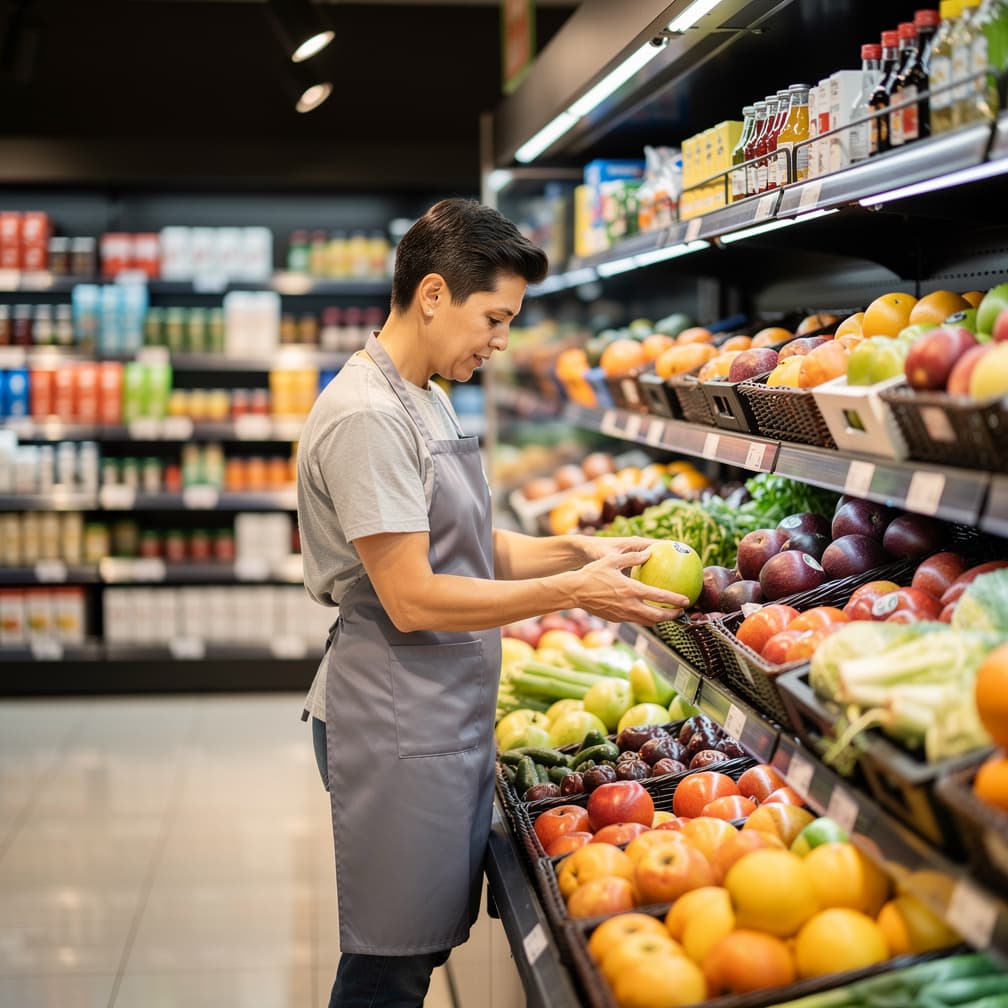
Grocery stores operate with a mix of public access, perishable inventory, and equipment that must work around the clock. That combination creates exposure to bodily injury, property damage, and third-party claims that can affect daily operations. A customer can slip on a wet floor near the produce section, trip in an aisle, or be injured at checkout. Those incidents can lead to legal defense costs and settlements, even when the store takes precautions.
The property side matters too. Commercial property insurance can help address building damage, fire risk, theft, storm damage, vandalism, and equipment breakdown. For a grocery store, a refrigeration issue can quickly move from an equipment problem to a loss of inventory and business interruption. That is why food spoilage coverage for grocery stores and refrigeration breakdown coverage for grocery stores are often part of the conversation when requesting a quote.
Grocery store insurance coverage also needs to reflect staffing and operations. Workers compensation insurance is commonly considered because grocery stores rely on employees to stock shelves, move inventory, manage coolers, and assist customers. If a store uses ladders, pallet jacks, or back-room equipment, employee safety and workplace injury exposure become more relevant. The policy structure should also consider medical costs, lost wages, and rehabilitation where applicable under the coverage in place.
Grocery store insurance requirements can vary based on landlord demands, lender expectations, and how the business is organized. Some operators may need bundled coverage through a business owners policy, while others may want excess liability through commercial umbrella insurance for higher coverage limits. If your store has multiple locations, specialty departments, or a larger footprint, the quote should be tailored to those details rather than treated as a standard retail form.
Requesting a grocery store insurance quote with complete information helps you compare options more accurately. Include square footage, inventory values, payroll, number of employees, hours, refrigeration equipment, departments, and any delivery or multi-location details. That gives you a clearer view of grocery store insurance cost and helps you evaluate whether the proposed coverage matches your operational needs.
Recommended Coverage for Grocery Store Businesses
Based on the risks and requirements above, grocery store businesses need these coverage types in Arizona:

General Liability Insurance
Essential coverage for every business — protect against third-party bodily injury, property damage, and advertising claims.

Commercial Property Insurance
Safeguard your business property, equipment, and inventory against damage and loss.

Workers Compensation Insurance
Cover your employees' medical expenses and lost wages for work-related injuries and illnesses.

Business Owners Policy Insurance
Bundle property and liability coverage into one convenient, cost-effective policy for small businesses.

Commercial Umbrella Insurance
Extend your liability limits beyond your primary policies for extra protection against catastrophic claims.
Grocery Store Insurance by City in Arizona
Insurance needs and pricing for grocery store businesses can vary across Arizona. Find coverage information for your city:
Insurance Tips for Grocery Store Owners
List every department in your quote request, including deli, produce, bakery, and prepared foods.
Share refrigeration details such as cooler count, freezer count, and backup systems so spoilage exposure is clear.
Ask whether the quote includes slip and fall liability coverage for grocery stores in aisles, entrances, and checkout areas.
Provide payroll, staffing levels, and job duties so workers compensation insurance can be matched to your operation.
Confirm whether commercial property insurance includes inventory, fixtures, and equipment breakdown protection.
For multi-location stores, request separate location details so coverage limits and pricing can be tailored properly.
FAQ
Frequently Asked Questions About Grocery Store Insurance in Arizona
Most Arizona grocery store quotes start with general liability insurance and commercial property insurance, then add business interruption, equipment coverage, or commercial umbrella coverage if the store needs higher limits or broader protection for operations, inventory, and customer claims.
Grocery store insurance cost in Arizona varies by store size, employee count, lease requirements, inventory value, equipment, location, and claims history. The state data provided shows an average premium range of $53 to $221 per month, but actual pricing varies by quote.
Arizona requires workers' compensation for businesses with 1 or more employees, unless an exemption applies. Many commercial leases also require proof of general liability coverage, and stores that use vehicles should review Arizona's commercial auto minimums.
General liability coverage is the key policy to review for slip and fall liability coverage for grocery stores. It can address third-party claims involving customer injury, legal defense, and settlements, subject to the policy terms and limits.
Those options may be available depending on the carrier and policy structure. If your store depends on coolers, freezers, and refrigerated inventory, ask whether food spoilage coverage for grocery stores and refrigeration breakdown coverage are included or available as endorsements.
Most grocery stores start by reviewing general liability insurance, commercial property insurance, workers compensation insurance, a business owners policy, and commercial umbrella insurance. The best mix depends on your store layout, inventory, employees, and coverage limits.
Grocery store insurance cost varies based on location, payroll, store size, inventory values, number of locations, and the coverage limits you choose. The quote should reflect your actual operations rather than a generic retail profile.
Grocery store insurance requirements can vary by lease, lender, and local rules. Many owners also review liability coverage, property coverage, and workers compensation insurance as part of the request process.
Slip and fall liability coverage for grocery stores is commonly part of general liability insurance, but the details depend on the policy terms and coverage limits. Ask how the quote addresses customer injury in high-traffic areas.
Food retailer insurance coverage can be structured to address third-party claims tied to food handling exposures, but the exact terms vary by policy. Provide details about deli, prepared foods, and other food operations when requesting a quote.
It may, depending on the policy structure. Food spoilage coverage for grocery stores and refrigeration breakdown coverage for grocery stores should be requested explicitly so the quote reflects your cold-storage exposure.
Be ready to share your store address, square footage, number of employees, payroll, hours, departments, inventory values, refrigeration equipment, and whether you operate one location or multiple locations.
Yes. Retail store insurance for grocery businesses can be tailored for independent grocers, supermarkets, specialty food retailers, and multi-location operations based on size, layout, and coverage needs.
Updated March 31, 2026
CPK Insurance Editorial Team
Reviewed by Licensed Insurance Agents