






































Updated March 31, 2026

CPK Insurance Editorial Team
Reviewed by Licensed Insurance Agents
Toy Store Insurance in Arizona
Running a toy shop in Arizona means balancing bright retail traffic with climate stress, lease requirements, and the realities of selling products for children. A downtown retail district store faces different exposure than a warehouse-style toy shop or a mall kiosk, but both can see customer injury, property damage, and third-party claims if aisles are crowded or inventory is damaged by heat, wildfire smoke, dust storms, or flash flooding. If you’re comparing a toy store insurance quote in Arizona, the goal is to line up coverage with the way your shop actually operates: how much inventory you carry, whether you lease a shopping center storefront or mixed-use commercial building, and whether you need bundled coverage for building damage, equipment, and business interruption. Arizona also has buying norms that matter, including proof of general liability coverage for many commercial leases and workers' compensation rules for businesses with employees. The right quote process starts with your store layout, product mix, and location details so you can review toy store insurance coverage in Arizona with fewer surprises.
Climate Risk Profile
Natural Disaster Risk in Arizona
Understanding climate-related risks helps determine appropriate insurance coverage levels.
Extreme Heat
Very High
Wildfire
High
Dust Storm
High
Flash Flooding
Moderate
Expected Annual Loss from Natural Hazards
$680M
estimated economic loss per year across Arizona
Source: FEMA National Risk Index
Risk Factors for Toy Store Businesses in Arizona
- Arizona extreme heat can affect toy store inventory, fixtures, and building systems, creating property damage and business interruption concerns.
- Wildfire conditions in Arizona can raise the chance of building damage, smoke-related property loss, and temporary closure for toy retailers.
- Dust storms in Arizona can damage storefronts, signage, and inventory and may lead to third-party claims if debris affects customers entering the shop.
- Flash flooding in Arizona can create storm damage, slip and fall exposure, and interruptions for shopping center storefronts or strip mall locations.
- Arizona toy stores face customer injury and bodily injury exposure from in-store slips, falls, and aisle hazards in busy retail layouts.
- Toys and children’s products in Arizona stores can create third-party claims tied to choking hazards, property damage, and legal defense costs.
How Much Does Toy Store Insurance Cost in Arizona?
Average Cost in Arizona
$59 – $245 per month
Average monthly cost for small businesses
* Estimates based on industry averages. Actual premiums depend on your specific business details, claims history, and coverage selections. Rates shown are for informational purposes only and do not constitute a quote.
What Arizona Requires for Toy Store Insurance
Non-compliance can result in fines, loss of contracts, and personal liability:
- Workers' compensation is required in Arizona for businesses with 1 or more employees, with exemptions for sole proprietors, partners, working members of LLCs, and casual workers.
- Arizona businesses are licensed and regulated by the Arizona Department of Insurance and Financial Institutions, which is the main state oversight body for insurance buying decisions.
- Arizona requires businesses to maintain proof of general liability coverage for most commercial leases, so a toy store may need documentation before signing or renewing a location agreement.
- Commercial auto minimum liability in Arizona is $25,000/$50,000/$15,000 if the business uses vehicles for deliveries or store errands.
- For a toy store quote in Arizona, carriers commonly ask for details about retail square footage, inventory value, storefront type, and whether the business is in a mall kiosk, inline store, or mixed-use commercial building.
- Coverage choices may need to reflect bundled coverage options such as a business owners policy, property coverage, and liability coverage based on the store's lease and equipment needs.
Get Your Toy Store Insurance Quote in Arizona
Compare rates from multiple carriers. Free quotes, no obligation.
Common Claims for Toy Store Businesses in Arizona
A child slips near a display table in a Phoenix shopping center storefront, and the store needs help with legal defense and settlement costs tied to a customer injury claim.
A wildfire-related closure forces a suburban neighborhood retail location to pause operations, creating business interruption concerns while inventory and fixtures are assessed for smoke or building damage.
A dust storm damages the storefront entrance and part of the inventory in a main street retail area, leading to property coverage questions and temporary loss of sales.
Preparing for Your Toy Store Insurance Quote in Arizona
Your store location type, such as downtown retail district, strip mall location, mall kiosk or inline store, or mixed-use commercial building.
A current estimate of inventory value, equipment, fixtures, and any special display or storage needs.
Lease details, including whether your landlord asks for proof of general liability coverage or specific limits.
Employee count and whether you need workers' compensation because the Arizona rule applies at 1 or more employees.
Coverage Considerations in Arizona
- General liability coverage for toy stores to help address bodily injury, property damage, and advertising injury claims tied to retail operations.
- Commercial property insurance to help protect inventory, fixtures, and equipment from building damage, fire risk, theft, storm damage, vandalism, and equipment breakdown.
- Business owners policy insurance for bundled coverage that can combine property coverage and liability coverage for a small business toy retailer.
- Workers' compensation insurance if the Arizona toy store has 1 or more employees, to help with medical costs, lost wages, and rehabilitation after a workplace injury.
What Happens Without Proper Coverage?
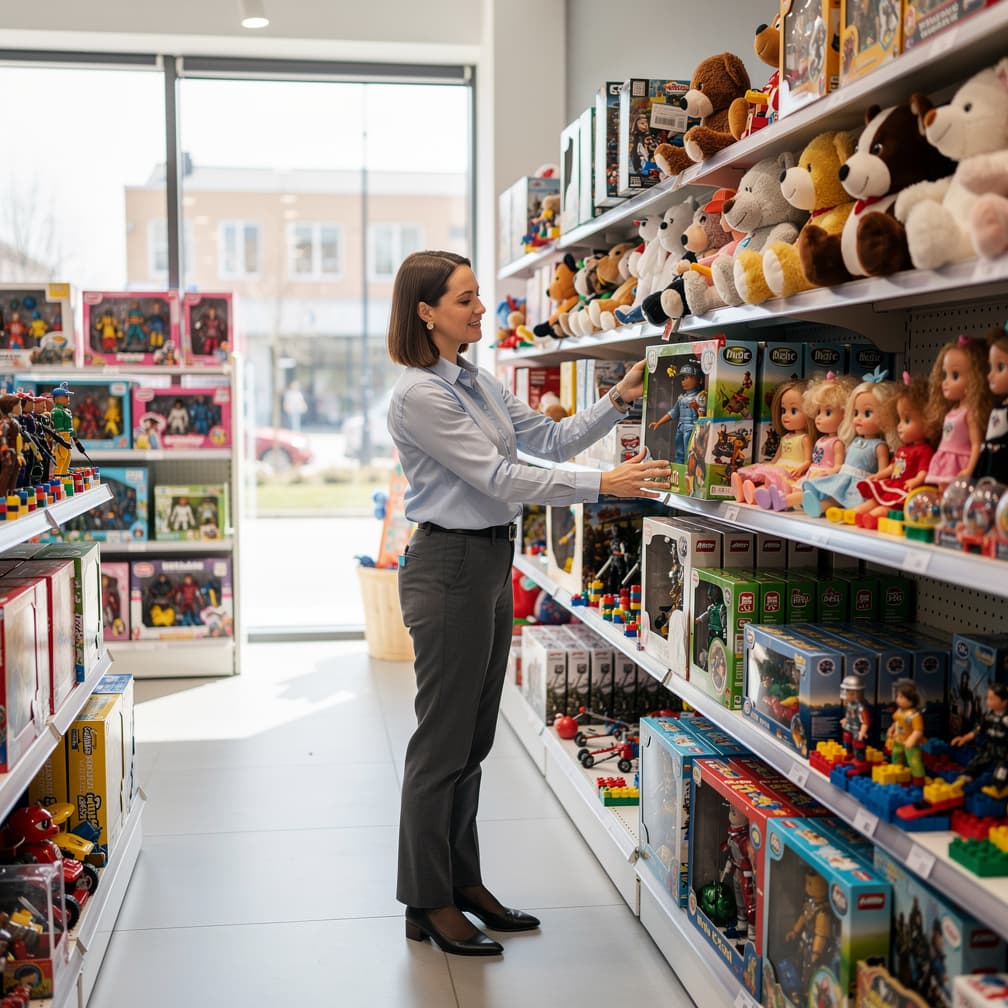
Toy stores do more than display shelves of games, puzzles, dolls, and building sets. They invite frequent customer traffic, hands-on browsing, and close contact with products that can create bodily injury, property damage, and third-party claims if something goes wrong. A toy store insurance quote helps you line up coverage with the real risks of a retail environment.
One of the biggest concerns for toy retailers is in-store customer injury coverage. A child can slip on a polished floor, trip near a display, or be hurt by a falling box or shelf item. Even a minor incident can lead to legal defense costs and settlement demands. General liability for toy stores is often the starting point because it can address these types of liability coverage needs.
Another reason toy store insurance matters is product exposure. If a toy is defective, mislabeled, or later recalled, your business may face claims tied to a safety issue. Product liability coverage for toy stores can be an important part of the conversation for any retailer selling children’s products. That is especially true if you stock battery-powered toys, imported items, seasonal merchandise, or products with small parts.
Commercial property insurance can help protect the space and assets that keep your store open. Fire risk, theft, storm damage, vandalism, equipment breakdown, and business interruption can all disrupt a retail operation. Inventory, shelving, fixtures, and point-of-sale equipment may all be part of the policy review. If your store is in a shopping center storefront, strip mall location, main street retail area, warehouse-style toy shop, mall kiosk or inline store, suburban neighborhood retail location, mixed-use commercial building, or downtown retail district, your property needs may vary.
Toy store insurance requirements can also depend on your lease or lender, and small business owners often review bundled coverage through a business owners policy. If you have employees, workers compensation may also be part of the discussion where required. The best next step is to request a quote with accurate business details so your toy store insurance coverage can be reviewed against your location, inventory, and day-to-day operations.
Recommended Coverage for Toy Store Businesses
Based on the risks and requirements above, toy store businesses need these coverage types in Arizona:

General Liability Insurance
Essential coverage for every business — protect against third-party bodily injury, property damage, and advertising claims.

Commercial Property Insurance
Safeguard your business property, equipment, and inventory against damage and loss.

Workers Compensation Insurance
Cover your employees' medical expenses and lost wages for work-related injuries and illnesses.

Business Owners Policy Insurance
Bundle property and liability coverage into one convenient, cost-effective policy for small businesses.
Toy Store Insurance by City in Arizona
Insurance needs and pricing for toy store businesses can vary across Arizona. Find coverage information for your city:
Insurance Tips for Toy Store Owners
Ask for general liability for toy stores that includes bodily injury, property damage, and legal defense.
Review product liability coverage for toy stores if you sell children’s products, imported items, or battery-powered toys.
Check commercial property limits for inventory, shelving, fixtures, registers, and other store contents.
Confirm whether your location type affects toy store insurance requirements, especially in a shopping center or mixed-use building.
Compare business interruption options if a covered loss forces you to close or reduce hours.
Share payroll, square footage, sales, and inventory details before requesting a toy store insurance quote.
FAQ
Frequently Asked Questions About Toy Store Insurance in Arizona
Most Arizona toy retailers start by comparing general liability coverage, commercial property insurance, and a business owners policy, then add workers' compensation if they have 1 or more employees. The right mix depends on your lease, inventory, and storefront type.
Toy store insurance cost in Arizona varies based on location, inventory, lease requirements, employee count, and the coverage limits you choose. Premiums can also shift with factors like shopping center traffic, mixed-use building exposure, and property values.
A quote may include options that address third-party claims tied to toy-related bodily injury or property damage, but the exact protection depends on the policy and endorsements you select. Review the wording carefully so the coverage matches the products you sell.
Yes, general liability for toy stores is the coverage most often reviewed for slip and fall, customer injury, and other third-party claims connected to the retail space. Your aisle layout, flooring, and traffic patterns can affect how the quote is evaluated.
Have your address, store type, square footage, inventory estimate, employee count, lease requirements, and any equipment or business interruption needs ready. Those details help carriers review toy store insurance coverage in Arizona more accurately.
Most toy retailers start with general liability for toy stores and commercial property insurance, then review business owners policy options and workers compensation where required. Product liability coverage for toy stores is also important if you sell children’s products.
Toy store insurance cost varies based on location, payroll, inventory value, sales volume, claims history, and coverage limits. A quote can narrow the range once those details are reviewed.
Toy store insurance requirements vary by lease, lender, and business structure. Many owners review liability coverage, property coverage, and workers compensation where applicable before opening or renewing a lease.
It can, depending on the policy structure and endorsements. If your store sells toys for children, ask specifically about product liability coverage for toy stores before you bind coverage.
Yes, that is often part of general liability for toy stores. It is designed to address third-party claims tied to slip and fall incidents and other customer injury situations.
Have your business name, location type, square footage, payroll, annual sales, inventory value, and any prior claims ready. Those details help create a more accurate toy store insurance quote.
Coverage may help depending on the policy terms and the specific loss. Ask how defective product coverage for toy stores is handled before you purchase a policy.
Prepare your address, store format, inventory value, payroll, sales, hours of operation, security features, and any prior claims. Those details help review toy store insurance coverage and cost.
Updated March 31, 2026
CPK Insurance Editorial Team
Reviewed by Licensed Insurance Agents