Updated March 31, 2026

CPK Insurance Editorial Team
Reviewed by Licensed Insurance Agents
Commercial Umbrella Insurance in Little Rock
If you are evaluating commercial umbrella insurance in Little Rock, the local decision is less about theory and more about how your business operates around higher-traffic corridors, delivery routes, and customer-facing sites. Little Rock has 6,078 business establishments, and the city’s mix of healthcare, accommodation and food services, manufacturing, retail trade, and transportation and warehousing means many owners face frequent third-party interaction. That matters because a single incident can turn into a lawsuit that reaches beyond commercial liability limits. The city also sits in a market with a cost of living index of 90, which can shape how owners balance protection with budget planning. For businesses with vehicles, frequent visitors, or multiple locations, an umbrella liability policy in Little Rock can act as extra liability coverage above underlying policies when damages outgrow primary limits. With tornado, hail, severe storm, and wind exposure in the local risk profile, some claims can become more complicated than they first appear. The key question is not whether your business has liability exposure; it is whether your current limits are enough if a catastrophic claim lands on your books.
Commercial Umbrella Insurance Risk Factors in Little Rock
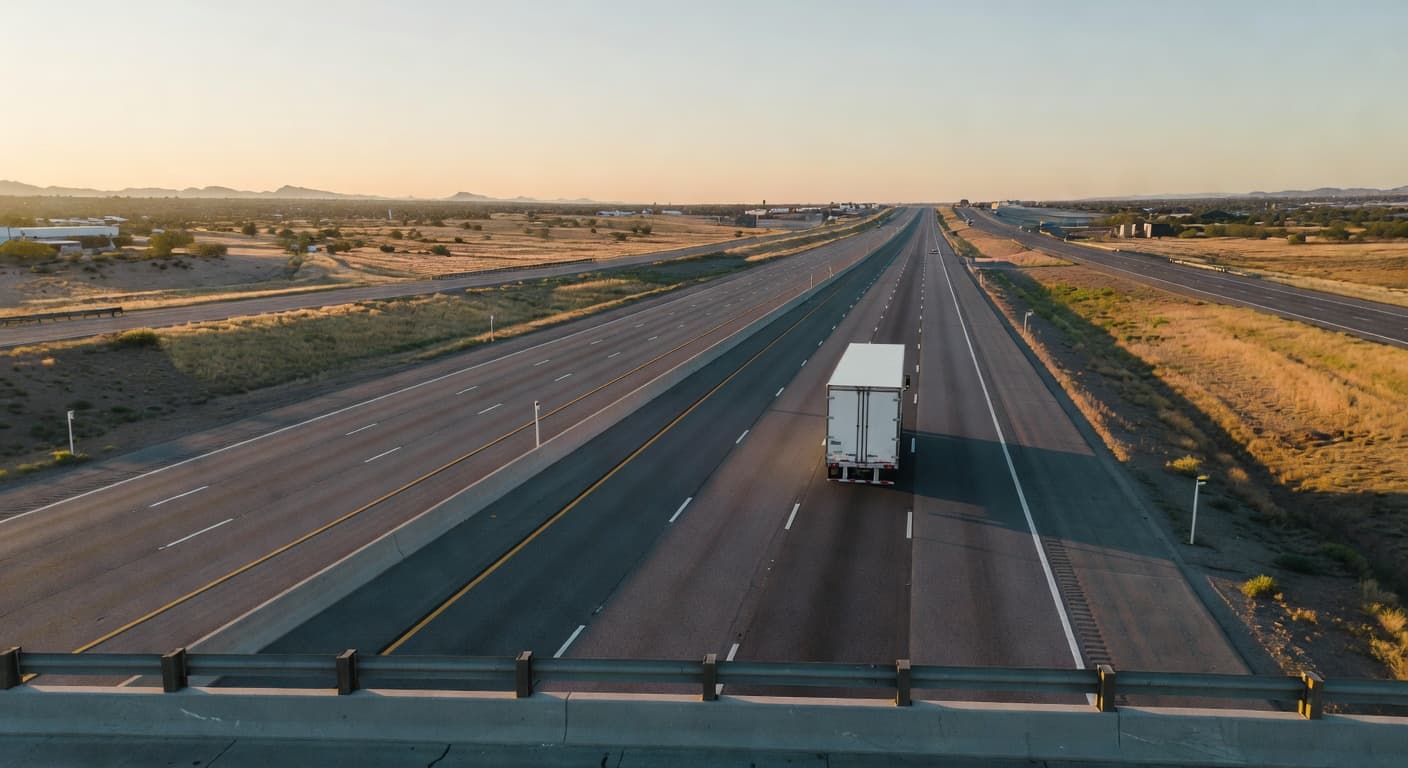
Little Rock’s risk profile makes excess liability worth a closer look because the city’s top hazards include tornado damage, hail damage, severe storm damage, and wind damage. Those events can raise the odds that a routine business incident becomes a larger claim, especially if a property event disrupts operations and increases the chance of disputes. The city also has 11% flood-zone exposure, which can complicate access, deliveries, and customer traffic for businesses near affected areas. On the liability side, Little Rock recorded 6,288 annual crashes, 24 fatal crashes, and a crash rate of 2,629 per 100,000 people in the data provided, so businesses with vehicles face meaningful lawsuit exposure if an auto loss escalates. The uninsured driver rate is 15.3%, which can also make recovery more complicated after a collision. For owners comparing commercial liability limits in Little Rock, those local conditions can make catastrophic claim protection more relevant than it would be in a lower-traffic market.
Arkansas has a high climate risk rating. Top hazards: Tornado (Very High), Severe Storm (High), Flooding (High), Ice Storm (Moderate). The state's expected annual loss from natural hazards is $920M, which influences commercial umbrella insurance premiums and may affect coverage availability in high-risk areas.
What Commercial Umbrella Insurance Covers
Commercial umbrella insurance in Arkansas sits above your underlying commercial auto, general liability, and employers liability policies and pays after those policies are used up. In practice, that means it can respond to excess liability from a covered lawsuit when damages exceed the limits on the primary policy. It may also provide broader coverage for some claims that your primary policy handles differently, but the exact scope depends on the policy wording and endorsements your carrier files for your account. Arkansas businesses should pay close attention to how the umbrella coordinates with commercial auto minimums of $25,000/$50,000/$25,000, because the umbrella is not a substitute for those underlying limits. The Arkansas Insurance Department regulates the market, and coverage requirements can vary by industry and business size, so your agent should confirm what the carrier will require before binding. For example, a business with delivery vehicles in a state with high fatal crash rates, severe storm exposure, and elevated uninsured driver risk may need a clearer review of underlying policies before the umbrella attaches. Defense costs coverage may also be part of the policy design, but the way those costs erode limits can vary by form, so review the declarations and endorsements carefully. Aggregate limits matter too, especially for businesses with multiple locations or recurring claims activity in a year.
Coverage Included

Excess Liability
Protection for excess liability-related losses and claims
Broader Coverage
Protection for broader coverage-related losses and claims

Defense Costs
Protection for defense costs-related losses and claims

Worldwide Coverage
Protection for worldwide coverage-related losses and claims
Aggregate Limits
Protection for aggregate limits-related losses and claims
Commercial Umbrella Insurance Cost in Little Rock
In Arkansas, commercial umbrella insurance premiums are 9% below the national average. This means competitive rates are available.
Average Cost in Arkansas
$30 – $114 per month
per month
- Coverage limits and deductibles
- Claims history
- Location
- Industry or risk profile
- Policy endorsements
Contact CPK Insurance for a personalized quote.
National average: $33 – $125 per month
* Estimates based on industry averages. Actual premiums depend on your specific business details, claims history, and coverage selections. Rates shown are for informational purposes only and do not constitute a quote.
Commercial umbrella insurance cost in Arkansas is shaped by the same factors carriers use nationally, but the state’s loss environment adds local pressure points. The product data shows an average range of $33 to $125 per month, while the Arkansas-specific average premium range is $30 to $114 per month, which sits about 9% below the national average in the state data provided. That lower premium index does not mean every account is inexpensive; it means pricing is often competitive across the state’s 280 active insurers. Carriers still price by coverage limits and deductibles, claims history, location, industry or risk profile, and policy endorsements. Arkansas’s high tornado risk, severe storm history, flooding exposure, and frequent disaster declarations can influence underwriting, especially for businesses with fleets, customer traffic, or multiple sites. A company in healthcare & social assistance, manufacturing, retail trade, accommodation & food services, or transportation & warehousing may see different pricing pressure because each sector has different lawsuit exposure and underlying liability patterns. If your business operates in Little Rock, near the state’s freight corridors, or in a county with repeated weather losses, the carrier may ask more questions before issuing a commercial umbrella insurance quote in Arkansas. For many small and mid-size businesses, the policy is still priced as a relatively modest add-on because it only pays after the primary limits are exhausted. Contact CPK Insurance for a personalized quote, since the final premium depends on the limits you choose and how your underlying policies are structured.
Industries & Insurance Needs in Little Rock
Little Rock’s industry mix points to repeated liability contact points. Healthcare and social assistance is the largest sector at 17.4%, followed by accommodation and food services at 9.3%, manufacturing at 9.1%, retail trade at 8.9%, and transportation and warehousing at 6.8%. Those industries tend to interact with patients, guests, customers, contractors, or freight activity, which can increase the chance that a single incident becomes a lawsuit. Healthcare organizations may need to think about visitor traffic and facility exposure; retail and food-service businesses often deal with parking lots, slips, and customer claims; manufacturing and transportation operations may see losses tied to vehicles, loading areas, or jobsite activity. That makes excess liability insurance in Little Rock especially relevant for businesses that already carry commercial auto, general liability, and other underlying policies. For many owners, the goal is not to buy more insurance for its own sake but to align an umbrella liability policy in Little Rock with the real mix of people, vehicles, and locations that drive claims.
Commercial Umbrella Insurance Costs in Little Rock
Little Rock’s cost context is moderate rather than high, with a cost of living index of 90 and a median household income of $48,851. That usually means business owners are looking carefully at monthly overhead, so commercial umbrella insurance cost in Little Rock often gets evaluated as a budget line tied to real exposure rather than a placeholder purchase. Premiums still vary by limits, claims history, vehicles, and the type of business, but local affordability can influence how much extra liability coverage owners choose to carry. In a market where many firms are small or mid-sized, the practical question is often whether a policy fits current operations without straining cash flow. A lower cost-of-living environment does not remove lawsuit risk; it just means owners may be more selective about selecting commercial umbrella insurance coverage in Little Rock. Businesses with fleets, customer traffic, or multiple sites may want a commercial umbrella insurance quote in Little Rock that compares several limit options so they can match protection to budget.
What Makes Little Rock Different
The single biggest difference in Little Rock is the combination of frequent vehicle exposure and a business mix that puts people on site all day. With 6,288 annual crashes, 24 fatal crashes, and a 15.3% uninsured driver rate, local businesses that operate cars, vans, or delivery vehicles face a meaningful chance that a collision claim will test their commercial liability limits. At the same time, the city’s largest industries—healthcare, food service, retail, manufacturing, and transportation—create more opportunities for third-party injury or property claims than a back-office operation would. Add in tornado, hail, severe storm, and wind risk, and the insurance calculus changes: a business may need catastrophic claim protection not because one loss is likely, but because one loss can be large enough to exceed the primary policy. In Little Rock, umbrella coverage is often about protecting the balance sheet from one bad day that starts with an auto incident, a customer injury, or a weather-related disruption.
Our Recommendation for Little Rock
For Little Rock businesses, start by mapping where claims are most likely to arise: vehicles, customer areas, loading zones, or multiple locations. Then check that your underlying policies are set up to support an umbrella before you request pricing. If your company operates in healthcare, retail, food service, manufacturing, or transportation, ask for a commercial umbrella insurance quote in Little Rock that reflects your actual operations rather than a generic limit. It is also smart to compare how defense costs coverage is handled, because that can affect how quickly limits are used up in a lawsuit. Businesses with fleets should review commercial liability limits in Little Rock alongside driver controls and accident history, since local crash exposure is part of the underwriting picture. If you have seasonal traffic spikes or weather-sensitive operations, ask how the form responds to recurring claims activity and whether aggregate limits could matter. The safest approach is to buy the amount of extra liability coverage in Little Rock that matches your exposure, then revisit it as your locations, vehicles, or revenue change.
Get Commercial Umbrella Insurance in Little Rock
Enter your ZIP code to compare commercial umbrella insurance rates from carriers in Little Rock, AR.
Business insurance starting at $25/mo
FAQ
Frequently Asked Questions
It can sit above your commercial auto policy and pay after the underlying limit is exhausted, which matters in Little Rock because local crash exposure and uninsured drivers can make auto claims more complicated.
Businesses with customer traffic, fleets, loading areas, or multiple locations often need to review it closely, especially in healthcare, retail, food service, manufacturing, and transportation.
Tornado, hail, severe storm, and wind exposure can increase the chance that a disruption turns into a larger liability problem, so owners often review limits more carefully after weather-related losses.
Yes, and single-location businesses still may want extra liability coverage if they have vehicles, public access, or enough assets that a lawsuit could exceed primary limits.
Confirm your underlying policies, your commercial liability limits, how defense costs coverage works, and whether the policy matches your actual vehicle and customer exposure.
It pays after the limits on those underlying policies are exhausted, which is useful in Arkansas when a lawsuit or claim grows beyond your primary commercial liability limits.
It can cover excess liability claims and may provide broader coverage for some situations, but the exact terms depend on the policy form, endorsements, and the underlying policies you already carry.
Many small to mid-size Arkansas businesses carry $1 million to $5 million, while larger operations or higher-risk industries may need more depending on assets, vehicles, and lawsuit exposure.
Premiums are driven by limits, deductibles, claims history, location, industry, and endorsements, and Arkansas weather risk can also affect how carriers underwrite the account.
Yes, carriers usually want active underlying policies with acceptable limits, and Arkansas businesses should also be aware that requirements may vary by industry and business size.
Standard risks are often quoted and bound within 24 to 48 hours, but Arkansas-specific underwriting questions about vehicles, locations, or storm exposure can change the timeline.
It may, but the policy language controls whether defense costs are included and whether they reduce the limit, so that detail should be confirmed before binding.
Some forms may offer worldwide liability coverage, but you should verify the exact wording with your carrier because availability and scope vary by policy.
Commercial umbrella insurance covers excess liability claims that surpass the limits of your underlying policies, such as general liability, commercial auto, and employers liability. It can also provide broader coverage for certain claims not covered by your primary policies.
The amount of umbrella coverage you need depends on your business's risk exposure, asset value, and industry. Most small to mid-size businesses carry $1 million to $5 million in umbrella coverage, while larger operations or high-risk industries may need $10 million or more.
Commercial umbrella insurance is one of the most cost-effective ways to increase your liability limits. Because it only pays after your primary policies are exhausted, premiums are relatively low — often $500 to $1,500 per year for $1 million in additional coverage.
Most commercial umbrella insurance policies can be quoted and bound within 24-48 hours for standard risks. An independent agent like CPK Insurance can compare options from multiple carriers and have your policy in place quickly. Certificates of insurance are typically available the same day the policy is bound.
Yes. Bundling commercial umbrella insurance with your other business insurance policies — such as general liability, commercial property, and workers compensation — typically saves 10-20% through multi-policy discounts. An independent agent can help you find the best bundle pricing across multiple carriers.
Key factors include your industry classification, annual revenue, number of employees, claims history, coverage limits, deductible choices, and geographic location. Coverage limits and deductibles, Claims history, Location, Industry or risk profile, Policy endorsements are all considered in pricing.
A commercial umbrella policy sits on top of your underlying policies — typically general liability, commercial auto, and employers liability. It extends the limits of those policies and may cover claims excluded by the underlying policies. All policies listed on the umbrella schedule are covered. Review your umbrella's schedule of underlying insurance with your agent to confirm all policies are included.
Contact your insurance carrier's claims department immediately — most have 24/7 claims hotlines. Document the incident thoroughly with photos, written descriptions, and witness information. Notify your insurance agent as well. Prompt reporting is important, as delays can complicate or jeopardize your claim.
Updated March 31, 2026
CPK Insurance Editorial Team
Reviewed by Licensed Insurance Agents