






































Updated March 31, 2026

CPK Insurance Editorial Team
Reviewed by Licensed Insurance Agents
Why Ranch Businesses Need Insurance
A ranch insurance quote should be built around the realities of a working livestock operation. That means looking beyond a standard property policy and focusing on the exposures that can affect barns, fencing, corrals, tack areas, storage sheds, equipment yards, and the open land where animals and people move every day. If you manage a ranch near me or operate across rural properties, the coverage conversation should start with how your operation is actually used, not with a one-size-fits-all assumption.
Ranch insurance coverage can be structured to help address general liability concerns, commercial property needs, commercial auto use, and workers compensation for eligible employees. For many owners, ranch liability coverage is especially important because ranches often have visitors on-site, vendors making deliveries, and contractors working around livestock or machinery. A ranch insurance quote can also factor in livestock insurance quote needs, severe weather exposure, and the value of equipment used for feeding, hauling, or maintaining the property.
Working ranch insurance may also be relevant if your operation includes multiple buildings, seasonal labor, trailers, or vehicles used for ranch business. In that case, farm and ranch insurance can be tailored to your day-to-day risks, including building damage, storm damage, theft, vandalism, equipment breakdown, and business interruption after a covered event. If your operation depends on moving animals, feed, or supplies, commercial auto and hired auto or non-owned auto considerations may also be part of the discussion.
Ranch insurance requirements can vary by lender, lease agreement, contract, or local operation standards. Some ranch owners need proof of liability limits before allowing access to their land or before entering into a business arrangement. Others want broader ranch property insurance because a single loss could affect structures, equipment, and operations at the same time. That is why an agricultural insurance quote should be based on acreage, herd type, building inventory, vehicle use, payroll, and the specific ways your ranch is exposed.
If you are comparing ranch insurance cost, the most useful quote will be the one that reflects your actual operation. Share what you raise, how many buildings and vehicles you use, whether visitors come onto the property, and what kind of weather exposure you face. That information helps create a ranch insurance quote that is more aligned with your working ranch insurance needs and easier to review with confidence.
Recommended Coverage for Ranch Businesses
Based on the risks ranch businesses face, these coverage types are essential:

General Liability Insurance
Essential coverage for every business — protect against third-party bodily injury, property damage, and advertising claims.

Commercial Property Insurance
Safeguard your business property, equipment, and inventory against damage and loss.

Commercial Auto Insurance
Protect your business vehicles and drivers with comprehensive commercial auto coverage.

Workers Compensation Insurance
Cover your employees' medical expenses and lost wages for work-related injuries and illnesses.
Common Risks for Ranch Businesses
- Visitor injury on uneven ground, near corrals, or around livestock handling areas
- Property damage to barns, sheds, fencing, gates, or storage areas from severe weather
- Theft or vandalism affecting tools, tack, feed, or ranch equipment
- Equipment breakdown that interrupts feeding, hauling, or daily ranch operations
- Vehicle accident exposure involving ranch trucks, trailers, or hired auto use
- Third-party claims tied to ranch visitors, contractors, or on-site business activity
Get Your Ranch Insurance Quote
Compare rates from multiple carriers. Free quotes, no obligation.
What Happens Without Proper Coverage?
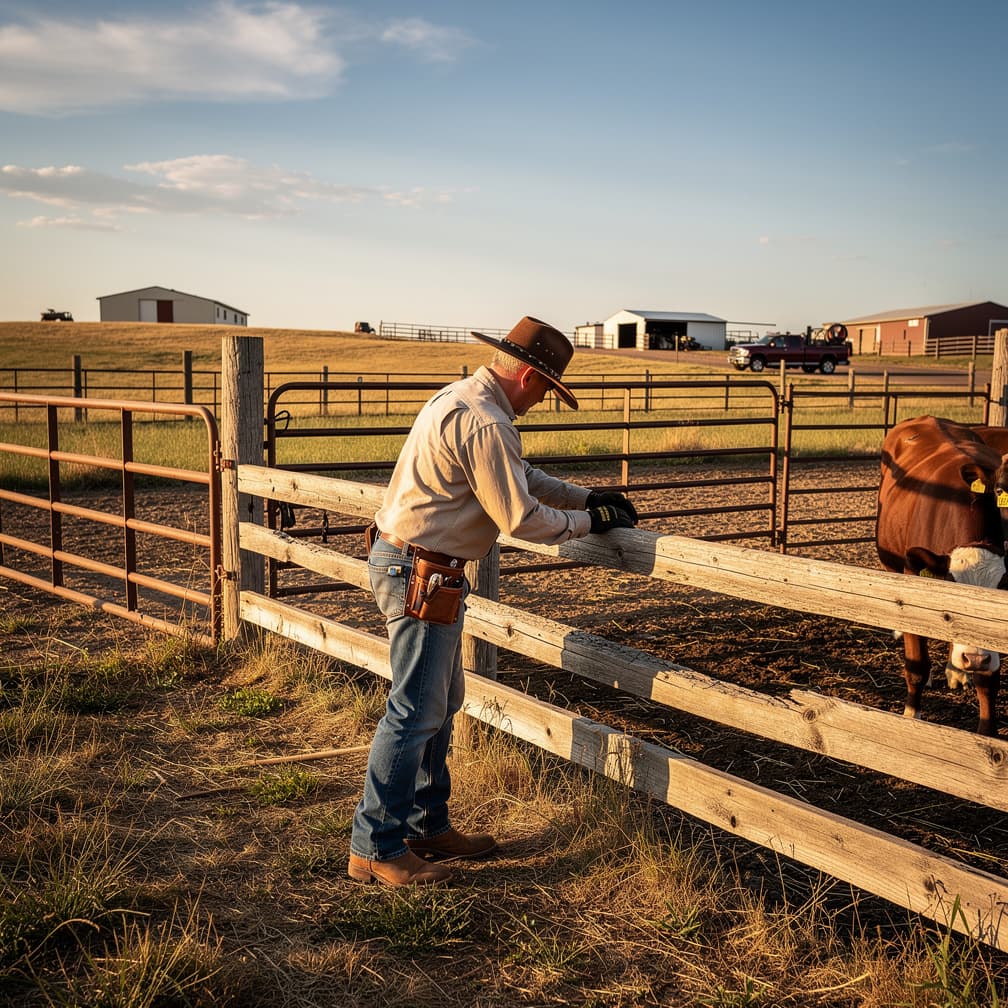
Ranches are not static properties. They are active operations with livestock, people, vehicles, buildings, and equipment all moving at once. That creates a different risk profile than a basic property policy is usually designed to address. A ranch insurance quote helps you line up coverage with the real exposures tied to your operation, especially when you are responsible for animals, visitors, employees, and rural buildings spread across a large property.
For many owners, ranch liability coverage is a major priority. Visitors may come onto the ranch for business reasons, deliveries, tours, inspections, or other on-site activity. Livestock handling, uneven terrain, gates, fencing, and machinery can all create conditions where slip and fall, customer injury, bodily injury, or third-party claims may arise. If a claim happens, legal defense and settlements can become part of the conversation, which is why many ranch owners want to understand their liability options before a loss occurs.
Ranch property insurance is also important because ranches often rely on barns, sheds, fencing, corrals, feed storage, and equipment to keep the operation running. Severe weather, storm damage, vandalism, theft, and equipment breakdown can interrupt day-to-day work and create added expenses. In some cases, business interruption coverage may be part of the broader discussion if a covered loss slows operations.
Commercial auto can matter as well when trucks, trailers, or other vehicles are used for ranch business. If employees or others use vehicles for ranch-related tasks, the quote process should account for that exposure. Workers compensation can also be relevant where there are eligible employees performing ranch duties, especially when there is risk tied to workplace injury, medical costs, lost wages, rehabilitation, occupational illness, or OSHA-related concerns.
The biggest reason to request a ranch insurance quote is fit. Ranch insurance requirements, ranch insurance cost, and ranch insurance coverage all vary based on location, acreage, herd type, buildings, payroll, and vehicle use. A quote-first approach helps you compare options for working ranch insurance without guessing what is included. If your ranch operates in Texas, Oklahoma, Montana, Colorado, Wyoming, or another rural market, sharing accurate details is the best way to get a meaningful review of your agricultural insurance quote and make informed decisions for your operation.
Insurance Tips for Ranch Owners
List every building on the property, including barns, sheds, corrals, and storage structures, before requesting a ranch insurance quote.
Include livestock handling areas, visitor access points, and delivery zones so ranch liability coverage reflects real on-site activity.
Provide a full vehicle schedule for ranch trucks, trailers, and any hired auto or non-owned auto use tied to the operation.
Ask how ranch property insurance responds to storm damage, theft, vandalism, and equipment breakdown for working ranch equipment.
Share payroll and job duties if you need workers compensation as part of your ranch insurance coverage review.
Confirm whether your ranch insurance requirements include proof of liability limits for leases, lenders, or contracts before you bind coverage.
FAQ
Frequently Asked Questions About Ranch Insurance
Coverage varies, but a working ranch insurance policy may include general liability, commercial property, commercial auto, and workers compensation options. It can be structured around buildings, equipment, livestock-related operations, and on-site exposures.
Ranch insurance cost varies based on location, acreage, herd type, buildings, vehicles, payroll, and coverage limits. The most accurate way to review pricing is to request a ranch insurance quote with full operational details.
Expect to provide information about your property location, acreage, buildings, vehicles, livestock operations, payroll, and any contract or lender requirements. Those details help shape the ranch insurance quote and coverage options.
Ranch insurance coverage can be reviewed for livestock-related exposures and liability concerns involving visitors, but the exact terms vary by policy. Share your operation details so the quote can reflect the protections you want to compare.
Ranch property insurance can be discussed for buildings, equipment, and other property exposed to storm damage and natural disaster-related losses. The available options depend on the policy structure and the specifics of your ranch.
Provide your ranch name, location, acreage, livestock type, buildings, vehicles, payroll, and any special exposures such as visitor access or hired equipment use. That information helps build a more accurate ranch insurance quote.
Helpful details include your property address, acreage, building list, equipment inventory, vehicle use, livestock operation type, payroll, and any ranch insurance requirements from lenders or contracts. More complete details usually make the quote more useful.
Ranch insurance is designed for working ranches and agricultural businesses, so it can account for livestock operations, visitor exposure, equipment use, vehicles, and rural property risks that standard property coverage may not fully address.
Updated March 31, 2026
CPK Insurance Editorial Team
Reviewed by Licensed Insurance Agents