






































Updated March 31, 2026

CPK Insurance Editorial Team
Reviewed by Licensed Insurance Agents
Why Videographer Businesses Need Insurance
A videographer insurance quote should be shaped by the way you shoot, edit, transport gear, and deliver final files. A solo creator filming weddings may need a different mix than a crew handling corporate shoots, commercial work, or event videography insurance. Your setup may also change from project to project if you use rented cameras, assistants, drones, or mobile storage devices. That is why a one-size-fits-all policy can leave gaps.
Many videographers start with general liability for videographers. This can address third-party claims tied to bodily injury, property damage, advertising injury, slip and fall, customer injury, legal defense, and settlements. If you are working in a wedding venue, a conference center, a studio, or a client office, that layer may be important when someone else says your work caused an issue. Some clients list videographer insurance requirements in contracts before work can begin, so having proof ready can help you move faster through approvals.
Professional liability insurance for videographers, often called E&O insurance for videographers, is another common piece of a video production insurance package. It is designed for claims involving professional errors, omissions, negligence, malpractice, client claims, and related legal defense needs. If a client says the final edit missed a required segment, delivered the wrong format, or did not match the agreed scope, this coverage may be part of the discussion.
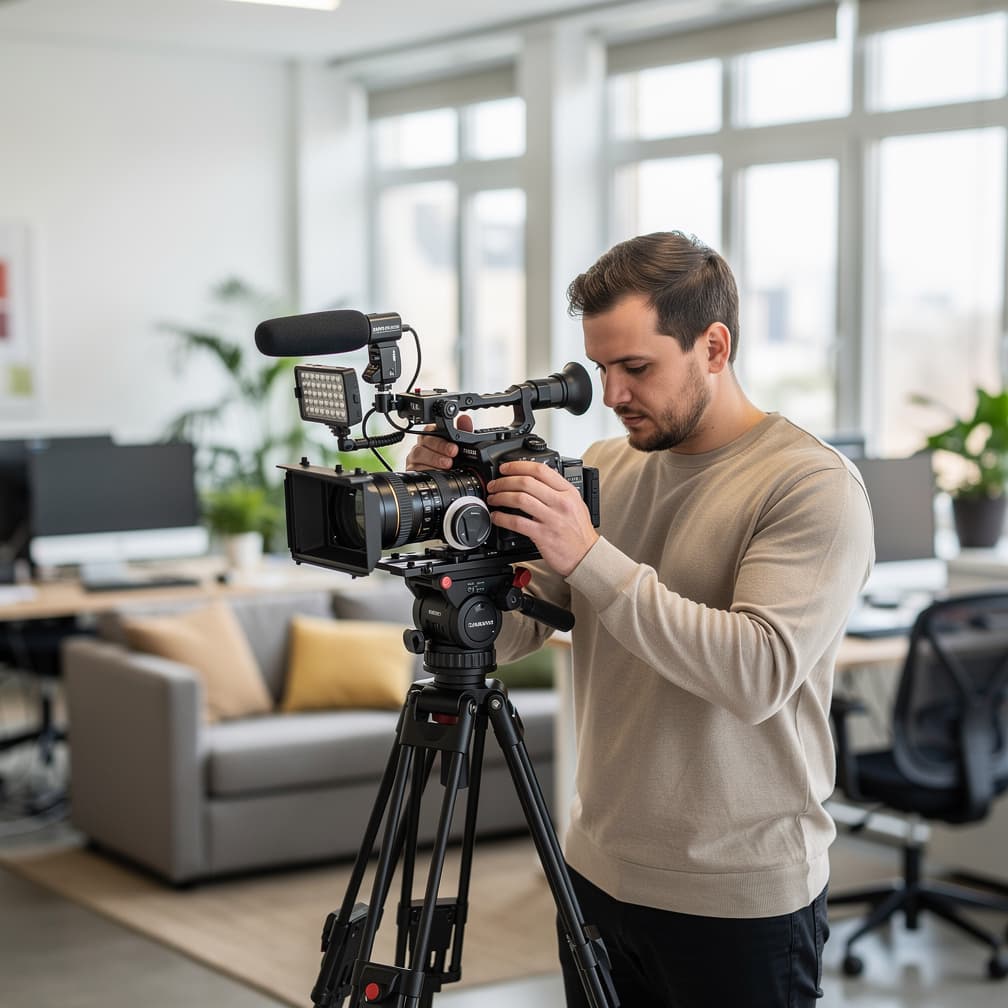
Camera equipment insurance is also central for many owners. Videographers often move valuable gear from car to venue to studio and back again. Inland marine-style coverage can help address tools, mobile property, equipment in transit, contractors equipment, and rented gear, depending on the policy terms. That matters for camera bodies, lenses, lights, microphones, tripods, gimbals, and other production tools used across multiple locations.
Cyber liability insurance may be relevant too, especially if you manage client contracts, payment data, project files, or cloud-based delivery systems. Risks can include ransomware, data breach, data recovery, regulatory penalties, phishing, cyber attacks, network security, privacy violations, malware, and social engineering. If your workflow depends on digital delivery, backup systems, and online communication, this coverage can be worth reviewing.
A videographer insurance quote can also be tailored for travel shoots, local venues, studio work, and client contract requirements. Whether you are a freelancer or a growing production company, the right policy stack depends on your gear value, the kind of shoots you take, and the coverage limits your clients ask for. If you want to compare options quickly, start with the basics: general liability, professional liability, equipment coverage, and cyber protection where needed.
The best next step is to request a quote that reflects your actual operation, not a generic template. That way, you can review coverage options for wedding venues, corporate shoots, event production, on-location filming, and drone videography insurance in one place.
Recommended Coverage for Videographer Businesses
Based on the risks videographer businesses face, these coverage types are essential:

General Liability Insurance
Essential coverage for every business — protect against third-party bodily injury, property damage, and advertising claims.

Professional Liability Insurance
Protect your business from claims of negligence, errors, and omissions in your professional services.

Inland Marine Insurance
Protect tools, equipment, and goods in transit or stored at locations away from your primary premises.

Cyber Liability Insurance
Defend your business against data breaches, cyberattacks, and digital liability with cyber coverage.
Common Risks for Videographer Businesses
- A guest, client, or venue visitor is injured during setup or filming and files a third-party claim.
- A light stand, cable, or tripod creates a slip and fall issue at a wedding venue, studio, or corporate location.
- A client says the final video missed required footage, was delivered in the wrong format, or did not match the agreed scope.
- Camera bodies, lenses, audio gear, or drones are damaged while being transported between shoots.
- Rented equipment or contractor-owned tools are lost, delayed, or returned with damage after an event or travel shoot.
- Client files, payment details, or cloud-delivered footage are exposed through phishing, ransomware, or a data breach.
Get Your Videographer Insurance Quote
Compare rates from multiple carriers. Free quotes, no obligation.
What Happens Without Proper Coverage?
Videography work moves fast, and the risks move with it. One day you are filming a wedding at a venue with strict contract requirements, and the next you are setting up lights in a corporate office, carrying camera gear through a crowded lobby, or delivering footage through a cloud platform. A videographer insurance quote helps you line up protection with those real-world conditions instead of guessing what might be enough.
General liability for videographers is often the first layer owners ask about because it can respond to third-party claims tied to bodily injury, property damage, slip and fall, customer injury, advertising injury, legal defense, and settlements. That matters when you are working around guests, clients, venue staff, or other vendors. Professional liability insurance for videographers, including E&O insurance for videographers, is just as important if a client says there was a professional error, omission, or negligence in the final deliverable. For example, a missed shot list item, wrong export format, or late delivery dispute can lead to client claims that need a response.
Equipment coverage is another practical need. Camera equipment insurance can help protect the tools you depend on, including mobile property, tools, contractors equipment, equipment in transit, and rented gear, depending on the policy. If your business depends on cameras, lenses, audio kits, lighting, and stabilizers, a loss or damage event can interrupt your ability to work. That is especially true for event videography insurance, travel shoots, and on-location filming where gear is constantly moving.
Cyber liability insurance may also matter if you store footage, backup files, invoices, or client information online. Risks like ransomware, data breach, phishing, malware, privacy violations, and social engineering can disrupt your workflow and create extra costs. For solo operators and video production companies alike, the point is not to buy every policy available. It is to choose the mix that fits your contracts, your equipment, and the way you actually deliver work.
If clients ask for videographer insurance requirements, having the right proof ready can help you stay on schedule. If you run a studio, take corporate shoots, or travel for weddings and commercial projects, a tailored quote can help you compare coverage options without overcomplicating the process. The right policy stack can support your business from first frame to final edit.
Insurance Tips for Videographer Owners
Match your general liability limits to the venues and client contract requirements you work under most often.
Add professional liability insurance for videographers if you deliver edits, creative direction, or final productions clients rely on.
Review camera equipment insurance for cameras, lenses, audio gear, lighting, drones, and other mobile property you carry to shoots.
Ask whether rented gear, tools in transit, and contractors equipment can be scheduled or covered under your policy setup.
Check cyber liability insurance if you store client files, use cloud delivery, or handle payment and contract information online.
Keep proof of insurance ready for wedding venues, corporate shoots, event production, and on-location filming approvals.
Revisit limits before peak season or travel shoots so your coverage stays aligned with the value of your gear and project mix.
FAQ
Frequently Asked Questions About Videographer Insurance
Coverage can vary, but many videographers look at general liability, professional liability, equipment coverage, and cyber liability. Those options may address third-party claims, professional errors, gear exposure, and digital risks tied to client files or online delivery.
Videographer insurance cost varies based on location, payroll, equipment value, coverage limits, and the kind of shoots you take. Wedding, event, corporate, travel, and studio work can all affect the quote.
Requirements vary, but clients and venues often ask for general liability and proof of coverage before approving wedding venues, corporate shoots, or event production work. Some contracts may also ask about equipment or professional liability.
Many videographers review all three. General liability may help with third-party claims, equipment insurance can address gear exposure, and E&O insurance for videographers may respond to professional errors or omissions in the work you deliver.
Some policy structures can be tailored for solo operators or larger video production insurance needs, but the right fit depends on your crew size, client contracts, gear, and the type of shoots you handle.
Have your business details ready, including the type of shoots you do, gear value, whether you use drones or rented equipment, and any client contract requirements. That helps speed up the quote process.
Wedding and event videography insurance often starts with general liability and equipment coverage, while corporate or commercial work may also call for professional liability and cyber protection, depending on your workflow.
Yes, those needs are often reviewed during the quote process. Rented gear, assistants, and drone videography insurance may be available depending on the policy and the work you perform.
Updated March 31, 2026
CPK Insurance Editorial Team
Reviewed by Licensed Insurance Agents