

































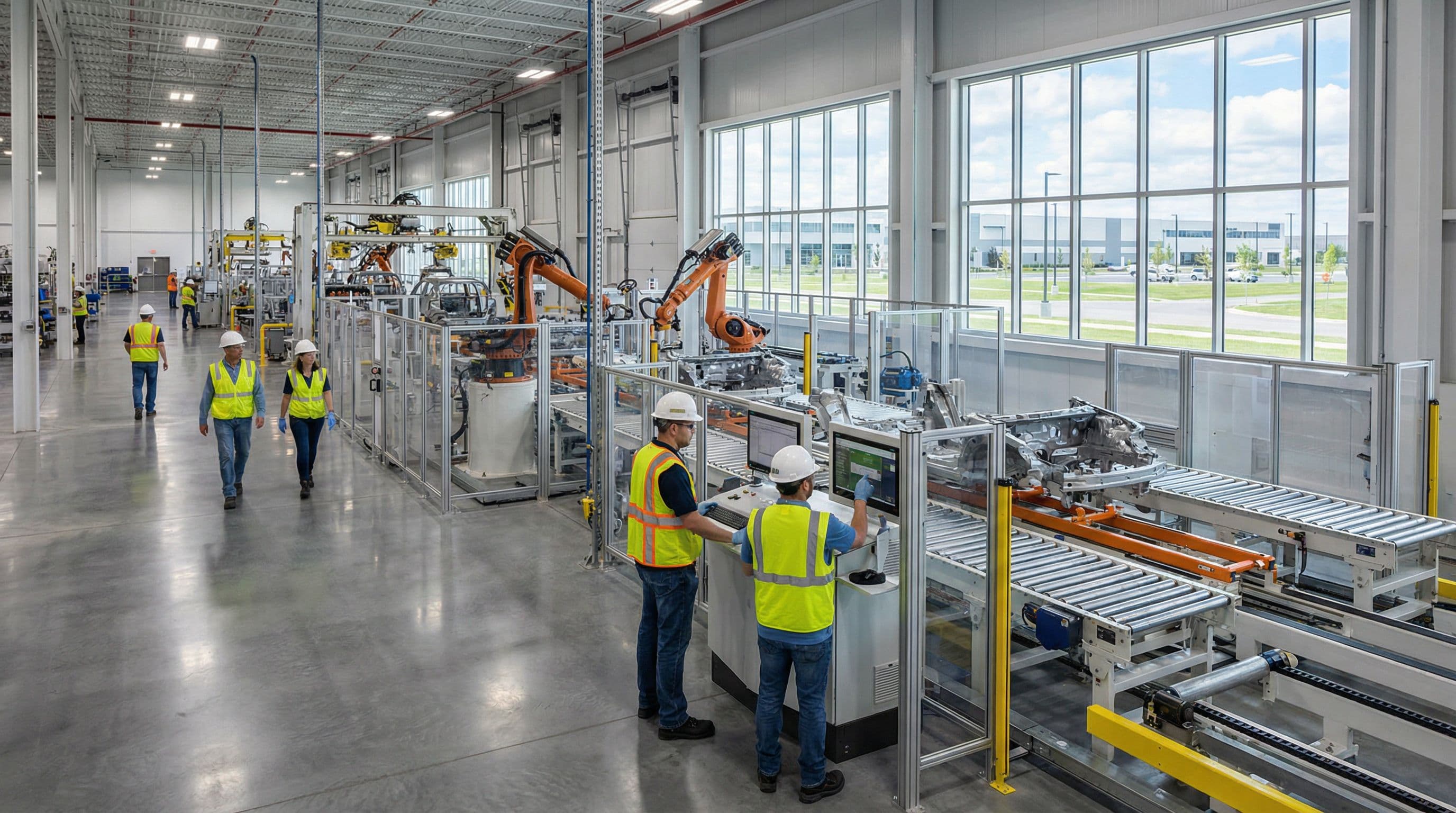
Recommended Coverage for Manufacturing in Los Angeles, CA
Manufacturing businesses face unique risks that require specific coverage types. Here are the policies most manufacturing operations need:

General Liability Insurance
Essential coverage for every business — protect against third-party bodily injury, property damage, and advertising claims.

Commercial Property Insurance
Safeguard your business property, equipment, and inventory against damage and loss.

Workers Compensation Insurance
Cover your employees' medical expenses and lost wages for work-related injuries and illnesses.

Commercial Umbrella Insurance
Extend your liability limits beyond your primary policies for extra protection against catastrophic claims.

Inland Marine Insurance
Protect tools, equipment, and goods in transit or stored at locations away from your primary premises.

Commercial Auto Insurance
Protect your business vehicles and drivers with comprehensive commercial auto coverage.
Manufacturing Insurance Overview in Los Angeles, CA
Manufacturing insurance in undefined, CA has to fit a city where production facilities operate alongside a large professional services base, a 15.1% healthcare share, and a 10.5% retail footprint. That mix can mean tighter delivery windows, more customer traffic near industrial sites, and more pressure to keep equipment, inventory, and access points protected. With a 2024 environment shaped by a 139 cost-of-living index, a median home value of $464,000, and 101,367 total business establishments, local manufacturers often need coverage that matches both facility complexity and neighborhood exposure.
In undefined, the risk picture also includes a 119 crime index, 14% flood-zone exposure, and high natural disaster frequency. Wildfire risk, drought conditions, power shutoffs, and air quality events can all affect operations, especially when a plant depends on sensitive machinery, temperature control, or just-in-time shipments. A local manufacturing insurance quote should account for building damage, equipment breakdown, third-party claims, and business interruption so your coverage reflects how your shop, plant, or fabrication floor actually runs.
Why Manufacturing Businesses Need Insurance in Los Angeles, CA
Manufacturing operations in undefined face more than routine day-to-day wear. A single slip and fall in a warehouse aisle, a customer injury at a loading area, or a third-party claim tied to a product leaving the facility can disrupt output and trigger legal defense costs or settlements. That matters in a city with a high business count and a diverse economy, where manufacturers often operate near busy commercial corridors, service providers, and retail traffic.
Local conditions add another layer. A 14% flood-zone presence, high natural disaster frequency, and recurring wildfire smoke or power shutoffs can interrupt production even when the building itself is intact. Equipment breakdown can stop a line quickly, and business interruption coverage may help address lost income while repairs are underway. Commercial property insurance for manufacturers can also be important for building damage, theft, vandalism, and storm damage, while commercial umbrella coverage can extend liability limits for catastrophic claims. For many facilities, the right mix of industrial insurance is less about one policy and more about aligning coverage limits, underlying policies, and the actual risks of the site.
California employs 1,442,252 manufacturing workers at an average wage of $69,000/year, with employment declining at 1.7% annually. Payroll-based coverages like workers' comp are directly tied to wage levels — higher payroll means higher premiums.
California requires workers' comp for businesses with employees (exemptions may apply: Sole proprietors; Some partners). Non-compliance can result in fines and personal liability for owners. Commercial auto minimums are $15,000/$30,000/$5,000.
Key Risks for Manufacturing Businesses
Each of these risks can lead to claims that cost thousands — or more. Make sure your policy addresses every one:
- Product liability and recall costs
- Workplace injuries and safety violations
- Equipment breakdown
- Supply chain disruption
- Environmental contamination
- Property damage from fire or explosion
What Drives Manufacturing Insurance Costs in Los Angeles, CA
Manufacturing insurance cost in undefined varies based on how much square footage you operate, the value of machinery and inventory, and how exposed your site is to local hazards. The city’s 139 cost-of-living index and $464,000 median home value suggest that property-related exposures can be meaningful, especially if your facility sits in a higher-value or higher-traffic area. A 119 crime index may also affect how carriers view theft, vandalism, and security controls.
Risk factors can influence pricing too. High natural disaster frequency, wildfire risk, drought conditions, power shutoffs, and air quality events can all shape manufacturing insurance coverage needs. Larger payrolls, more vehicles, more tools, and more mobile property can also change a manufacturing insurance quote. If your operation uses specialized machinery, equipment breakdown coverage for manufacturing may be a key cost driver. The same is true for manufacturer insurance that includes commercial property insurance for manufacturers, liability, and interruption protection. Final pricing varies by limits, deductibles, location, and the condition of your facility and equipment.
Insurance Regulations in California
Key regulatory requirements for businesses operating in CA.
Regulatory Authority
California Department of InsuranceWorkers' Compensation Insurance
Required for employers with 1+ employee.
Exempt categories:
- Sole proprietors
- Some partners
Commercial Auto Minimum Liability
$15,000/$30,000/$5,000 (bodily injury per person / per accident / property damage)
Source: California Department of Insurance, U.S. Department of Labor
What Drives Manufacturing Insurance Costs in California
California premiums are 28% above the national average. Comparing multiple carriers is critical for manufacturing businesses to avoid overpaying.
California's top natural hazards — wildfire, earthquake, drought — directly affect property and liability premiums for manufacturing businesses. Check your policy exclusions and ask about endorsements for these perils.
CPK Insurance compares manufacturing quotes from top-rated carriers in California. Enter your ZIP code to see rates in minutes.
Where Manufacturing Insurance Demand Is Highest in California
1,442,252 manufacturing workers in California means significant insurance demand. These cities have the highest concentration of manufacturing businesses:
Climate Risk Profile
Natural Disaster Risk in California
Understanding climate-related risks helps determine appropriate insurance coverage levels.
Wildfire
Very High
Earthquake
Very High
Drought
High
Flooding
High
Expected Annual Loss from Natural Hazards
$9.8B
estimated economic loss per year across California
Source: FEMA National Risk Index
Insurance Tips for Manufacturing Business Owners in Los Angeles, CA
Match building damage and equipment breakdown limits to the actual replacement cost of your plant, production line, and critical machinery.
Review business interruption terms so a shutdown tied to wildfire smoke, power shutoffs, or storm damage does not leave a gap in income protection.
Add liability protection that addresses bodily injury, property damage, and third-party claims from visitors, vendors, or delivery activity at your site.
If your operation ships parts, finished goods, or tools, ask about inland marine coverage for equipment in transit, mobile property, and contractors equipment.
For any fleet, service van, or delivery vehicle, confirm commercial auto options for vehicle accident, collision, comprehensive, hired auto, and non-owned auto exposure.
If your facility stores valuable records, bids, or production documents, consider valuable papers coverage as part of a broader industrial insurance review.
Get Manufacturing Insurance in Los Angeles, CA
Enter your ZIP code to compare manufacturing insurance rates from top carriers.
Business insurance starting at $25/mo
Manufacturing Business Types in Los Angeles, CA
Find insurance tailored to your specific manufacturing business. Select your business type for coverage recommendations, pricing, and quotes:

Machine Shop Insurance
A machine shop insurance quote helps you compare coverage for CNC work, fabrication, equipment breakdown, and completed-product claims. It’s built for shops that need a fast, tailored path to coverage.

Food Manufacturer Insurance
Get a food manufacturer insurance quote built around contamination events, product recall costs, and production interruptions. Compare coverage for your facility, products, and contracts.

Woodworking Shop Insurance
Get a woodworking shop insurance quote built around fire hazards, heavy equipment, client projects, and shop equipment. Compare coverage for your shop, tools, and customer work.

Printing Company Insurance
Get printing business insurance built for presses, finishing equipment, and client-facing operations. Request a quote to review coverage for equipment failures, premises liability, and job errors.

Textile Manufacturer Insurance
Get a textile manufacturer insurance quote built around looms, dyeing lines, finishing equipment, and the day-to-day risks of fabric and garment production. Coverage can be shaped to your operation, location, and contract needs.

Electronics Manufacturer Insurance
Electronics manufacturer insurance helps protect against defect claims, recalls, facility risks, and disruptions across your production and distribution chain. Request a tailored electronics manufacturer insurance quote built around your operation.

Plastics Manufacturer Insurance
Get a plastics manufacturer insurance quote built around polymer production, chemical exposure, and downstream product claims. Compare coverage options that fit your operation.
FAQ
Manufacturing Insurance FAQ in Los Angeles, CA
Coverage can vary, but many manufacturing insurance programs are built around liability, commercial property, equipment breakdown, and business interruption. Depending on your operation, you may also need protection for theft, vandalism, storm damage, and third-party claims tied to visitors or vendors.
Manufacturing insurance cost varies with your building value, machinery, payroll, security controls, vehicle use, and disaster exposure. In undefined, the 139 cost-of-living index, $464,000 median home value, and local risk factors can all affect a quote.
Requirements vary by operation, contracts, and policy structure. Many businesses review workers compensation for manufacturing, liability limits, and commercial property insurance for manufacturers when comparing manufacturing insurance requirements in undefined.
A manufacturing insurance package may include liability for third-party claims, equipment breakdown coverage for manufacturing, and commercial property insurance for manufacturers. If your operation has higher exposure, commercial umbrella coverage can add extra liability limits.
If you have employees, workers compensation for manufacturing is commonly part of the review. If your operation uses company vehicles, delivery vans, or hired autos, commercial auto coverage may also be relevant for vehicle accident, collision, comprehensive, and non-owned auto exposure.
Prepare details on your facility, equipment, payroll, vehicles, security, and shipment activity before requesting a manufacturing insurance quote. A local insurance agent can help compare industrial insurance options and tailor coverage to your plant, shop, or fabrication floor.
Most manufacturers start with General Liability Insurance, Commercial Property Insurance, Workers Compensation Insurance, and often Commercial Umbrella Insurance. Depending on the operation, Inland Marine Insurance, Commercial Auto Insurance, and equipment-related coverage can also be important. The right mix depends on your machinery, products, fleet, and whether you store or ship goods off-site.
General Liability Insurance may help with third-party injury or property damage claims, but product recall costs are often excluded or limited. Manufacturers should review whether separate product recall coverage or a tailored endorsement is needed. This is especially important for businesses with higher product liability exposure or components used in other finished goods.
Workers Compensation Insurance can help cover medical costs and lost wages for employees injured while operating machinery, handling materials, or performing maintenance. In manufacturing, claims often involve cuts, crush injuries, burns, repetitive stress, or forklift incidents. Proper job classifications and safety programs can help keep the policy accurate and support claims management.
Commercial Property Insurance covers damage from many common perils, but mechanical failure is often excluded unless equipment breakdown coverage is added. Manufacturers should ask about protection for motors, compressors, boilers, and production equipment that could stop operations if they fail. This can be especially important when one machine is critical to the entire line.
Inland Marine Insurance can help protect tools, materials, and equipment while they are in transit or stored away from the main facility. That matters for manufacturers that move molds, inventory, prototypes, or service tools between plants, warehouses, and customer sites. It can also be useful for leased or borrowed equipment used in production.
Yes, if those trucks, vans, or service vehicles are used for business, Commercial Auto Insurance is typically important. It can help address accidents involving deliveries, supplier pickups, or transporting materials between locations. Personal auto policies usually do not adequately cover business use.
Some manufacturing losses involve spills, fumes, or improper disposal that can lead to cleanup costs and third-party claims. General Liability Insurance may not fully address pollution-related exposure, so manufacturers should ask about environmental liability options. The need is especially relevant for operations using chemicals, coatings, fuels, or industrial waste.
Insurers focus on the products made, the type of machinery used, payroll, revenue, building protections, claims history, and whether the business has fleet or shipping exposure. Higher-hazard processes, such as welding, machining, or chemical handling, can increase premiums. Strong maintenance, safety training, and loss controls can help improve underwriting results.