Updated March 31, 2026

CPK Insurance Editorial Team
Reviewed by Licensed Insurance Agents
Car Insurance in San Francisco
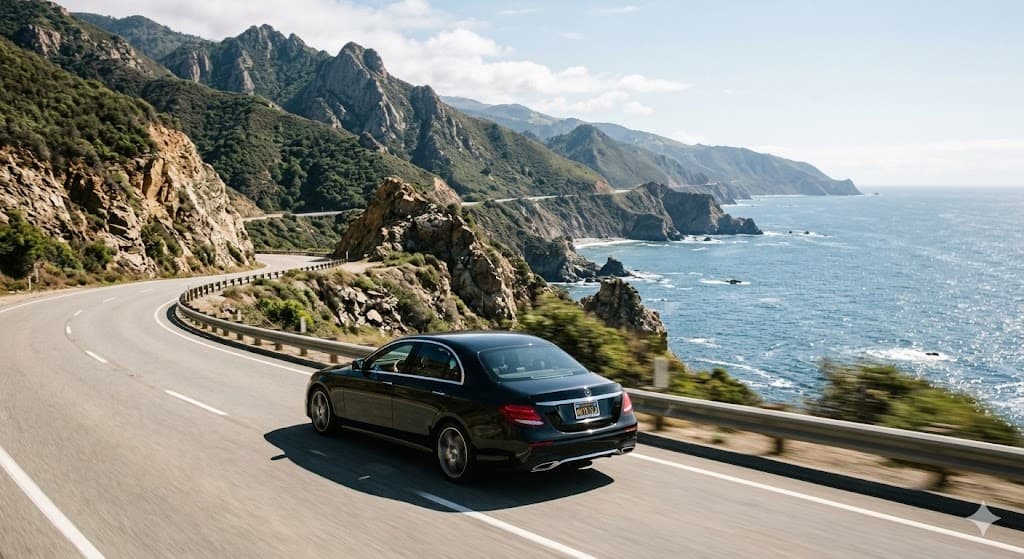
Buying car insurance in San Francisco means thinking beyond the usual California checklist. Car insurance in San Francisco has to fit a city where steep hills, dense street parking, narrow one-way blocks, and a high volume of daily stop-and-go driving all change how a policy gets used. A commute that averages 37.6 minutes can mean more time on the road, more exposure to an auto accident, and more chances to rely on liability, collision, comprehensive, uninsured motorist, medical payments, or rental car benefits after a claim. Local conditions also matter: the city’s overall crime index is 150, property crime is elevated, and motor vehicle theft remains a real concern, so coverage choices should reflect where your car is parked overnight and how often it sits on the street. San Francisco’s 2024 risk profile also includes wildfire risk, air quality events, power shutoffs, and drought conditions, which can affect how drivers think about comprehensive protection and deductible choices. If you want a policy that fits city driving, the details matter as much as the premium.
Car Insurance Risk Factors in San Francisco
San Francisco’s risk profile makes certain coverages more relevant for city drivers. The city’s overall crime index is 150, and property crime is high, which can make comprehensive coverage in San Francisco more important for vehicles parked on the street, in garages with frequent turnover, or near busy commercial corridors. Motor vehicle theft is also a local factor, so drivers should pay close attention to comprehensive coverage and deductible choices. The city’s top risks include wildfire risk, drought conditions, power shutoffs, and air quality events, which can influence how a car is exposed when it is parked outside or used during disruptive conditions. For commuters, the average 37.6-minute drive time increases time spent in traffic, which can raise the odds of an auto accident and make liability coverage in San Francisco, collision coverage in San Francisco, and medical payments coverage in San Francisco more practical to review closely.
California has a very high climate risk rating. Top hazards: Wildfire (Very High), Earthquake (Very High), Drought (High), Flooding (High). The state's expected annual loss from natural hazards is $9.8B, which influences car insurance premiums and may affect coverage availability in high-risk areas.
What Car Insurance Covers
Car insurance coverage in California is built around the same core protections, but local conditions make the mix more important. Liability coverage in California helps pay for injuries you cause to others, while collision coverage in California applies when your vehicle is damaged in an accident, regardless of fault. Comprehensive coverage in California is especially relevant in a state with very high wildfire risk, high flooding risk, and repeated disaster declarations, because non-collision losses can be a major concern for vehicles parked or driven in exposed areas. Uninsured motorist coverage in California is also worth reviewing because the state’s uninsured driver rate is 15.2%, which means some drivers may be involved in crashes with people who do not carry enough protection. Medical payments coverage in California can help with medical expenses after an auto accident, and rental reimbursement coverage in California can be useful if your car is in the shop after a covered claim.
California’s Department of Insurance regulates the market, and coverage requirements may vary by driver, vehicle, and risk profile. The state has a commercial auto minimum listed as $15,000/$30,000/$5,000, but personal auto needs can differ, so policy limits should be reviewed carefully. California drivers also face a very high overall climate risk rating, with wildfire and earthquake both rated very high, plus high drought and flooding exposure. That means exclusions, deductibles, and endorsements matter when you compare car insurance coverage in California. A policy should be checked line by line for what is included, what is excluded, and whether rental reimbursement or medical payments are added to support your daily driving needs.
Coverage Included

Liability
Protection for liability-related losses and claims
Collision
Protection for collision-related losses and claims

Comprehensive
Protection for comprehensive-related losses and claims

Uninsured Motorist
Protection for uninsured motorist-related losses and claims

Medical Payments
Protection for medical payments-related losses and claims
Rental Reimbursement
Protection for rental reimbursement-related losses and claims
Car Insurance Cost in San Francisco
In California, car insurance premiums are 28% above the national average. Comparing quotes from multiple carriers is especially important here.
Average Cost in California
$128 – $342 per month
per month
- Driving record and age
- Vehicle make, model, and year
- Location and commute distance
- Credit-based insurance score
- Coverage limits and deductibles
Contact CPK Insurance for a personalized quote.
National average: $100 – $233 per month
* Estimates based on industry averages. Actual premiums depend on your specific business details, claims history, and coverage selections. Rates shown are for informational purposes only and do not constitute a quote.
Car insurance cost in California is shaped by a premium environment that is above the national average. PRODUCT_STATE_DATA shows an average premium range of $128 to $342 per month, and the state premium index is 128, which indicates higher pricing pressure than the national baseline. That does not mean every driver pays the same amount; your car insurance quote in California will still depend on coverage limits, deductibles, claims history, location, and policy endorsements.
Several California-specific factors push prices up or down. The state’s 2023 auto accident data shows 485,000 total crashes, 4,407 fatalities, and an average claim cost of $16,190, so insurers price for a large and costly claims environment. Risk also varies by driving behavior: reckless driving accounted for 35.5% of top crash causes, speeding for 22.6%, and following too closely for 15.9%. Those patterns can affect how insurers view local driving risk, especially for commuters in dense corridors like Los Angeles, the Bay Area, and Sacramento.
Climate and crime also matter. California’s very high wildfire risk, high flooding risk, and elevated motor vehicle theft rate all influence comprehensive coverage in California and the overall premium. The state has an overall crime index of 108 and a motor vehicle theft rate of 1,427.5, which is a major local factor for vehicle owners. On the other hand, California also has 1,340 active insurance companies, so drivers can still compare quotes across a large market. If you want a clearer price picture, compare the same limits, deductibles, and coverages across carriers such as State Farm, CSAA, Farmers, GEICO, and Progressive, because small changes in deductible or rental reimbursement coverage can move the monthly premium noticeably.
Industries & Insurance Needs in San Francisco
San Francisco’s economy helps explain why many residents need flexible auto insurance in San Francisco. Professional & Technical Services make up 10.2% of local industry, Healthcare & Social Assistance is 15.1%, Accommodation & Food Services is 11.4%, Retail Trade is 7.5%, and Manufacturing is 7.3%. That mix points to a workforce that often depends on reliable transportation for commuting, shift work, client visits, and cross-city travel. In practice, that can increase interest in rental reimbursement coverage in San Francisco when a vehicle is unavailable after a covered claim, and it can make medical payments coverage in San Francisco worth reviewing for people who spend a lot of time driving between job sites or work locations. The city’s industry profile also means many drivers need policies that handle frequent parking changes, varied commute patterns, and daily use across busy neighborhoods. For local drivers, coverage is not abstract; it is part of keeping work and household routines moving.
Car Insurance Costs in San Francisco
San Francisco sits in a high-cost environment, and that shapes how drivers think about premium and deductible tradeoffs. The city’s median household income is 84,553, but the cost of living index is 132, so many households are balancing transportation protection against higher everyday expenses. That makes a car insurance quote in San Francisco especially sensitive to how much coverage you choose and how much out-of-pocket risk you can handle after a claim. Drivers who live or work in neighborhoods with street parking, dense traffic, or frequent vehicle turnover may see more pressure on car insurance cost in San Francisco than drivers in lower-density areas. Local premiums are also influenced by the city’s elevated crime index and theft exposure, which can affect comprehensive coverage in San Francisco. For many residents, the real question is not just monthly price; it is whether the policy structure matches the way the vehicle is actually used in a high-cost, high-traffic city.
What Makes San Francisco Different
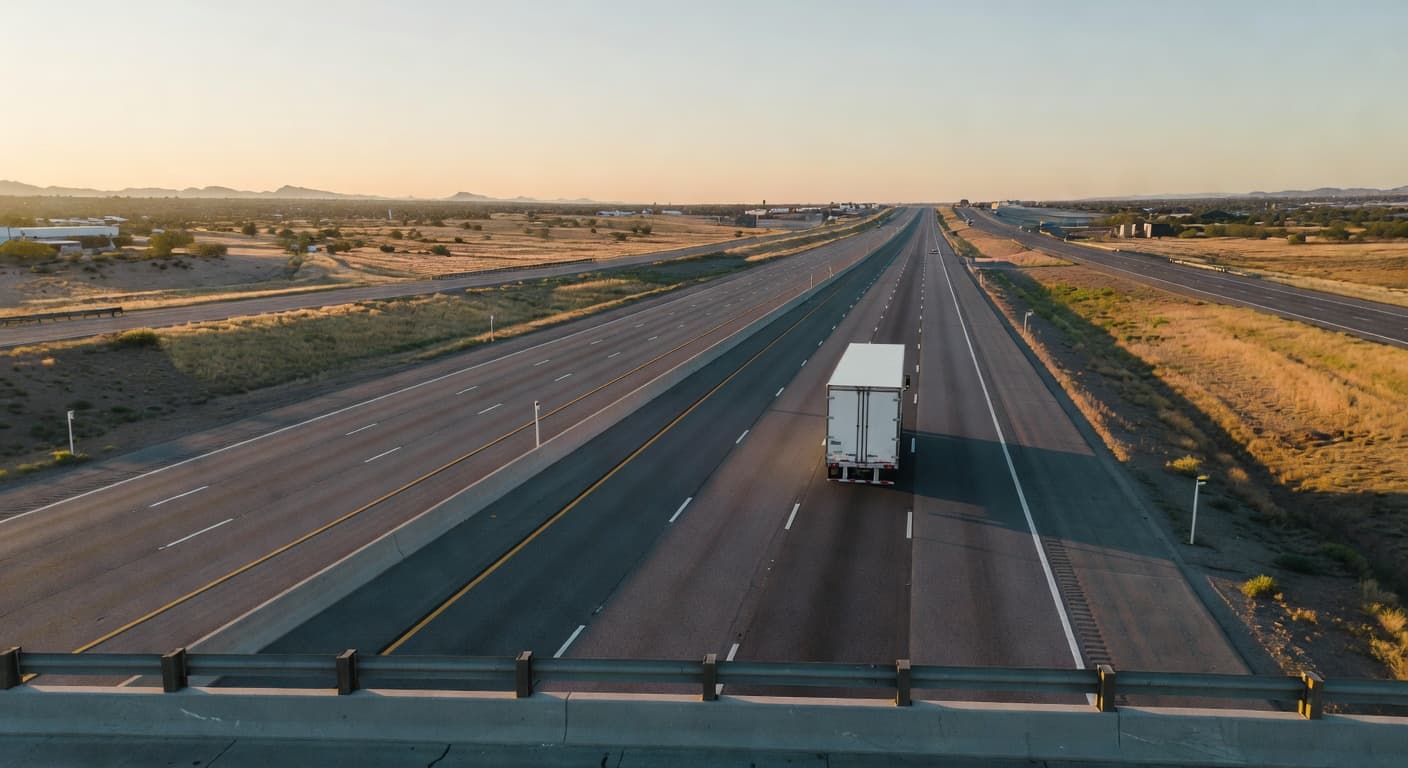
The biggest difference in San Francisco is the combination of dense urban driving and high vehicle exposure. Unlike many places where driving is mostly highway-based, San Francisco drivers deal with steep grades, tight parking, frequent stopping, and higher theft pressure in a compact city grid. That changes the insurance calculus because the risk is not only an auto accident; it is also what happens when a car is parked overnight, left on a street with heavy turnover, or used in a neighborhood with elevated crime. The city’s 37.6-minute average commute adds more time on the road, and the local risk profile includes wildfire risk and air quality events that can disrupt normal driving patterns. For many residents, the most important decision is how to balance liability, collision, comprehensive, and rental car protection against a deductible they can actually manage if something goes wrong.
Our Recommendation for San Francisco
For San Francisco drivers, start by matching coverage to where the car sleeps at night and how often it is driven in dense traffic. If you park on the street, live near busy commercial areas, or commute across the city regularly, comprehensive coverage in San Francisco deserves close attention because theft and property crime are part of the local picture. If your daily route includes steep hills, tight lanes, and frequent braking, collision coverage in San Francisco and liability coverage in San Francisco should be reviewed together rather than separately. Ask for the same deductible and limits on every car insurance quote in San Francisco so you can compare real differences. If you rely on your vehicle for work or caregiving, rental car coverage can matter more than it might in lower-density areas. Finally, make sure medical payments coverage in San Francisco fits how much time you spend on the road and whether you want help with expenses after an auto accident.
Get Car Insurance in San Francisco
Enter your ZIP code to compare car insurance rates from carriers in San Francisco, CA.
Business insurance starting at $25/mo
FAQ
Frequently Asked Questions
Street parking can increase exposure to theft and other non-collision losses, so comprehensive coverage in San Francisco is often worth reviewing carefully. The city’s elevated crime index and motor vehicle theft risk make parking location a real factor in policy decisions.
The average commute is 37.6 minutes, so many drivers spend more time in traffic and face more chances for an auto accident. That can make liability coverage in San Francisco, collision coverage in San Francisco, and medical payments coverage in San Francisco more relevant when you compare policies.
If you depend on your vehicle for commuting, errands, or work travel, rental car coverage can help keep you moving after a covered claim. It may be especially useful in a city where parking, traffic, and repair delays can interrupt daily routines.
Parking location, daily mileage, commute patterns, deductible choice, and the city’s higher crime and theft exposure can all affect a car insurance quote in San Francisco. Coverage choices also matter because dense urban driving changes how often you may need collision or comprehensive protection.
Liability coverage in California helps pay for injuries you cause to others, collision coverage in California applies to damage to your own car in an accident, and comprehensive coverage in California can respond to non-collision losses such as wildfire or flooding exposure. Medical payments coverage in California can help with medical expenses after an auto accident, and rental reimbursement coverage in California can help if your car is unavailable after a covered claim.
California is regulated by the California Department of Insurance, and the state-specific data provided here lists a commercial auto minimum of $15,000/$30,000/$5,000. Personal auto requirements can vary, so drivers should confirm the limits and coverages that apply to their situation before buying a policy.
The state-specific average premium range provided is $128 to $342 per month. Your price can vary based on coverage limits, deductibles, claims history, location, vehicle type, and policy endorsements, so a personalized car insurance quote in California is the best way to compare.
That depends on your car, your commute, and how much risk you want to transfer to the insurer. Liability coverage in California is the starting point, collision coverage in California helps with accident damage to your own vehicle, and comprehensive coverage in California can be especially useful in wildfire-prone or theft-exposed areas.
Uninsured motorist coverage in California is important because the state’s uninsured driver rate is 15.2%. It can help if you are involved in an auto accident with a driver who does not have enough insurance to cover your losses.
Higher deductibles usually reduce the monthly premium, while higher coverage limits generally increase it. In California, where premiums are already above the national average, comparing the same deductible and limit structure across carriers helps you see the real price difference.
Yes, both are common add-ons within car insurance coverage in California. Medical payments coverage in California can help with medical bills after a crash, and rental reimbursement coverage in California can help keep you mobile while a covered repair is being handled.
Start by gathering your vehicle details, driving history, and garaging location, then compare the same coverage setup from multiple carriers. In California’s large market with 1,340 insurers, comparing liability, collision, comprehensive, uninsured motorist, medical payments, and rental reimbursement side by side is the most practical way to choose.
The main types of car insurance coverage are liability (bodily injury and property damage), collision (damage to your car in an accident), comprehensive (theft, weather, and non-collision damage), uninsured/underinsured motorist, medical payments or personal injury protection (PIP), and rental car reimbursement. You can customize your policy with the coverages and limits that fit your needs.
There are several ways to reduce your car insurance costs: bundle with homeowners insurance for a multi-policy discount, maintain a clean driving record, raise your deductible, ask about low-mileage discounts, take advantage of safe driver and good student discounts, and compare quotes from multiple carriers. CPK Insurance shops your coverage across many insurers to find you the best rate.
Car insurance rates are determined by your driving record, age, location, vehicle make and model, credit score (in most states), annual mileage, coverage limits, deductibles, and claims history. Younger drivers and those with recent accidents or violations typically pay higher premiums.
Most car insurance policies can be quoted and bound within 24-48 hours for standard risks. An independent agent like CPK Insurance can compare options from multiple carriers and have your policy in place quickly. Certificates of insurance are typically available the same day the policy is bound.
Yes. Bundling auto with homeowners or renters insurance typically saves 15-25% on both policies. Some carriers also discount when you add umbrella liability coverage. An independent agent can shop bundled rates across multiple carriers for the best deal.
No. Standard personal auto insurance does not cover accidents while driving for rideshare platforms like Uber or Lyft, or delivery services like DoorDash. You need a rideshare endorsement or commercial auto policy to fill this gap. Driving for hire without proper coverage can result in a denied claim.
If you carry uninsured/underinsured motorist coverage (UM/UIM), your own policy pays for your injuries and vehicle damage when the at-fault driver has no insurance or insufficient coverage. About 13% of drivers nationwide are uninsured, making UM/UIM one of the most important coverages to carry.
Contact your insurance carrier's claims department immediately — most have 24/7 claims hotlines. Document the incident thoroughly with photos, written descriptions, and witness information. Notify your insurance agent as well. Prompt reporting is important, as delays can complicate or jeopardize your claim.
Updated March 31, 2026
CPK Insurance Editorial Team
Reviewed by Licensed Insurance Agents