Updated March 31, 2026

CPK Insurance Editorial Team
Reviewed by Licensed Insurance Agents
Commercial Truck Insurance in Aurora
Buying commercial truck insurance in Aurora means looking at more than a truck schedule and a ZIP code. commercial truck insurance in Aurora has to fit a city where annual crashes reached 7,928 in 2023, the crash rate was 2,048 per 100,000 residents, and distracted driving, lane departures, and red-light violations were major contributors. That matters for trucking businesses that move through busy arterials, warehouse corridors, and delivery stops where frequent braking and turning raise exposure for truck liability insurance and physical damage coverage for trucks. Aurora also has 12% of its area in flood zones, plus top risks tied to tornado damage, hail damage, severe storm damage, and wind damage, which can influence how you structure cargo insurance for trucks and physical damage coverage for trucks. With a cost of living index of 115 and a median household income of $99,862, many local operators are balancing route growth, equipment replacement, and contract requirements. If you are comparing a commercial truck insurance quote in Aurora, the key question is how your routes, cargo, and trailer use line up with the city’s traffic and weather exposure.
Commercial Truck Insurance Risk Factors in Aurora
Aurora’s local risk profile makes route exposure especially important for trucking. The city recorded 7,928 annual crashes in 2023, and the most common causes included distracted driving at 31.6%, running red lights or stop signs at 23.9%, lane departure at 23.6%, and speeding at 20.9%. For a trucking operation, those conditions can affect accident frequency, stop-and-go driving risk, and the likelihood of claims tied to truck liability insurance. Aurora also has 12% of its area in flood zones, which can matter for freight movement, yard parking, and equipment storage near low-lying routes. The city’s top risks include tornado damage, hail damage, severe storm damage, and wind damage, all of which can influence physical damage coverage for trucks and the way insurers view parked tractors, trailers, and delivery units. For cargo insurance for trucks, weather-driven disruptions can also affect load handling and delivery timing, especially for local and regional hauling.
Colorado has a high climate risk rating. Top hazards: Hailstorm (Very High), Wildfire (Very High), Tornado (High), Winter Storm (High). The state's expected annual loss from natural hazards is $2.1B, which influences commercial truck insurance premiums and may affect coverage availability in high-risk areas.
What Commercial Truck Insurance Covers
Commercial truck insurance coverage in Colorado is built around the way your trucks actually move freight here, not just the vehicle itself. Motor carrier liability is the core protection for trucking operations, while physical damage coverage for trucks can help with repair or replacement after a covered loss. Cargo insurance for trucks is usually a separate part of the policy and is especially important if you haul freight through hail-prone corridors, winter weather, or higher-theft areas. Trailer interchange coverage matters if you use trailers that are not owned by your business but are under your care under an agreement. Bobtail coverage and non-trucking liability insurance are often considered by owner-operators and independent drivers when the truck is being used outside dispatch, but the fit depends on your exact operating setup.
Colorado-specific factors matter because the state has very high hailstorm risk, high wildfire risk, and high winter storm risk, and those conditions can affect claims and endorsements. The Colorado Division of Insurance regulates the market, and coverage requirements may vary by industry and business size, so a policy for a local box truck route may look different from one for a long-haul tractor-trailer. The state’s commercial auto minimums are listed at $25,000/$50,000/$15,000, but trucking contracts often call for higher liability limits than the state baseline. Coverage can also vary based on whether you run a fleet, a single truck, or a mixed operation with refrigerated trucks, flatbeds, dump trucks, tankers, or delivery vans.
Coverage Included

Motor Carrier Liability
Protection for motor carrier liability-related losses and claims
Physical Damage
Protection for physical damage-related losses and claims
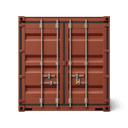
Cargo Coverage
Protection for cargo coverage-related losses and claims
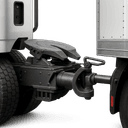
Trailer Interchange
Protection for trailer interchange-related losses and claims
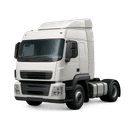
Bobtail Coverage
Protection for bobtail coverage-related losses and claims

Non-Trucking Liability
Protection for non-trucking liability-related losses and claims
Commercial Truck Insurance Cost in Aurora
In Colorado, commercial truck insurance premiums are 18% above the national average. Comparing quotes from multiple carriers is especially important here.
Average Cost in Colorado
$295 – $1,180 per month
per truck/month
- Coverage limits and deductibles
- Claims history
- Location
- Industry or risk profile
- Policy endorsements
Contact CPK Insurance for a personalized quote.
National average: $250 – $1,000 per truck/month
* Estimates based on industry averages. Actual premiums depend on your specific business details, claims history, and coverage selections. Rates shown are for informational purposes only and do not constitute a quote.
The average Colorado pricing data for commercial truck insurance shows $295 to $1,180 per month per truck, compared with a national benchmark that puts Colorado about 18% higher. That higher pricing context fits the state’s premium index of 118 and the fact that Colorado has 480 active insurance companies competing for trucking business. More carrier competition can help with options, but it does not erase the impact of local risk.
Several Colorado factors can move your commercial truck insurance cost up or down. Coverage limits and deductibles matter first, followed by claims history, location, industry or risk profile, and policy endorsements. A truck operating through Denver, mountain routes, or hail-exposed areas may present different pricing than a unit staying on lower-risk local routes. Colorado’s climate profile is a major factor: hailstorm risk is rated very high, wildfire risk is very high, and winter storm risk is high. Those hazards can influence physical damage coverage for trucks, cargo insurance for trucks, and how insurers evaluate your overall exposure.
Your operation also matters. Long-haul fleets, regional delivery routes, and local hauling businesses do not all need the same motor carrier liability coverage in Colorado. A trucking business with a stronger claims record, cleaner driving history, and carefully chosen deductibles may see different pricing than a similar account with recent losses. Because the state’s commercial truck insurance quote in Colorado is shaped by both risk and policy design, the most useful comparison is not just the monthly premium, but what liability, cargo, trailer interchange, bobtail coverage, and non-trucking liability insurance are actually included.
Industries & Insurance Needs in Aurora
Aurora’s industry mix creates steady demand for trucking coverage. Professional & Technical Services account for 13.4% of local industry, Healthcare & Social Assistance 9.8%, Retail Trade 9.3%, Construction 9.2%, and Accommodation & Food Services 7.1%. That combination supports frequent freight movement, from time-sensitive deliveries to job-site materials and business supplies. Retail and food service can increase the need for cargo insurance for trucks because goods often move on tighter schedules and with more stops. Construction activity can increase demand for motor carrier liability coverage in Aurora and physical damage coverage for trucks, especially when equipment, materials, and trailers are moving across active job locations. Healthcare-related freight can also require careful route planning and dependable delivery timing. For local operators, the mix of industries means commercial truck insurance requirements in Aurora can vary by customer and load type, so a policy for a box truck, flatbed, or regional delivery unit may need different endorsements than a long-haul setup.
Commercial Truck Insurance Costs in Aurora
Aurora’s cost context is shaped by a median household income of $99,862 and a cost of living index of 115, which signals a market where operating costs are not low and equipment decisions often have to be made carefully. For trucking businesses, that can affect how they think about deductibles, limits, and whether to add or adjust endorsements on commercial truck insurance coverage in Aurora. Higher local operating costs can also push owners to compare a commercial truck insurance quote in Aurora more closely, especially if they run multiple units or replace equipment on a schedule. Because the city has a large base of working households and active commercial activity, many trucking operators are trying to protect margins while meeting contract requirements. That makes truck liability insurance in Aurora, physical damage coverage for trucks, and cargo insurance for trucks part of a broader budget decision rather than a simple line item. Premiums vary, but local cost pressure often makes matching coverage to actual routes and freight more important than buying broad protection that does not fit the operation.
What Makes Aurora Different
The most important difference in Aurora is the combination of heavy traffic exposure and weather-related loss potential in one operating area. A trucking business here is not just dealing with routine city driving; it is also operating in a place where crash frequency is elevated, distracted driving is a major factor, and severe storm risks include hail, wind, and tornado damage. That changes the insurance calculus because the same truck may face both collision risk in traffic and physical damage risk from weather while parked or en route. Aurora also has a 12% flood-zone footprint, which adds another layer of route and parking consideration for local fleets. For commercial truck insurance coverage in Aurora, the practical result is that liability, physical damage, and cargo protection need to be matched to how often trucks are on the road, where they stage, and what kind of freight they carry. If your operation uses trailers or has frequent stops in mixed commercial areas, these city-specific conditions can influence the structure of the policy more than the vehicle type alone.
Our Recommendation for Aurora
If you are shopping commercial truck insurance in Aurora, start by mapping your routes to the city’s crash and weather exposure. Ask how the quote handles truck liability insurance in Aurora for stop-and-go urban driving, and whether physical damage coverage for trucks reflects hail and wind exposure when units are parked outdoors. If your operation uses borrowed trailers or trailer swaps, make sure trailer interchange coverage is reviewed line by line. For owner-operators, confirm whether bobtail coverage or non-trucking liability insurance fits the way the truck is used between dispatches. Because Aurora has a broad mix of retail, construction, and service-driven freight, it helps to describe your cargo in detail and note whether you make frequent local stops or run regional lanes. Compare a commercial truck insurance quote in Aurora using the same limits and deductibles across carriers so the differences are easier to see. Finally, make sure your policy reflects the actual parking location, route density, and cargo handling practices of your Aurora operation.
Get Commercial Truck Insurance in Aurora
Enter your ZIP code to compare commercial truck insurance rates from carriers in Aurora, CO.
Business insurance starting at $25/mo
FAQ
Frequently Asked Questions
Aurora has higher traffic exposure, 7,928 annual crashes in 2023, and major crash causes like distracted driving and lane departures. That can make truck liability insurance and physical damage coverage for trucks more important for city-based routes than for lower-traffic operations.
Aurora’s top risks include tornado damage, hail damage, severe storm damage, and wind damage, and 12% of the city is in a flood zone. Those conditions can affect physical damage coverage for trucks and how carriers view parked units, trailers, and freight exposure.
Many do, especially if they move retail goods, construction materials, or time-sensitive deliveries tied to local businesses. Cargo insurance for trucks helps address freight exposure, and the right limits depend on what you haul and how often you stop.
Construction, retail trade, healthcare-related supply chains, and food service operations can all rely on trucking. Those industries often care about motor carrier liability coverage in Aurora because they need consistent freight movement and may have contract-driven insurance expectations.
Ask how the quote handles your routes, parking location, cargo type, trailer use, and weather exposure. If you need trailer interchange, bobtail coverage, or non-trucking liability insurance, make sure those endorsements are included in the comparison.
In Colorado, commercial truck insurance can be built around motor carrier liability, physical damage coverage for trucks, cargo insurance for trucks, trailer interchange, bobtail coverage, and non-trucking liability insurance. The right mix depends on whether you run a long-haul fleet, regional delivery route, or local hauling business.
Colorado commercial auto minimums are listed at $25,000/$50,000/$15,000, and the Colorado Division of Insurance regulates the market. Your actual commercial truck insurance requirements in Colorado can vary by industry, business size, and contract terms, so trucking businesses often need limits above the state baseline.
The average Colorado range provided is $295 to $1,180 per month per truck. Your commercial truck insurance cost in Colorado will vary based on coverage limits, deductibles, claims history, location, industry or risk profile, and policy endorsements.
Most Colorado trucking operations start with motor carrier liability coverage in Colorado, then add cargo insurance for trucks if they haul goods and physical damage coverage for trucks if they want help with repairs or replacement after a covered loss. The mix depends on the freight, route, and equipment you use.
Bobtail coverage and non-trucking liability insurance are usually considered when an owner-operator is driving outside dispatch or outside a motor carrier arrangement. In Colorado, the right choice depends on how your truck is used and whether your policy needs to respond when the vehicle is not hauling under load.
Your commercial truck insurance quote in Colorado can be affected by location, claims history, coverage limits, deductibles, and endorsements. Colorado’s high hailstorm risk, wildfire risk, and winter storm risk can also influence how carriers price the policy.
To request a commercial truck insurance quote in Colorado, prepare your vehicle list, route details, cargo type, driver records, claims history, and any needed endorsements like trailer interchange or bobtail coverage. Then compare multiple carriers because Colorado has 480 active insurers and pricing can vary.
Commercial truck insurance covers a wide range of vehicles including semi-trucks, tractor-trailers, box trucks, flatbeds, dump trucks, tankers, refrigerated trucks, and delivery vans. Coverage is available for owner-operators, small fleets, and large trucking companies.
Federal regulations (FMCSA) require a minimum of $750,000 in liability coverage for general freight carriers. Trucks hauling hazardous materials may need $1 million to $5 million in coverage. Many shippers and brokers require higher limits than the federal minimums.
Cargo coverage is available as part of your commercial truck insurance policy but is typically a separate coverage section. It protects the goods you are transporting against theft, damage, or loss during transit. Coverage limits and terms depend on the type of freight you haul.
Most commercial truck insurance policies can be quoted and bound within 24-48 hours for standard risks. An independent agent like CPK Insurance can compare options from multiple carriers and have your policy in place quickly. Certificates of insurance are typically available the same day the policy is bound.
Yes. Bundling commercial truck insurance with your other business insurance policies — such as general liability, commercial property, and workers compensation — typically saves 10-20% through multi-policy discounts. An independent agent can help you find the best bundle pricing across multiple carriers.
Key factors include your industry classification, annual revenue, number of employees, claims history, coverage limits, deductible choices, and geographic location. Coverage limits and deductibles, Claims history, Location, Industry or risk profile, Policy endorsements are all considered in pricing.
Your commercial truck policy covers drivers listed on the policy or included under a blanket driver endorsement. All drivers must meet the carrier's eligibility requirements (MVR check, CDL status, age minimums). Adding or removing drivers typically requires notifying your agent. Owner-operators and subcontractors usually need their own policies.
Contact your insurance carrier's claims department immediately — most have 24/7 claims hotlines. Document the incident thoroughly with photos, written descriptions, and witness information. Notify your insurance agent as well. Prompt reporting is important, as delays can complicate or jeopardize your claim.
Updated March 31, 2026
CPK Insurance Editorial Team
Reviewed by Licensed Insurance Agents