

































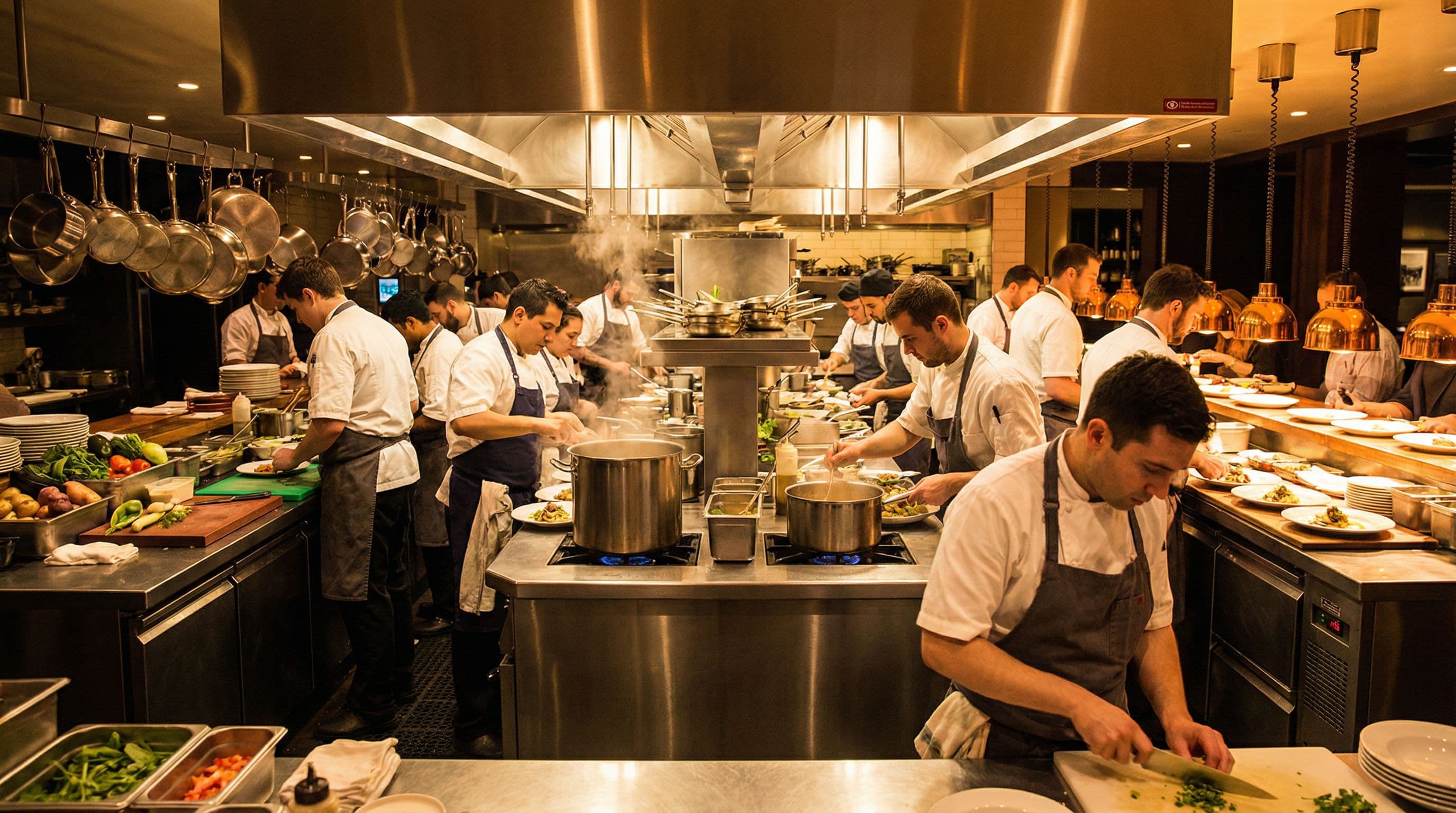
Recommended Coverage for Hospitality & Restaurant in Connecticut
Hospitality & Restaurant businesses face unique risks that require specific coverage types. Here are the policies most hospitality & restaurant operations need:

General Liability Insurance
Essential coverage for every business — protect against third-party bodily injury, property damage, and advertising claims.

Liquor Liability Insurance
Coverage for businesses that sell, serve, or distribute alcohol against alcohol-related liability claims.

Commercial Property Insurance
Safeguard your business property, equipment, and inventory against damage and loss.

Workers Compensation Insurance
Cover your employees' medical expenses and lost wages for work-related injuries and illnesses.

Business Owners Policy Insurance
Bundle property and liability coverage into one convenient, cost-effective policy for small businesses.

Commercial Umbrella Insurance
Extend your liability limits beyond your primary policies for extra protection against catastrophic claims.
Hospitality & Restaurant Insurance Overview in Connecticut
From waterfront hospitality properties to downtown restaurant districts, operations in Connecticut face a mix of guest traffic, weather exposure, and tight service timelines. Hospitality & Restaurant insurance in Connecticut is built around the realities of serving guests in Bridgeport, Stamford, New Haven, Hartford, and airport-adjacent or mixed-use dining corridors where slip-and-fall, property damage, and third-party claims can arise quickly.
If you run a bar and lounge in the entertainment district, a hotel near the airport, or a resort and banquet venue, your insurance needs can shift with alcohol service, event volume, kitchen equipment, seasonal inventory, and building condition. Connecticut’s climate profile also matters: hurricane and nor'easter exposure, plus flooding and winter storm risk, can affect property coverage decisions for dining rooms, common areas, walk-in coolers, and outdoor seating.
A quote should reflect how your business actually operates, including guest-facing spaces, liquor exposure, payroll, and underlying policies. The goal is to align coverage with the risks that come with serving the public in Connecticut, not just with a standard small business form.
Why Hospitality & Restaurant Businesses Need Insurance in Connecticut
A single incident in a Connecticut restaurant, hotel, or bar can trigger more than one claim. A guest slip-and-fall in a lobby, restroom, banquet space, or outdoor dining area may lead to demands for medical costs, lost wages, rehabilitation, and legal defense. If alcohol service is involved, liquor-related third-party claims can also become part of the picture, especially during late-night service, happy hour, or private events.
Connecticut’s rules also matter. Workers compensation insurance requirements in Connecticut apply to businesses with at least one employee, with exemptions for sole proprietors and partners. That makes it important for hospitality employers to confirm they meet the state’s expectations for workplace injury and occupational illness protection, along with OSHA-minded safety practices in kitchens, loading areas, and back-of-house spaces.
Property risks are another major factor. Kitchen fires, equipment breakdown, theft, vandalism, storm damage, and business interruption can affect restaurants, hotels, inns, and banquet venues across the state. That is especially relevant in high-traffic tourist areas, mixed-use retail and dining corridors, and waterfront hospitality properties where weather exposure can vary. With 178,023 people employed in the industry statewide and top city concentrations in Bridgeport, Stamford, and New Haven, Connecticut hospitality businesses often need coverage that matches both guest volume and location-specific exposures.
Connecticut employs 178,023 hospitality & restaurant workers at an average wage of $36,300/year, with employment growing at 2.6% annually. Payroll-based coverages like workers' comp are directly tied to wage levels — higher payroll means higher premiums.
Connecticut requires workers' comp for businesses with employees (exemptions may apply: Sole proprietors; Partners). Non-compliance can result in fines and personal liability for owners. Commercial auto minimums are $25,000/$50,000/$25,000.
Key Risks for Hospitality & Restaurant Businesses
Each of these risks can lead to claims that cost thousands — or more. Make sure your policy addresses every one:
- Foodborne illness claims
- Liquor liability incidents
- Guest slip-and-fall injuries
- Kitchen fires and property damage
- Employee injuries
- Theft and vandalism
What Drives Hospitality & Restaurant Insurance Costs in Connecticut
Restaurant insurance cost in Connecticut varies based on alcohol service, late-night hours, guest volume, delivery and takeout activity, payroll, claims history, square footage, and the condition of the building and kitchen equipment. A fast-casual location in a mixed-use retail and dining corridor will usually look different from a hotel near the airport, a bar and lounge in the entertainment district, or a resort and banquet venue.
Statewide market conditions also shape pricing context. Connecticut’s premium index is 122, with 520 insurers active in the market in 2024. That competitive landscape can create options, but final pricing still depends on your operations, coverage limits, and property values. For example, commercial property insurance for hospitality businesses may need to reflect walk-in coolers, point-of-sale systems, furniture, linens, and seasonal inventory at replacement values, while commercial umbrella insurance can matter more when guest-facing exposures are higher.
Connecticut’s economic profile also plays a role. With 99.4% small businesses, 98,200 total business establishments, and strong hospitality employment in Bridgeport, Stamford, and New Haven, insurers often look closely at how each location manages guest traffic, alcohol exposure, and storm-related property risks. A hospitality insurance quote should be tailored to the business type and location, not treated as one-size-fits-all.
Insurance Regulations in Connecticut
Key regulatory requirements for businesses operating in CT.
Regulatory Authority
Connecticut Insurance DepartmentWorkers' Compensation Insurance
Required for employers with 1+ employee.
Exempt categories:
- Sole proprietors
- Partners
Commercial Auto Minimum Liability
$25,000/$50,000/$25,000 (bodily injury per person / per accident / property damage)
Source: Connecticut Department of Insurance, U.S. Department of Labor
Hospitality & Restaurant Employment in Connecticut
Workforce data and economic impact of the hospitality & restaurant sector in CT.
178,023
Total Employed in CT
+2.6%
Annual Growth Rate
$36,300
Average Annual Wage
Top Cities for Hospitality & Restaurant in CT
Source: BLS QCEW, Census ACS, 2024
What Drives Hospitality & Restaurant Insurance Costs in Connecticut
Connecticut premiums are 22% above the national average. Comparing multiple carriers is critical for hospitality & restaurant businesses to avoid overpaying.
Connecticut's top natural hazards — hurricane, nor'easter, flooding — directly affect property and liability premiums for hospitality & restaurant businesses. Check your policy exclusions and ask about endorsements for these perils.
CPK Insurance compares hospitality & restaurant quotes from top-rated carriers in Connecticut. Enter your ZIP code to see rates in minutes.
Where Hospitality & Restaurant Insurance Demand Is Highest in Connecticut
178,023 hospitality & restaurant workers in Connecticut means significant insurance demand — and it's growing at 2.6% annually. These cities have the highest concentration of hospitality & restaurant businesses:
Climate Risk Profile
Natural Disaster Risk in Connecticut
Understanding climate-related risks helps determine appropriate insurance coverage levels.
Hurricane
High
Nor'easter
High
Flooding
Moderate
Winter Storm
Moderate
Expected Annual Loss from Natural Hazards
$620M
estimated economic loss per year across Connecticut
Source: FEMA National Risk Index
Insurance Tips for Hospitality & Restaurant Business Owners in Connecticut
Match liquor liability limits to how often you serve alcohol, especially for late-night service, private events, and happy-hour promotions in Connecticut.
Review general liability insurance for restaurants in Connecticut for guest slip-and-fall, customer injury, and advertising injury exposures in dining rooms, restrooms, patios, and lobbies.
Make sure commercial property insurance for hospitality businesses in Connecticut reflects kitchen equipment, walk-in coolers, furniture, linens, point-of-sale systems, and seasonal inventory at replacement values.
If your property is in a hurricane, nor'easter, flooding, or winter-storm area, confirm how storm damage and business interruption are handled for dining space, common areas, and guest rooms.
For hotels and inns, check hotel insurance coverage in Connecticut for guest rooms, conference facilities, pools, spas, and shared spaces, not just the front desk or restaurant area.
Verify workers compensation insurance requirements in Connecticut if you have at least one employee, and align your safety program with kitchen, prep, and service-area risks.
Consider business owners policy for restaurants in Connecticut if you want bundled property coverage and liability coverage for a smaller operation with simpler exposures.
Use commercial umbrella insurance for hospitality in Connecticut when high guest volume, alcohol service, or banquet events could create catastrophic claims that exceed underlying policies.
Get Hospitality & Restaurant Insurance in Connecticut
Enter your ZIP code to compare hospitality & restaurant insurance rates from top carriers.
Business insurance starting at $25/mo
Hospitality & Restaurant Business Types in Connecticut
Find insurance tailored to your specific hospitality & restaurant business. Select your business type for coverage recommendations, pricing, and quotes:

Catering Business Insurance
Get coverage built for off-premise food service, event staffing, and venue contract demands. Request a catering business insurance quote that fits your events and operations.

Food Truck Insurance
Get coverage built for mobile kitchen operations, from vehicle and equipment protection to liability for serving food at festivals, downtown routes, and parking lot service locations. Start a food truck insurance quote request to compare options that fit your business.

Bakery Insurance
Request a bakery insurance quote built for bakeries, pastry shops, and cafe bakeries. It can combine property coverage, liability coverage, and equipment breakdown protection.

Restaurant Insurance
Get a restaurant insurance quote built for food service operations. Compare coverage for kitchens, dining rooms, bars, catering, and multiple locations.

Gym Insurance
Get a gym insurance quote built for fitness facilities with general liability, commercial property coverage for gyms, and participant accident coverage. Tailor protection to member injuries, equipment failures, and locker room incidents.

Commercial Venue Insurance
Get coverage built for event spaces that host large gatherings, outside vendors, and alcohol service. Request a commercial venue insurance quote tailored to your venue type and operations.

Coffee Shop Insurance
Get coffee shop coverage built for seating areas, counter service, hot drinks, and equipment. Compare options for liability, property, and business interruption.

Bar Insurance
Get a bar insurance quote built for bars, pubs, and nightlife establishments. Compare coverage for liquor liability, property, and legal defense.

Hotel & Motel Insurance
Get hotel and motel insurance built for lodging properties that face guest injury claims, theft, and property damage. Request a tailored hotel and motel insurance quote for your operation.

Brewery Insurance
Get a brewery insurance quote built for taprooms, brewing equipment, and public-facing operations. Coverage can be tailored for property, liability, and more.

Winery Insurance
Get winery insurance built for tasting rooms, vineyards, retail sales, and special events. Protect against visitor injuries, product issues, and property losses with coverage tailored to your operation.

Bed & Breakfast Insurance
A bed and breakfast blends a home setting with guest-facing operations, so the right insurance needs to address both residential and commercial exposures. Request a bed and breakfast insurance quote tailored to your rooms, services, and property.

Pizza Shop Insurance
Get a pizza shop insurance quote built for dine-in, takeout, and delivery operations. Coverage can be tailored for pizzeria liability, property, and auto risks.

Ice Cream Shop Insurance
Request an ice cream shop insurance quote built for frozen dessert shops, gelato counters, and seasonal parlors. Compare coverage options for customer injury, spoiled inventory, and equipment breakdown.

Juice Bar Insurance
Get a Juice Bar Insurance quote built for juice bars and smoothie shops that serve health-focused drinks, handle perishable inventory, and face customer injury claims. Coverage options can include general liability, commercial property, and workers’ compensation.

Nightclub Insurance
Get a nightclub insurance quote built for after-hours risk, including liquor liability coverage for nightclubs and assault and battery coverage for nightclubs. Compare limits, deductibles, and requirements for your venue.
Hospitality & Restaurant Insurance by City in Connecticut
Insurance rates and requirements can vary by city. Find hospitality & restaurant insurance information for your area in Connecticut:
FAQ
Hospitality & Restaurant Insurance FAQ in Connecticut
A hospitality insurance quote in Connecticut is usually built around your business type, alcohol service, property values, payroll, guest volume, and location. It may include general liability, commercial property, workers compensation, liquor liability, business owners policy, or commercial umbrella coverage, depending on your operations.
If your restaurant, bar, hotel, or banquet venue serves alcohol, liquor liability insurance is often a key consideration. It is especially relevant for late-night service, events, and busy entertainment-district operations where intoxication or overserving allegations can arise.
General liability insurance for restaurants in Connecticut is central for slip-and-fall, customer injury, and third-party claims. It can also be important for outdoor dining setups, lobbies, restrooms, and banquet spaces where guests move through high-traffic areas.
Commercial property insurance for hospitality businesses in Connecticut is the main starting point for building damage, fire risk, theft, vandalism, equipment, and inventory. Coverage should reflect the actual replacement value of your kitchen equipment, furnishings, and seasonal stock.
Yes. Connecticut requires workers compensation insurance for businesses with at least one employee, with exemptions for sole proprietors and partners. Hospitality employers should confirm their policy matches payroll and workplace safety needs.
Many small hospitality businesses use a business owners policy for restaurants in Connecticut to bundle property coverage and liability coverage. Whether that fits depends on your size, alcohol exposure, and overall risk profile.
Commercial umbrella insurance for hospitality in Connecticut can be worth reviewing when you have higher guest volume, alcohol service, banquet events, or multiple locations. It may help add extra liability limits above underlying policies for catastrophic claims.
Yes. A downtown restaurant district, waterfront hospitality property, hotel near the airport, or mixed-use retail and dining corridor can each present different guest traffic, storm damage, and property coverage considerations. Bridgeport, Stamford, and New Haven are especially relevant hospitality markets in the state.
Most restaurants that serve alcohol should look closely at General Liability Insurance, Liquor Liability Insurance, Commercial Property Insurance, and Workers Compensation Insurance. Liquor Liability Insurance is especially important because alcohol-related incidents can create claims that standard liability coverage may not fully address.
General Liability Insurance can help with some foodborne illness claims, but coverage depends on the policy language and the facts of the incident. Restaurants should review exclusions and limits carefully, especially if they offer catering, buffets, or high-volume service.
Hotels often need a broader mix of coverage because they combine lodging, food service, alcohol service, and guest amenities. Commercial Property Insurance, General Liability Insurance, Liquor Liability Insurance, Workers Compensation Insurance, and often Commercial Umbrella Insurance may all be relevant.
A Business Owners Policy Insurance package can be a good fit for smaller cafés and restaurants because it may combine property and liability coverage in one policy. It may also be customizable with business interruption protection, but alcohol service and larger operations often need additional endorsements or separate policies.
Guest slip-and-fall injuries are a core reason hospitality businesses carry General Liability Insurance. The policy may help with medical costs, legal defense, and settlements if the incident is covered, while good maintenance and cleaning procedures can help reduce the chance of claims.
In many states, yes, even part-time or seasonal employees may need to be covered under Workers Compensation Insurance. Hospitality businesses often rely on temporary staff, so it is important to confirm state rules and make sure payroll is reported correctly.
Commercial Property Insurance can help repair or replace damaged property after a covered kitchen fire, and a Business Owners Policy may include business interruption coverage. That combination can be especially helpful if the fire forces you to close while repairs are made.
The right amount depends on alcohol sales, guest volume, lease requirements, and how much risk the business can absorb. Many owners also consider Commercial Umbrella Insurance for added protection above the limits of General Liability Insurance and Liquor Liability Insurance.