


































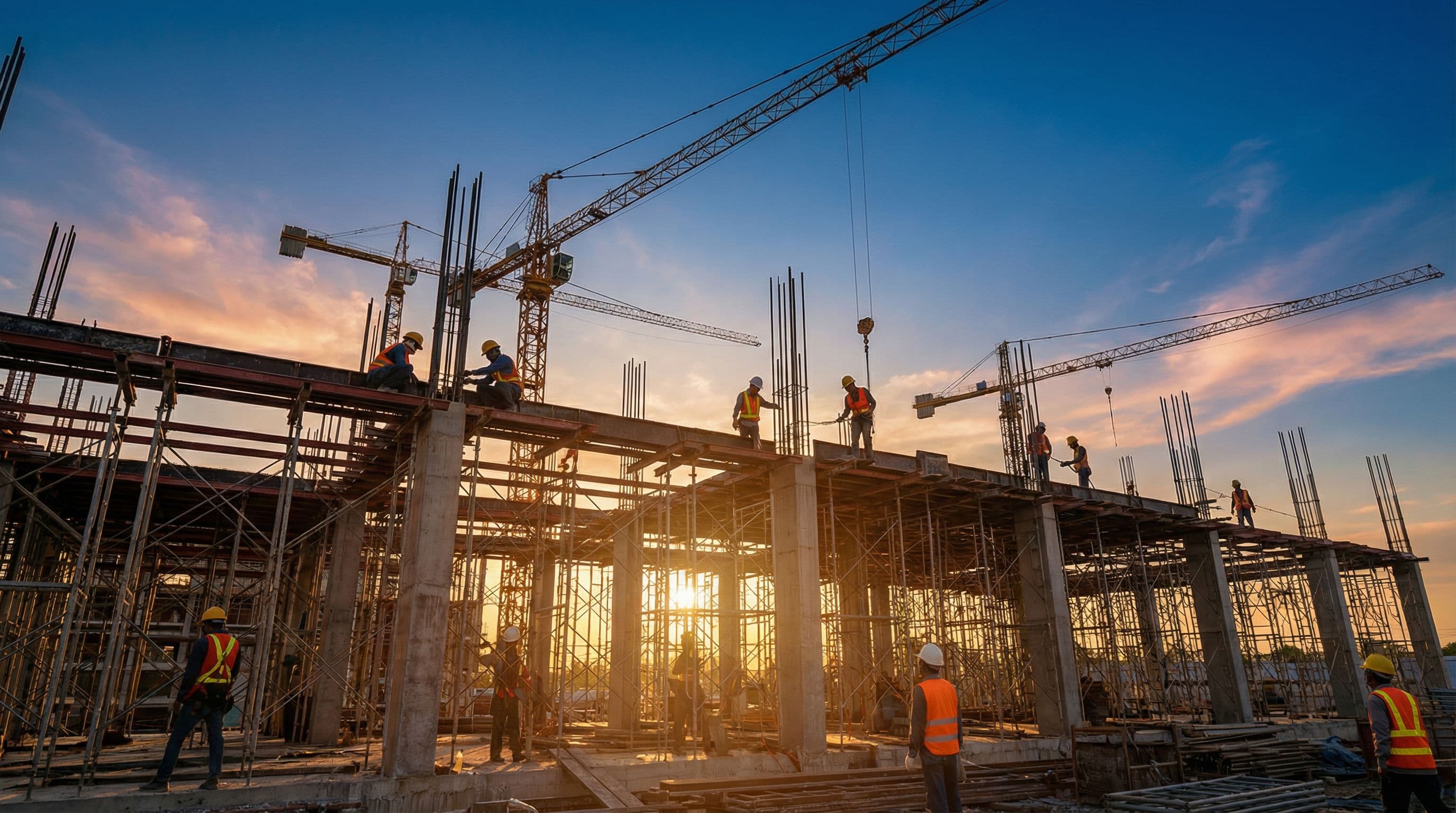
Recommended Coverage for Construction in Washington, DC
Construction businesses face unique risks that require specific coverage types. Here are the policies most construction operations need:

General Liability Insurance
Essential coverage for every business — protect against third-party bodily injury, property damage, and advertising claims.

Workers Compensation Insurance
Cover your employees' medical expenses and lost wages for work-related injuries and illnesses.

Commercial Auto Insurance
Protect your business vehicles and drivers with comprehensive commercial auto coverage.

Commercial Umbrella Insurance
Extend your liability limits beyond your primary policies for extra protection against catastrophic claims.

Inland Marine Insurance
Protect tools, equipment, and goods in transit or stored at locations away from your primary premises.
Construction Insurance Overview in Washington, DC
Washington, DC contractors work in a dense, high-traffic environment where jobs can shift block by block. For firms comparing construction insurance in Washington, DC, the right mix often depends on whether you are moving tools through narrow streets near Capitol Hill, coordinating crews around downtown office towers, or managing projects close to government, healthcare, and professional service buildings. With a 2024 cost of living index of 139, a median home value of $332,000, and a business base that includes 25.4% government and 15.6% professional and technical services, local projects can involve strict schedules, active foot traffic, and higher-value property exposure. Add a crime index of 106, 11% flood zone exposure, and low natural disaster frequency, and the insurance conversation becomes very location-specific. If your work involves subcontractors, vehicles, ladders, lifts, or materials stored offsite, local contractor insurance should be built around those day-to-day risks rather than a one-size-fits-all setup.
Why Construction Businesses Need Insurance in Washington, DC
Construction in Washington, DC often means working around pedestrians, deliveries, public-facing buildings, and tight jobsite access. That raises the stakes for bodily injury, property damage, slip and fall incidents, and third-party claims when crews are moving materials or equipment near sidewalks, alleys, or active entrances. In a city with a crime index of 106 and 11% flood zone exposure, tools, mobile property, and equipment in transit can face added risk between jobs or while staged near the worksite.
The local economy also shapes coverage needs. Washington’s large government, professional, healthcare, and education presence can mean more complex project requirements, tighter contract terms, and more attention to coverage limits, legal defense, and umbrella coverage. For contractors and specialty trades, workers compensation insurance for construction may be part of the planning conversation, along with commercial auto insurance for construction companies, general liability insurance for contractors, and inland marine insurance for construction equipment. The goal is to match coverage to how your crews actually work in Washington, DC, not just to a generic policy checklist.
District of Columbia employs 14,598 construction workers at an average wage of $79,100/year, with employment growing at 1.1% annually. Payroll-based coverages like workers' comp are directly tied to wage levels — higher payroll means higher premiums.
District of Columbia requires workers' comp for businesses with employees (exemptions may apply: Sole proprietors). Non-compliance can result in fines and personal liability for owners. Commercial auto minimums are $25,000/$50,000/$10,000.
Key Risks for Construction Businesses
Each of these risks can lead to claims that cost thousands — or more. Make sure your policy addresses every one:
- Workplace injuries
- Property damage
- Equipment theft
- Subcontractor liability
- Project delays
What Drives Construction Insurance Costs in Washington, DC
Construction insurance cost in Washington varies based on trade, payroll, vehicle use, project size, subcontractor exposure, and the value of tools or equipment on site. Local conditions can also influence pricing discussions: a cost of living index of 139, median home value of $332,000, and dense jobsite conditions around downtown corridors may affect how carriers view property damage and liability exposure.
Risk factors matter too. Washington’s crime index of 106 can be relevant for tools, mobile property, and equipment in transit, while 11% flood zone exposure may affect certain project locations. Because the city has low natural disaster frequency overall, some risks may be more tied to daily operations than major weather events. Construction insurance quote details vary by company size, vehicle count, and whether you need coverage limits, excess liability, or umbrella coverage for larger contracts.
Insurance Regulations in District of Columbia
Key regulatory requirements for businesses operating in DC.
Regulatory Authority
DC Department of Insurance, Securities and BankingWorkers' Compensation Insurance
Required for employers with 1+ employee.
Exempt categories:
- Sole proprietors
Commercial Auto Minimum Liability
$25,000/$50,000/$10,000 (bodily injury per person / per accident / property damage)
Source: District of Columbia Department of Insurance, U.S. Department of Labor
What Drives Construction Insurance Costs in District of Columbia
District of Columbia premiums are 42% above the national average. Comparing multiple carriers is critical for construction businesses to avoid overpaying.
District of Columbia's top natural hazards — flooding, hurricane, extreme heat — directly affect property and liability premiums for construction businesses. Check your policy exclusions and ask about endorsements for these perils.
CPK Insurance compares construction quotes from top-rated carriers in District of Columbia. Enter your ZIP code to see rates in minutes.
Where Construction Insurance Demand Is Highest in District of Columbia
14,598 construction workers in District of Columbia means significant insurance demand — and it's growing at 1.1% annually. These cities have the highest concentration of construction businesses:
Climate Risk Profile
Natural Disaster Risk in District of Columbia
Understanding climate-related risks helps determine appropriate insurance coverage levels.
Flooding
High
Hurricane
Moderate
Extreme Heat
Moderate
Winter Storm
Moderate
Expected Annual Loss from Natural Hazards
$95M
estimated economic loss per year across District of Columbia
Source: FEMA National Risk Index
Insurance Tips for Construction Business Owners in Washington, DC
Match general liability insurance for contractors to the way your crews work on sidewalks, in alleys, and near occupied buildings in Washington, DC, where slip and fall and property damage claims can happen fast.
If your team drives between job sites, ask about commercial auto insurance for construction companies and whether hired auto or non-owned auto exposure should be considered for temporary vehicle use.
For tools, ladders, lifts, and portable materials, inland marine insurance for construction equipment can help address equipment in transit and mobile property exposure across the city.
If you use subcontractors, confirm how contractor insurance handles third-party claims, legal defense, and whether your contracts call for higher coverage limits or umbrella coverage.
For jobs with multiple floors, tight staging areas, or materials stored offsite, review what the policy says about contractors equipment, installation, and builders risk needs.
If your work involves crews, heavy lifting, or repetitive site tasks, workers compensation insurance for construction should be reviewed alongside employee safety procedures and rehabilitation needs.
Get Construction Insurance in Washington, DC
Enter your ZIP code to compare construction insurance rates from top carriers.
Business insurance starting at $25/mo
Construction Business Types in Washington, DC
Find insurance tailored to your specific construction business. Select your business type for coverage recommendations, pricing, and quotes:

Roofing Insurance
Get roofing insurance coverage shaped around your crews, tools, vehicles, and job-site requirements. A roofing insurance quote can help you compare limits, certificates, and policy options before you start the next project.

Painting Contractor Insurance
Get a painting contractor insurance quote built for property damage risk, jobsite proof needs, and active project requirements. Coverage can be tailored for residential painters, commercial crews, and interior or exterior jobs.

Electrical Contractor Insurance
Get an electrical contractor insurance quote designed for electricians who need protection for property damage, injury claims, and equipment loss. Compare coverage options and request a quote with less back-and-forth.

Home Builder Insurance
Get a home builder insurance quote built for licensed home builders, custom home builders, and residential contractors. Protect completed operations, worksite liability, subcontractor exposure, and new construction projects.

Pool & Spa Contractor Insurance
Pool & spa contractor insurance helps protect builders and installers from jobsite injuries, equipment damage, and completed operations claims. Request a pool & spa contractor insurance quote for coverage that fits your work.

General Contractor Insurance
A general contractor insurance quote helps you line up coverage for active jobs, finished work, and subcontractor exposure. Build a policy that fits your contracts, jobsite requirements, and project type.

Flooring Contractor Insurance
Get flooring contractor insurance built around installs, hauling, tools, and customer-site work. Compare coverage options and request a quote that fits your crew, materials, and job mix.

Concrete Contractor Insurance
Get a concrete contractor insurance quote built for pouring, forming, finishing, and repair work. Compare coverage for crews, vehicles, tools, and jobsite claims.

Demolition Contractor Insurance
Get a demolition contractor insurance quote built for wrecking work, debris damage, and adjacent property exposure. Coverage options can be matched to your project types, jobsite risks, and contract requirements.

Excavation Contractor Insurance
Get coverage built for excavation and grading work, including liability, heavy equipment, and vehicle exposure. Request an excavation contractor insurance quote tailored to your jobs and operations.

Masonry Contractor Insurance
Masonry Contractor Insurance helps brick and stone contractors protect jobsites, equipment, and client projects. Request a tailored quote for coverage that fits residential and commercial masonry work.

Drywall Contractor Insurance
Request a drywall contractor insurance quote built for interior rough and finish work, including moisture damage claims, finish defect disputes, tools, vehicles, and jobsite liability. Coverage needs vary by project type, crew size, and contract requirements.

Fencing Contractor Insurance
Request a fencing contractor insurance quote built for property line disputes, installation damage, and crew injury risk. Protect your fence installation work with coverage that fits your services and service area.

Siding Contractor Insurance
Request a siding contractor insurance quote built around installation work, weather-related liability, crews, tools, and jobsite needs. Compare coverage options for residential, commercial, or mixed siding operations.

Window & Door Installer Insurance
A window and door installer insurance quote helps protect your crews, tools, vehicles, and customer property on every job. It can be built for on-site installations, residential and commercial jobs, and custom-fit work.

Carpenter Insurance
Get carpenter insurance coverage built for cabinet jobs, finish carpentry, and woodworking contractors. Protect tools, client property, and day-to-day operations with a quote made for your trade.

Glazier Insurance
Get coverage built for glass installation crews, subcontractors, and commercial glass installers. A glazier insurance quote helps you compare protection for breakage, liability, and job-site incidents.

Insulation Contractor Insurance
Get coverage built for insulation contractors handling residential and commercial work, including spray foam, fiberglass, and cellulose installs. Request an insulation contractor insurance quote matched to your jobsite risks and business size.

Paving & Asphalt Contractor Insurance
Get a paving & asphalt contractor insurance quote tailored to your crews, equipment, and jobsite requirements. Compare options for liability, equipment, and vehicle protection.

Plastering & Stucco Contractor Insurance
Get a plastering and stucco contractor insurance quote built for workmanship liability, moisture damage claims, and on-site injuries. Coverage needs vary by jobsite, county rules, and project type.

Waterproofing Contractor Insurance
Get a waterproofing contractor insurance quote built for property damage claims, chemical exposure, and jobsite liability. Compare coverage options for your business, vehicles, and projects.

Debris Removal Insurance
Get coverage support for debris hauling and demolition work, including vehicle accidents, site injuries, and improper disposal claims. Request a debris removal insurance quote for your operation.

Sign Installation Contractor Insurance
Request a sign installation contractor insurance quote built for electrical work, elevated surfaces, heavy equipment, and property damage exposure. Compare coverage options for your jobs, crew, and vehicles.

Cabinet Installer Insurance
Get cabinet installer insurance built for finished-home work, job-site property damage, and claims that can surface after the install is done. Request a quote for general liability, completed operations, workers compensation, and more.
FAQ
Construction Insurance FAQ in Washington, DC
Most contractors start by reviewing general liability, workers compensation, commercial auto, commercial umbrella, and inland marine coverage. The right mix varies by trade, crew size, vehicles, tools, and project type.
Dense streets, active foot traffic, and equipment moving between projects can increase attention on bodily injury, property damage, slip and fall, and equipment in transit exposures.
Yes, quote requests can be built around multiple jobs or ongoing work. Pricing and coverage details vary based on project scope, locations, and how often equipment or crews move around the city.
Ask how the policy responds to third-party claims, legal defense, and whether your contract requires higher coverage limits or umbrella coverage when subcontractors are involved.
If you use trucks, vans, trailers, or portable equipment, commercial auto insurance for construction companies and inland marine insurance for construction equipment are common areas to review.
Quote timing varies, but it usually helps to have your trade type, payroll, vehicles, equipment list, and project details ready before you request one.
Most construction businesses start with General Liability Insurance and Workers Compensation Insurance. General Liability can help with property damage and third-party injury claims, while Workers Compensation is commonly required once you have employees. Depending on your operation, Commercial Auto Insurance and Inland Marine Insurance may also be essential.
Subcontractors should usually carry their own insurance, especially for Workers Compensation Insurance and General Liability Insurance. If a subcontractor is uninsured, your business may still face subcontractor liability exposure through the contract or claim process. Always verify certificates and written requirements before they step onto the jobsite.
General Liability Insurance can help with accidental property damage to third-party property, but it does not usually cover your own work, tools, or materials. Damage to your equipment may fit better under Inland Marine Insurance, while vehicles would fall under Commercial Auto Insurance. Coverage depends on the cause of loss and policy terms.
Inland Marine Insurance is often used to cover tools, equipment, and materials that are transported or stored away from your main location. This can be especially important for contractors with trailers, generators, compressors, or specialty trade tools. A detailed inventory helps make claims easier if equipment is stolen or damaged.
Workers Compensation Insurance is designed to help cover employee injuries and illnesses that happen in the course of work, including many common construction injuries such as falls, strains, and cuts. It may also help with medical care and lost wages, depending on the claim and state rules. Proper classification and safety practices still matter for both compliance and pricing.
Commercial Umbrella Insurance can provide extra liability protection when a claim exceeds the limits of your General Liability Insurance, Commercial Auto Insurance, or Employers Liability coverage. It is often considered on larger commercial projects or when contracts require higher limits. It may be especially useful if your business faces serious injury or property damage claims.
Premiums are usually influenced by trade type, payroll, project size, claims history, vehicle use, and the value of tools and equipment. High-risk work like roofing or excavation often costs more than lower-risk trades because of greater exposure to workplace injuries and property damage. Strong safety controls and accurate subcontractor management can help support better pricing.
Some policies may help with parts of the financial fallout, but project delays are often handled indirectly through liability coverage, equipment coverage, and contract management. For example, Inland Marine Insurance may help replace stolen equipment, allowing work to resume sooner. Review your contracts carefully because delay penalties and lost profits may not be fully covered without specialized protection.