

































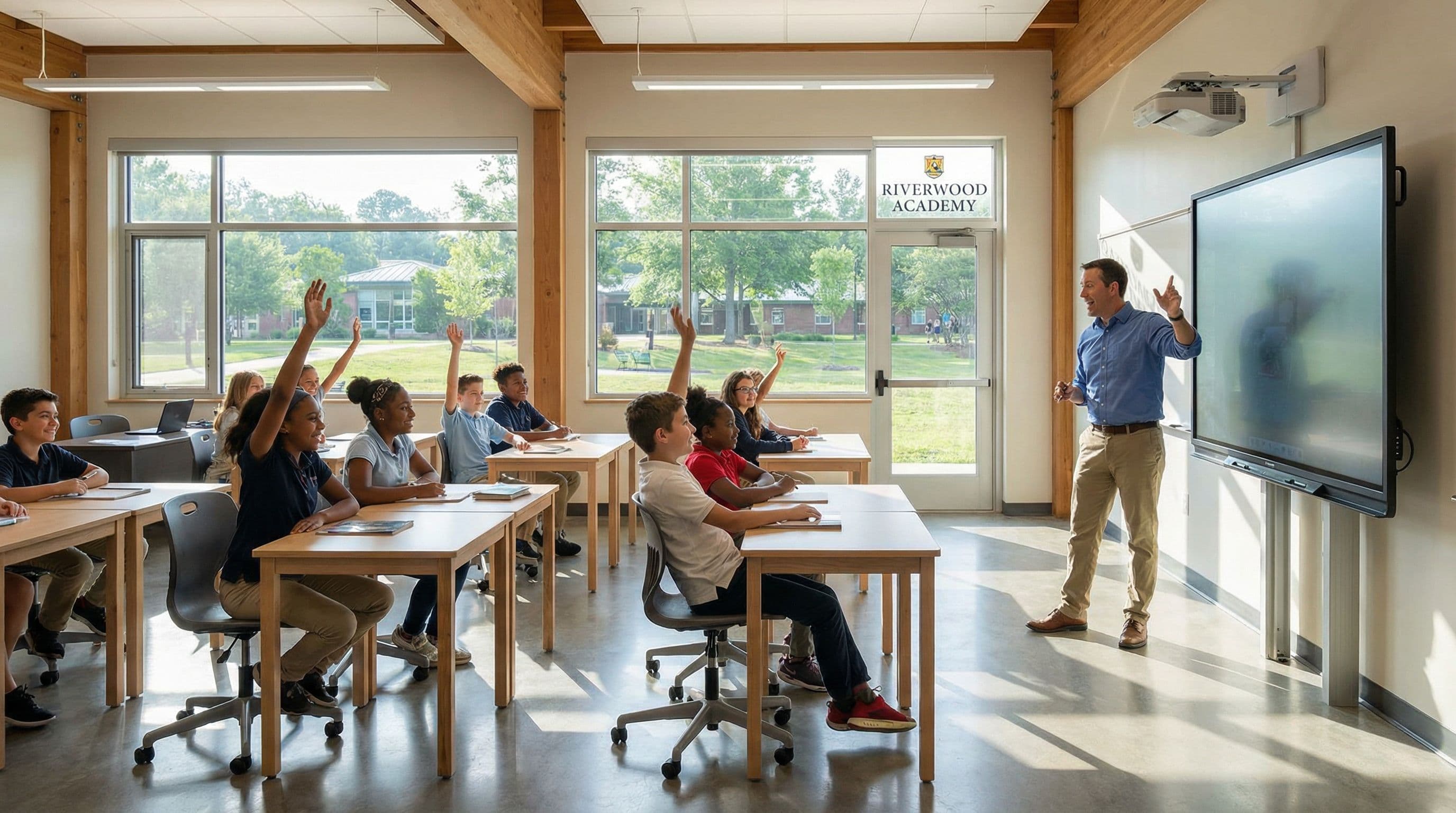
Recommended Coverage for Education in Washington, DC
Education businesses face unique risks that require specific coverage types. Here are the policies most education operations need:

General Liability Insurance
Essential coverage for every business — protect against third-party bodily injury, property damage, and advertising claims.

Professional Liability Insurance
Protect your business from claims of negligence, errors, and omissions in your professional services.

Commercial Property Insurance
Safeguard your business property, equipment, and inventory against damage and loss.

Workers Compensation Insurance
Cover your employees' medical expenses and lost wages for work-related injuries and illnesses.

Cyber Liability Insurance
Defend your business against data breaches, cyberattacks, and digital liability with cyber coverage.

Commercial Umbrella Insurance
Extend your liability limits beyond your primary policies for extra protection against catastrophic claims.
Education Insurance Overview in Washington, DC
Washington, DC education organizations operate in a city where government offices, professional services, healthcare, and schools all share the same dense urban footprint. That mix can mean crowded entrances, shared hallways, visiting families, after-hours programs, and frequent movement between classrooms, offices, and common areas. For schools, tutoring centers, training academies, and other learning spaces, education insurance in Washington, DC is built to respond to those everyday exposures without treating every campus the same.
Local conditions matter here. The District’s cost of living index is 139, median home value is 332,000, and the city has 19,307 business establishments, so facilities, equipment, and staffing needs can vary widely from one neighborhood to the next. Washington also has a crime index of 106, an 11% flood-zone share, and low natural disaster frequency, which makes property damage, vandalism, and severe weather part of the planning conversation. If your organization serves students in busy corridors, hosts tutoring after school, or stores records and devices on site, coverage should reflect those realities rather than a one-size approach.
Why Education Businesses Need Insurance in Washington, DC
Education organizations in Washington, DC face a mix of general liability, professional liability, and cyber exposure that can change from one location to another. A school or tutoring center near a busy commercial corridor may see more slip and fall or customer injury concerns at check-in, dismissal, or during parent visits. Shared classrooms, offices, and multipurpose spaces can also increase the chance of third-party claims tied to negligence, property damage, or building damage.
The city’s 25.4% government employment share and 15.6% professional and technical services presence point to a large population that expects organized operations, documented procedures, and careful handling of student records. That makes student records cyber liability, data breach response, and network security planning especially relevant for institutions that use online portals, tablets, or remote learning tools. Education professional liability insurance can also help address allegations tied to professional errors, omissions, or client claims in instruction, advising, or administration. With Washington’s 106 crime index and 11% flood-zone share, schools and academies should also think about vandalism, severe weather, business interruption, and legal defense as part of a broader risk plan.
District of Columbia employs 9,068 education workers at an average wage of $70,900/year, with employment growing at 2.5% annually. Payroll-based coverages like workers' comp are directly tied to wage levels — higher payroll means higher premiums.
District of Columbia requires workers' comp for businesses with employees (exemptions may apply: Sole proprietors). Non-compliance can result in fines and personal liability for owners. Commercial auto minimums are $25,000/$50,000/$10,000.
Key Risks for Education Businesses
Each of these risks can lead to claims that cost thousands — or more. Make sure your policy addresses every one:
- Student injury on campus
- Professional misconduct allegations
- Data breaches of student records
- Property damage or vandalism
- Transportation accidents
What Drives Education Insurance Costs in Washington, DC
Education insurance cost in Washington varies based on the size of the campus, the number of students and staff, the type of programs offered, and whether the organization stores sensitive records or uses connected devices. In a city with a 139 cost of living index and a median home value of 332,000, replacement and service costs can run higher than in less expensive markets, which can affect commercial property and equipment-related pricing.
Local risk factors also matter. Washington’s crime index of 106 can influence how insurers view vandalism and property damage exposure, while the 11% flood-zone share may affect site-specific underwriting for buildings in lower-lying areas. Natural disaster frequency is listed as low, but severe weather still appears among the city’s top risks, so coverage needs may vary by neighborhood and facility type. Because the District has 19,307 business establishments and a strong education presence at 8.2% of industry composition, insurers may also look closely at operations that include tutoring, training, after-hours access, or multiple locations. A quote can change based on limits, deductibles, and whether you bundle school liability insurance, cyber liability, and commercial umbrella coverage.
Insurance Regulations in District of Columbia
Key regulatory requirements for businesses operating in DC.
Regulatory Authority
DC Department of Insurance, Securities and BankingWorkers' Compensation Insurance
Required for employers with 1+ employee.
Exempt categories:
- Sole proprietors
Commercial Auto Minimum Liability
$25,000/$50,000/$10,000 (bodily injury per person / per accident / property damage)
Source: District of Columbia Department of Insurance, U.S. Department of Labor
What Drives Education Insurance Costs in District of Columbia
District of Columbia premiums are 42% above the national average. Comparing multiple carriers is critical for education businesses to avoid overpaying.
District of Columbia's top natural hazards — flooding, hurricane, extreme heat — directly affect property and liability premiums for education businesses. Check your policy exclusions and ask about endorsements for these perils.
CPK Insurance compares education quotes from top-rated carriers in District of Columbia. Enter your ZIP code to see rates in minutes.
Where Education Insurance Demand Is Highest in District of Columbia
9,068 education workers in District of Columbia means significant insurance demand — and it's growing at 2.5% annually. These cities have the highest concentration of education businesses:
Climate Risk Profile
Natural Disaster Risk in District of Columbia
Understanding climate-related risks helps determine appropriate insurance coverage levels.
Flooding
High
Hurricane
Moderate
Extreme Heat
Moderate
Winter Storm
Moderate
Expected Annual Loss from Natural Hazards
$95M
estimated economic loss per year across District of Columbia
Source: FEMA National Risk Index
Insurance Tips for Education Business Owners in Washington, DC
Match school liability insurance to how students, parents, and visitors move through your Washington campus, especially at entrances, hallways, and dismissal areas.
Add education professional liability insurance if your staff advises students, evaluates performance, or provides instruction where professional errors or omissions could lead to client claims.
Review student records cyber liability for portals, tablets, and shared devices used in Washington offices, classrooms, or tutoring centers.
Consider commercial property insurance for equipment, furniture, and interior buildouts, especially if your site is exposed to vandalism or severe weather.
Ask about business interruption protection if your school or academy depends on after-hours tutoring, scheduled classes, or multiple daily sessions.
If your program uses multiple policies, ask how commercial umbrella insurance can extend excess liability limits above underlying policies.
Get Education Insurance in Washington, DC
Enter your ZIP code to compare education insurance rates from top carriers.
Business insurance starting at $25/mo
Education Business Types in Washington, DC
Find insurance tailored to your specific education business. Select your business type for coverage recommendations, pricing, and quotes:

Daycare Insurance
Get daycare insurance coverage built for licensed daycare centers, preschool programs, and in-home daycare operations. Compare options that may include participant accident coverage, abuse and molestation coverage, property protection, and liability support.

Dance Studio Insurance
Get a dance studio insurance quote built for studios, schools, and independent instructors. Protect against student injury claims, property damage, and legal defense costs.

Tutoring Service Insurance
Tutoring service insurance helps protect tutors and learning centers from professional errors claims, client injury claims, and cyber risks. Request a tutoring service insurance quote that fits your locations and session types.

Private School Insurance
Get a private school insurance quote built for K-12 campuses, student injury claims, and property risks. Compare coverage options before you buy.

Martial Arts Studio Insurance
Request a martial arts studio insurance quote built for dojos, MMA gyms, and training facilities. Protect against student injury claims, premises liability, and property damage with coverage options that fit your classes and lease requirements.

Driving School Insurance
Get coverage built for driving schools, from student-caused collisions and vehicle damage to instructor liability and business protection. Request a driving school insurance quote tailored to your operation.

Music School Insurance
Music School Insurance helps lesson studios and academies manage instrument damage, student injuries, liability claims, and property risks. Request a quote built around your instructors, locations, and classes.

Swim School Insurance
Get a swim school insurance quote built for aquatic instruction, poolside operations, and lesson-based programs. Coverage can be tailored for private lessons, group classes, and seasonal schedules.

Acting Instructor Insurance
Get acting instructor insurance built for private lessons, group classes, and multi-location coaching. Compare coverage options for liability and professional risks tied to performance arts teaching.

Adult Education Instructor Insurance
Adult education instructors can face professional error claims, student injury allegations, and venue-related gaps. Get coverage built for classes, workshops, and continuing education programs.

Art Instructor Insurance
Get an art instructor insurance quote for studio liability, professional errors, and claims tied to supplies or ruined artwork. Coverage options can help protect art teachers, studio instructors, and class operators.

Computer Lessons Instructor Insurance
Request a computer lessons instructor insurance quote for coverage that can address professional liability, cyber exposure, and general liability. Built for technology educators who teach online, in homes, or in classrooms.
FAQ
Education Insurance FAQ in Washington, DC
Coverage can vary, but many Washington education programs look at general liability, professional liability, commercial property, cyber liability, workers' compensation, and commercial umbrella insurance to address student injury, third-party claims, data breach, and building damage exposures.
Pricing varies by campus size, services offered, claims history, property value, and coverage limits. Washington’s cost of living index of 139 and median home value of 332,000 can affect local cost context, but a quote depends on your specific operation.
Requirements vary by license, lease, contract, and program type. Many organizations in Washington review education insurance requirements for liability, workers' compensation, and cyber coverage based on how they operate and what their agreements ask for.
Yes, many Washington education organizations request school liability insurance alongside commercial property insurance so they can address third-party claims and building damage in one quote review.
They can, depending on the coverage selected. Schools and tutoring centers often review general liability for customer injury and commercial property coverage for vandalism or severe weather-related damage.
Be ready to share your location, program type, number of students and staff, property details, security measures, cyber practices, and whether you need education professional liability insurance, student records cyber liability, or umbrella coverage.
Most education businesses start with General Liability Insurance, Professional Liability Insurance, Commercial Property Insurance, Workers Compensation Insurance, and Cyber Liability Insurance. Schools with larger operations may also add Commercial Umbrella Insurance for extra liability protection. The right mix depends on whether you serve minors, provide transportation, or store sensitive student records.
Professional Liability Insurance can help with claims tied to alleged errors, omissions, or negligent instruction, including tutoring mistakes, grading disputes, or counseling-related allegations. It does not replace General Liability Insurance, which is designed for bodily injury or property damage claims. Education providers often need both.
Yes, General Liability Insurance is typically the first policy reviewed for student injury on campus claims. If an employee is injured while supervising or maintaining the facility, Workers Compensation Insurance may apply instead. The exact response depends on how and where the incident occurred.
Tutoring centers often do, especially if they collect student records, payment information, or login credentials for online learning platforms. Cyber Liability Insurance may help with breach response, notification costs, and certain recovery expenses after a data incident. Even small centers can face meaningful exposure if records are stored digitally.
If your education business uses vans, buses, or contracted drivers, transportation accidents can create separate auto and liability issues. You may need commercial auto coverage in addition to General Liability Insurance and Commercial Umbrella Insurance. It is important to confirm whether student transport is owned, leased, or outsourced before binding coverage.
Professional Liability Insurance is designed to respond to many allegations involving instruction, supervision, counseling, or academic services. These claims can arise even when the institution believes its staff acted appropriately. Having the policy in place can help with legal defense costs and potential settlements, subject to policy terms.
Commercial Property Insurance should reflect the replacement cost of your building, furniture, computers, classroom tools, and specialty equipment. Vocational schools and labs may need higher limits because equipment can be expensive to replace after fire, theft, or vandalism. An updated inventory helps avoid being underinsured.
It can be, especially if you operate multiple classrooms, host events, supervise minors, or have transportation exposure. Commercial Umbrella Insurance adds an extra layer of liability protection above your primary policies. For schools and academies with higher foot traffic or larger contracts, that added capacity may be important.