Updated March 31, 2026

CPK Insurance Editorial Team
Reviewed by Licensed Insurance Agents
Workers Compensation Insurance in Washington
Buying workers compensation insurance in Washington, District of Columbia means looking beyond basic compliance and into how the city’s dense, high-traffic work environment changes injury exposure. For employers here, the practical question is how to protect staff from workplace injury, medical costs, and lost wages without building a policy around assumptions that don’t fit the city’s pace. Washington’s cost of living index of 139 means payroll pressure is real, so the way you classify jobs and manage work injury insurance can affect budgeting more than in a lower-cost market. The city also has an overall crime index of 285 and a violent crime rate well above the national average, which can matter for employee safety planning in roles that involve early openings, late shifts, or travel between sites. Add 30,632 annual crashes and an average commute of 33.2 minutes, and you get a local environment where rehabilitation and return-to-work planning can become part of the insurance conversation. A workers compensation insurance in Washington decision should reflect those day-to-day realities, not just a generic quote.
Workers Compensation Insurance Risk Factors in Washington
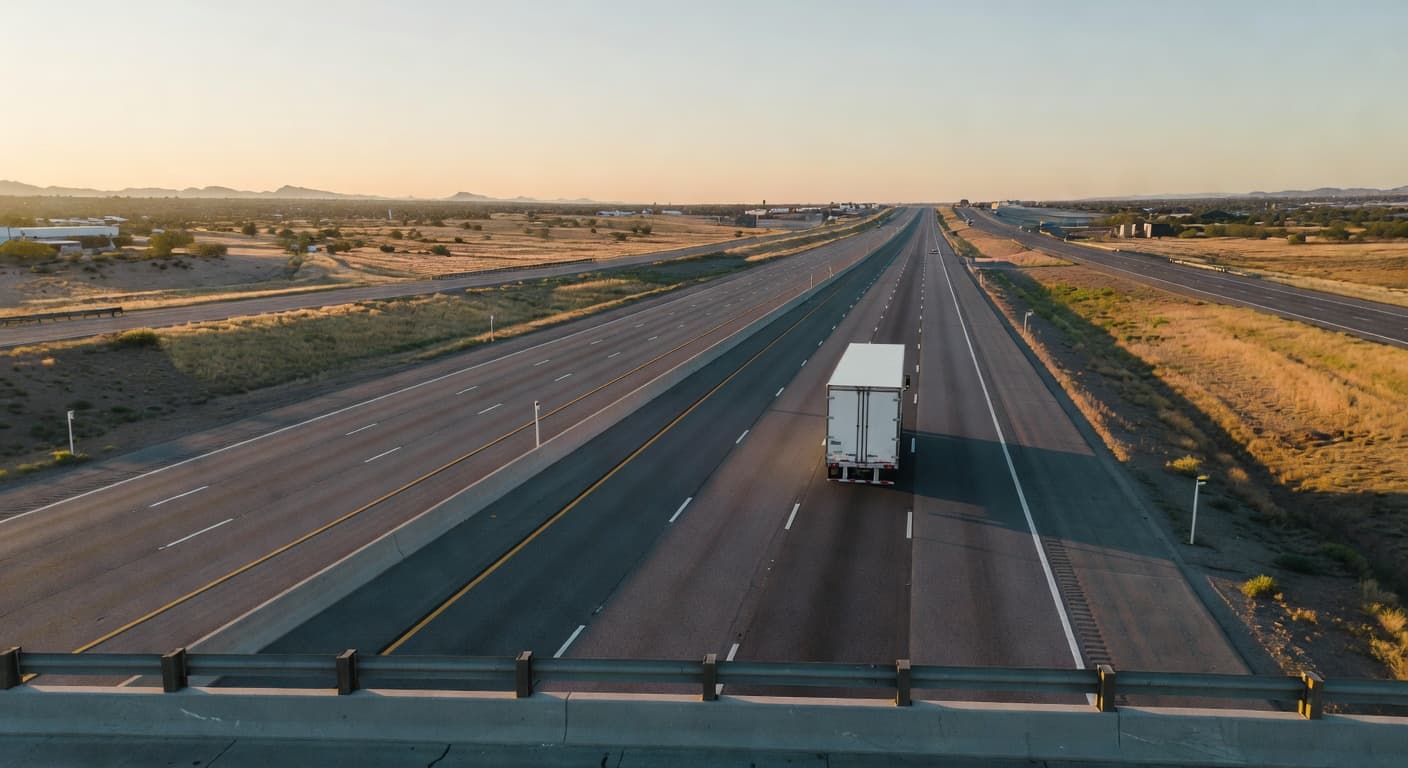
Washington’s local risk profile adds pressure to employee safety planning in ways that can affect workers compensation coverage. The city’s top risks include severe weather, property crime, flooding, and vehicle accidents, and several of those can contribute to workplace injury or longer recovery timelines. Flooding is especially relevant in a city with an 11% flood-zone share, since wet entryways, service areas, and travel disruptions can increase slip, trip, and transport-related exposure for employees. Vehicle accidents also matter because the city logged 30,632 annual crashes in 2023, and a long commute can raise the chance that workers arrive fatigued or face delays that disrupt staffing. The 285 overall crime index and elevated violent crime rate can also influence how employers think about shift timing, site access, and jobsite safety for employees who work early, late, or off-site. Those conditions do not change coverage terms, but they do change how carefully employers should align workers compensation coverage with real workplace routines.
District of Columbia has a moderate climate risk rating. Top hazards: Flooding (High), Hurricane (Moderate), Extreme Heat (Moderate), Winter Storm (Moderate). The state's expected annual loss from natural hazards is $95M, which influences workers compensation insurance premiums and may affect coverage availability in high-risk areas.
What Workers Compensation Insurance Covers
This coverage pays benefits when an employee suffers a work-related injury or occupational illness in District of Columbia, and the benefit structure is designed around medical treatment, rehabilitation, lost wages, disability benefits, and death benefits. In practical terms, that means medical expenses coverage can include treatment after a job injury, while lost wages benefits and disability benefits coverage help replace income when an employee cannot work or can only return in a limited capacity. Vocational rehabilitation is especially relevant when an injured worker needs retraining before returning to a job role. The policy also includes employer liability coverage, which is part of the protection many businesses look for when they want a workers compensation policy in District of Columbia that addresses employee claims more broadly. The District’s rules require employers with 1 or more employees to carry coverage, and sole proprietors are listed as exempt in the state data provided here. Claims are filed through the DC Department of Insurance, Securities and Banking, so your process should align with that agency’s expectations. What this means locally is that work injury insurance in District of Columbia should be matched to your staffing, classification codes, and payroll structure, especially if your team works in government-adjacent offices, healthcare settings, hospitality, or education where employee safety planning and recovery time can differ by role.
Coverage Included

Medical Expenses
Covers all medical treatment for work-related injuries

Lost Wages
Replaces approximately two-thirds of lost income

Disability Benefits
Temporary and permanent disability payments

Vocational Rehabilitation
Training to help injured employees return to work

Death Benefits
Financial support for dependents of deceased workers

Employers Liability
Protects against employment-related lawsuits
Workers Compensation Insurance Cost in Washington
In District of Columbia, workers compensation insurance premiums are 42% above the national average. Comparing quotes from multiple carriers is especially important here.
Average Cost in District of Columbia
$95 – $414 per month
per $100 of payroll
- Employee classification codes
- Total annual payroll
- Experience modification rate
- State regulations
- Industry risk level
- Claims history
Rates vary significantly by state and industry classification.
National average: $0.75 – $2.74 per $100 of payroll
* Estimates based on industry averages. Actual premiums depend on your specific business details, claims history, and coverage selections. Rates shown are for informational purposes only and do not constitute a quote.
Workers compensation insurance cost in District of Columbia is shaped by payroll, employee classification codes, claims history, experience modification rate, state regulations, and industry risk level. The state-specific average premium range provided is $95 to $414 per month, and the premium index of 142 indicates costs are above the national average in this market. That does not mean every business pays near the top of the range; it means pricing can move quickly depending on how your employees are classified and how much payroll is exposed to risk. A low-risk office team will generally price differently than a healthcare, hospitality, or technical services operation, especially when the business has a prior claim record or a higher EMR. District of Columbia also has 340 active insurance companies competing for business, which gives you room to compare a workers comp quote in District of Columbia across carriers such as GEICO, State Farm, Allstate, and Erie Insurance. The local market is influenced by the District’s large government sector, 28.4% of jobs, plus professional and technical services at 18.6%, healthcare and social assistance at 10.2%, and accommodation and food services at 8.4%. Those sectors often drive different workers compensation coverage needs in District of Columbia because their job duties, injury patterns, and payroll structures vary. For budgeting, the product data shows national-style rate examples of $0.75 to $2.74 per $100 of payroll overall, but your final quote in the District varies by class code and state rules.
Industries & Insurance Needs in Washington
Washington’s industry mix creates steady demand for workers compensation coverage in Washington across several large employment groups. Government accounts for 25.4% of local industry composition, which means many employers have structured office, administrative, and public-facing roles that still need protection for workplace injury and rehabilitation. Professional and technical services at 15.6% often involve desk-based work, but they can also include field visits, equipment handling, or repetitive-motion exposures that affect claims patterns. Education at 8.2% brings classroom, facilities, and support-staff needs that can lead to different lost wages benefits and return-to-work scenarios. Healthcare and social assistance at 7.2% can face more frequent employee safety concerns because of patient handling, long shifts, and physical strain. Accommodation and food services at 5.4% add another layer of exposure where fast-paced work, standing, lifting, and hot surfaces can raise injury risk. That mix makes workers compensation policy decisions in Washington more about matching class codes to real duties than about one broad industry average.
Workers Compensation Insurance Costs in Washington
Washington’s cost structure can make workers compensation insurance cost in Washington feel tighter than the policy itself suggests on paper. With a median household income of $87,481 and a cost of living index of 139, many employers are balancing higher wage expectations, higher operating expenses, and the need to keep payroll efficient. That matters because workers compensation pricing is tied to payroll and job classification, so even small staffing changes can move premium more noticeably in a high-cost city. In a market like this, employers often need to think about how much exposure they are carrying in office, service, or mixed-duty roles before requesting a workers comp quote in Washington. The city’s dense business environment can also make it easier for small classification mistakes to affect the final number. A careful review of duties, work locations, and employee schedules can help make sure the workers compensation policy reflects actual exposure instead of a broad estimate that overstates or understates risk.
What Makes Washington Different
The single biggest difference in Washington is the combination of dense employment, high living costs, and elevated day-to-day exposure to traffic and safety risks. That mix changes the insurance calculus because workers compensation insurance cost in Washington is shaped not only by payroll, but by how often employees are moving through a city with a 33.2-minute average commute, a high crash count, and a crime environment that can affect shift design and jobsite access. Employers here often need to think about coverage as part of employee safety planning, not just a compliance formality. In practice, that means a policy for a government office, a healthcare site, or a hospitality operation may need different assumptions about medical expenses coverage, lost wages benefits, and rehabilitation than a similar business in a lower-density city. Washington’s economy also includes a large share of professional, education, and service work, so classification accuracy matters if you want a workers comp quote in Washington that truly reflects how people work.
Our Recommendation for Washington
For employers in Washington, start by mapping where employees actually work, travel, and interact with the public, then match those duties to the right class codes before you request a workers compensation policy. In a city with a 139 cost of living index, payroll estimates should be reviewed carefully so premium projections stay realistic. If your team works near busy corridors, on foot between sites, or during early and late shifts, build employee safety procedures around the city’s crash and crime conditions so you are not relying on generic training. For healthcare, education, and food service employers, pay close attention to how lifting, repetitive motion, and fast-paced tasks affect workplace injury exposure. Ask carriers how they handle lost wages benefits, medical expenses coverage, disability benefits coverage, and rehabilitation support for your specific job mix. A workers comp quote in Washington should be compared against your actual staffing pattern, not just your industry label. That is the cleanest way to keep work injury insurance aligned with local risk and payroll realities.
Get Workers Compensation Insurance in Washington
Enter your ZIP code to compare workers compensation insurance rates from carriers in Washington, DC.
Business insurance starting at $25/mo
FAQ
Frequently Asked Questions
A higher cost of living index can put more pressure on payroll and staffing budgets, so employers often need tighter class-code and payroll estimates when pricing coverage.
Severe weather, flooding, property crime, and vehicle accidents are the main local risks to review because they can affect employee safety, commute patterns, and recovery time after a workplace injury.
Government, professional and technical services, education, healthcare and social assistance, and accommodation and food services all have meaningful local exposure and should review coverage carefully.
Washington’s average commute is 33.2 minutes and the city has a high crash count, so travel patterns can affect staffing reliability and employee safety planning.
Yes, the state data says employers with 1 or more employees must carry workers compensation insurance in District of Columbia, while sole proprietors are listed as exempt.
It typically covers medical expenses, lost wages, disability benefits, vocational rehabilitation, and death benefits, and it also includes employer liability coverage in the product structure provided here.
The state-specific average premium range provided is $95 to $414 per month, and the final price depends on payroll, class codes, claims history, EMR, and industry risk.
The biggest pricing drivers listed are employee classification codes, total annual payroll, experience modification rate, state regulations, industry risk level, and claims history.
Start with your payroll totals, job descriptions, and classification codes, then compare quotes from carriers active in the District and make sure the application matches how your employees actually work.
Any employer with employees should treat this as a priority, especially businesses in government, professional and technical services, healthcare, accommodation and food services, and education because those are major local employment sectors.
Workers compensation covers medical expenses, lost wages, rehabilitation costs, and death benefits for employees who are injured or become ill due to their work. It also provides employer's liability protection against lawsuits from injured employees.
Requirements vary by state, but nearly every state requires workers compensation when you have employees. Some states exempt businesses with fewer than 3-5 employees, sole proprietors, or specific industries. Check your state's requirements — penalties for non-compliance include fines, criminal charges, and personal liability for employee injuries.
Costs are calculated per $100 of payroll and vary dramatically by industry. Low-risk office workers cost $0.20-$0.50 per $100 of payroll. Moderate-risk trades like plumbing or electrical work cost $2-$5 per $100. High-risk industries like roofing or logging can cost $10-$25 per $100 of payroll.
Your EMR compares your actual workers comp claims history to the expected claims for businesses your size in your industry. An EMR of 1.0 is average. Below 1.0 means fewer claims than expected (lower premiums). Above 1.0 means more claims (higher premiums). Your EMR directly multiplies your base premium.
Generally no. Workers compensation covers employees, not independent contractors. However, if a contractor is misclassified and should legally be an employee, your business could be liable for their work injuries. Some states and industries require businesses to provide coverage for subcontractors.
Without required workers comp coverage, you face personal liability for all medical expenses and lost wages, potential state fines ranging from $10,000 to $100,000 or more, possible criminal charges, and employee lawsuits without the legal protections that workers comp provides. Some states will shut down your business.
It depends on your business structure and state. In many states, sole proprietors, partners, and LLC members can elect to include or exclude themselves. Corporate officers are often automatically included but may opt out. Including yourself provides valuable coverage if you're injured on the job.
Implement a formal safety program, maintain a clean claims history to lower your EMR, classify employees correctly, use return-to-work programs for injured employees, consider pay-as-you-go billing to match premiums to actual payroll, and work with an agent who can shop multiple carriers for the best rate.
Updated March 31, 2026
CPK Insurance Editorial Team
Reviewed by Licensed Insurance Agents