
Updated March 31, 2026

CPK Insurance Editorial Team
Reviewed by Licensed Insurance Agents
Homeowners Insurance in Atlanta
Buying homeowners insurance in Atlanta means looking beyond a standard Georgia policy and matching coverage to a dense, high-value urban market. For homeowners insurance in Atlanta, the big questions are how much dwelling coverage it takes to rebuild in neighborhoods where home values are around $420,000, whether your policy reflects a 26% flood-zone presence, and how wind or storm damage could affect roofs, siding, fences, and detached structures. Atlanta also has a cost of living index of 110, so labor, materials, and temporary housing can all push claim costs higher than a simple national template might suggest. If your home sits near low-lying streets, older drainage corridors, or tree-heavy lots, the risk picture can change quickly after heavy rain or a strong storm. And because property crime is elevated, many buyers also pay close attention to personal property coverage and how much replacement protection they want for belongings inside the home. The right policy here is less about minimum compliance and more about making sure your limits match Atlanta’s mix of weather, property values, and household risk.
Homeowners Insurance Risk Factors in Atlanta
Atlanta’s local risk profile is shaped by flooding, hurricane damage, coastal storm surge, and wind damage, all of which can affect dwelling coverage, other structures coverage, and personal property coverage. The city’s flood-zone percentage is 26, so even properties that are not on the coast can still face water intrusion from intense rain, overwhelmed drainage, or storm runoff. Wind can damage shingles, gutters, fences, and detached garages, which makes other structures coverage worth reviewing carefully. Because the area’s natural-disaster frequency is moderate, homeowners should think about additional living expenses coverage too, since repairs after a covered loss can take time. Atlanta’s elevated crime environment also makes theft-related personal property protection more relevant for many households, especially where electronics, furniture, and other valuables are concentrated. In short, the local risk mix is not just about one hazard; it is about how water, wind, and theft can all hit the same property profile.
Georgia has a high climate risk rating. Top hazards: Hurricane (High), Tornado (High), Severe Storm (High), Flooding (Moderate). The state's expected annual loss from natural hazards is $2.4B, which influences homeowners insurance premiums and may affect coverage availability in high-risk areas.
What Homeowners Insurance Covers
Georgia homeowners policies generally follow the same core structure as elsewhere, but the way you choose limits matters because the state has high hurricane, tornado, and severe storm exposure. Dwelling coverage protects the home’s structure, and in Georgia it should be set from current reconstruction costs rather than market value, especially since the state’s average dwelling coverage is about $236,000 and local labor and materials can push rebuild costs higher in some areas. Personal property coverage helps replace belongings after covered fire, theft, or wind damage, and many homeowners start by thinking in the 50% to 70% range of dwelling coverage, then adjust for higher-value contents. Liability coverage can respond if someone is injured on your property, and additional living expenses coverage can help if a covered loss forces you out during repairs. Other structures coverage is important for detached garages, fences, or sheds, which can be hit by storm damage as well. Georgia does not require homeowners insurance by law, but mortgage lenders usually do. Standard policies do not include flood damage, so homes in coastal counties, river-adjacent neighborhoods, or even inland areas with storm runoff should review separate flood protection. In coastal Georgia, wind or hurricane deductibles may apply separately, so the deductible structure should be reviewed before you bind a policy.
Coverage Included

Dwelling
Protection for dwelling-related losses and claims

Personal Property
Protection for personal property-related losses and claims

Liability
Protection for liability-related losses and claims

Additional Living Expenses
Protection for additional living expenses-related losses and claims
Other Structures
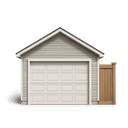
Protection for other structures-related losses and claims

Medical Payments
Protection for medical payments-related losses and claims
Homeowners Insurance Cost in Atlanta
In Georgia, homeowners insurance premiums are 8% above the national average. Comparing quotes from multiple carriers is especially important here.
Average Cost in Georgia
$90 – $405 per month
per month
- Home replacement cost and age
- Claims history
- Location and weather risk
- Roof type and condition
- Coverage limits and deductibles
Contact CPK Insurance for a personalized quote.
National average: $100 – $250 per month
* Estimates based on industry averages. Actual premiums depend on your specific business details, claims history, and coverage selections. Rates shown are for informational purposes only and do not constitute a quote.
State pricing for homeowners insurance cost in Georgia is influenced by the state’s elevated weather risk and by how insurers price individual homes. The average premium is about $155 per month, compared with a national average of $165, but the broader monthly range in the state runs about $90 to $405 depending on the home and coverage choices. Georgia’s premium index of 108 shows pricing pressure above the national baseline, even though some averages sit below the national figure. The main drivers are natural disaster risk, especially hurricanes, tornadoes, and severe storms; claims history in the area; local construction costs and labor rates; credit-based insurance score; and policy endorsements. A home in a county with recent severe storm declarations may be priced differently from one in a lower-risk inland area. Georgia’s 2024 disaster history includes severe storms and tornadoes with estimated damage of $2.1 billion, which helps explain why wind-related pricing can vary so much by location. Flooding is a moderate hazard, and because standard policies exclude it, adding separate flood protection changes the total cost picture. The state also has 480 active insurance companies, so rates and underwriting appetite vary by carrier. If you want a homeowners insurance quote in Georgia, expect the premium to reflect your home’s age, roof condition, deductible choice, and whether you live in a coastal area where separate wind or hurricane deductibles may apply.
Industries & Insurance Needs in Atlanta
Atlanta’s economy adds another layer to homeowners insurance decisions because the city supports a large mix of workers in healthcare and social assistance, retail trade, accommodation and food services, transportation and warehousing, and professional and technical services. Those sectors contribute to steady housing demand and a wide range of homeownership budgets, from first-time buyers to established households. For insurance planning, that matters because different income patterns and job types can affect how much dwelling coverage, personal property coverage, and additional living expenses coverage a household can realistically maintain. A city with strong service, logistics, and professional employment also tends to have more people moving in and out, which can increase demand for quotes and make policy comparisons more important. In practical terms, Atlanta’s industry mix supports a busy housing market where coverage needs vary widely by neighborhood, home age, and family size.
Homeowners Insurance Costs in Atlanta
Atlanta’s homeowners insurance cost is influenced by a median household income of $69,928 and a cost of living index of 110, which together suggest a market where rebuild and replacement expenses can move faster than basic budget assumptions. Higher local living costs can affect labor, materials, and temporary housing after a claim, which is why dwelling coverage and additional living expenses coverage deserve close attention. The city’s median home value of $420,000 also matters: if your home value is above what your current limits were set to cover, you may be underinsured for a rebuild even if the mortgage amount is lower. In a market like Atlanta, quote differences often come from roof age, construction type, flood exposure, and how much personal property coverage you choose. That means the homeowners insurance quote in Atlanta should be reviewed for the full package, not just the monthly price.
What Makes Atlanta Different
The single biggest difference in Atlanta is the combination of high home values, a meaningful flood-zone footprint, and urban storm exposure in one market. That mix changes the insurance calculus because a policy has to do more than protect the structure; it has to account for water intrusion, wind damage, theft exposure, and the cost of living while repairs are underway. A home near a drainage-prone street, a tree-lined lot, or a dense in-town neighborhood can face very different claim scenarios than a similar house elsewhere in the state. Atlanta’s median home value of $420,000 also raises the stakes for getting dwelling coverage right, since replacement cost and market price are not the same thing. In short, Atlanta buyers need a policy shaped by neighborhood-level risk, not a one-size-fits-all limit.
Our Recommendation for Atlanta
Start by setting dwelling coverage from rebuild cost, not purchase price, and make sure the limit reflects Atlanta’s higher labor and material costs. Then review personal property coverage so it matches what you would actually need to replace after fire, theft, or wind damage. If your home has a detached garage, fence, or shed, confirm other structures coverage is enough for those items. Because 26% of the city is in a flood zone, ask how your policy treats water-related loss and whether a separate flood policy should be part of your plan. Also check additional living expenses coverage so you know how long temporary housing support would last if repairs take weeks or months. Finally, compare a homeowners insurance quote in Atlanta from more than one carrier and look closely at deductibles, roof terms, and any wind-related language before you bind.
Get Homeowners Insurance in Atlanta
Enter your ZIP code to compare homeowners insurance rates from carriers in Atlanta, GA.
Homeowners insurance starting at $50/mo
FAQ
Frequently Asked Questions
Start with dwelling coverage, then review personal property coverage, liability coverage, and additional living expenses coverage. In Atlanta, those limits should line up with a home value around $420,000 and the city’s higher cost of living.
Atlanta has a 26% flood-zone footprint, so water intrusion can be a real concern even away from the coast. Standard homeowners insurance coverage in Atlanta typically needs separate flood protection if you want that hazard covered.
Because home values are relatively high, many buyers focus on whether dwelling coverage in Atlanta is enough to rebuild after a major loss. The market also makes it important to compare limits carefully instead of relying on a generic policy amount.
Wind damage, storm-related roof damage, and flooding are key concerns, along with theft-related personal property losses. A good homeowners insurance quote in Atlanta should show how those risks are handled in the policy terms.
Yes. If you have a fence, shed, or detached garage, other structures coverage in Atlanta can help protect those items when a covered event damages them.
In Georgia, homeowners insurance usually covers dwelling, personal property, liability, additional living expenses, and other structures, but the exact limits depend on the policy you buy. It is especially important to confirm wind and storm-related terms because the state has high hurricane, tornado, and severe storm risk.
The average homeowners insurance cost in Georgia is about $155 per month, with a broader state range of roughly $90 to $405 per month depending on the home, location, deductible, and endorsements. Coastal exposure, roof condition, and claims history can all move the quote.
Georgia does not legally require homeowners insurance for every owner, but mortgage lenders usually require it before closing and while the loan is active. Lenders typically want enough dwelling coverage to protect the financed property, and they may also ask for proof of specific endorsements depending on the home.
If you own your home outright, Georgia does not force you to buy a policy, but the state’s high storm risk and moderate flooding risk make coverage an important financial protection tool for many owners. Without a lender requirement, the decision usually comes down to how much repair and liability risk you want to keep on your own.
Dwelling coverage helps repair or rebuild the structure, personal property coverage helps replace belongings inside the home, and liability coverage helps if someone is injured on your property. In Georgia, those protections should be sized together so a storm or fire does not leave a gap between the house, the contents, and the legal exposure.
No. Standard homeowners insurance in Georgia excludes flood damage, so you need a separate flood policy if you want that protection. That matters even outside the highest-risk areas because Georgia has moderate flood exposure and recent flood losses in multiple counties.
To get a homeowners insurance quote in Georgia, gather your home’s address, roof age, construction type, square footage, and details about detached structures or recent updates. Then compare multiple carriers and review dwelling, liability, personal property, and deductible terms carefully, especially if you live near the coast.
Homeowners insurance covers four main areas: dwelling coverage for your home's structure, personal property coverage for your belongings, liability coverage if someone is injured on your property, and additional living expenses if you need to live elsewhere while your home is repaired. It protects against perils like fire, windstorms, hail, theft, and vandalism.
You should carry enough dwelling coverage to rebuild your home at current construction costs, not just the purchase price or market value. Personal property coverage typically starts at 50-70% of your dwelling coverage. Liability coverage of at least $300,000 is recommended, with an umbrella policy for additional protection. CPK Insurance can help you calculate the right coverage levels.
No. Standard homeowners insurance does not cover flood damage. You need a separate flood insurance policy, which can be obtained through the National Flood Insurance Program (NFIP) or private flood insurers. Even if you are not in a high-risk flood zone, flood coverage is worth considering since over 20% of flood claims occur in low-to-moderate risk areas.
Most homeowners insurance policies can be quoted and bound within 24-48 hours for standard risks. An independent agent like CPK Insurance can compare options from multiple carriers and have your policy in place quickly. Certificates of insurance are typically available the same day the policy is bound.
Yes. Bundling homeowners with auto insurance typically saves 15-25% through multi-policy discounts. Many carriers also offer discounts for adding umbrella liability coverage. An independent agent can help you find the best bundle pricing across multiple carriers.
Key factors include your home's replacement cost, age and condition, roof type and age, proximity to fire stations and hydrants, local weather risks (hurricanes, hail, wildfires), your claims history, credit-based insurance score, deductible choices, and coverage limits. Homes in high-risk areas or with older roofs pay significantly more.
Homeowners insurance typically covers sudden water damage like burst pipes or appliance leaks, but does not cover gradual leaks, sewer backups (without an endorsement), or flood damage. Flood insurance must be purchased separately through the NFIP or a private insurer. Ask your agent about water backup endorsements for additional protection.
Contact your insurance carrier's claims department immediately — most have 24/7 claims hotlines. Document the incident thoroughly with photos, written descriptions, and witness information. Notify your insurance agent as well. Prompt reporting is important, as delays can complicate or jeopardize your claim.
Updated March 31, 2026
CPK Insurance Editorial Team
Reviewed by Licensed Insurance Agents