Updated March 31, 2026

CPK Insurance Editorial Team
Reviewed by Licensed Insurance Agents
Commercial Property Insurance in Naperville
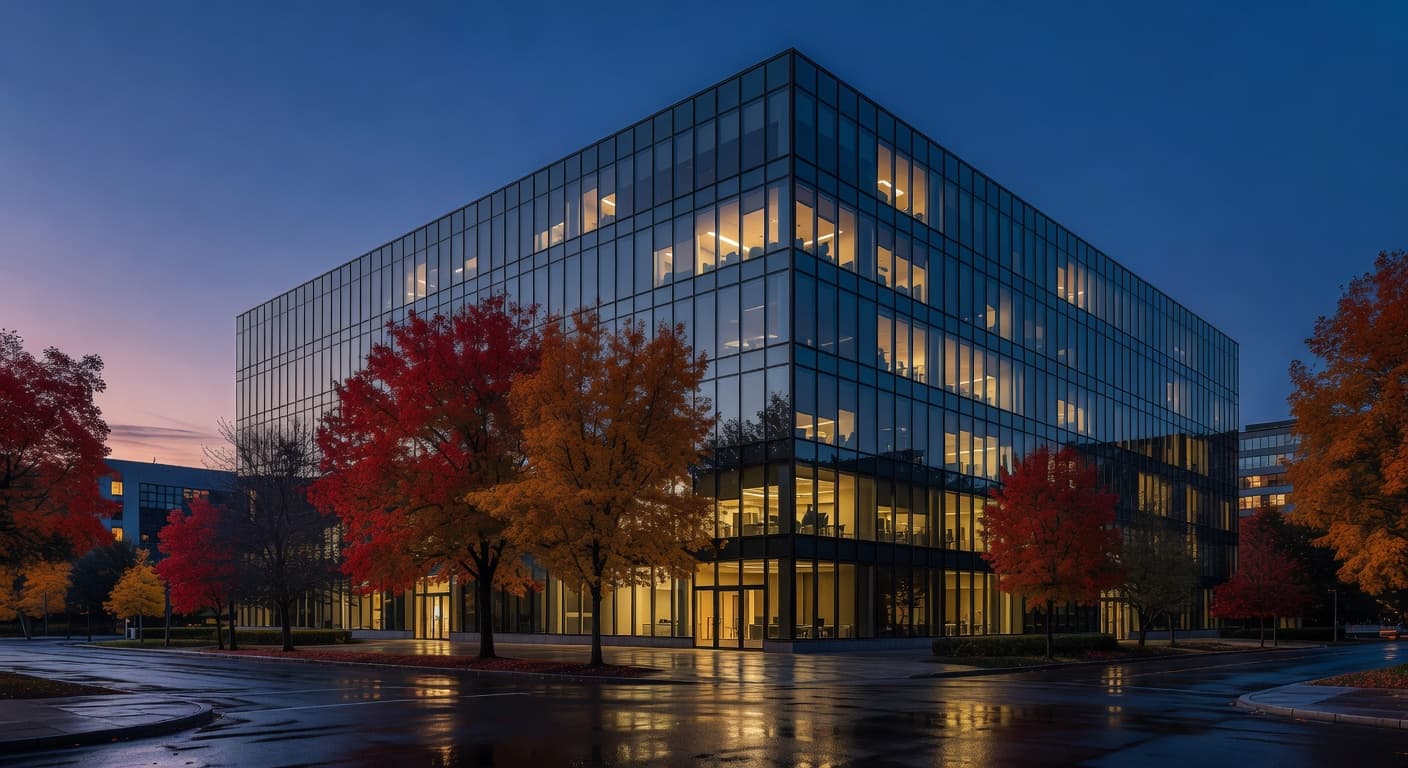
If you are comparing commercial property insurance in Naperville, the local decision is shaped less by broad Illinois trends and more by what your building sits next to, what you store inside it, and how quickly a loss would interrupt your operations. Naperville has a 12% flood-zone share, a moderate natural-disaster frequency, and top risks that include tornado damage, hail damage, severe storm damage, and wind damage. That mix matters for storefronts near busy commercial corridors, offices with glass-heavy exteriors, and buildings with roofs that would be costly to replace after a weather event. The city’s 2024 cost profile also points to higher replacement and repair expectations than a lower-cost market, which can influence limits, deductibles, and valuation choices. For owners and tenants alike, the right policy needs to reflect the structure, tenant improvements, equipment, inventory, and any business income exposure tied to a covered property loss. In Naperville, the key question is not whether property coverage is useful; it is how much protection your location and occupancy really need.
Commercial Property Insurance Risk Factors in Naperville
Naperville’s most relevant property risks are weather-driven and tied directly to covered building damage, storm damage, and natural disaster exposure. The city’s top risks are tornado damage, hail damage, severe storm damage, and wind damage, which can affect roofs, exterior finishes, signage, and interior contents after a loss. With 12% of the city in a flood zone, some properties also face added exposure around water intrusion and related repair complexity, even though standard commercial property forms do not replace a separate flood policy. The moderate natural-disaster frequency means claims planning matters for both owners and tenants, especially where a closure could interrupt operations. Businesses with large glass fronts, rooftop HVAC systems, or exposed inventory should pay close attention to building coverage for business, business personal property coverage, and equipment breakdown coverage in Naperville when comparing options.
Illinois has a high climate risk rating. Top hazards: Tornado (Very High), Severe Storm (High), Flooding (High), Winter Storm (High). The state's expected annual loss from natural hazards is $3.2B, which influences commercial property insurance premiums and may affect coverage availability in high-risk areas.
What Commercial Property Insurance Covers
In Illinois, commercial property insurance is designed to protect physical business assets against covered building damage, fire risk, theft, storm damage, vandalism, and other named perils in the policy. If you own the building, building coverage for business in Illinois can apply to the structure itself, while business personal property coverage in Illinois can extend to equipment, furniture, fixtures, inventory, computers, and signage. If you lease space in Chicago, Springfield, Rockford, or another Illinois city, the building may belong to the landlord, but your tenant improvements and contents still need protection through business property insurance in Illinois.
Illinois does not create a separate statewide commercial property mandate in the data provided, but coverage requirements may vary by industry and business size, and the Illinois Department of Insurance regulates the market. That means the policy wording, limits, deductibles, and endorsements matter as much as the basic form. Business income coverage in Illinois is often important because a covered closure can interrupt revenue and continuing expenses after fire, windstorm, hail, theft, vandalism, or certain water damage events described in the policy. Equipment breakdown coverage in Illinois can also be added for mechanical or electrical failures affecting specialized equipment.
Some exclusions are especially important to understand here. Standard policies do not include flood damage, so a river flooding event or other flood exposure needs separate flood coverage. Ordinance or law coverage in Illinois may be worth reviewing if local rebuilding rules affect repair costs after a loss. Replacement cost and actual cash value also change how a claim is paid, so the valuation method should be matched to the property’s age, use, and rebuilding needs.
Coverage Included

Building Coverage
Protection for building coverage-related losses and claims

Business Personal Property
Protection for business personal property-related losses and claims
Business Income
Protection for business income-related losses and claims

Equipment Breakdown
Protection for equipment breakdown-related losses and claims
Ordinance or Law
Protection for ordinance or law-related losses and claims
Commercial Property Insurance Cost in Naperville
In Illinois, commercial property insurance premiums are 8% above the national average. Comparing quotes from multiple carriers is especially important here.
Average Cost in Illinois
$68 – $270 per month
per month
- Coverage limits and deductibles
- Claims history
- Location
- Industry or risk profile
- Policy endorsements
Contact CPK Insurance for a personalized quote.
National average: $83 – $250 per month
* Estimates based on industry averages. Actual premiums depend on your specific business details, claims history, and coverage selections. Rates shown are for informational purposes only and do not constitute a quote.
Commercial property insurance cost in Illinois is influenced by a mix of state-wide and property-specific factors. The state-specific average premium range is about $68 to $270 per month, while the broader product benchmark shows $83 to $250 per month, and Illinois pricing runs about 8% above the national level. That fits a market where the premium index is 108, the climate risk profile is high, and tornado risk is very high. Severe storm, flooding, and winter storm exposure also raise the likelihood that insurers will price in higher rebuilding uncertainty.
Several local factors can move a quote up or down. Location matters because a property in a higher-risk corridor, flood-prone area, or storm-exposed region may cost more than a similar building in a lower-risk part of the state. Construction type, roof age and material, fire protection class, occupancy type, and deductible all affect commercial property insurance cost in Illinois, and claims history can do the same. Businesses in catastrophe-prone areas generally pay more, which is relevant in a state with 53 major disaster declarations and recent tornado, severe storm, river flooding, and winter storm events.
The Illinois market also has 680 active insurance companies, including State Farm, Country Financial, Allstate, GEICO, and Progressive among the top carriers in the data, so shoppers can compare several offers. For many small businesses, the annual cost range of $750 to $3,500 is a useful planning reference, but the final price varies with coverage limits, deductibles, endorsements, and whether you add business income coverage in Illinois, equipment breakdown coverage in Illinois, or ordinance or law coverage in Illinois. Contact CPK Insurance for a personalized quote if you want pricing tied to your building, contents, and local risk profile.
Industries & Insurance Needs in Naperville
Naperville’s industry mix creates steady demand for business property insurance in Naperville across several sectors. Healthcare & Social Assistance leads at 13.6%, which often means offices, clinics, and care-related spaces with interior improvements, furniture, and equipment that need protection. Manufacturing at 11.2% increases the importance of business personal property coverage in Naperville because tools, machinery, and stored materials can be expensive to replace after storm damage or fire risk events. Professional & Technical Services at 11.8% often rely on office buildouts, electronics, and leased-space improvements, making commercial building insurance in Naperville relevant even for tenants. Retail Trade at 8.7% supports demand for signage, fixtures, and inventory protection, while Accommodation & Food Services at 6.4% adds exposure for kitchens, dining areas, and tenant improvements. That mix means many local buyers need more than just basic building coverage; they often need a policy tailored to contents, improvements, and interruption risk.
Commercial Property Insurance Costs in Naperville
Naperville’s cost of living index of 96 suggests a market that is slightly below the national baseline, but that does not automatically translate into low property premiums. The city’s median household income of $65,884 and its sizable commercial base can support higher-quality construction, more valuable contents, and more expensive repair expectations, all of which can affect commercial property insurance cost in Naperville. In practice, insurers still look most closely at the building itself, but local economics influence how much it may cost to rebuild, replace fixtures, or restore operations after a covered loss. For businesses that need commercial property insurance quote comparisons, the biggest pricing swing usually comes from property value, occupancy, roof condition, and selected endorsements such as business income coverage or ordinance or law coverage. A higher-value interior buildout or specialized equipment can also push limits upward, especially for businesses that cannot easily pause operations.
What Makes Naperville Different
The single biggest factor that changes the insurance calculus in Naperville is the combination of weather exposure and business concentration in higher-value commercial spaces. With tornado, hail, severe storm, and wind damage all among the city’s top risks, the policy has to be built for property damage scenarios that can affect roofs, exteriors, and the equipment or inventory inside. At the same time, Naperville’s mix of healthcare, professional services, retail, manufacturing, and food service means many businesses operate from spaces where tenant improvements and specialized contents represent a major share of the insured value. That makes the question of building coverage for business, business income coverage, and equipment breakdown coverage more important than a one-size-fits-all form. In short, Naperville buyers often need to think about both the structure and the operational impact of a covered loss, not just the monthly premium.
Our Recommendation for Naperville
Start by matching limits to the real replacement cost of the building and interior, not just the price you paid for the property. In Naperville, that matters because storm-related claims can involve roofs, exterior finishes, signage, and interior damage all at once. Ask for a commercial property insurance quote in Naperville that clearly separates building coverage, business personal property coverage, and any business income coverage you may need if a covered loss forces a temporary shutdown. If you operate in healthcare, professional services, retail, manufacturing, or food service, document equipment, fixtures, and tenant improvements before you bind coverage. Review deductible choices carefully; a higher deductible may lower premium, but only if your cash flow can absorb it after a claim. If your location sits in or near a flood zone, confirm what is and is not included before you buy. Finally, compare policy wording on replacement cost, ordinance or law coverage, and equipment breakdown coverage so the policy fits your building and your operations.
Get Commercial Property Insurance in Naperville
Enter your ZIP code to compare commercial property insurance rates from carriers in Naperville, IL.
Business insurance starting at $25/mo
FAQ
Frequently Asked Questions
Owners and tenants in healthcare, professional services, retail, manufacturing, and food service often need it because they usually have buildings, tenant improvements, inventory, fixtures, or equipment to protect.
Tornado, hail, severe storm, and wind damage are key local concerns, so buyers should pay close attention to roof condition, exterior materials, and the limits they choose for building and contents.
Yes. With 12% of the city in a flood zone, businesses should confirm whether they need separate flood protection, because standard commercial property policies do not replace that coverage.
Professional and technical service firms often rely on computers, furniture, and leased-space improvements that can be costly to replace after a covered property loss.
Ask for limits that reflect replacement cost, plus clear pricing for building coverage, business personal property coverage, business income coverage, and any needed endorsements.
In Illinois, it can cover owned buildings, business personal property, signage, fixtures, inventory, and equipment against covered events such as fire, windstorm, hail, theft, vandalism, and certain water damage described in the policy.
The state-specific average range is about $68 to $270 per month, but the final premium varies by location, building type, deductible, claims history, and endorsements.
Yes, many tenants still need it because the landlord usually insures the building shell, while the tenant is often responsible for contents, tenant improvements, and other lease-based exposures.
Key factors include location, roof age and material, construction type, fire protection class, occupancy, deductible, claims history, and whether you add endorsements like business income coverage or equipment breakdown coverage.
Common options include building coverage for business in Illinois, business personal property coverage in Illinois, business income coverage in Illinois, equipment breakdown coverage in Illinois, and ordinance or law coverage in Illinois.
Gather your property details, inventory, lease terms if applicable, and loss history, then compare quotes from multiple carriers because Illinois has a broad market and pricing can vary significantly.
No, standard policies exclude flood damage, so Illinois businesses with flood exposure need a separate flood policy.
After a covered building damage, fire, theft, storm damage, or vandalism loss, the insurer evaluates the policy terms, deductible, valuation method, and any endorsements before paying according to the covered amount.
Commercial property insurance covers your building (if owned), business equipment, furniture, fixtures, inventory, computers, and signage against perils like fire, windstorm, hail, theft, vandalism, and water damage. It can also include business income coverage for revenue lost during covered closures.
Most small businesses pay $750 to $3,500 annually for commercial property insurance. Costs depend on property value, construction type, location, fire protection class, occupancy type, and deductible. Businesses in catastrophe-prone areas pay more.
No. Standard commercial property policies exclude flood damage. You need a separate commercial flood insurance policy, available through the National Flood Insurance Program (NFIP) or private flood insurers. This is true even if your property is not in a designated flood zone.
Replacement cost pays to replace damaged property with new items of similar quality. Actual cash value (ACV) pays replacement cost minus depreciation. Replacement cost policies cost 10-15% more but pay significantly more at claim time. Always choose replacement cost when possible.
Yes. Business personal property coverage within your commercial property policy covers equipment, computers, furniture, fixtures, and inventory. For expensive or specialized equipment, you may need equipment breakdown coverage as an endorsement for mechanical and electrical failures.
Coinsurance requires you to insure your property to a minimum percentage (usually 80%) of its replacement cost. If you're underinsured, the carrier reduces your claim payment proportionally. For example, if you insure a $1M building for only $500,000 (50%), a $100,000 claim would only pay $62,500.
Yes. A Business Owners Policy (BOP) bundles commercial property with general liability and business interruption at a 15-25% discount compared to purchasing them separately. For most small businesses, a BOP is the most cost-effective way to get commercial property coverage.
Business interruption (or business income) coverage pays for lost revenue and continuing expenses when a covered event forces your business to temporarily close. It covers rent, payroll, loan payments, taxes, and the net income you would have earned during the closure period.
Updated March 31, 2026
CPK Insurance Editorial Team
Reviewed by Licensed Insurance Agents