

































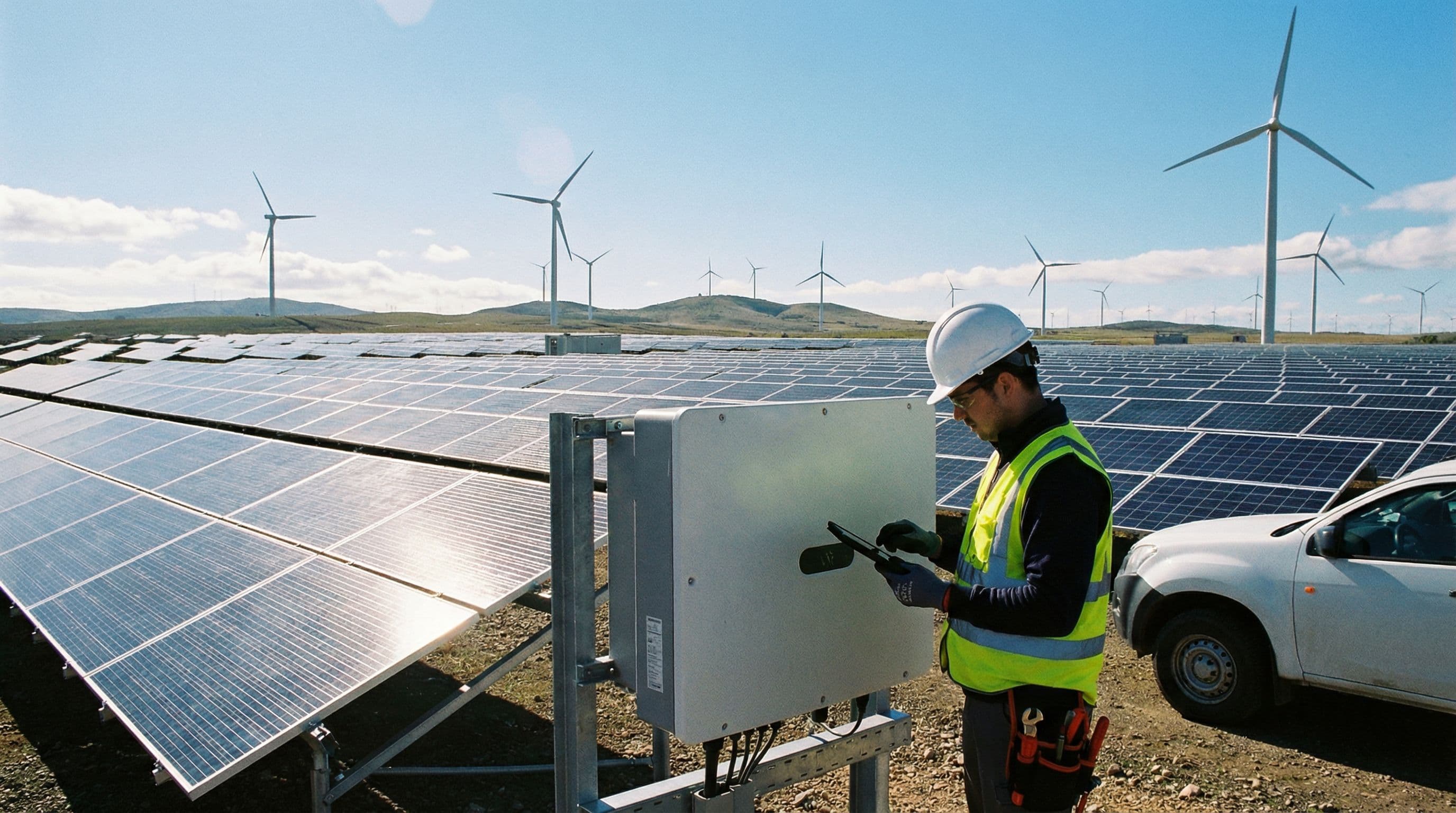
Recommended Coverage for Energy & Power in Evansville, IN
Energy & Power businesses face unique risks that require specific coverage types. Here are the policies most energy & power operations need:

General Liability Insurance
Essential coverage for every business — protect against third-party bodily injury, property damage, and advertising claims.

Commercial Property Insurance
Safeguard your business property, equipment, and inventory against damage and loss.

Workers Compensation Insurance
Cover your employees' medical expenses and lost wages for work-related injuries and illnesses.

Commercial Auto Insurance
Protect your business vehicles and drivers with comprehensive commercial auto coverage.

Commercial Umbrella Insurance
Extend your liability limits beyond your primary policies for extra protection against catastrophic claims.

Inland Marine Insurance
Protect tools, equipment, and goods in transit or stored at locations away from your primary premises.
Energy & Power Insurance Overview in Evansville, IN
Evansville energy and power operations face a practical mix of fieldwork, tight schedules, and weather-sensitive assets. With a 2024 business base of 2,932 establishments, a cost of living index of 93, and median home values around $329,000, local operations often balance budget pressure with high-value equipment and service commitments. Add a flood-zone footprint of 16%, a crime index of 88, and recurring tornado, hail, severe storm, and wind damage, and the risk picture becomes very location-specific. Energy & Power insurance in Evansville is built for that reality.
Whether you are running a power company with crews moving through industrial corridors, a utility contractor staging tools near substations, or an energy producer managing mobile property and equipment in transit, your coverage needs can shift by job site. Local operations also sit near manufacturing, healthcare, retail, and transportation activity, which can increase third-party claims, vehicle exposure, and the need for liability planning. The right policy discussion starts with how your crews work, what you store, and where equipment sits between jobs.
Why Energy & Power Businesses Need Insurance in Evansville, IN
Evansville’s risk profile makes insurance a working tool, not a formality. A city with 16% flood-zone exposure and recurring tornado, hail, severe storm, and wind damage can place buildings, yards, transformers, and stored tools under pressure fast. For energy and power businesses, that means commercial property insurance for power operations may need to account for building damage, storm damage, theft, vandalism, and equipment breakdown in spaces where specialized assets are expensive to replace.
The local business mix also matters. Manufacturing, healthcare, retail, transportation, and food service all operate alongside energy work, so utility contractor insurance often needs to consider third-party claims, customer injury, property damage, and legal defense if a project affects neighboring sites or public access areas. In a city with a crime index of 88, mobile property, tools, and equipment in transit can also deserve close review. For field crews and fleet-heavy operations, commercial auto insurance for utility fleets and commercial umbrella insurance for energy businesses can help support higher coverage limits when a lawsuit or catastrophic claim goes beyond the basics. If your operation also depends on continuous service, business interruption from outages can be a major planning point.
Indiana employs 23,836 energy & power workers at an average wage of $67,600/year, with employment growing at 0.7% annually. Payroll-based coverages like workers' comp are directly tied to wage levels — higher payroll means higher premiums.
Indiana requires workers' comp for businesses with employees (exemptions may apply: Sole proprietors; Partners). Non-compliance can result in fines and personal liability for owners. Commercial auto minimums are $25,000/$50,000/$25,000.
Key Risks for Energy & Power Businesses
Each of these risks can lead to claims that cost thousands — or more. Make sure your policy addresses every one:
- Environmental contamination liability
- Equipment breakdown and failure
- Worker injury in hazardous environments
- Regulatory compliance penalties
- Business interruption from outages
What Drives Energy & Power Insurance Costs in Evansville, IN
Energy & Power insurance cost in Evansville varies by operation type, fleet size, equipment value, and how often crews work at active sites. Local conditions matter too: the city’s cost of living index is 93, median home values are about $329,000, and storm-related risk can push pricing pressure for buildings, yards, and mobile assets. A 16% flood-zone share and repeated tornado, hail, severe storm, and wind damage exposures can also affect commercial property insurance for power operations.
Pricing can shift based on whether you need commercial general liability for energy companies, workers compensation for energy workers, commercial auto insurance for utility fleets, or commercial umbrella insurance for energy businesses. Coverage limits, underlying policies, equipment in transit, and the value of contractors equipment all influence the quote. For many local businesses, the most useful next step is to compare Energy & Power insurance quote details against your actual work zones, storage locations, and fleet use rather than relying on a one-size-fits-all estimate.
Insurance Regulations in Indiana
Key regulatory requirements for businesses operating in IN.
Regulatory Authority
Indiana Department of InsuranceWorkers' Compensation Insurance
Required for employers with 1+ employee.
Exempt categories:
- Sole proprietors
- Partners
- Farmworkers
- Household employees
Commercial Auto Minimum Liability
$25,000/$50,000/$25,000 (bodily injury per person / per accident / property damage)
Source: Indiana Department of Insurance, U.S. Department of Labor
What Drives Energy & Power Insurance Costs in Indiana
Indiana premiums are 11% below the national average. Energy & Power businesses here can often find competitive rates.
Indiana's top natural hazards — tornado, severe storm, flooding — directly affect property and liability premiums for energy & power businesses. Check your policy exclusions and ask about endorsements for these perils.
CPK Insurance compares energy & power quotes from top-rated carriers in Indiana. Enter your ZIP code to see rates in minutes.
Where Energy & Power Insurance Demand Is Highest in Indiana
23,836 energy & power workers in Indiana means significant insurance demand — and it's growing at 0.7% annually. These cities have the highest concentration of energy & power businesses:
Climate Risk Profile
Natural Disaster Risk in Indiana
Understanding climate-related risks helps determine appropriate insurance coverage levels.
Tornado
High
Severe Storm
High
Flooding
Moderate
Winter Storm
Moderate
Expected Annual Loss from Natural Hazards
$1.1B
estimated economic loss per year across Indiana
Source: FEMA National Risk Index
Insurance Tips for Energy & Power Business Owners in Evansville, IN
Review commercial general liability for energy companies with limits that fit third-party claims, property damage, and legal defense tied to job sites near Evansville industrial corridors.
Ask how commercial property insurance for power operations addresses storm damage, theft, vandalism, and equipment breakdown for yards, shops, and storage buildings.
Build workers compensation for energy workers around hazardous-environment duties, including medical costs, lost wages, and rehabilitation needs for field crews.
Match commercial auto insurance for utility fleets to vehicle accident exposure, hired auto use, and non-owned auto exposure when crews move between substations and service calls.
Check whether inland marine insurance can follow tools, mobile property, and equipment in transit across Evansville and surrounding service areas.
Consider commercial umbrella insurance for energy businesses if your operations face higher lawsuit severity, catastrophic claims, or broader coverage limits needs.
Get Energy & Power Insurance in Evansville, IN
Enter your ZIP code to compare energy & power insurance rates from top carriers.
Business insurance starting at $25/mo
Energy & Power Business Types in Evansville, IN
Find insurance tailored to your specific energy & power business. Select your business type for coverage recommendations, pricing, and quotes:

Solar Contractor Insurance
Solar contractor insurance helps protect rooftop installers, battery storage crews, and subcontracted electrical work from costly claims. Request a quote to match your jobsite, equipment, and completed-operations needs.

Wind Energy Contractor Insurance
Get a wind energy contractor insurance quote built for turbine installation, tower crews, heavy equipment, and renewable energy projects. Coverage can be tailored for onshore wind farms, offshore wind projects, and multi-state job sites.

Oil & Gas Contractor Insurance
Get an oil and gas contractor insurance quote built for wellsite, drilling, and field service operations. Compare coverage for liability, equipment, vehicles, and umbrella protection.

EV Charging Installer Insurance
Get EV charging installer insurance built around electrical installation work, property damage, and workmanship defects. Compare coverage options and request a quote based on your project type.
FAQ
Energy & Power Insurance FAQ in Evansville, IN
It usually centers on your crews, fleet, storage yards, equipment value, and the kinds of third-party claims or property damage your work could create at local job sites.
Requirements vary, but many contracts look at liability, workers compensation for energy workers, commercial auto insurance for utility fleets, and proof of coverage limits before work starts.
Tornado, hail, severe storm, and wind damage can raise the importance of commercial property insurance, business interruption planning, and equipment breakdown protection.
Yes. Inland marine insurance is often reviewed for equipment in transit, tools, and mobile property that travel between substations, yards, and service locations.
It can be part of planning for higher coverage limits when a lawsuit, catastrophic claim, or large third-party loss exceeds underlying policies.
Most utility contractors start with General Liability Insurance, Workers Compensation Insurance, Commercial Auto Insurance, and Inland Marine Insurance. Depending on the contract and project scope, Commercial Umbrella Insurance may also be needed to support higher liability limits. If the work involves substations, equipment staging, or owned facilities, Commercial Property Insurance should also be reviewed.
Not always. Standard General Liability Insurance may exclude or limit pollution-related losses, so energy businesses should ask whether a pollution endorsement or separate environmental coverage is needed. This is especially important for fuel handling, storage yards, utility maintenance, and projects where spills or runoff could occur.
Workers Compensation Insurance can help cover medical costs and lost wages for employees injured on the job, including injuries from electrical contact, falls, burns, or equipment accidents. Because Energy & Power work often involves elevated structures, live systems, and heavy machinery, payroll classification and safety controls can affect both coverage and pricing. Make sure every field role is classified correctly.
Yes, especially if your tools, meters, diagnostic devices, or portable generators travel between job sites. Inland Marine Insurance can help protect movable equipment that is not well covered by a standard property policy once it leaves a fixed location. It is often a key policy for contractors and service crews in the energy sector.
Commercial Property Insurance may cover buildings, control rooms, warehouses, switchgear, and other owned physical assets after covered losses such as fire, wind, or certain equipment-related damage. For energy businesses, it should be reviewed alongside equipment values and outage exposures. If your operation depends on specialized machinery, confirm whether replacement cost, ordinance or law, and equipment breakdown options are available.
Yes, Commercial Auto Insurance is commonly used for service trucks, bucket trucks, vans, and trailers tied to field operations. It can help with liability and physical damage claims arising from vehicle accidents, which are a serious risk for crews traveling to remote or high-traffic job sites. Fleet size, driver history, and equipment carried on the vehicle can all affect the policy structure.
The right limit depends on project size, contract requirements, fleet exposure, and how much risk your primary policies already absorb. Energy and power operations often consider Commercial Umbrella Insurance because a severe injury, vehicle accident, or third-party claim can exceed standard limits quickly. A broker can help compare your contracts and operations against your current liability limits.
It may, depending on the policy form and endorsements. Commercial Property Insurance sometimes needs an equipment breakdown component to address mechanical or electrical failure, and business interruption coverage may be important if the outage affects revenue. Energy businesses should review how downtime, emergency repairs, and service interruptions are treated before a loss happens.