Updated March 31, 2026

CPK Insurance Editorial Team
Reviewed by Licensed Insurance Agents
Inland Marine Insurance in Fort Wayne
For businesses comparing inland marine insurance in Fort Wayne, Indiana, the local question is less about whether you move property and more about where that property spends the night. Fort Wayne’s mix of job sites, storage yards, and customer locations can create gaps for tools, materials, and equipment that leave a fixed building and keep moving. That matters in a city with 9,236 business establishments and a strong manufacturing base, because many operations rely on portable assets that are expensive to replace quickly. Fort Wayne’s cost of living index of 78 also shapes how owners think about deductibles and monthly premiums: lower overhead can free up room for stronger limits, but only if the policy is built around the way the business actually operates. If your crew works across Allen County, stores materials offsite, or leaves equipment at temporary locations, inland marine insurance coverage in Fort Wayne can be a practical way to address those exposures without tying protection to one address.
Inland Marine Insurance Risk Factors in Fort Wayne
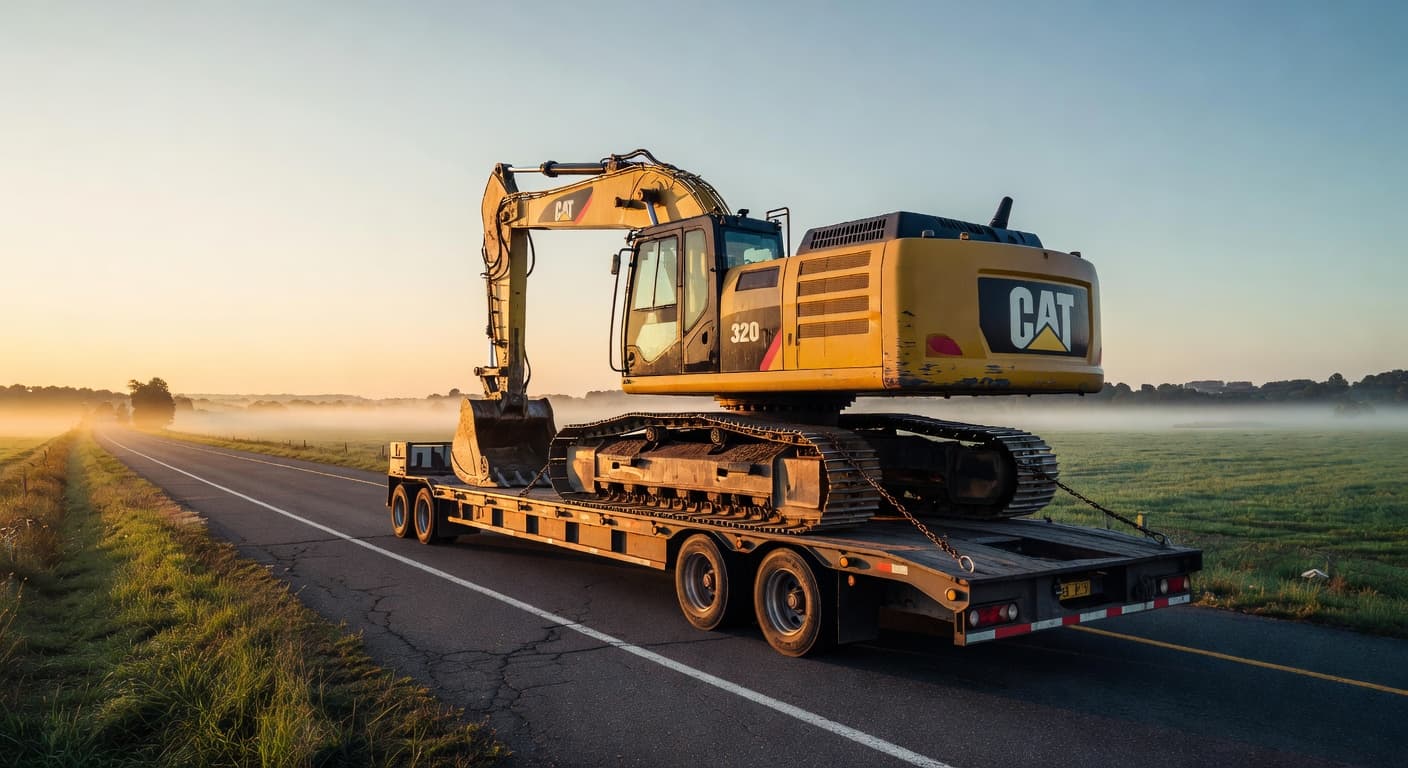
Fort Wayne’s main local exposures line up with property that moves, sits outdoors, or is left at temporary locations. The city’s top risks include tornado damage, hail damage, severe storm damage, and wind damage, which can affect tools, materials, and contractors equipment that are staged at job sites or in open storage. With an overall crime index of 120 and a property crime rate of 2,427.1, theft and damage concerns also matter when mobile business property is left in trucks, trailers, or fenced lots. Burglary remains a notable loss type, and that can be relevant for portable tools and equipment insurance in Fort Wayne. Fort Wayne’s 11% flood zone percentage is another reason to think carefully about where goods in transit coverage in Fort Wayne ends and where temporary storage begins. For businesses with installation work or project materials, weather and site conditions can change the risk before the job is finished, which makes builders risk coverage in Fort Wayne and installation floater coverage in Fort Wayne worth reviewing closely.
Indiana has a moderate climate risk rating. Top hazards: Tornado (High), Severe Storm (High), Flooding (Moderate), Winter Storm (Moderate). The state's expected annual loss from natural hazards is $1.1B, which influences inland marine insurance premiums and may affect coverage availability in high-risk areas.
What Inland Marine Insurance Covers
In Indiana, inland marine insurance is used to protect business property that is mobile, in transit, or kept away from a fixed location, which is different from standard commercial property coverage. The core coverages in this product include tools and equipment, goods in transit, contractors equipment, installation floater, and builders risk, and those options matter because Indiana businesses often move property between warehouses, shops, job sites, temporary storage areas, and customer locations. Coverage is typically written to respond to theft, damage, vandalism, and other covered perils while the property is away from the primary business address, but the exact terms depend on the policy and endorsements you choose. Indiana does not add a special statewide inland marine mandate in the data provided, but policies are regulated by the Indiana Department of Insurance, so forms and terms should be reviewed carefully. Coverage requirements may vary by industry and business size, which is especially relevant for contractors working around Indianapolis, Fort Wayne, Evansville, South Bend, and smaller markets across the state. If you need installation floater coverage in Indiana or builders risk coverage in Indiana, the policy should be matched to the project phase, the job-site exposure, and whether materials are in temporary storage. The most important distinction is that this coverage follows the property rather than staying tied to one building.
Coverage Included
Tools & Equipment
Protection for tools & equipment-related losses and claims

Goods in Transit
Protection for goods in transit-related losses and claims
Contractors Equipment
Protection for contractors equipment-related losses and claims

Installation Floater
Protection for installation floater-related losses and claims

Builders Risk
Protection for builders risk-related losses and claims
Inland Marine Insurance Cost in Fort Wayne
In Indiana, inland marine insurance premiums are 11% below the national average. This means competitive rates are available.
Average Cost in Indiana
$23 – $133 per month
per month
- Coverage limits and deductibles
- Claims history
- Location
- Industry or risk profile
- Policy endorsements
Contact CPK Insurance for a personalized quote.
National average: $33 – $167 per month
* Estimates based on industry averages. Actual premiums depend on your specific business details, claims history, and coverage selections. Rates shown are for informational purposes only and do not constitute a quote.
The cost picture for inland marine insurance cost in Indiana is shaped by a state market that is below the national average on premiums, with a premium index of 89 and an average inland marine range of about $23 to $133 per month in the state data provided. The product data shows a broader average range of $33 to $167 per month, so your final quote can vary depending on the carrier, the class of business, and the coverage structure. Indiana’s competitive market, with 420 active insurers and carriers such as State Farm, Erie Insurance, Indiana Farm Bureau, GEICO, and Progressive in the mix, gives businesses options, but pricing still depends on coverage limits and deductibles, claims history, location, industry or risk profile, and policy endorsements. A contractor storing tools in multiple job sites around Indianapolis may see different pricing than a retailer shipping goods out of a warehouse in the state’s transportation corridors, because the exposure is not the same. Indiana’s storm profile also matters: high tornado risk, high severe storm risk, moderate flooding, and moderate winter storm risk can influence how insurers view mobile property, offsite storage, and project materials. The state’s property crime rate of 2,180 and the crime mix around property loss are also relevant when property is left at job sites or in temporary storage. If you are comparing inland marine insurance quote in Indiana options, ask how the carrier prices tools and equipment insurance in Indiana versus contractors equipment insurance in Indiana, because the class of property can change the premium structure.
Industries & Insurance Needs in Fort Wayne
Fort Wayne’s industry mix helps explain why inland marine insurance coverage in Fort Wayne is a practical fit for many local businesses. Manufacturing is the largest sector at 14.8%, and that often means movable parts, equipment, and materials that may need goods in transit coverage in Fort Wayne when they leave one facility for another. Healthcare and social assistance at 11.2% can also support vendors, installers, and service providers that carry portable equipment to multiple locations. Retail trade at 9.6% and accommodation and food services at 8.1% can create demand for deliveries, installations, and offsite property handling, while transportation and warehousing at 5.4% reinforces the need to protect items that move through local routes and storage points. In a city with this mix, contractors equipment insurance in Fort Wayne and tools and equipment insurance in Fort Wayne are often relevant not because of one industry alone, but because many businesses depend on property that does not stay in one place.
Inland Marine Insurance Costs in Fort Wayne
Fort Wayne’s cost of living index of 78 suggests many businesses operate with lean overhead, which can influence how they structure inland marine insurance cost in Fort Wayne. Lower operating costs may make it easier to carry broader limits or a more practical deductible, but pricing still depends on how much property moves, where it is stored, and how exposed it is to theft or weather. The city’s median household income of $69,188 and its broad base of 9,236 establishments point to a market with many small and midsized buyers who may want to balance monthly premium with replacement value on tools, equipment, and materials. A business that keeps high-value items in trailers or temporary storage near active job sites may see a different inland marine insurance quote in Fort Wayne than one that only moves lower-value supplies. Because the local economy includes both steady industrial activity and service work, carriers may price mobile business property insurance in Fort Wayne based on how often property changes hands, not just the business address.
What Makes Fort Wayne Different
The biggest Fort Wayne difference is the combination of a manufacturing-heavy economy and a practical, lower-cost operating environment. That mix means many businesses own portable assets that are essential to daily work, but they may also manage tighter budgets and more frequent movement between job sites, storage areas, and customer locations. Add local storm exposure and a property crime rate above the national average, and the insurance calculus changes: the issue is not just replacing an item, but protecting it while it is away from the main premises. For businesses here, inland marine insurance in Fort Wayne is often about matching coverage to how often property is loaded, staged, installed, or left temporarily offsite. A policy that ignores those movement patterns can leave a gap even when the business has solid fixed-location property protection.
Our Recommendation for Fort Wayne
Start by listing every item that leaves your building in Fort Wayne: hand tools, powered equipment, project materials, rented gear, and anything stored overnight at a job site or in a trailer. Then separate what needs tools and equipment insurance in Fort Wayne from what may fit contractors equipment insurance in Fort Wayne or installation floater coverage in Fort Wayne, because the class of property can change how a quote is built. If you handle deliveries or transfers between locations, ask how goods in transit coverage in Fort Wayne is scheduled and whether temporary storage is included. Fort Wayne businesses should also ask for clear valuation terms, especially if replacement time would disrupt a project. Since the city has a strong manufacturing base and many small businesses, comparing more than one inland marine insurance quote in Fort Wayne is sensible. Make sure the carrier understands where property is kept after hours, because that detail often matters as much as the address on the application.
Get Inland Marine Insurance in Fort Wayne
Enter your ZIP code to compare inland marine insurance rates from carriers in Fort Wayne, IN.
Business insurance starting at $25/mo
FAQ
Frequently Asked Questions
Businesses that move tools, equipment, or materials between job sites, warehouses, and customer locations are common buyers in Fort Wayne, especially in manufacturing, contracting, and service work.
Tornado, hail, severe storm, and wind exposure can matter when property is stored outdoors, staged at a job site, or left in temporary storage, so the location and storage setup should be part of the quote.
Yes, if the policy is written for that exposure. It is designed for mobile property, so you should confirm whether the items are covered while in transit, at the site, or in offsite storage.
Ask for separate pricing on the property you move, where it is stored overnight, and whether you need tools and equipment insurance, contractors equipment insurance, or installation floater coverage.
Fort Wayne’s manufacturing and transportation-related activity means many businesses rely on movable assets, so the policy should reflect how often those assets leave the main location.
In Indiana, it can cover business property that moves between job sites, temporary storage, customer locations, or transit routes, including tools, equipment, materials, and shipped goods, subject to the policy terms and listed perils.
It is designed to follow covered property away from your fixed business location, so offsite storage in places like Indianapolis, Fort Wayne, Evansville, or South Bend can be included if the policy language and endorsements support that exposure.
Contractors, installers, manufacturers, transportation and warehousing businesses, and any company that regularly moves valuable property between locations in Indiana are common candidates for this coverage.
Premiums are influenced by coverage limits, deductibles, claims history, location, industry risk, and endorsements, and Indiana’s competitive market and below-national-average premium index can also affect what carriers quote.
The state data shows regulation by the Indiana Department of Insurance and notes that requirements may vary by industry and business size, so you should confirm your specific contract, lender, or job-site requirements with your agent.
Prepare a list of the property you move, where it is stored, where it travels, and what limits and deductibles you want, then compare quotes from multiple carriers active in Indiana.
The right choice depends on the property type and how it is used: hand tools and portable gear fit tools and equipment coverage, larger job-site machinery may fit contractors equipment coverage, and materials tied to a project may fit installation floater coverage.
Choose limits based on the replacement value of the property you move and pick a deductible that fits your cash flow, then adjust the structure if you store property at multiple Indiana locations or handle high-value project materials.
Inland marine insurance covers business property in transit, at job sites, or at temporary locations. This includes tools, equipment, building materials, electronics, artwork, and goods being shipped. Coverage applies to theft, damage, vandalism, and other covered perils while the property is away from your primary business location.
Commercial property insurance covers items at your fixed business location. Inland marine insurance covers property that is mobile, in transit, or stored offsite. If your business regularly moves valuable equipment or goods between locations, you need inland marine coverage to fill the gap left by your commercial property policy.
Businesses that regularly transport valuable property or work at various locations benefit most from inland marine insurance. This includes contractors, electricians, plumbers, landscapers, photographers, caterers, IT service providers, and any business that uses expensive portable equipment. It is also important for businesses that ship goods or hold customer property.
Most inland marine insurance policies can be quoted and bound within 24-48 hours for standard risks. An independent agent like CPK Insurance can compare options from multiple carriers and have your policy in place quickly. Certificates of insurance are typically available the same day the policy is bound.
Yes. Bundling inland marine insurance with your other business insurance policies — such as general liability, commercial property, and workers compensation — typically saves 10-20% through multi-policy discounts. An independent agent can help you find the best bundle pricing across multiple carriers.
Key factors include your industry classification, annual revenue, number of employees, claims history, coverage limits, deductible choices, and geographic location. Coverage limits and deductibles, Claims history, Location, Industry or risk profile, Policy endorsements are all considered in pricing.
Inland marine typically covers your owned or leased equipment, tools, and materials while in transit or at job sites. Equipment in the care of subcontractors may or may not be covered depending on your policy terms. Rented or borrowed equipment usually requires a separate equipment floater or a rental agreement endorsement. Review your policy's 'property of others' provisions with your agent.
Contact your insurance carrier's claims department immediately — most have 24/7 claims hotlines. Document the incident thoroughly with photos, written descriptions, and witness information. Notify your insurance agent as well. Prompt reporting is important, as delays can complicate or jeopardize your claim.
Updated March 31, 2026
CPK Insurance Editorial Team
Reviewed by Licensed Insurance Agents