Why Coastal Home Owners Need Specialized Homeowners Insurance
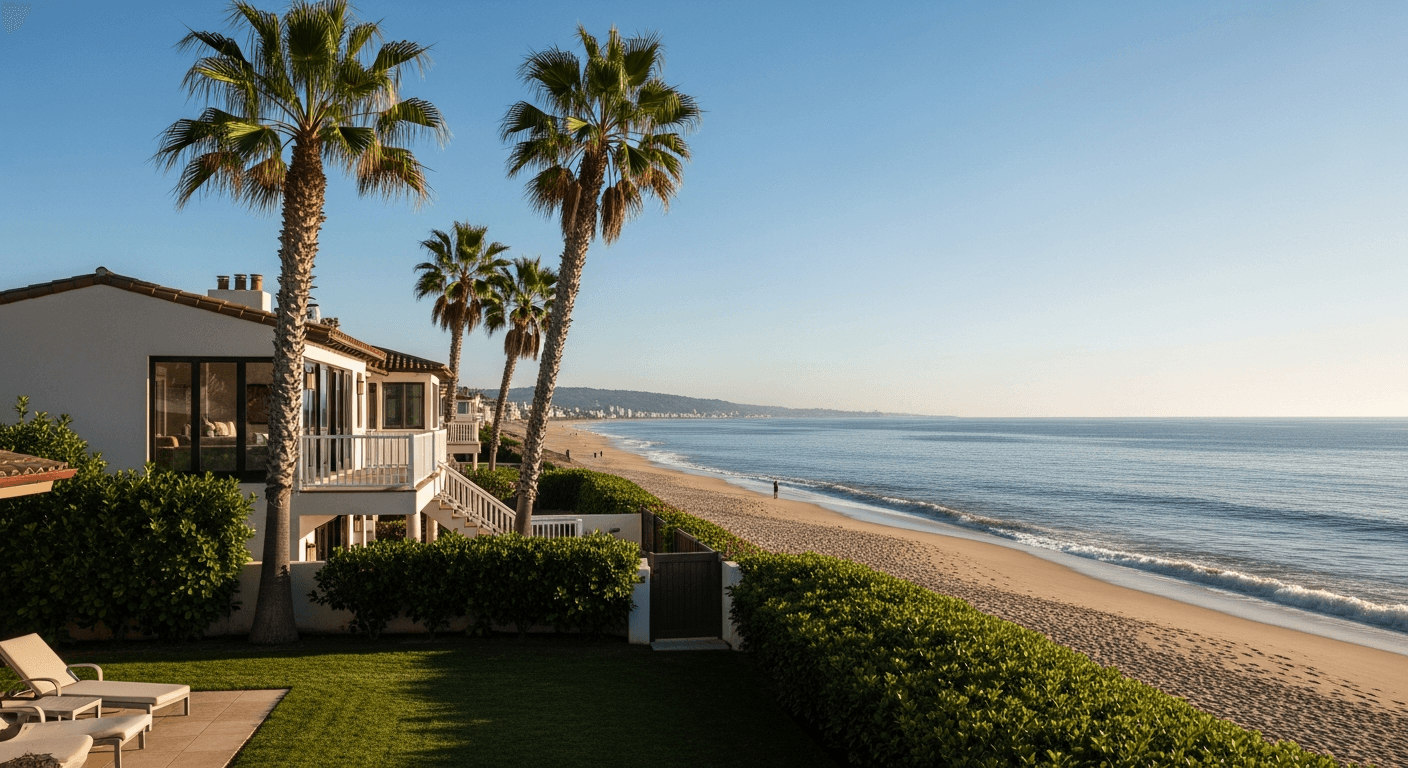
Living along the coast offers unparalleled beauty and lifestyle benefits, but it also exposes homeowners to a concentration of natural perils that make standard homeowners insurance inadequate. Coastal properties face threats from hurricanes, tropical storms, storm surge, flooding, wind-driven rain, saltwater corrosion, and coastal erosion, often in combination during a single weather event. Standard homeowners policies were developed for inland properties and contain exclusions, sublimits, and deductible structures that leave coastal homeowners with dangerous coverage gaps.
The insurance market for coastal properties has tightened considerably in recent years as climate-related losses have increased. Many national carriers have reduced their exposure along coastlines, withdrawing from certain zip codes entirely or imposing strict underwriting requirements such as mandatory wind mitigation features, elevated construction, and impact-resistant windows. Coastal homeowners often find themselves with fewer carrier options and higher premiums than their inland counterparts, making it essential to work with advisors who understand the coastal insurance marketplace and know which carriers are actively writing policies in your area.
State-run insurance programs, known as wind pools or residual market plans, serve as insurers of last resort in many coastal states. While these programs provide essential access to wind and hurricane coverage when private carriers will not, they often come with higher premiums, lower coverage limits, and less favorable claims handling than private market alternatives. Understanding whether your property can obtain private market coverage or must rely on a state program is a critical first step in building your coastal insurance strategy.
Key Coverage Types to Compare
Wind and hurricane coverage is the defining coverage issue for coastal homeowners. In many coastal states, wind damage is excluded from the standard homeowners policy and must be purchased separately through a wind pool or standalone wind policy. Where wind coverage is included in the standard policy, it typically carries a separate hurricane or named storm deductible calculated as a percentage of the dwelling coverage amount rather than a flat dollar figure. A five percent hurricane deductible on a six hundred thousand dollar coastal home means you absorb the first thirty thousand dollars of any hurricane-related claim, a substantially different financial commitment than a standard one thousand dollar deductible.
Flood insurance is a separate and mandatory consideration for most coastal homeowners. Standard homeowners policies universally exclude flood damage, which includes both storm surge and rising water from any source. The National Flood Insurance Program provides coverage up to two hundred fifty thousand dollars for the dwelling and one hundred thousand dollars for contents, but these limits are often insufficient for coastal properties with higher values. Private flood insurance carriers now offer policies with higher limits, replacement cost coverage on contents, and additional living expense coverage that the NFIP does not provide, making them a compelling alternative for homeowners who need more robust flood protection.
Building ordinance and law coverage is particularly important for coastal homes because building codes in coastal areas are frequently updated to require stronger construction standards after major storms. If your home is damaged and must be rebuilt, current building codes may require impact-resistant windows, reinforced roof-to-wall connections, elevated foundations, and other expensive upgrades that were not part of the original construction. Without building ordinance coverage, you pay for these mandatory upgrades out of pocket. Most standard policies include only ten percent of dwelling coverage for ordinance compliance, but coastal homeowners should carry at least twenty-five percent.
What to Look for in a Provider
Coastal homeowners should prioritize carriers with a proven track record of handling catastrophic claims efficiently and fairly. After a major hurricane, thousands of claims are filed simultaneously, and carriers without adequate catastrophe response infrastructure can take months or even years to settle claims. Research how quickly each carrier resolved claims after recent hurricanes in your region, and look for carriers that pre-position adjusters and mobile claims units in advance of approaching storms. A carrier's catastrophe response capability is arguably more important than its premium price for coastal homeowners.
Wind mitigation credits can dramatically reduce coastal insurance premiums, and the best carriers offer the most generous discounts for protective features. Look for carriers that provide meaningful premium reductions for hip roofs, secondary water resistance barriers, impact-resistant windows and doors, reinforced roof-to-wall connections, and opening protection such as hurricane shutters. Some carriers offer cumulative discounts of thirty to fifty percent for homes with multiple wind mitigation features, making these upgrades excellent long-term investments.
Financial strength is non-negotiable when selecting a coastal home insurer. Hurricanes and coastal storms generate billions of dollars in insured losses, and carriers without deep financial reserves may struggle to pay all claims promptly. Stick with carriers rated A-minus or higher by AM Best, and be especially cautious of smaller or newer carriers that offer attractively low premiums but lack the catastrophe reserves and reinsurance backing to survive a major storm season. In the coastal market, the cheapest premium and the most reliable carrier are rarely the same.
How to Compare Quotes Effectively
When comparing coastal home insurance quotes, pay the closest attention to the deductible structure rather than the premium alone. Two policies may have similar annual premiums but dramatically different out-of-pocket costs when you file a claim due to differences in hurricane deductible percentages, all-other-perils deductible amounts, and whether the hurricane deductible applies per storm or per season. Calculate your maximum out-of-pocket cost under each policy by adding the highest applicable deductible to any coverage gaps or exclusions, then compare these total exposure figures alongside the premium.
Request a wind mitigation inspection before shopping for quotes, as the results directly affect your premium with every carrier. A certified wind mitigation inspector will evaluate your roof shape, roof-to-wall connections, roof covering, opening protections, and secondary water resistance and document these features on a standardized form that carriers use to calculate discounts. Having this inspection completed before requesting quotes ensures every carrier applies the same credits and gives you the most accurate premium comparison possible.
Do not evaluate wind coverage and flood coverage in isolation. Your total coastal insurance cost includes the homeowners or wind policy premium, the flood insurance premium, and potentially a separate excess flood policy premium. Some carriers offer package discounts when you bundle wind and flood coverage, while others specialize in one or the other. Compare the total annual cost of the combined wind, homeowners, and flood package from each carrier option to understand the true cost of insuring your coastal home.
Common Mistakes to Avoid
The most dangerous mistake coastal homeowners make is assuming that their homeowners policy covers flood damage. This misconception has devastated thousands of homeowners after hurricanes when they discover that the storm surge that flooded their home is excluded from their homeowners policy. Flood damage requires a separate flood insurance policy, and there is typically a thirty-day waiting period before new flood policies take effect, meaning you cannot purchase coverage after a storm has been forecast. Buy flood insurance well before hurricane season and maintain it year-round.
Another costly error is failing to understand the difference between your standard deductible and your hurricane or named storm deductible. Coastal homeowners who assume they will pay a flat one or two thousand dollar deductible for hurricane damage are shocked to discover that their percentage-based hurricane deductible results in an out-of-pocket cost of ten, twenty, or even thirty thousand dollars. Review your policy declarations page carefully, understand exactly when the hurricane deductible applies, and maintain adequate emergency savings to cover this amount.
Coastal homeowners also frequently neglect to document their property and possessions before a storm, making the claims process far more difficult and contentious after a loss. Create a detailed home inventory with photographs, video walkthroughs, receipts, and appraisals, and store this documentation in a secure cloud-based location accessible from anywhere. After a major storm, adjusters are handling thousands of claims simultaneously and cannot spend hours helping you reconstruct what was in your home. Thorough pre-loss documentation accelerates the claims process and helps ensure you receive a fair settlement.
Getting Started with the Right Coverage
Protecting a coastal home requires a multi-layered insurance approach that addresses wind, flood, liability, and contents coverage as an integrated program rather than a collection of disconnected policies. Start by obtaining a wind mitigation inspection and a flood zone determination for your property. Gather replacement cost estimates that account for coastal construction requirements, and inventory your personal property with particular attention to items that could be damaged by water or wind. This preparation puts you in the strongest possible position to evaluate coverage options and negotiate with carriers.
CPK Insurance has specialized expertise in coastal property insurance and works with carriers that are committed to the coastal market for the long term. Our licensed advisors understand the interplay between wind policies, flood coverage, and standard homeowners protection, and we structure comprehensive programs that eliminate gaps between these coverages. We also help coastal homeowners identify and document wind mitigation features to maximize premium discounts and connect you with qualified contractors for cost-effective upgrades.
Contact CPK Insurance today to request a comprehensive coastal home insurance evaluation. Our team will assess your property's wind and flood exposure, review your current coverage for gaps, and present options from carriers with strong catastrophe response capabilities and financial stability. Living on the coast should be a dream, not an insurance nightmare, and CPK Insurance is here to ensure your home is properly protected against the unique risks that come with waterfront living.
Get Your Personalized Quote
Enter your ZIP code to compare insurance rates from top carriers.
Updated March 1, 2026

CPK Insurance Editorial Team
Licensed Insurance Advisors