Why New Homeowners Need Specialized Homeowners Insurance
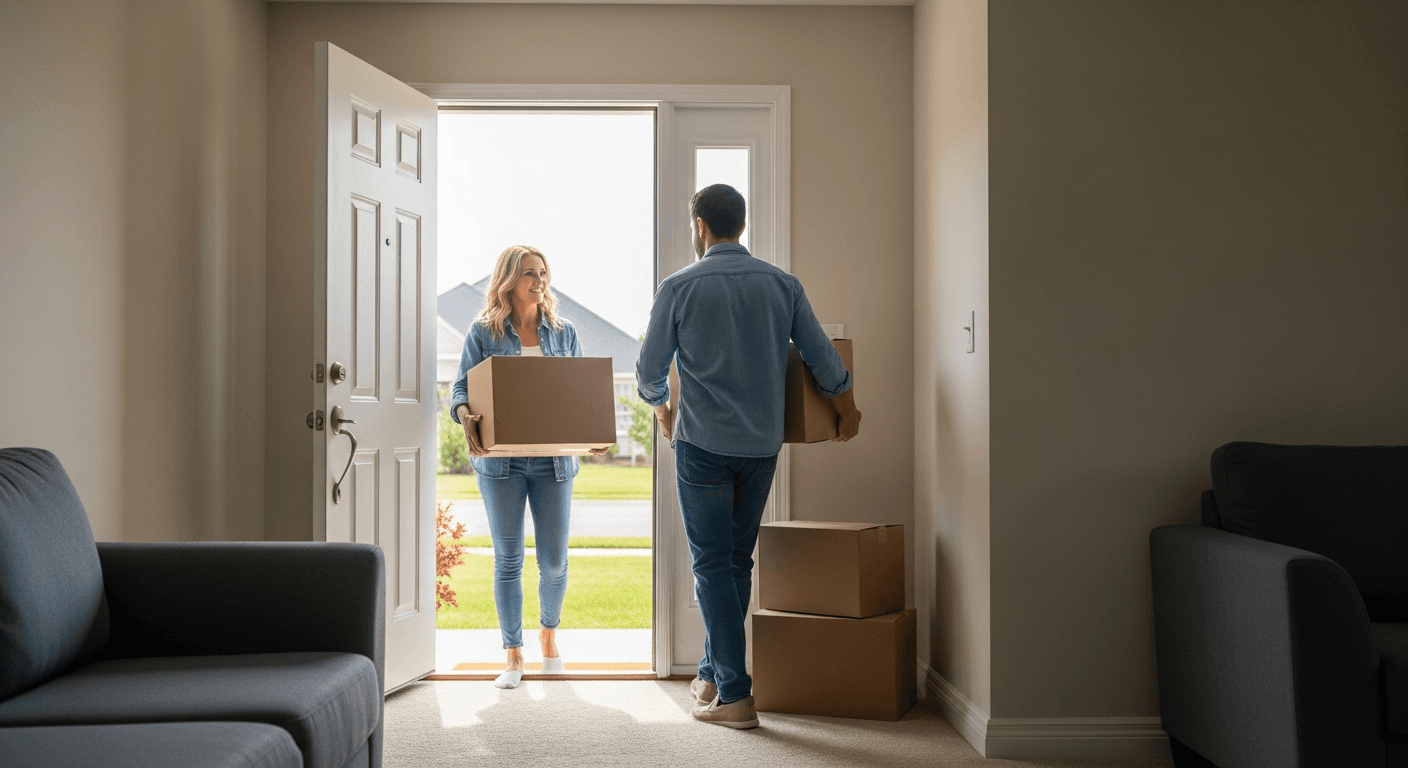
Transitioning from renting to owning a home fundamentally changes your insurance needs and financial responsibilities. As a renter, your landlord's policy covered the building itself and you only needed renters insurance for your personal belongings and liability. As a homeowner, you are now responsible for insuring the structure, the land improvements, your personal property, and your liability to others who may be injured on your property. This expanded scope of responsibility demands a thoughtful approach to insurance that goes well beyond selecting the first policy your mortgage lender suggests.
New homeowners often receive their first insurance education during the hectic closing process, when a lender requires proof of coverage before funding the mortgage. This time pressure leads many buyers to accept whatever policy their real estate agent or loan officer recommends without comparing alternatives or understanding the coverage they are purchasing. While this approach satisfies the lender's requirement, it frequently results in new homeowners carrying policies that are either inadequate for their actual needs or unnecessarily expensive for the coverage provided.
The first year of homeownership is also when you are most likely to discover unexpected issues with your property that may affect your insurance needs. Home inspections can miss hidden problems like outdated wiring, deteriorating plumbing, or foundation issues that become apparent only after you move in. Understanding your homeowners policy well enough to know what is and is not covered before these discoveries occur gives you the knowledge to address problems proactively rather than scrambling to understand your coverage after damage has already happened.
Key Coverage Types to Compare
Dwelling coverage forms the backbone of your homeowners policy and pays to repair or rebuild your home when it is damaged by a covered peril. New homeowners must understand the critical difference between replacement cost and actual cash value coverage. Replacement cost pays the full cost to rebuild your home using materials of similar kind and quality, while actual cash value deducts depreciation, potentially leaving you with a payout that falls far short of what you need to rebuild. Always choose replacement cost dwelling coverage, and consider guaranteed replacement cost endorsements that pay to rebuild even if the final cost exceeds your coverage limit.
Other structures coverage protects detached buildings on your property such as garages, sheds, fences, and guest houses. Standard policies typically set this coverage at ten percent of your dwelling coverage amount, which may be insufficient if you have multiple or large outbuildings. New homeowners should inventory all detached structures on their property and estimate the cost to rebuild each one to determine whether the default ten percent allocation is adequate. If it falls short, most carriers allow you to increase other structures coverage for a modest additional premium.
Additional living expenses coverage, also called loss of use coverage, pays for temporary housing, meals, and other costs you incur if your home becomes uninhabitable due to a covered loss. This coverage is often overlooked by new homeowners until they need it, at which point the standard allocation of twenty percent of dwelling coverage may prove either generous or inadequate depending on local rental costs and the expected duration of repairs. New homeowners in areas with high rental costs or limited temporary housing availability should verify that their additional living expense limit is realistic for their market.
What to Look for in a Provider
New homeowners benefit most from insurance providers that invest in customer education and provide clear, accessible explanations of policy terms, coverages, and claims processes. Look for carriers that offer online knowledge bases, coverage calculators, home inventory tools, and policy explanation videos. The first year of homeownership involves a steep learning curve, and an insurer that helps you understand your coverage empowers you to make better decisions about deductibles, endorsements, and coverage limits as your knowledge grows.
Bundling discounts represent one of the most significant savings opportunities for new homeowners. Most carriers offer ten to twenty-five percent discounts when you combine your homeowners and auto insurance with the same company. If you are transitioning from a renters policy, ask your current auto insurer about homeowners coverage first, as you may already qualify for loyalty discounts that reduce the new homeowners premium further. However, do not assume the bundled option is automatically the best deal. Always compare the bundled price against standalone homeowners quotes from other carriers added to your existing auto premium.
New home discounts and protective device credits can further reduce premiums for recent buyers. Many carriers offer discounts for homes built within the last five to fifteen years, recognizing that newer construction generally incorporates better building materials, updated electrical and plumbing systems, and modern safety features. Additional credits are commonly available for smoke detectors, burglar alarms, deadbolt locks, fire extinguishers, and whole-house water leak detection systems. Ask each carrier for a complete list of available discounts and verify that all applicable credits have been applied to your quote.
How to Compare Quotes Effectively
Start the comparison process before you close on your home by requesting quotes from at least four different carriers as soon as you have a signed purchase agreement. This early start gives you time to compare options carefully rather than rushing to secure coverage at the last minute before closing. Provide each carrier with the same property details, including the address, square footage, year built, construction type, roof age and material, heating system type, and distance to the nearest fire station and fire hydrant, as all of these factors affect pricing.
Focus your comparison on the coverage structure rather than the premium alone. Create a comparison matrix that lists each carrier's dwelling coverage amount, personal property coverage method, liability limit, deductible options, and included endorsements side by side. Pay particular attention to whether personal property is covered at replacement cost or actual cash value, as this single distinction can mean thousands of dollars of difference in claim payments. Also note whether each policy includes water backup coverage, which protects against sewer and drain backups and is one of the most commonly filed homeowners claims.
Investigate each carrier's claims history and customer satisfaction record before making your decision. Check the National Association of Insurance Commissioners complaint index for each carrier, read recent customer reviews focused on claims experiences, and ask your agent or the carrier directly about their average claim resolution time. New homeowners who have never filed a homeowners claim tend to focus exclusively on premium price, but your insurance is only as good as the claims experience when you actually need it. A carrier with a slightly higher premium but consistently excellent claims handling is a better investment than the cheapest option with a track record of claim delays and disputes.
Common Mistakes to Avoid
One of the most common mistakes new homeowners make is accepting the insurance coverage their mortgage lender or real estate agent recommends without shopping around. While these referrals may come from reputable carriers, they represent a single option in a competitive marketplace. The lender's primary concern is ensuring their collateral is protected, not ensuring you have the best coverage at the best price. Taking the time to compare at least four quotes can save you hundreds of dollars annually while potentially providing better coverage.
New homeowners frequently overlook the importance of creating a detailed home inventory immediately after moving in. Your personal property coverage is only valuable if you can substantiate what you owned and what it was worth when filing a claim. Walk through your home with a camera or video recorder, photograph every room from multiple angles, and document serial numbers, receipts, and appraisals for valuable items. Store this inventory in a secure cloud location and update it whenever you make significant purchases. Without documentation, claim settlements are based on the adjuster's estimate rather than your actual losses.
Another prevalent mistake is setting the deductible too high to minimize the annual premium without considering whether you can actually afford the deductible if a claim occurs. A two thousand five hundred dollar deductible might save you one hundred fifty dollars per year compared to a one thousand dollar deductible, but if you cannot comfortably absorb a twenty-five hundred dollar expense after a loss, the savings are not worth the risk. Choose a deductible that balances affordability with your ability to pay out of pocket when a covered loss occurs, and keep that amount set aside in an easily accessible savings account.
Getting Started with the Right Coverage
The journey to finding the right homeowners insurance begins well before your closing date. Start by educating yourself on the basic components of a homeowners policy, understanding your mortgage lender's minimum insurance requirements, and assessing the specific risks associated with your new home's location and construction. This knowledge foundation enables you to ask informed questions when comparing quotes and ensures you understand exactly what you are purchasing rather than simply checking a box on your closing checklist.
CPK Insurance is dedicated to helping new homeowners navigate the insurance selection process with clarity and confidence. Our licensed advisors take the time to explain coverage options in straightforward language, walk you through the differences between policy types, and ensure your coverage is tailored to your specific home and financial situation. We work with a broad network of carriers to present multiple options, and we never push a one-size-fits-all solution because every home and homeowner is unique.
Contact CPK Insurance today to request a no-obligation homeowners insurance quote comparison for your new home. Our team will help you determine the right coverage levels, identify all available discounts, and select a policy that provides genuine protection rather than just satisfying your lender's requirements. Buying a home is a milestone worth celebrating, and having the right insurance in place from day one lets you enjoy your new home with the peace of mind that comes from knowing you are properly protected.
Get Your Personalized Quote
Enter your ZIP code to compare insurance rates from top carriers.
Updated March 1, 2026

CPK Insurance Editorial Team
Licensed Insurance Advisors