Why HVAC Contractors Need Specialized Insurance
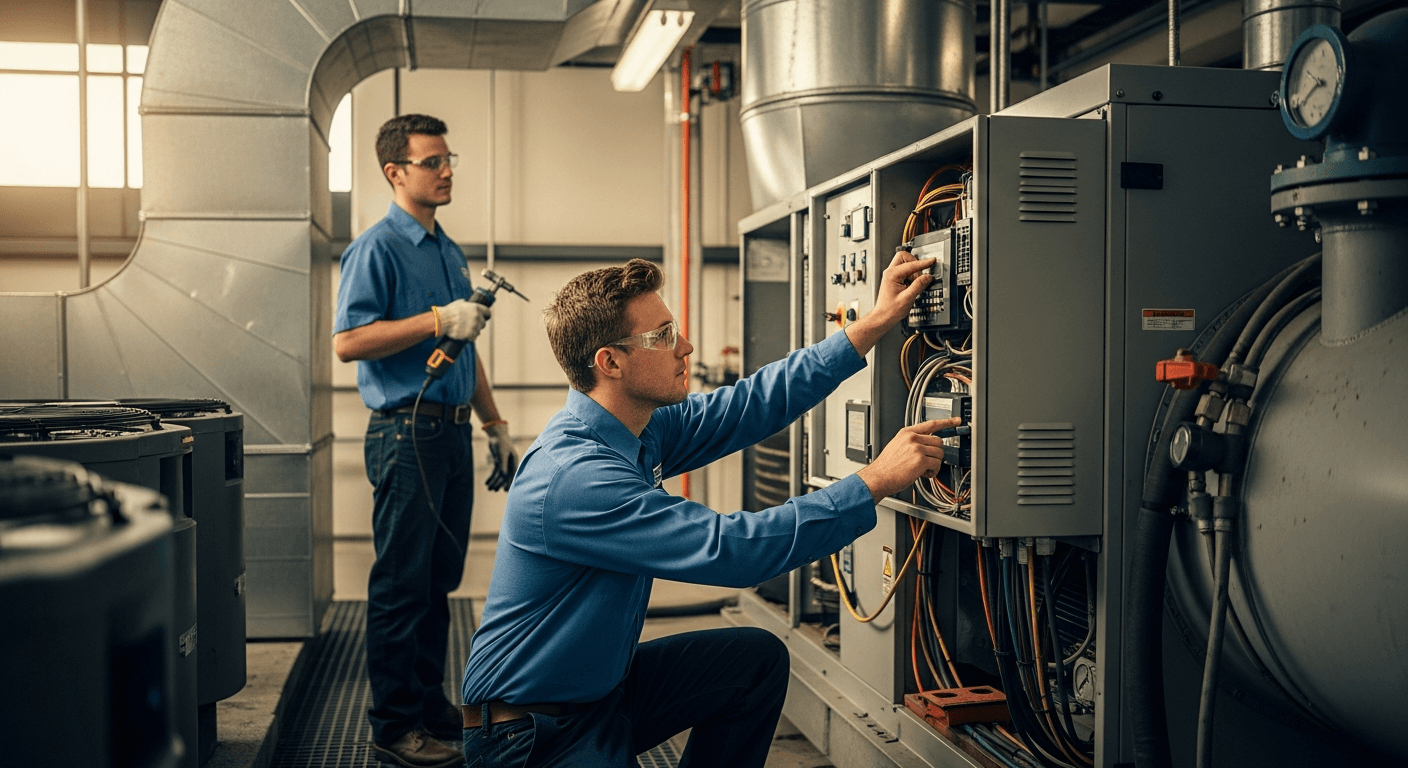
HVAC contractors operate at the intersection of several distinct risk categories that together create a complex insurance profile. The mechanical systems they install and service involve combustion equipment such as furnaces and boilers, pressurized refrigerant systems, electrical connections and controls, gas piping, and ductwork that penetrates fire barriers throughout a building. Each of these elements carries its own set of hazards, and a single installation or service call can involve multiple risk categories simultaneously. An improperly installed furnace can cause carbon monoxide poisoning or a gas explosion. A refrigerant leak can cause environmental contamination and health effects. A faulty electrical connection on a condensing unit can start a fire. This multi-hazard exposure profile requires insurance coverage that addresses all of these scenarios comprehensively.
The HVAC industry is also characterized by a significant service and maintenance component in addition to new installation work. Many HVAC companies derive a substantial portion of their revenue from service agreements, emergency repairs, and seasonal maintenance visits. This ongoing relationship with customers' mechanical systems means that HVAC contractors are repeatedly entering occupied spaces, working near finished materials and personal property, and performing work that if done incorrectly could cause damage that may not be discovered until the system is next used seasonally. The frequency of customer interactions and the variety of work environments, from residential homes to commercial office buildings to industrial facilities, multiplies the opportunities for both liability claims and workers compensation injuries.
Regulatory requirements add another layer of complexity to HVAC insurance. HVAC contractors must hold EPA certification for refrigerant handling, maintain trade licenses that often require proof of insurance, and comply with building codes that govern the installation and modification of mechanical systems. Warranty obligations from equipment manufacturers create additional exposure, as improper installation can void manufacturer warranties and shift liability for equipment failures entirely onto the installing contractor. An insurance program for an HVAC company must account for all of these overlapping regulatory, contractual, and operational exposures to provide meaningful protection.
Key Coverage Types to Compare
General liability insurance for HVAC contractors should be evaluated with particular attention to how the policy handles property damage claims arising from installation and service work. HVAC systems are integrated into the building structure, and work on these systems frequently occurs near finished walls, ceilings, and floors. Water damage from condensate line failures, fire damage from combustion equipment issues, and refrigerant damage to building finishes are all realistic claim scenarios that HVAC contractors face. When comparing general liability policies, confirm that the coverage applies to both ongoing operations and completed operations, and verify that there are no exclusionary endorsements that restrict coverage for work involving gas connections, refrigerant systems, or combustion equipment.
Commercial auto insurance is a critical policy for HVAC contractors because the business model depends heavily on service vehicles. HVAC technicians drive to multiple locations daily, often carrying expensive diagnostic equipment, recovery machines, refrigerant cylinders, and replacement parts. The vehicles themselves are typically customized with ladder racks, tool compartments, and sometimes crane or lift equipment. When comparing commercial auto quotes, evaluate the liability limits, the physical damage coverage for the vehicles, and whether the policy adequately covers the tools and equipment carried in each vehicle. Consider whether you need hired and non-owned auto coverage for situations where technicians use personal vehicles or rental vehicles for business purposes.
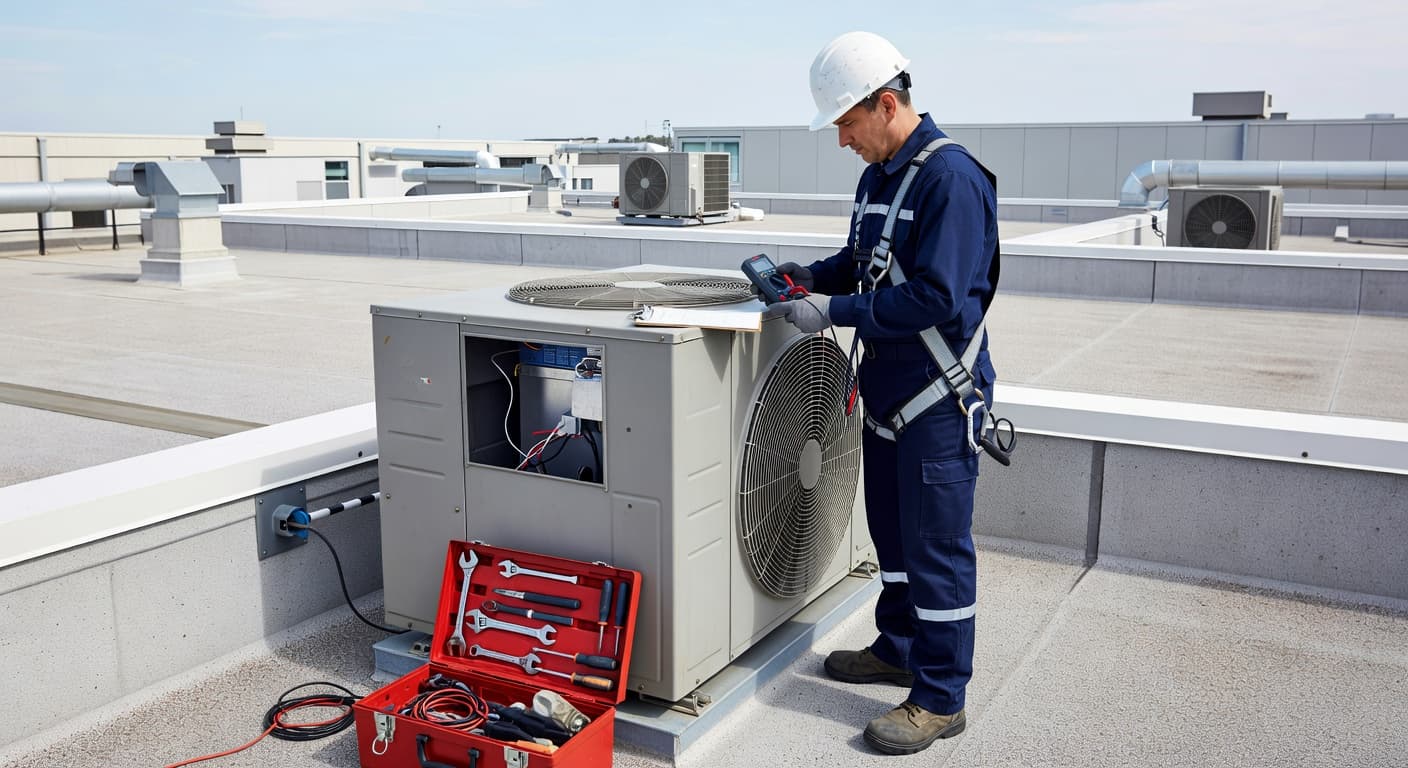
Workers compensation insurance for HVAC companies must account for a diverse set of occupational hazards. HVAC technicians are exposed to electrical shock, refrigerant burns and inhalation, falls from rooftops where condensing units are located, burns from brazing and soldering, and repetitive strain injuries from working in cramped mechanical rooms and attic spaces. Heat stress during summer service calls and cold exposure during winter emergencies add seasonal injury risks. When comparing workers compensation options, evaluate the carrier's safety resources for mechanical contractors, their experience with HVAC-specific injury claims, and their ability to help you reduce your experience modification factor through effective loss control and claims management programs.
What to Look for in a Provider
The right insurance provider for an HVAC contracting business should demonstrate familiarity with the mechanical contracting industry and its unique coverage requirements. HVAC work crosses multiple insurance classification boundaries, encompassing elements of electrical work, plumbing, sheet metal fabrication, and general construction. A provider that understands these overlapping classifications can ensure that your policies are properly structured to cover all aspects of your work without gaps or unnecessary overlaps. Ask prospective providers how many HVAC contractors they currently insure and whether they have staff members with specific knowledge of the mechanical contracting industry.
Flexibility in structuring coverage is particularly important for HVAC companies because of the diversity of work they perform. A company that installs commercial rooftop units, services residential split systems, performs duct cleaning, and maintains building automation controls needs an insurance program that covers all of these activities under a cohesive policy structure. Some carriers excel at covering one aspect of HVAC work but restrict coverage for others. The ideal provider can accommodate the full scope of your HVAC operations, including any specialty services such as refrigeration, indoor air quality work, or energy management systems, under a single comprehensive program.
The provider's claims handling capability and reputation should factor significantly into your decision. HVAC claims often involve technical disputes about system design, installation quality, equipment failure causation, and code compliance. A carrier with adjusters who understand mechanical systems is better positioned to evaluate these claims accurately and resolve them fairly. Ask for references from other HVAC contractor clients and inquire specifically about their experience with the claims process. At CPK Insurance, we partner with carriers that have mechanical contracting expertise in their underwriting and claims departments, ensuring that our HVAC clients receive knowledgeable service throughout the policy lifecycle.
How to Compare Quotes Effectively
When comparing insurance quotes for an HVAC business, begin by verifying that each carrier has accurately captured the scope of your operations. HVAC companies often perform work that spans multiple classification codes, including heating equipment installation, air conditioning installation, refrigeration work, duct fabrication, controls wiring, and service and repair. If a carrier classifies all of your work under a single broad code, you may be overpaying for lower-risk service work or underpaying for higher-risk installation work, either of which can create problems at audit time. Review the classification codes on each quote to confirm they accurately reflect your revenue mix across different types of work.
Compare the coverage details of each general liability quote beyond just the headline limits. Look at the property damage deductible, which determines your out-of-pocket cost on each damage claim. Check whether the completed operations coverage includes adequate limits for your installation work, as a completed operations claim from a faulty furnace installation or a failed condensate drain can generate significant property damage. Examine any exclusionary endorsements for pollution-related claims, as refrigerant releases may be treated as pollution events by some carriers, and standard pollution exclusions could limit your coverage for these incidents. Some carriers offer pollution liability endorsements specifically designed for HVAC contractors that cover refrigerant-related claims.
Evaluate each quote in the context of your total insurance program cost. An HVAC company typically needs general liability, commercial auto, workers compensation, and often inland marine or equipment coverage. Carriers that can provide multiple lines of coverage may offer package discounts that reduce the total program cost. Additionally, consider the operational efficiency of managing your insurance. Having all policies with one carrier or through one agency simplifies renewals, reduces the chance of coverage gaps between policies, and provides a single point of contact for claims and service requests. CPK Insurance presents HVAC contractor quotes on a total-program basis, showing you the complete cost picture so you can make the best decision for your business.
Common Mistakes to Avoid
A frequent and costly mistake HVAC contractors make is failing to properly account for the refrigerant handling exposure in their insurance program. Refrigerant releases can trigger environmental cleanup costs and health-related claims, and these incidents may fall under the pollution exclusion found in standard general liability policies. HVAC contractors who handle refrigerants should discuss this exposure with their insurance agent and consider adding a pollution liability endorsement or a separate environmental liability policy to address it. The cost of this additional coverage is modest compared to the potential financial impact of an uninsured refrigerant release incident, particularly in commercial buildings where evacuation, remediation, and business interruption costs can be substantial.
Another common mistake is underestimating the value of tools and equipment when setting up insurance coverage. HVAC technicians carry thousands of dollars in specialized equipment in their service vehicles, including refrigerant recovery machines, vacuum pumps, manifold gauge sets, leak detectors, combustion analyzers, and diagnostic tablets. A vehicle theft or accident can result in the loss of $15,000 to $30,000 or more in tools and equipment. Many commercial auto policies provide limited or no coverage for tools and equipment, and the standard limits may be far below the actual replacement cost. Conduct a thorough inventory of the equipment in each service vehicle and ensure that your inland marine or tools coverage reflects the true replacement value.
Failing to update your insurance when you add new services or expand into new market segments is a mistake that can leave you uninsured precisely when you need coverage most. If your company begins offering ductless mini-split installations, commercial refrigeration services, or building automation work, these activities may not be covered under your existing policy classification. Similarly, expanding from residential work into commercial or industrial HVAC introduces different risk characteristics that your current carrier may not have rated for. Always communicate changes in your operations to your insurance agent before beginning the new work, so your coverage can be adjusted to match your actual exposure profile.
Getting Started with the Right Coverage
Preparing for the HVAC insurance quoting process starts with organizing a comprehensive picture of your business operations. Detail the specific types of HVAC work you perform, such as residential heating and cooling installation, commercial rooftop unit service, refrigeration system maintenance, duct fabrication and installation, controls and building automation, or specialty services like clean room HVAC or medical facility systems. Break down your annual revenue by work type if possible, as this helps carriers classify your operations accurately and often results in more competitive pricing because lower-risk service work is rated differently than higher-risk installation work.
Compile your fleet information including the number, type, and value of each vehicle, along with an inventory of tools and equipment carried in each one. Gather your payroll records organized by job function, your claims history for the past five years, and documentation of any safety programs, training certifications, or industry certifications such as NATE certification for technicians. These details demonstrate to underwriters that your company operates professionally and manages its risks actively, which can translate into premium credits and preferred rates.
CPK Insurance understands the HVAC industry's unique insurance requirements and works with carriers that have dedicated mechanical contractor underwriting programs. We can structure a comprehensive insurance program that covers all aspects of your HVAC business, from installation and service operations to your vehicle fleet and equipment. Our advisors will review your specific operations, identify any coverage gaps, and present you with competitive options from carriers with proven experience insuring HVAC contractors. We handle the certificate management and endorsement requests that are a regular part of contracting work, so you can focus on running your business. Contact CPK Insurance today for a thorough review of your HVAC insurance needs and a competitive quote comparison.
Get Your Personalized Quote
Enter your ZIP code to compare insurance rates from top carriers.
Updated March 1, 2026

CPK Insurance Editorial Team
Licensed Insurance Advisors