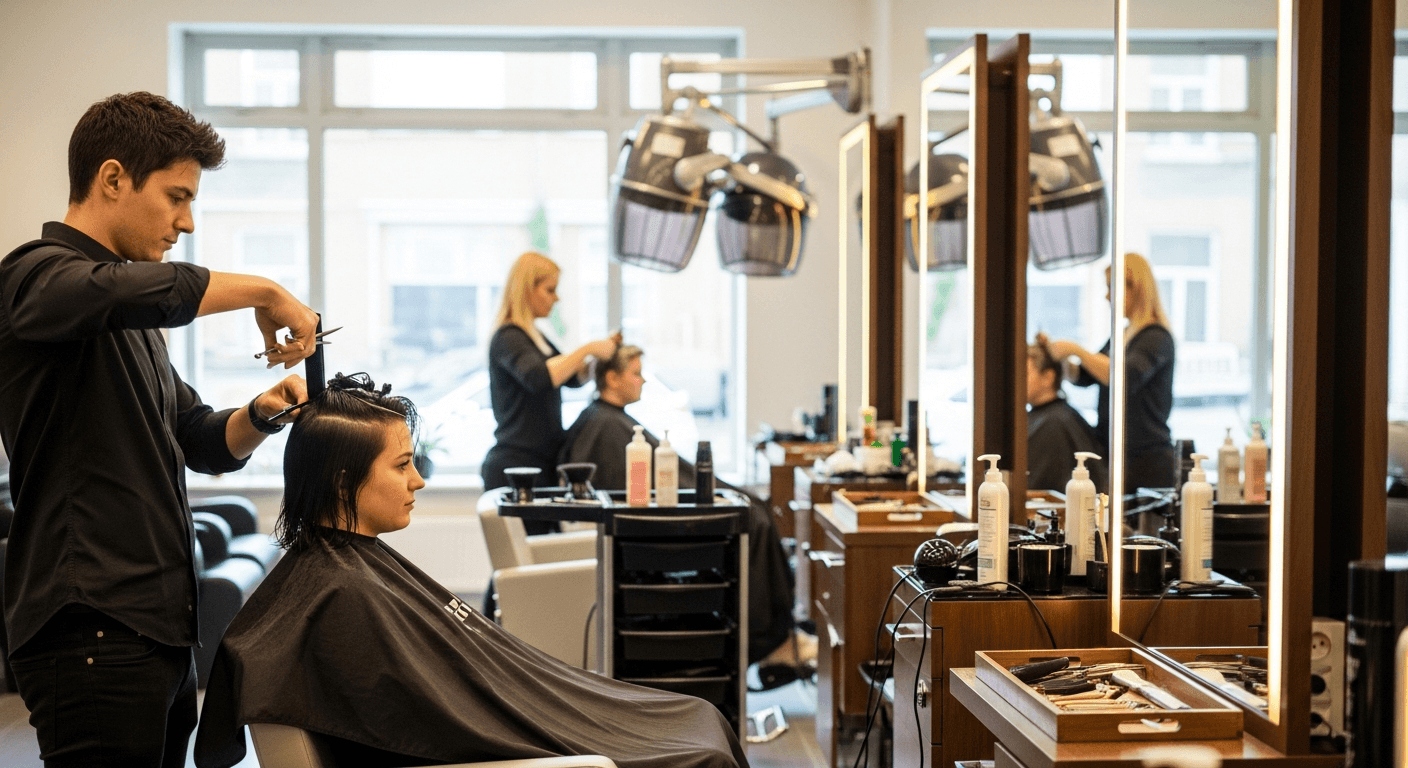
Why Hair Salons Need Insurance
Hair salons and barbershops face a distinctive combination of risks that make insurance essential for business survival. Every day, salon professionals apply chemical treatments, use sharp tools, operate hot styling equipment, and work in close physical contact with clients. A chemical burn from a color treatment, a severe allergic reaction to a product, or a cut from scissors or razors can all generate liability claims that threaten your business.
The beauty industry is also uniquely vulnerable to professional liability claims. Clients who are dissatisfied with the results of a treatment, experience hair loss or damage from chemical services, or develop skin reactions to products used in your salon can file claims alleging professional negligence. These claims can result in medical expenses, lost wages, pain and suffering damages, and the cost of corrective treatments, all of which you would be responsible for without insurance.
Most states require cosmetology and barbering licenses to operate, and many landlords and shopping center management companies require proof of insurance as a condition of your lease. Additionally, product manufacturers often specify insurance requirements for salons that use their professional product lines. Insurance is not just a safety net for salon owners. It is a fundamental business requirement that protects your livelihood and enables you to operate professionally.
Essential Insurance for Salon Owners
General liability insurance covers third-party bodily injury and property damage claims that occur on your premises. A client who slips on a wet floor, trips over a cord, or is injured by falling equipment is covered by general liability. This policy also covers damage to client property, such as clothing stained by hair color or personal items damaged during a visit. Most salons need at least $1 million per occurrence in general liability coverage.
Professional liability insurance, often called malpractice or errors and omissions insurance in the beauty industry, covers claims arising from the professional services you provide. If a chemical treatment causes hair loss, a color service results in an allergic reaction, or a waxing treatment causes burns or scarring, professional liability covers the resulting claims. This coverage is separate from general liability and is essential because general liability policies typically exclude claims arising from professional services.
Commercial property insurance protects your salon's physical assets including your space (if owned), styling stations, shampoo bowls, dryers, furniture, product inventory, and business equipment. Salons invest heavily in creating an inviting atmosphere, and replacing damaged equipment and fixtures can be extremely costly. Property insurance covers damage from fire, theft, vandalism, storms, and other covered events.
Workers' compensation insurance is required in most states once you hire employees. Salon workers face risks including repetitive strain injuries from cutting and styling, chemical exposure, burns from hot tools, and slips on wet floors. Even if your stylists are classified as booth renters rather than employees, verify your state's rules carefully as misclassification can expose you to penalties and uninsured claims.
Booth Renters vs. Employees: Insurance Implications
One of the most important insurance considerations for salon owners is the distinction between employees and booth renters. Many salons operate on a booth rental model where individual stylists rent a station and operate as independent businesses. This arrangement has significant insurance implications that both the salon owner and the individual stylist need to understand.
If your stylists are employees, you are generally responsible for their actions while they are working and need to carry workers' compensation, include them on your liability policy, and ensure your professional liability coverage extends to their services. If they are true independent contractors renting booth space, they should carry their own general liability and professional liability insurance.
However, misclassifying employees as booth renters is a common and dangerous practice. The IRS and state agencies have specific criteria for determining worker classification, and simply calling someone a booth renter does not make them one. If a worker you classify as a booth renter is later determined to be an employee, you could face back taxes, penalties, and retroactive workers' compensation premiums. Additionally, if that worker causes a client injury and does not carry their own insurance, you could be held liable.
As a salon owner, require proof of insurance from all booth renters and name your salon as an additional insured on their policies. This protects you if a booth renter's services cause a client injury. Maintain clear written agreements that specify the independent contractor relationship and insurance requirements.
Common Claims in the Salon Industry
Chemical-related claims are the most distinctive risk in the salon industry. Hair coloring products, relaxers, perms, and other chemical treatments can cause burns, allergic reactions, hair breakage, and scalp damage. Even when products are applied correctly and according to manufacturer instructions, individual sensitivities can lead to adverse reactions. Professional liability insurance covers these claims, including the cost of medical treatment, corrective procedures, and legal defense.
Bodily injury claims from slip-and-fall accidents are common in salons due to wet floors, hair clippings, and products that make surfaces slippery. A client who falls in your salon can incur significant medical bills, and the resulting claim is covered by your general liability policy. Implementing regular cleaning protocols and placing non-slip mats in high-traffic areas reduces but does not eliminate this risk.
Property damage to clients' personal belongings is another frequent claim. Clothing stained by hair color, handbags damaged by spilled product, or electronics damaged by water exposure can all generate claims. While these are typically small in dollar amount, they occur frequently enough to warrant reliable insurance coverage.
Product liability claims arise when a product used in your salon causes harm to a client. Even though you did not manufacture the product, you can be held liable as part of the distribution chain if the product is defective or if you used it in a manner inconsistent with its intended purpose.
How to Get Salon Insurance
Getting the right insurance for your salon starts with understanding your specific operation. The number of stations, services offered, employee count, and annual revenue all affect your coverage needs and premium. Salons that offer chemical services, waxing, microdermabrasion, or other invasive treatments typically need higher professional liability limits than those offering only cuts and styling.
Many insurance carriers offer salon-specific insurance packages that bundle general liability, professional liability, and property coverage into a single, cost-effective policy. These packages are designed for the beauty industry and understand the unique risks salons face. They often include coverage for product liability and completed operations that might require separate endorsements on a standard policy.
CPK Insurance can help you find the right coverage for your salon at competitive rates. We work with carriers that specialize in beauty and personal care industry insurance and understand the specific risks salon owners face. Whether you operate a single-chair barbershop or a multi-location salon with dozens of stylists, we can build a coverage package tailored to your needs. Getting a quote takes just a few minutes.
Get Your Personalized Quote
Enter your ZIP code to compare insurance rates from top carriers.
Updated March 10, 2026

CPK Insurance Editorial Team
Licensed Insurance Advisors