Why Handymen Need Insurance
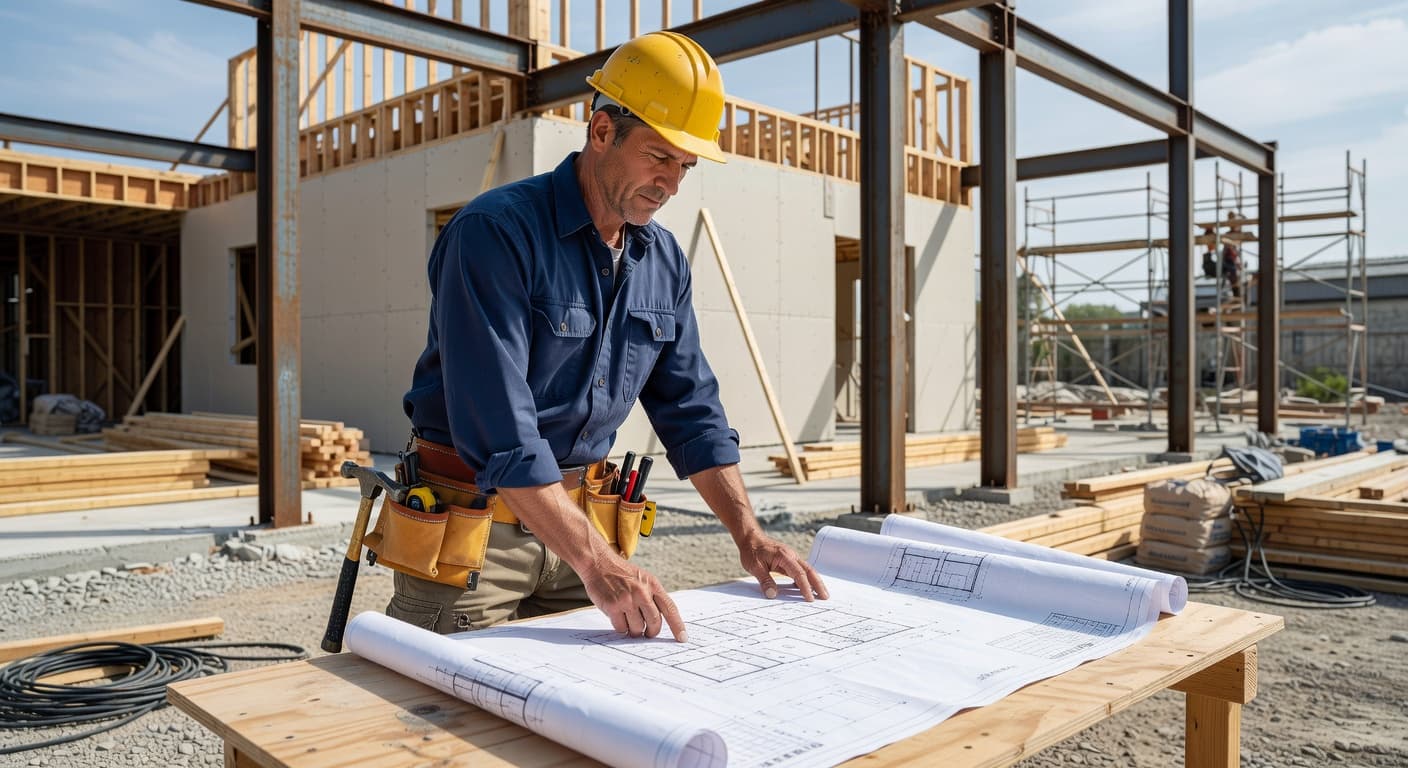
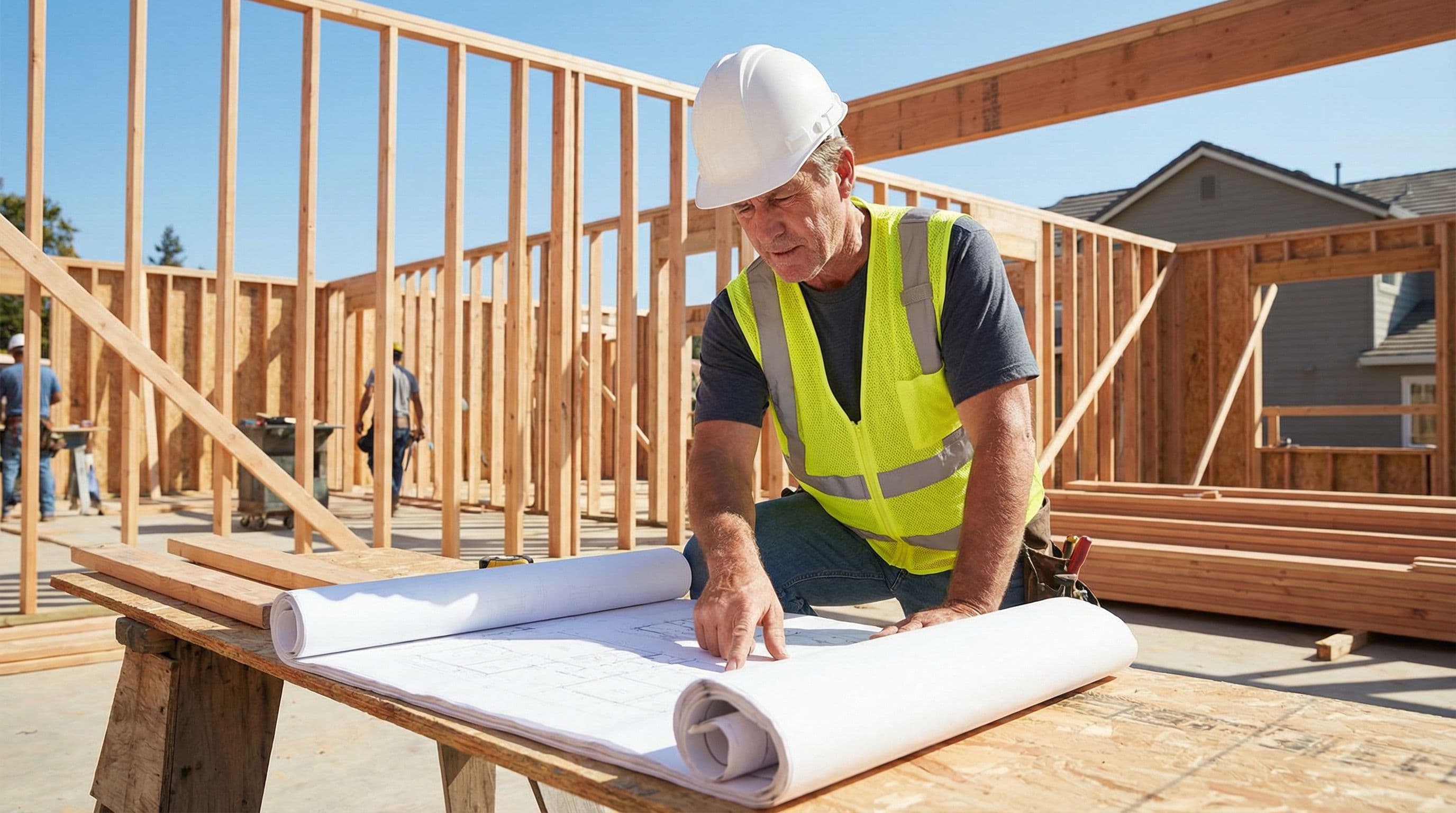
As a handyman, you perform a wide range of repair and maintenance tasks in clients' homes and commercial properties. From plumbing fixes and electrical work to drywall repairs and furniture assembly, the variety of work you do creates an equally varied set of risks. You are working in spaces filled with a client's personal property, using tools and materials that can cause damage, and performing tasks that could lead to injury if something goes wrong.
The handyman industry is particularly vulnerable to liability claims because of the diverse nature of the work. A plumbing repair that leaks and causes water damage, an electrical fix that leads to a short circuit, or a shelf installation that falls and injures someone can all generate claims that easily reach five or six figures. Without insurance, you would be personally responsible for these costs, which could wipe out your savings and your business.
Many states and municipalities require handymen to carry general liability insurance to obtain or maintain a business license. Even in areas where insurance is not legally required, most clients, property managers, and general contractors require proof of insurance before hiring a handyman. If you cannot provide a certificate of insurance, you are losing work to competitors who can. Insurance is both a legal necessity and a competitive advantage in the handyman business.
Core Insurance Policies for Handymen
General liability insurance is the most important policy for any handyman. It covers claims of bodily injury and property damage caused by your work. If a client trips over your tools, if your repair work causes damage to their property, or if a completed project fails and causes harm, general liability insurance covers the legal defense costs and any settlements or judgments. Most handymen need at least $1 million per occurrence in coverage.
Workers' compensation insurance becomes mandatory as soon as you hire employees in most states. Even as a sole proprietor, purchasing workers' comp for yourself can be a smart decision because it covers your own medical expenses and lost income if you are injured on the job. Handyman work is physically demanding and involves ladders, power tools, and awkward positions that increase the risk of injury.
Commercial auto insurance is essential if you use a vehicle to travel between job sites and transport tools and materials. Your personal auto policy likely excludes business use, which means any accident that occurs while you are driving to or from a job could result in a denied claim. A commercial auto policy covers your vehicle, your tools in transit, and your liability on the road.
Tools and equipment coverage, often available as an inland marine policy or an endorsement to your general liability policy, protects the tools of your trade. Replacing a full set of professional tools after theft or damage can cost thousands of dollars, and standard policies often have limited coverage for tools stored in a vehicle or at a job site.
Licensing and Insurance Requirements by State
Handyman licensing and insurance requirements vary significantly by state and even by municipality. Some states, like California, require handymen performing work valued under a certain dollar threshold to register with the state but do not require a full contractor's license. Other states have no specific handyman license but require a general contractor's license for work above a certain value, which typically comes with insurance requirements.
In many jurisdictions, the distinction between handyman work and contractor work is defined by the dollar value of the project. For example, some states allow handymen to perform jobs valued at under $500 or $1,000 without a contractor's license, while larger projects require licensed and insured contractors. Exceeding these thresholds without proper licensing and insurance can result in fines, loss of your business license, and liability for any damages that occur.
Regardless of state requirements, carrying insurance significantly enhances your credibility and marketability. Platforms like Angi, Thumbtack, and HomeAdvisor often prioritize or require insured professionals in their listings. Property management companies universally require certificates of insurance from handymen they hire. And homeowners increasingly check for insurance before allowing anyone to work in their home. The investment in insurance typically pays for itself through the additional work it enables you to secure.
Common Claims Handymen Face
Property damage is the most frequent claim type for handymen. A misaligned pipe fitting that causes a slow leak can lead to mold and structural damage worth tens of thousands of dollars. An improperly anchored fixture that falls can damage flooring, countertops, or other surfaces. Even careful handymen occasionally scratch floors, dent walls, or break fixtures during the course of normal work. General liability insurance covers these incidents so they do not become catastrophic financial events.
Bodily injury claims are the second most common and often the most expensive. If a client, family member, or bystander is injured because of your work or your presence on the property, you could face medical bills, lost wage claims, and pain and suffering demands. A client who slips on debris you left on a stairway, a child who is injured by an unsecured power tool, or a homeowner who is hurt by a faulty repair can all result in significant liability.
Completed operations claims arise after you have finished a job and left the property. If your repair fails weeks or months later and causes damage or injury, your general liability policy's completed operations coverage responds to the claim. This is particularly important for handymen because the variety of work means there are many potential failure points that may not become apparent immediately.
Allegations of faulty workmanship are also common, particularly for handymen who perform specialized tasks like electrical or plumbing work. Even if your work was performed correctly, defending against a faulty workmanship claim requires legal representation that insurance provides.
How to Get Handyman Insurance
Getting insurance for your handyman business is straightforward when you work with an experienced advisor. Start by listing all the services you provide, as your premium is based in part on the specific types of work you perform. Electrical and plumbing work typically carries higher premiums than painting or general maintenance because the potential for serious damage is greater.
You will need to provide your annual revenue or expected revenue, the number of employees if any, your years of experience, and your claims history. If you have specialized certifications or training, mention them as they can sometimes qualify you for lower rates. A clean claims history is one of the biggest factors in getting competitive pricing.
CPK Insurance specializes in coverage for trades professionals including handymen. We work with carriers that understand the unique risk profile of handyman businesses and can offer competitive rates for the specific mix of services you provide. Whether you are a one-person operation working out of your truck or a growing handyman service with multiple employees, we can build a coverage package that protects your business and helps you win more work. Getting a quote takes just minutes and there is no obligation.
Get Your Personalized Quote
Enter your ZIP code to compare insurance rates from top carriers.
Updated March 10, 2026

CPK Insurance Editorial Team
Licensed Insurance Advisors