Why Restaurant Insurance Is Complex
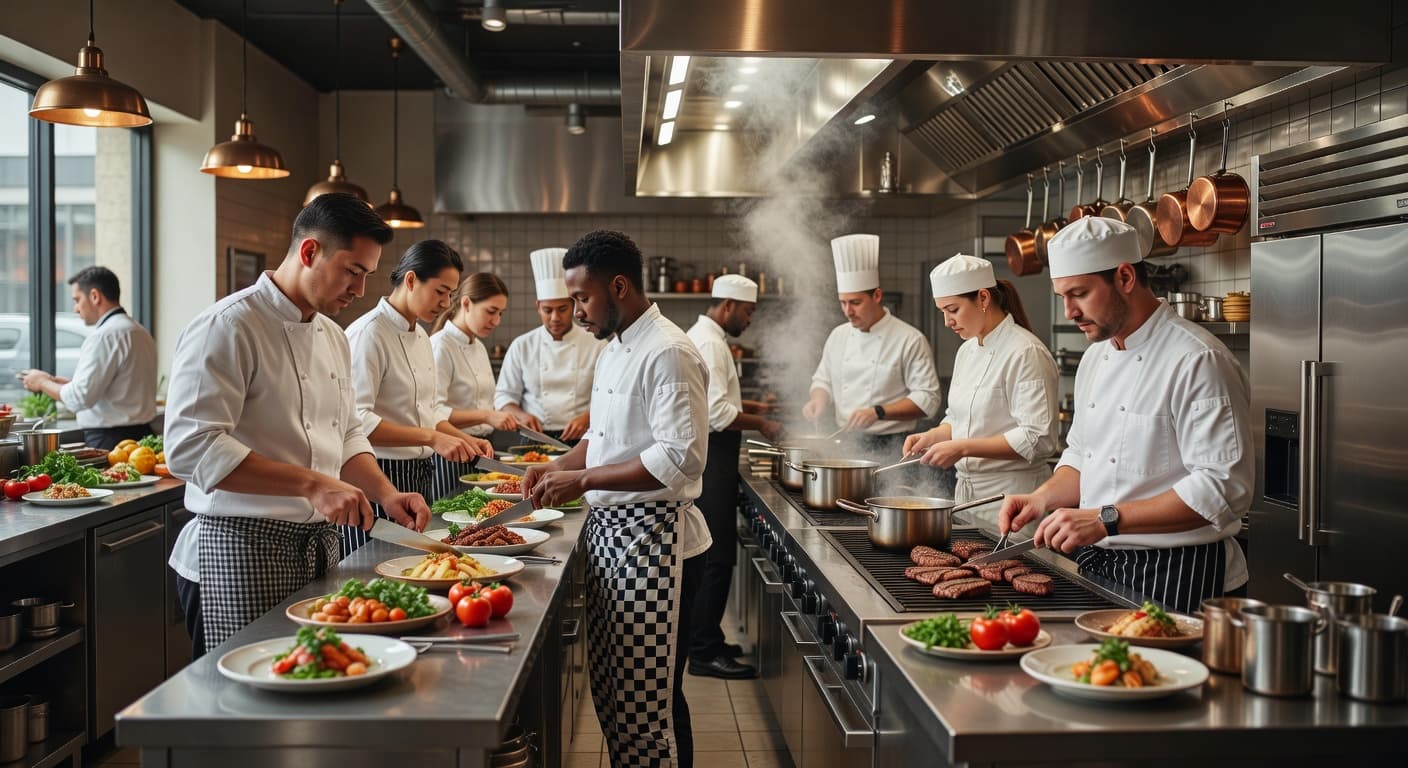
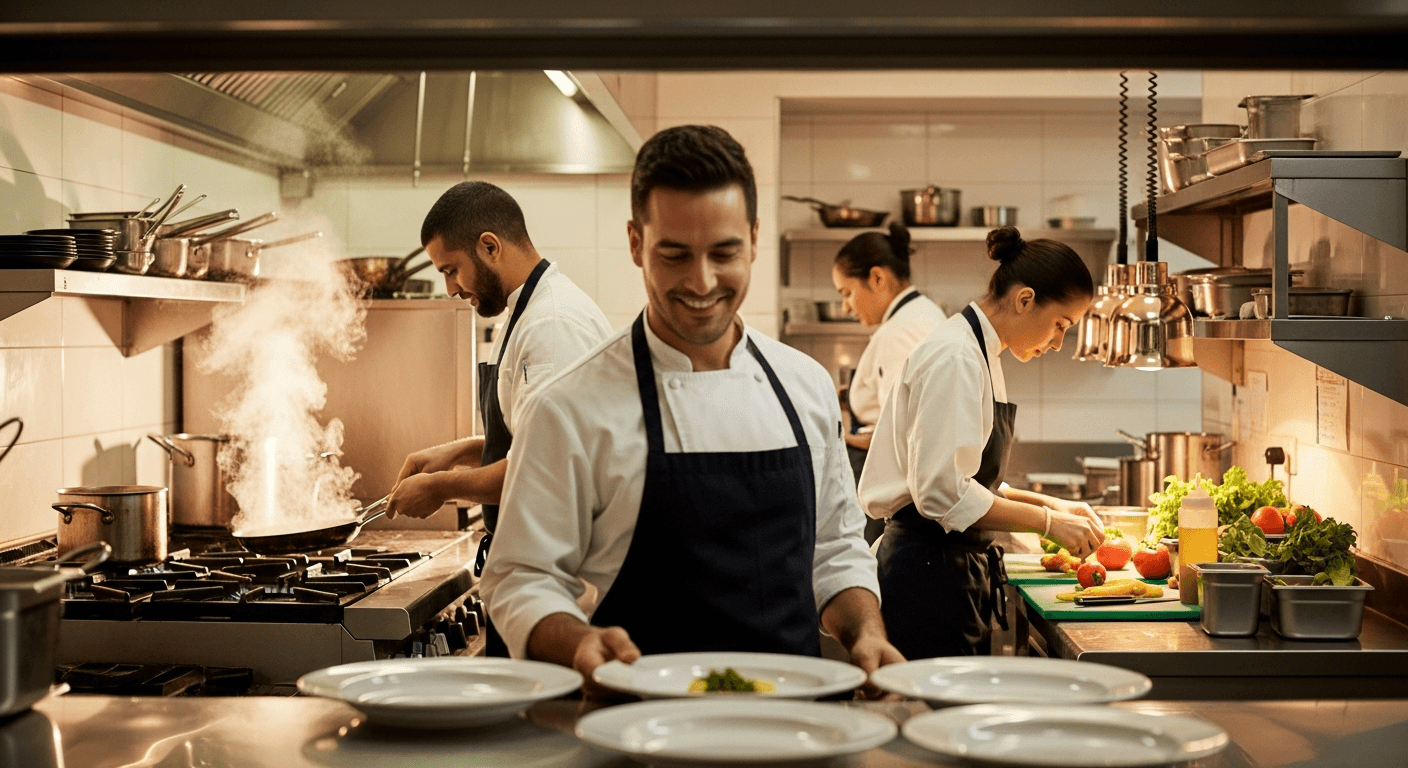
Running a restaurant combines the challenges of food service, hospitality, property management, and employment into a single business. Each of these areas carries its own set of insurance risks, making restaurant insurance one of the most complex coverage programs in the small business world.
Food-related liability is the most obvious risk. A single foodborne illness outbreak can generate dozens of personal injury claims, health department investigations, and devastating publicity that can permanently damage your reputation. Allergen-related incidents are increasingly common and can result in medical emergencies and lawsuits. Proper food safety protocols reduce but do not eliminate these risks.
Slip-and-fall injuries are the most frequent source of insurance claims for restaurants. Wet floors, uneven surfaces, dimly lit areas, and crowded dining rooms create conditions where guests and employees can easily be injured. These incidents may seem minor, but they regularly result in claims of $10,000 to $50,000 or more for medical expenses and pain and suffering.
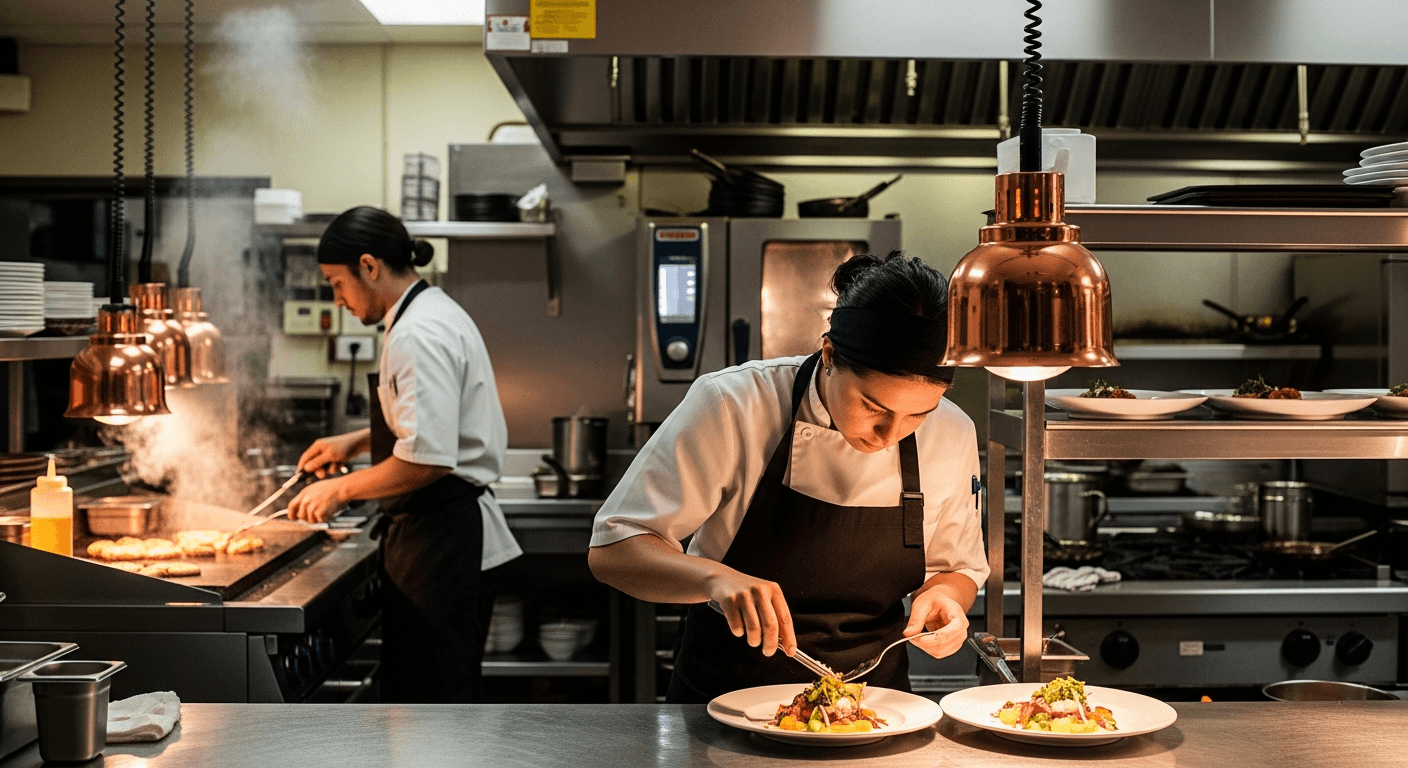
Fire is an ever-present danger in restaurants. Kitchen grease fires, electrical malfunctions, and cooking equipment failures can cause devastating property damage and business interruption. A serious fire can close a restaurant for months and cost hundreds of thousands of dollars to repair, all while you continue to pay rent, salaries, and loan payments with no revenue.
Essential Restaurant Insurance Policies
A business owners policy is typically the foundation of a restaurant's insurance program. A restaurant BOP bundles general liability with commercial property coverage, protecting both your physical location and your liability exposure in a single package. The general liability component covers slip-and-fall injuries, foodborne illness claims, and property damage you cause to others. The property component covers the building, kitchen equipment, furniture, fixtures, inventory, and signage against fire, theft, and other covered perils.
Workers compensation insurance is mandatory in nearly every state for restaurants with employees, and most restaurants have multiple employees. Kitchen workers face burns, cuts, and slips on a daily basis. Servers carry heavy trays across slippery floors. Dishwashers handle scalding water and harsh chemicals. Workers comp covers the medical treatment, lost wages, and rehabilitation for all of these injuries.
Liquor liability insurance is essential for any restaurant that serves alcohol. If an intoxicated patron causes an accident after leaving your establishment, you can be held legally responsible under dram shop laws in most states. Liquor liability coverage protects you against these claims, which can involve serious injuries or fatalities and result in judgments well into six or seven figures. This coverage is typically not included in a standard general liability policy and must be purchased separately.
Additional Coverage for Restaurants
Food contamination and spoilage coverage pays for the loss of perishable inventory due to equipment breakdown, power failure, or contamination. A walk-in cooler failure during a weekend can destroy thousands of dollars in food inventory. This coverage is often available as an endorsement on your business owners policy.
Business interruption insurance, often included in a BOP, replaces lost income and covers ongoing expenses when a covered event forces your restaurant to close temporarily. A kitchen fire, water main break, or storm damage can shut you down for weeks or months. Without business interruption coverage, you would still owe rent, loan payments, and potentially employee salaries with no revenue coming in.
Cyber liability insurance is increasingly important for restaurants that process credit card payments. A data breach involving customer payment information can result in notification costs, credit monitoring expenses, regulatory fines, and lawsuits. Even small restaurants process thousands of card transactions per year, creating meaningful cyber exposure.
Commercial umbrella insurance provides additional liability coverage above your general liability, liquor liability, and workers compensation limits. A serious foodborne illness outbreak or a fatal drunk driving accident caused by a patron can easily exceed standard policy limits. An umbrella policy adds a critical extra layer of financial protection.
Employment practices liability insurance protects against claims of wrongful termination, discrimination, harassment, and other employment-related lawsuits. The restaurant industry has one of the highest rates of employment practices claims due to high turnover, diverse workforces, and the fast-paced work environment.
How Much Coverage Do Restaurants Need
Most restaurants should carry at least $1,000,000 per occurrence and $2,000,000 aggregate in general liability coverage. Larger restaurants, restaurants with bars, or those in high-traffic locations may want higher limits.
Commercial property coverage should be based on the full replacement cost of your building improvements, kitchen equipment, furniture, fixtures, and inventory. Many restaurant owners underestimate the replacement cost of their commercial kitchen equipment, which can easily total $100,000 to $300,000 or more.
Liquor liability limits should be at least $1,000,000 per occurrence. Some states have higher minimum requirements, and landlords or franchise agreements may require higher limits. Workers compensation coverage follows state requirements, but restaurants should also carry adequate employers liability coverage.
Business interruption coverage should be sufficient to cover at least six months of operating expenses, including rent, loan payments, utilities, and key employee salaries. Rebuilding after a major loss takes longer than most restaurant owners expect.
Food contamination coverage should reflect the value of your perishable inventory. A well-stocked restaurant may have $5,000 to $20,000 in food inventory at any given time.
Getting Restaurant Insurance
Work with an insurance agent who specializes in the restaurant and hospitality industry. Restaurant insurance has unique nuances, including the need for proper cooking equipment classifications, adequate food contamination coverage, and correct liquor liability limits. A specialist agent understands these requirements and can structure your program to avoid gaps.
Prepare a detailed description of your restaurant operation for your insurance quote. Carriers will want to know your annual revenue, number of employees, square footage, type of cooking (open flame, fryers, pizza ovens), percentage of revenue from alcohol sales, seating capacity, and operating hours. The more accurate this information, the more precise and competitive your quote will be.
Invest in fire suppression systems and safety equipment. Most carriers require restaurants to have commercial kitchen fire suppression systems, and many offer discounts for monitored fire and burglar alarm systems. Maintaining your equipment and keeping fire suppression systems inspected can also help keep your premiums competitive.
Review your lease agreement carefully. Many commercial leases require tenants to carry specific types and amounts of insurance. Make sure your coverage meets all lease requirements to avoid potential default issues with your landlord.
Restaurant Insurance Cost Summary
A business owners policy for a restaurant typically costs between $2,000 and $6,000 per year, depending on the restaurant's size, location, and revenue. This includes both general liability and commercial property coverage.
Liquor liability insurance adds $1,000 to $5,000 per year, with costs scaling based on your alcohol sales revenue and the type of liquor license you hold. Bars and nightclubs with high alcohol sales pay the most, while restaurants where food makes up the majority of revenue pay less.
Workers compensation premiums for restaurants are calculated based on payroll and job classification. Restaurant workers typically fall into classifications with rates of $2 to $5 per $100 of payroll. A restaurant with $300,000 in annual payroll might pay $6,000 to $15,000 for workers comp.
Cyber liability coverage for a small restaurant starts around $500 to $1,500 per year. An umbrella policy with $1,000,000 in additional coverage typically costs $500 to $1,500 annually. Employment practices liability insurance starts around $800 per year for small restaurants.
The total annual insurance cost for a mid-sized restaurant with 15 to 25 employees typically ranges from $10,000 to $25,000. Full-service restaurants with bars tend to be at the higher end of this range. CPK Insurance helps restaurant owners compare multiple carriers to find the best combination of coverage and price.
Get Your Personalized Quote
Enter your ZIP code to compare insurance rates from top carriers.
Updated March 1, 2026

CPK Insurance Editorial Team
Licensed Insurance Advisors