Updated March 31, 2026

CPK Insurance Editorial Team
Reviewed by Licensed Insurance Agents
General Liability Insurance in Louisville
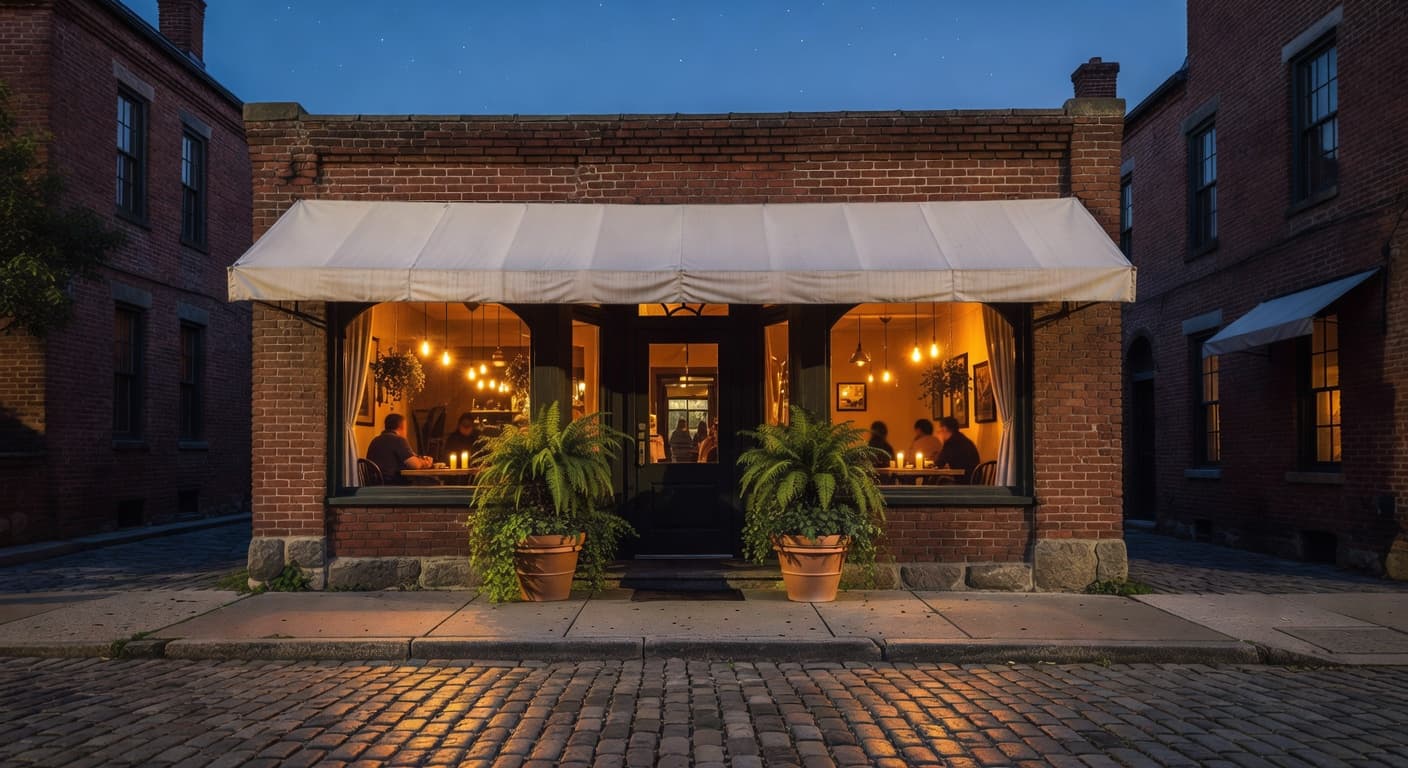
If you are comparing general liability insurance in Louisville, the local decision is shaped less by state rules and more by how your business interacts with customers, vendors, and job sites across the city. Louisville’s mix of busy retail corridors, food service spots, healthcare-related operations, and transportation activity can increase exposure to third-party claims, especially where customers are on-site or work happens at someone else’s property. The city’s 17,725 business establishments also mean more competition for leases, contracts, and vendor agreements that may ask for proof of coverage before work starts. That matters if you operate near higher-traffic commercial areas, serve walk-in customers, or advertise heavily and want protection tied to advertising injury allegations. Local conditions also matter: Louisville’s moderate natural-disaster frequency, plus tornado, hail, severe storm, and wind exposure, can complicate how insurers view premises-related risk. For many owners, the practical question is not just whether a policy exists, but whether the limits, deductible, and documentation line up with the way the business actually operates in Louisville.
General Liability Insurance Risk Factors in Louisville
Louisville’s risk profile adds pressure to the parts of a policy that respond to third-party claims, slip and fall losses, customer injury, and property damage. The city’s top weather concerns include tornado damage, hail damage, severe storm damage, and wind damage, which can create hazardous conditions around storefronts, entrances, signage, and customer access points. A business that serves the public may need to think about bodily injury coverage and property damage coverage together, since weather-related site conditions can lead to both. Louisville’s crime index of 131 and property crime rate of 2,124.9 also make premises security and customer-facing operations more relevant when insurers evaluate risk. While general liability does not cover every loss type, it is often the policy that helps when a visitor alleges harm on your premises or claims your operation damaged their property. Businesses with outdoor access, frequent deliveries, or regular foot traffic should pay close attention to how their general liability insurance coverage in Louisville is written.
Kentucky has a high climate risk rating. Top hazards: Tornado (High), Flooding (Very High), Severe Storm (High), Landslide (Moderate). The state's expected annual loss from natural hazards is $980M, which influences general liability insurance premiums and may affect coverage availability in high-risk areas.
What General Liability Insurance Covers
General liability insurance coverage in Kentucky is built around third-party claims, not claims from your own employees. That means it can respond when a customer slips in your store, a visitor is injured at your premises, or your business accidentally damages someone else’s property while working on-site. It also includes personal and advertising injury coverage in Kentucky, which matters if a dispute arises from advertising statements or similar allegations. The policy typically also includes medical payments, which can help with smaller injury claims, and products and completed operations, which is important for businesses whose work or products can cause harm after a job is finished. Kentucky does not require a state-mandated minimum for general liability insurance, but the Kentucky Department of Insurance is the regulator, and many landlords, clients, and government contracts still expect proof before they will sign with you. For most Kentucky businesses, the practical floor is often a $1 million per occurrence limit because state-specific contract language commonly asks for that amount. General liability does not replace other policies, and its protection is centered on bodily injury coverage in Kentucky, property damage coverage in Kentucky, and legal defense costs tied to covered third-party claims.
Coverage Included

Bodily Injury Liability
Covers injuries to third parties on your premises or from your operations
Property Damage Liability
Covers damage you cause to others' property

Personal & Advertising Injury
Covers libel, slander, and copyright claims

Products & Completed Operations
Covers claims from products sold or work completed

Medical Payments
Covers minor injuries regardless of fault

Defense Costs
Legal defense costs are covered in addition to policy limits
General Liability Insurance Cost in Louisville
In Kentucky, general liability insurance premiums are 6% below the national average. This means competitive rates are available.
Average Cost in Kentucky
$32 – $94 per month
per month
- Industry and risk classification
- Annual revenue
- Number of employees
- Claims history
- Coverage limits and deductibles
- Business location
Based on small business averages with $1M/$2M limits.
National average: $33 – $125 per month
* Estimates based on industry averages. Actual premiums depend on your specific business details, claims history, and coverage selections. Rates shown are for informational purposes only and do not constitute a quote.
General liability insurance cost in Kentucky is shaped by the state’s market conditions and the way your business operates. Product data shows an average range of $32 to $94 per month in Kentucky, which is slightly below the national average, with a premium index of 94. That lower index reflects a competitive market with 340 active insurance companies, including State Farm, Kentucky Farm Bureau, GEICO, Progressive, and Allstate. Still, your quote can move up or down based on industry risk, annual revenue, number of employees, claims history, coverage limits, deductibles, and business location. Kentucky’s elevated tornado risk can also affect pricing because weather exposure can influence how insurers view your operations and premises. A small office in a lower-risk setting will usually price differently than a retail location with more customer traffic or a contractor with frequent third-party exposure. The broader Kentucky economy also matters: healthcare and social assistance, manufacturing, retail trade, accommodation and food services, and transportation and warehousing all create different liability profiles. If you want a general liability insurance quote in Kentucky, expect insurers to ask about where you operate, how many people work for you, your revenue, and whether you need a standalone policy or commercial general liability insurance in Kentucky bundled with other coverage.
Industries & Insurance Needs in Louisville
Louisville’s industry mix creates steady demand for business liability insurance in Louisville because several major sectors carry routine third-party exposure. Healthcare & Social Assistance makes up 15.8% of local employment, which can translate into frequent visitor traffic, deliveries, and premises-related claims. Manufacturing at 14.1% can raise the importance of property damage coverage in Louisville when operations involve equipment, contractors, or on-site visitors. Retail Trade at 9.2% often needs public liability insurance in Louisville because customer-facing locations face slip and fall and customer injury risks. Accommodation & Food Services at 5.8% frequently depends on third-party liability coverage in Louisville since guests, vendors, and delivery activity can lead to claims. Transportation & Warehousing at 5.4% adds another layer because facilities, loading areas, and customer interactions can create exposure tied to bodily injury or property damage. Across these sectors, commercial general liability insurance in Louisville is often less about a single rule and more about meeting contract expectations while protecting day-to-day operations.
General Liability Insurance Costs in Louisville
Louisville’s cost of living index of 101 suggests a market that is close to the national baseline, so premium pressure often comes less from household costs and more from how a business operates day to day. The median household income of $67,052 points to a broad local customer base, which can support a wide range of business types, from smaller neighborhood shops to higher-volume commercial operations. That mix can affect general liability insurance cost in Louisville because insurers look at customer traffic, revenue, and the likelihood of third-party claims. A business with a storefront, public-facing service area, or frequent client visits may see different pricing than a quieter office or back-end operation. Local market conditions also matter: more establishments can mean more competition for space, contracts, and certificates of insurance, which can influence how urgently owners need a general liability insurance quote in Louisville. In practice, the price is shaped by limits, deductibles, claims history, and the way your business fits the city’s commercial environment.
What Makes Louisville Different
The biggest Louisville-specific factor is the combination of dense commercial activity and weather exposure. With 17,725 business establishments, many owners are operating in spaces where customers, vendors, and contractors are constantly entering and leaving, which increases the need for clear coverage around bodily injury, property damage, and legal defense. At the same time, Louisville’s moderate disaster frequency and storm-related risks can make premises conditions more volatile than owners expect, especially for businesses with storefront access, loading areas, or outdoor customer flow. That means the insurance calculus is not just about carrying a policy, but about choosing a limit and deductible that match real exposure in a city with active commerce and weather-driven disruptions. For many businesses, the most important question is whether their policy language is strong enough to satisfy contracts while still responding to the everyday third-party claims that can happen in a busy Louisville location.
Our Recommendation for Louisville
When buying general liability insurance in Louisville, start by mapping your customer traffic, delivery activity, and contract requirements to the policy terms. If clients or landlords ask for proof, make sure the certificate and limits match the exact wording in the agreement. Businesses with walk-in traffic should pay close attention to bodily injury coverage and property damage coverage, while companies that advertise should confirm how personal and advertising injury coverage is handled. Because Louisville has weather-related exposure, ask how the policy responds to premises conditions after wind, hail, or severe storms if those conditions could affect customer access. Compare quotes based on limits, deductible, and exclusions rather than monthly price alone, and keep your revenue and location details accurate so the quote reflects how your business actually operates. If your operation spans multiple sites or serves customers in high-traffic areas, ask for a quote that clearly explains legal defense and settlement handling for covered third-party claims.
Get General Liability Insurance in Louisville
Enter your ZIP code to compare general liability insurance rates from carriers in Louisville, KY.
Business insurance starting at $25/mo
FAQ
Frequently Asked Questions
Retail shops, restaurants, healthcare-related offices, manufacturers, and transportation or warehousing businesses in Louisville often need it because they have customers, visitors, vendors, or delivery activity that can lead to third-party claims.
Tornado, hail, severe storm, and wind exposure can make premises conditions more important, especially if customers or vendors may be injured while entering, exiting, or moving around your location.
Property insurance protects the business’s own property, while general liability insurance is designed for claims from other people, such as customer injury, slip and fall, or damage to a client’s property.
Confirm the limits, deductible, and whether the policy addresses bodily injury, property damage, and personal and advertising injury in the way your landlord or client requires.
In Kentucky, it typically covers third-party bodily injury, property damage, personal and advertising injury, and medical payments. That means a customer slip and fall, damage to a client’s property, or an advertising-related claim can fall within the policy if the loss is covered.
Kentucky does not impose a state-mandated minimum for general liability insurance for most businesses, but many landlords, clients, and contracts still require proof before you can lease space or start work.
Product data shows an average range of about $32 to $94 per month in Kentucky, but the final price varies by industry, revenue, number of employees, claims history, limits, deductibles, and location.
A contractor may need it because clients often require third-party liability coverage in Kentucky before work begins, and the policy can help with property damage claims, customer injury claims, and completed operations exposure.
Many Kentucky businesses start with $1 million per occurrence because that amount is commonly requested in contracts, but the right limit depends on your client requirements, business type, and budget.
Have your business address, revenue, employee count, industry, and claims history ready, then compare quotes from carriers active in Kentucky such as State Farm, Kentucky Farm Bureau, GEICO, Progressive, and Allstate.
General liability insurance covers third-party bodily injury, property damage, personal and advertising injury, and medical payments. If a customer slips in your store, if your work damages a client's property, or if you're accused of libel or copyright infringement in your advertising, general liability responds.
Most small businesses pay between $400 and $1,500 per year for general liability insurance. Costs depend on your industry, revenue, number of employees, location, coverage limits, and claims history. Low-risk office businesses pay less; contractors and manufacturers pay more.
While not mandated by state law for most businesses, general liability is effectively required in practice. Commercial landlords, clients, government contracts, and professional associations typically require proof of general liability coverage before you can lease space, sign contracts, or maintain membership.
General liability covers physical incidents — someone slips at your location or your work damages property. Professional liability (errors and omissions) covers mistakes in your professional services or advice that cause a client financial harm. Most businesses that provide services need both policies.
The first number ($1 million) is your per-occurrence limit — the maximum the insurer pays for a single claim. The second number ($2 million) is your aggregate limit — the maximum total payout during the policy period, typically one year. Most small businesses carry $1M/$2M limits.
No. General liability covers injuries to third parties — customers, vendors, and the general public. Employee work-related injuries are covered by workers compensation insurance. These are separate policies that work together to protect your business.
Yes. General liability can be purchased as a standalone policy. However, if you also need commercial property insurance, a Business Owners Policy (BOP) bundles both together at a discount of 15-25% compared to buying them separately. Your agent can recommend the best approach.
Many general liability policies can be bound the same day you apply. For straightforward businesses with no unusual risks, you can often have a policy in place and certificate of insurance in hand within 24-48 hours through an independent agent like CPK Insurance.
Updated March 31, 2026
CPK Insurance Editorial Team
Reviewed by Licensed Insurance Agents