Updated March 31, 2026

CPK Insurance Editorial Team
Reviewed by Licensed Insurance Agents
Commercial Crime Insurance in New Orleans
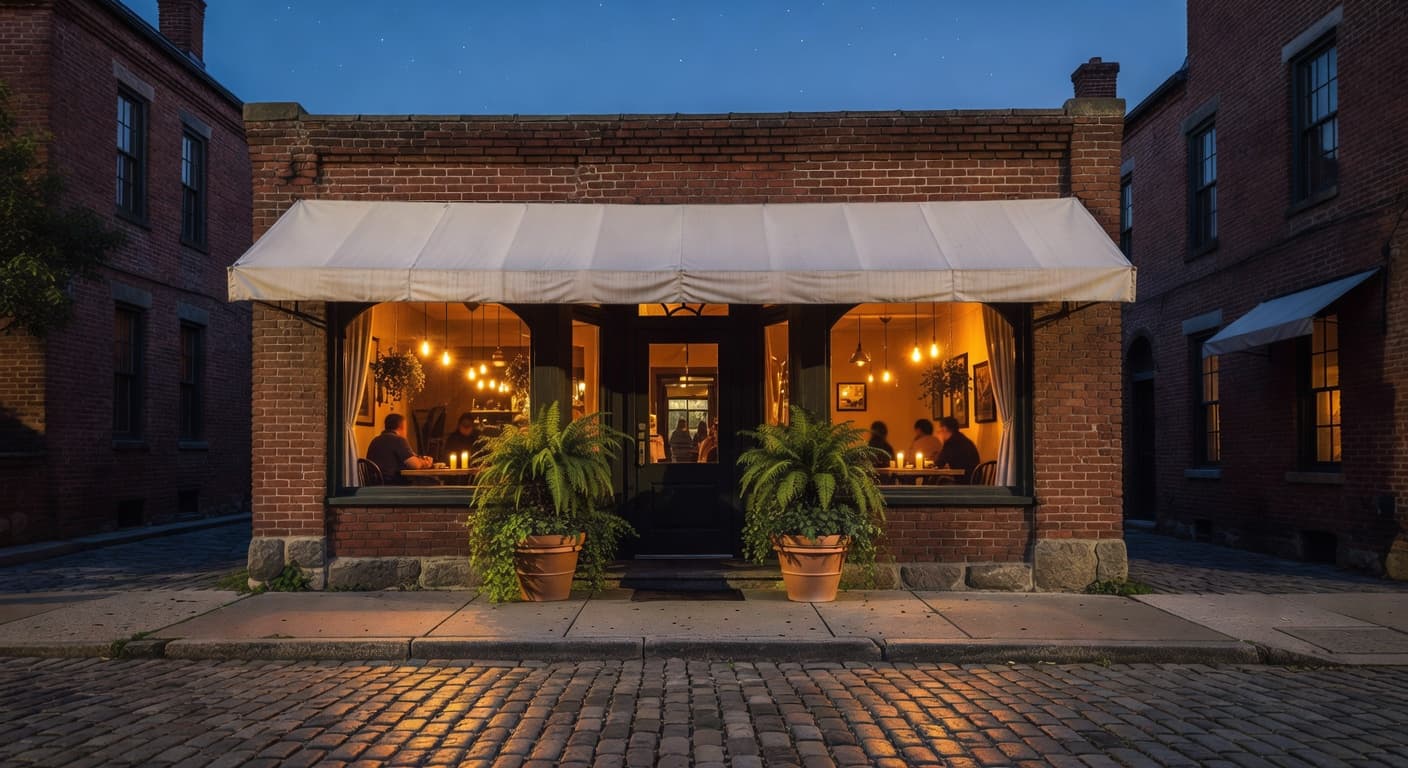
If you’re comparing commercial crime insurance in New Orleans, the key question is not whether crime exposure exists, but where your business is most vulnerable to employee theft, forgery, fraud, embezzlement, social engineering, funds transfer, or computer fraud. New Orleans is a high-transaction city with a crime index of 90, an overall crime index of 174, and a property crime rate of 2,842, so businesses that move money quickly or rely on multiple approvals should pay close attention to internal controls. That matters for restaurants near the French Quarter, retail shops on Magazine Street, hospitality operators around the Convention Center, and offices serving the Central Business District, where payment activity can be frequent and staff access can be broad. With 12,288 business establishments in the city and a cost of living index of 128, even a single covered loss can strain working capital. The right policy is less about buying broad limits and more about matching coverage to how your New Orleans operation handles cash, checks, wires, and accounting access.
Commercial Crime Insurance Risk Factors in New Orleans
New Orleans has several city-level conditions that can raise the importance of this coverage. The crime index of 90 and overall crime index of 174 point to a setting where financial controls matter, especially for businesses handling cash, deposits, vendor payments, or payroll files. The property crime rate of 2,842 and year-over-year crime increase of 2.7 suggest that theft-related exposure deserves attention, even though this policy only responds to covered financial crime. Flood-zone exposure at 23% can also complicate operations by disrupting routines, which may make employee theft, forgery, or funds transfer fraud harder to detect quickly after a disruption. For businesses in the French Quarter, CBD, warehouse districts, and hospitality corridors, the mix of high foot traffic and fast turnover can create more chances for internal access to money movement systems. Those conditions make employee theft coverage, forgery and alteration coverage, computer fraud coverage, and funds transfer fraud coverage especially relevant when reviewing a policy form.
Louisiana has a very high climate risk rating. Top hazards: Hurricane (Very High), Flooding (Very High), Severe Storm (High), Tornado (Moderate). The state's expected annual loss from natural hazards is $4.8B, which influences commercial crime insurance premiums and may affect coverage availability in high-risk areas.
What Commercial Crime Insurance Covers
In Louisiana, commercial crime insurance is designed to respond to financial loss from employee theft, embezzlement, forgery, computer fraud, funds transfer fraud, and money and securities loss, rather than losses from property damage. The policy can also be written with options that address employee dishonesty insurance in Louisiana and, on some forms, social engineering exposure, but those features vary by carrier and endorsement. Because the Louisiana Department of Insurance regulates the market, coverage terms are still driven by the insurer’s form language, so the exact scope of commercial crime insurance coverage in Louisiana depends on whether you choose a standalone policy or a crime endorsement attached to another business policy. That matters for businesses in Baton Rouge office districts, New Orleans hospitality operations, Lafayette retailers, and Shreveport service firms that may need different limits for cash, checks, wire activity, and bookkeeping access. General liability is not a substitute for this protection, and coverage requirements may vary by industry and business size rather than by a statewide mandate. Some policies may include forgery and alteration coverage in Louisiana, computer fraud coverage in Louisiana, and funds transfer fraud coverage in Louisiana, but exclusions and sublimits vary, so the policy should be reviewed line by line before binding.
Coverage Included

Employee Theft
Protection for employee theft-related losses and claims

Forgery & Alteration
Protection for forgery & alteration-related losses and claims

Computer Fraud
Protection for computer fraud-related losses and claims

Funds Transfer Fraud
Protection for funds transfer fraud-related losses and claims

Money & Securities
Protection for money & securities-related losses and claims
Commercial Crime Insurance Cost in New Orleans
In Louisiana, commercial crime insurance premiums are 42% above the national average. Comparing quotes from multiple carriers is especially important here.
Average Cost in Louisiana
$42 – $142 per month
per month
- Coverage limits and deductibles
- Claims history
- Location
- Industry or risk profile
- Policy endorsements
Contact CPK Insurance for a personalized quote.
National average: $42 – $208 per month
* Estimates based on industry averages. Actual premiums depend on your specific business details, claims history, and coverage selections. Rates shown are for informational purposes only and do not constitute a quote.
The current Louisiana average premium range for this product is $42 to $142 per month, while the broader product data shows a typical range of $42 to $208 per month depending on limits and endorsements. Louisiana pricing sits in a market with a premium index of 142, meaning insurance costs run above the national average, and that broader price pressure can influence commercial crime insurance cost in Louisiana even though the policy itself is tied mainly to financial crime exposure. The biggest drivers are coverage limits, deductible choices, claims history, location, industry or risk profile, and policy endorsements. A cash-intensive restaurant in New Orleans, a healthcare office in Baton Rouge, or a contractor with multiple payment approvals in Lafayette may see different pricing than a low-transaction professional office in Shreveport because the insurer is pricing the probability and size of employee theft coverage in Louisiana, money and securities coverage in Louisiana, and funds transfer fraud coverage in Louisiana. Louisiana’s 360 active insurers create room to compare offers, which is important because the state-specific requirements say businesses should compare quotes from multiple carriers. The state’s elevated hurricane risk can also affect underwriting attention to operational resilience and location, even though the policy is responding to crime-related loss rather than weather. For the most accurate commercial crime insurance quote in Louisiana, carriers usually want your employee count, annual revenue, internal controls, and any prior crime claims.
Industries & Insurance Needs in New Orleans
New Orleans has an industry mix that naturally increases interest in business crime insurance in New Orleans. Healthcare & Social Assistance leads at 13.8%, followed by Retail Trade at 12.2%, Accommodation & Food Services at 8.4%, Construction at 7.6%, and Mining & Oil/Gas Extraction at 3.2%. That combination matters because healthcare offices often handle billing adjustments and refund processing, retail businesses manage cash drawers and deposits, and food service operators may have frequent payment activity and staff turnover. Construction firms can face exposure when subcontractor payments, draw requests, or banking changes are handled by multiple people. In a city with 12,288 establishments, many businesses are small enough that one employee may have access to more than one financial process, which raises the relevance of employee dishonesty insurance in New Orleans. For owners in neighborhoods like the French Quarter, Uptown, Mid-City, and the CBD, the question is often not whether they need coverage, but which parts of the form best fit their payment workflow.
Commercial Crime Insurance Costs in New Orleans
New Orleans’ median household income of $49,174 and cost of living index of 128 suggest a market where many businesses operate with tighter margin pressure than in lower-cost cities. That can make commercial crime insurance cost in New Orleans feel more sensitive to deductible choice and limit selection, especially for smaller operators that need to protect cash flow without overbuying coverage. Premiums are also shaped by the city’s transaction-heavy economy and the way insurers view local exposure to employee theft, forgery, and funds transfer fraud. A business with frequent deposits, payment approvals, or access to customer payment data may see a different quote than a low-transaction office, even within the same neighborhood. In practice, commercial crime insurance quote in New Orleans requests often reflect the number of employees with access to money, the volume of wire activity, and the strength of internal controls. Because local operating costs are already elevated, many owners focus on aligning limits with actual exposure rather than paying for broad coverage they may not need.
What Makes New Orleans Different
The biggest New Orleans difference is the combination of high transaction volume and elevated local crime pressure in a city where many businesses operate with limited internal controls. A hotel, restaurant, retailer, or medical office can have fast-moving cash, frequent vendor payments, and multiple staff members touching the same financial process. That creates a stronger case for focused coverage around employee theft, forgery, computer fraud, and funds transfer fraud than a business in a lower-activity market might need. New Orleans also has a 23% flood-zone footprint, which does not create a covered crime loss by itself, but it can disrupt routines and make bookkeeping gaps or unauthorized transfers harder to spot. In other words, the city changes the insurance calculus because the same policy features may protect a business here from a more realistic and harder-to-detect loss pattern than in quieter markets.
Our Recommendation for New Orleans
For New Orleans buyers, start by mapping who can move money, change vendor banking details, approve refunds, or access accounting systems. That is especially important for hospitality, retail, healthcare, and construction businesses where payment activity is frequent. Ask for separate pricing on employee theft coverage, forgery and alteration coverage, computer fraud coverage, and funds transfer fraud coverage so you can see which protections matter most for your workflow. If your business operates in the French Quarter, CBD, or another high-traffic area, make sure the quote reflects how often cash, checks, and digital payments change hands. Also review whether your policy includes social engineering-related options, because that exposure can vary by carrier and endorsement. Given the city’s cost of living index of 128, choose limits based on the largest realistic financial loss your business could absorb, not just the monthly premium. A commercial crime insurance quote in New Orleans is most useful when it is built from your actual access controls, employee count, and payment volume.
Get Commercial Crime Insurance in New Orleans
Enter your ZIP code to compare commercial crime insurance rates from carriers in New Orleans, LA.
Business insurance starting at $25/mo
FAQ
Frequently Asked Questions
Retail stores, restaurants, healthcare offices, and construction firms often have the clearest need because they handle cash, deposits, vendor payments, or accounting access on a regular basis.
The city’s crime index of 90 and overall crime index of 174 make internal financial controls especially important, since this policy is designed for covered losses from employee theft, forgery, fraud, and similar crime events.
Yes. With a cost of living index of 128, many owners focus on balancing premium, deductible, and limits so the policy fits their cash flow and exposure.
Ask for pricing on employee theft coverage, forgery and alteration coverage, computer fraud coverage, and funds transfer fraud coverage, and be ready to share employee count, payment controls, and claims history.
Restaurants and hotels often have more cash handling, more staff access, and more frequent payment activity, which can increase exposure to employee dishonesty and funds transfer fraud.
For Louisiana businesses, it can address employee theft, embezzlement, forgery, computer fraud, funds transfer fraud, and money and securities loss, with exact terms depending on the carrier form and endorsements.
It is built to reimburse covered financial loss caused by dishonest acts, which is especially relevant for Louisiana’s many small businesses that may have fewer internal controls than larger firms.
General liability does not cover criminal acts like employee theft or embezzlement, so Louisiana businesses that handle money, checks, or payment authority usually need a separate crime policy or endorsement.
The Louisiana average premium range in the provided data is $42 to $142 per month, while the broader product range can run up to $208 per month depending on limits, deductibles, and endorsements.
Carriers look at coverage limits, deductible choices, claims history, location, industry or risk profile, and policy endorsements, and Louisiana’s above-average premium environment can also influence pricing.
There is no statewide mandate in the provided data, but the Louisiana Department of Insurance regulates the market and requirements may vary by industry and business size.
Gather your employee count, revenue, payment controls, prior claims, and desired limits, then compare quotes from multiple carriers that write in Louisiana.
Choose limits based on your largest realistic financial loss from employee theft, forgery, or funds transfer fraud, and use deductibles to balance premium against how much loss your business can absorb.
Commercial crime insurance covers losses from employee theft and dishonesty, forgery and alteration, computer fraud, funds transfer fraud, money and securities theft, and counterfeit currency. Some policies also cover social engineering fraud and client property held in your care.
Yes. Small businesses are actually more vulnerable to employee theft and fraud because they often have fewer internal controls. The Association of Certified Fraud Examiners reports that small businesses suffer the highest median losses from occupational fraud. Crime insurance provides critical protection regardless of your company size.
No. General liability insurance does not cover losses caused by criminal acts such as employee theft, fraud, or embezzlement. You need a dedicated commercial crime policy or a crime coverage endorsement to protect against these financial losses.
Most commercial crime insurance policies can be quoted and bound within 24-48 hours for standard risks. An independent agent like CPK Insurance can compare options from multiple carriers and have your policy in place quickly. Certificates of insurance are typically available the same day the policy is bound.
Yes. Bundling commercial crime insurance with your other business insurance policies — such as general liability, commercial property, and workers compensation — typically saves 10-20% through multi-policy discounts. An independent agent can help you find the best bundle pricing across multiple carriers.
Key factors include your industry classification, annual revenue, number of employees, claims history, coverage limits, deductible choices, and geographic location. Coverage limits and deductibles, Claims history, Location, Industry or risk profile, Policy endorsements are all considered in pricing.
Employee dishonesty coverage within a commercial crime policy typically covers theft by any employee, but some policies require employees to be scheduled or listed. Make sure your policy uses a blanket employee dishonesty form rather than a scheduled form, so newly hired employees are automatically covered without updating the policy.
Contact your insurance carrier's claims department immediately — most have 24/7 claims hotlines. Document the incident thoroughly with photos, written descriptions, and witness information. Notify your insurance agent as well. Prompt reporting is important, as delays can complicate or jeopardize your claim.
Updated March 31, 2026
CPK Insurance Editorial Team
Reviewed by Licensed Insurance Agents