


































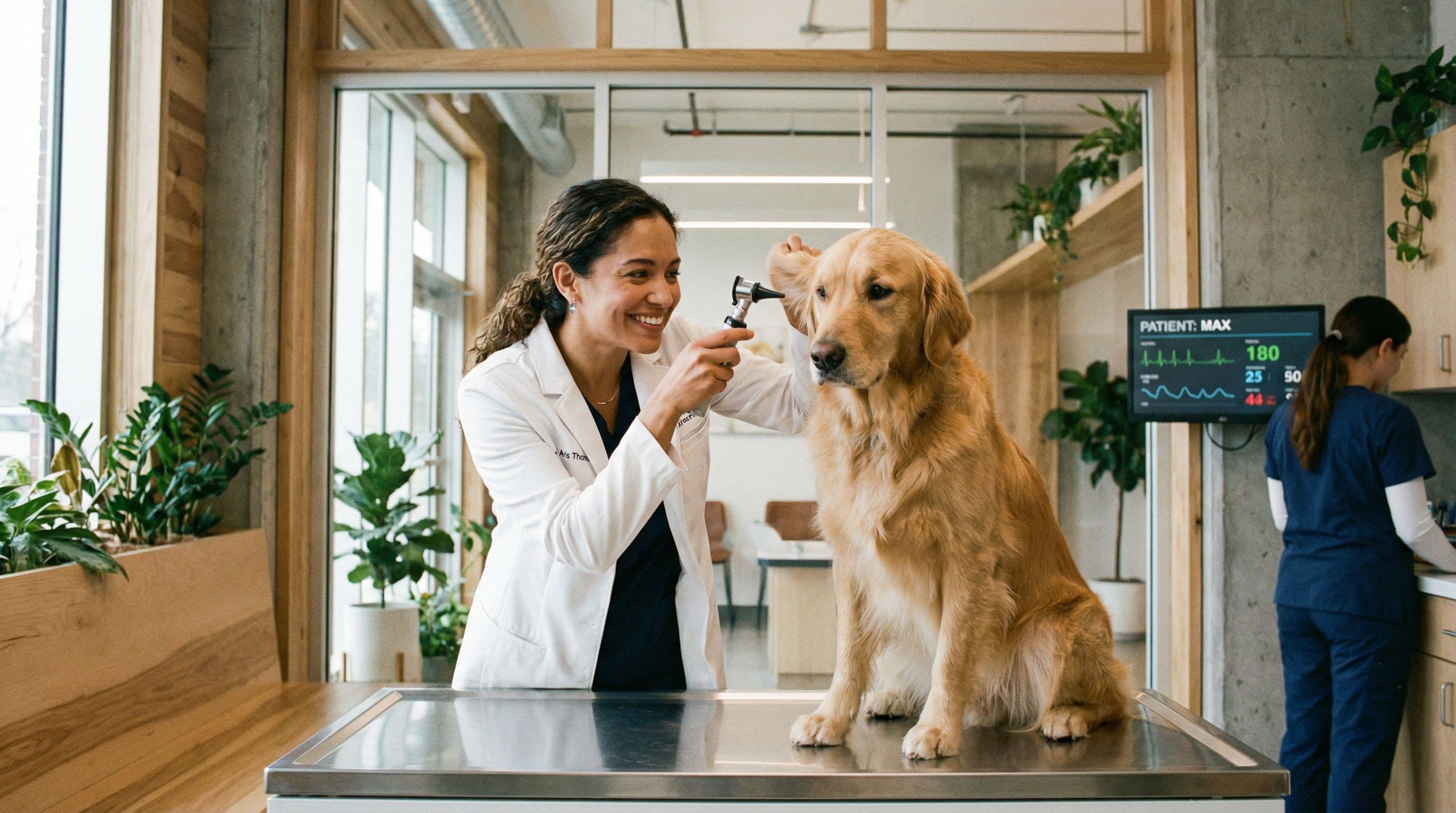
Recommended Coverage for Veterinary Services in Maine
Veterinary Services businesses face unique risks that require specific coverage types. Here are the policies most veterinary services operations need:

Professional Liability Insurance
Protect your business from claims of negligence, errors, and omissions in your professional services.

General Liability Insurance
Essential coverage for every business — protect against third-party bodily injury, property damage, and advertising claims.

Commercial Property Insurance
Safeguard your business property, equipment, and inventory against damage and loss.

Workers Compensation Insurance
Cover your employees' medical expenses and lost wages for work-related injuries and illnesses.

Business Owners Policy Insurance
Bundle property and liability coverage into one convenient, cost-effective policy for small businesses.
Veterinary Services Insurance Overview in Maine
From Portland’s busy waterfront corridors to Lewiston, Bangor, and Augusta, Maine veterinary practices operate in a market shaped by winter storms, Nor’easters, and a statewide small-business landscape where 99.1% of establishments are small businesses. If you run a clinic, animal hospital, or mobile service, Veterinary Services insurance in Maine helps you prepare for the mix of professional errors, client claims, property damage, and staff safety concerns that can come with daily care. Practices that offer surgery, anesthesia, radiology, dentistry, or pharmacy services often need a closer look at liability coverage, equipment values, and business interruption exposure.
Maine also has a workers’ compensation rule that applies once you have at least one employee, with exemptions for sole proprietors and partners. That makes quote-ready planning especially important for growing practices in downtown clinics, suburban practices, and multi-location operations. Whether you are comparing a veterinary clinic insurance quote in Maine or reviewing animal hospital insurance coverage in Maine, the right approach starts with the services you perform, the equipment you rely on, and the locations where clients, staff, and animals move through your space.
Why Veterinary Services Businesses Need Insurance in Maine
Veterinary practices in Maine face a mix of professional and premises risks that can create costly out-of-pocket expenses if coverage is too thin. A claim tied to a treatment decision, medication error, delayed care, or a surgical complication can trigger legal defense costs and settlements, even when the allegation is disputed. That is why veterinary malpractice insurance and veterinary liability coverage are central considerations for clinics, animal hospitals, and mobile veterinary practices.
General liability also matters because client injury exposures can happen in waiting areas, exam rooms, parking lots, curbside pickup zones, or outdoor pet-handling spaces. In a state with high Nor’easter and winter storm risk, property coverage deserves attention too. Snow, ice, wind, flooding, and coastal erosion can affect buildings, signage, and the equipment that keeps a practice running. Commercial property protection is especially important for digital X-ray systems, ultrasound machines, lab analyzers, surgical tools, and refrigerated inventory such as vaccines or controlled substances.
Maine’s workers’ compensation requirement begins with one employee, so practices that hire staff need to account for workplace injury, rehabilitation, and lost wages exposure. The Maine Bureau of Insurance is the state regulatory body, and many owners use that framework to compare veterinary business insurance requirements before requesting a quote. For a growing practice in Portland, Lewiston, Bangor, or Augusta, the right bundle can help align liability coverage, property coverage, and workers compensation with the realities of veterinary work in Maine.
Maine employs 2,044 veterinary services workers at an average wage of $38,400/year, with employment growing at 3.5% annually. Payroll-based coverages like workers' comp are directly tied to wage levels — higher payroll means higher premiums.
Maine requires workers' comp for businesses with employees (exemptions may apply: Sole proprietors; Partners). Non-compliance can result in fines and personal liability for owners. Commercial auto minimums are $50,000/$100,000/$25,000.
Key Risks for Veterinary Services Businesses
Each of these risks can lead to claims that cost thousands — or more. Make sure your policy addresses every one:
- Veterinary malpractice claims
- Animal bite injuries to staff
- Client slip-and-fall accidents
- Expensive equipment damage
- Pharmaceutical liability
What Drives Veterinary Services Insurance Costs in Maine
Veterinary practice insurance cost in Maine varies based on the size of the practice, the services offered, claims history, and the value of equipment and inventory. A small companion-animal clinic may have different pricing than a multi-doctor animal hospital or a mobile veterinary service because each has different exposure to professional errors, client claims, property losses, and equipment in transit.
Maine’s premium index is 96, which suggests pricing can be somewhat below the national baseline, but actual quotes still vary by location and operations. Practices in Portland, Lewiston, Bangor, and Augusta may see different pricing depending on building type, foot traffic, service mix, and whether they operate from a fixed site or travel to clients. The state’s economy is also dominated by small businesses, and 42600 total business establishments mean insurers are accustomed to evaluating varied risk profiles across many local operations.
Services like surgery, anesthesia, dentistry, radiology, and pharmacy operations can influence cost because they may raise the potential for malpractice claims or equipment loss. If you are comparing a veterinary clinic insurance quote in Maine, be ready to share staff counts, annual revenue, equipment values, and whether you need bundled coverage such as liability coverage, property coverage, and workers compensation.
Insurance Regulations in Maine
Key regulatory requirements for businesses operating in ME.
Regulatory Authority
Maine Bureau of InsuranceWorkers' Compensation Insurance
Required for employers with 1+ employee.
Exempt categories:
- Sole proprietors
- Partners
Commercial Auto Minimum Liability
$50,000/$100,000/$25,000 (bodily injury per person / per accident / property damage)
Source: Maine Department of Insurance, U.S. Department of Labor
Veterinary Services Employment in Maine
Workforce data and economic impact of the veterinary services sector in ME.
2,044
Total Employed in ME
+3.5%
Annual Growth Rate
$38,400
Average Annual Wage
Top Cities for Veterinary Services in ME
Source: BLS QCEW, Census ACS, 2024
What Drives Veterinary Services Insurance Costs in Maine
Maine premiums are 4% below the national average. Veterinary Services businesses here can often find competitive rates.
Maine's top natural hazards — nor'easter, winter storm, flooding — directly affect property and liability premiums for veterinary services businesses. Check your policy exclusions and ask about endorsements for these perils.
CPK Insurance compares veterinary services quotes from top-rated carriers in Maine. Enter your ZIP code to see rates in minutes.
Where Veterinary Services Insurance Demand Is Highest in Maine
2,044 veterinary services workers in Maine means significant insurance demand — and it's growing at 3.5% annually. These cities have the highest concentration of veterinary services businesses:
Climate Risk Profile
Natural Disaster Risk in Maine
Understanding climate-related risks helps determine appropriate insurance coverage levels.
Nor'easter
High
Winter Storm
High
Flooding
Moderate
Coastal Erosion
Moderate
Expected Annual Loss from Natural Hazards
$180M
estimated economic loss per year across Maine
Source: FEMA National Risk Index
Insurance Tips for Veterinary Services Business Owners in Maine
Match veterinary malpractice insurance limits to the services you perform in Maine, especially if your clinic offers surgery, anesthesia, radiology, dentistry, or emergency care.
Review veterinary general liability insurance for client slip-and-fall exposure in waiting rooms, entryways, parking lots, curbside pickup areas, and outdoor pet-handling spaces.
Check veterinary commercial property insurance values for digital X-ray systems, ultrasound machines, lab analyzers, surgical tools, and refrigeration equipment used for vaccines or controlled substances.
If you operate a mobile veterinary practice in Maine, ask how your policy handles equipment in transit, temporary work locations, and losses tied to winter storm or Nor’easter conditions.
Confirm that veterinary workers compensation insurance is in place once you have at least one employee, since Maine requires it for most employers and the rule is different for sole proprietors and partners.
Ask whether your bundled coverage can combine liability coverage, property coverage, and workers compensation for a veterinary clinic, animal hospital, or multi-location practice.
For downtown clinics and suburban practices alike, make sure your policy considers client traffic, parking areas, curbside service, and any outdoor handoff process that could create third-party claims.
If you store pharmaceuticals on-site, review how the policy addresses pharmaceutical liability, spoilage, improper refrigeration, and dispensing-related losses.
Get Veterinary Services Insurance in Maine
Enter your ZIP code to compare veterinary services insurance rates from top carriers.
Business insurance starting at $25/mo
Veterinary Services Business Types in Maine
Find insurance tailored to your specific veterinary services business. Select your business type for coverage recommendations, pricing, and quotes:

Pet Grooming Insurance
Get a pet grooming insurance quote built for salons and mobile groomers. It can help address animal injury liability, bite incidents, and other grooming-related claims.

Veterinary Clinic Insurance
Get a veterinary clinic insurance quote built around the risks your practice faces, from professional liability to commercial property and animal bailee coverage. Options can be tailored for small clinics and larger animal hospitals.

Dog Boarding Insurance
Get dog boarding insurance coverage built for kennels, day care add-ons, and overnight care. Protect your facility from liability claims, property damage, and business interruptions that can happen during daily operations.

Dog Walker Insurance
Get dog walker insurance coverage built for walks, visits, and pet care appointments. Request a quote to review options for animal incidents, client property damage, and professional liability.

Dog Trainer Insurance
Get dog trainer insurance built for bite incidents, property damage claims, and professional liability. It can fit private lessons, group obedience classes, and trainer coverage without a facility.

Doggy Daycare Insurance
Get a doggy daycare insurance quote built for the day-to-day risks of a busy pet play facility. Compare options for liability, property, and employee-related coverage.
Veterinary Services Insurance by City in Maine
Insurance rates and requirements can vary by city. Find veterinary services insurance information for your area in Maine:
FAQ
Veterinary Services Insurance FAQ in Maine
Most quote requests start with veterinary malpractice insurance, veterinary general liability insurance, veterinary commercial property insurance, and veterinary workers compensation insurance if the business has at least one employee. Some practices also ask about bundled coverage.
Veterinary practice insurance cost varies based on the size of the clinic, services offered, equipment values, claims history, and whether the practice is a fixed-location clinic, animal hospital, or mobile service.
Maine requires workers compensation for employers with at least one employee, with exemptions for sole proprietors and partners. Other coverage needs vary by practice type and operations.
Yes, veterinary malpractice insurance is designed around professional errors and related claims such as misdiagnosis, surgical complications, medication errors, or delayed treatment. Specific terms and limits vary by policy.
Many owners look for bundled coverage that combines liability coverage, property coverage, and workers compensation. Availability and structure vary by insurer and practice profile.
Mobile veterinary practices should pay close attention to equipment in transit, temporary work locations, liability coverage, and property exposure tied to winter storms, Nor’easters, and other local weather risks.
Be ready to share your city, services offered, staff count, annual revenue, equipment values, and whether you need coverage for a clinic, animal hospital, or mobile practice. That helps generate a more tailored quote.
Common concerns include professional errors, client claims, slip-and-fall accidents, building damage, fire risk, theft, storm damage, equipment breakdown, workplace injury, and pharmaceutical liability.
Yes. General Liability Insurance typically addresses third-party bodily injury and property damage, while Professional Liability Insurance is designed for claims tied to veterinary care, such as misdiagnosis, treatment errors, or surgical complications. Many practices need both because Veterinary malpractice claims are not usually covered by General Liability Insurance.
Workers Compensation Insurance is usually the key coverage for employee injuries, including bites, scratches, and related medical treatment. If a client or visitor is injured by an animal on your premises, General Liability Insurance may help with that claim instead. Your policy structure should reflect how often your team restrains or treats anxious animals.
Commercial Property Insurance can help protect expensive equipment like X-ray systems, ultrasound units, and lab devices from covered causes of loss such as fire, theft, or certain weather events. It is important to confirm replacement cost values and any equipment-specific limits or deductibles. Mobile practices should also ask about coverage for tools and equipment used off-site.
It can, especially for smaller clinics that want to bundle General Liability Insurance and Commercial Property Insurance in one policy. Many owners still add Professional Liability Insurance and Workers Compensation Insurance separately because those exposures are central to veterinary medicine. The right structure depends on your services, payroll, and equipment values.
Pharmaceutical liability can involve medication storage, labeling, dispensing, or documentation errors, and it may require a combination of Professional Liability Insurance and careful policy review. Some claims may also connect to Commercial Property Insurance if drugs are damaged by a refrigeration failure or power outage. Ask whether your policy addresses compounding, controlled substances, and inventory handling.
Yes, mobile practices often need added attention for equipment, medications, and records in transit, plus liability for services performed in client homes or other off-site locations. Professional Liability Insurance and General Liability Insurance still matter, but the property and auto-related exposures can be different. Make sure the policy matches how and where you deliver care.
Premiums may be higher if your practice performs surgery, anesthesia, emergency care, or other higher-risk services, or if you have expensive equipment and a large staff. Prior claims, multiple locations, and a history of workplace injuries can also affect pricing. Strong safety procedures and accurate records may help support more favorable underwriting.
The right limit depends on your patient volume, procedures, staff size, and the value of claims you could face from Veterinary malpractice or third-party injuries. Larger hospitals and specialty practices often need higher limits than solo or low-volume clinics. An insurance professional can help evaluate whether your Professional Liability Insurance and General Liability Insurance limits fit your risk profile.