Updated March 31, 2026

CPK Insurance Editorial Team
Reviewed by Licensed Insurance Agents
Inland Marine Insurance in Lewiston
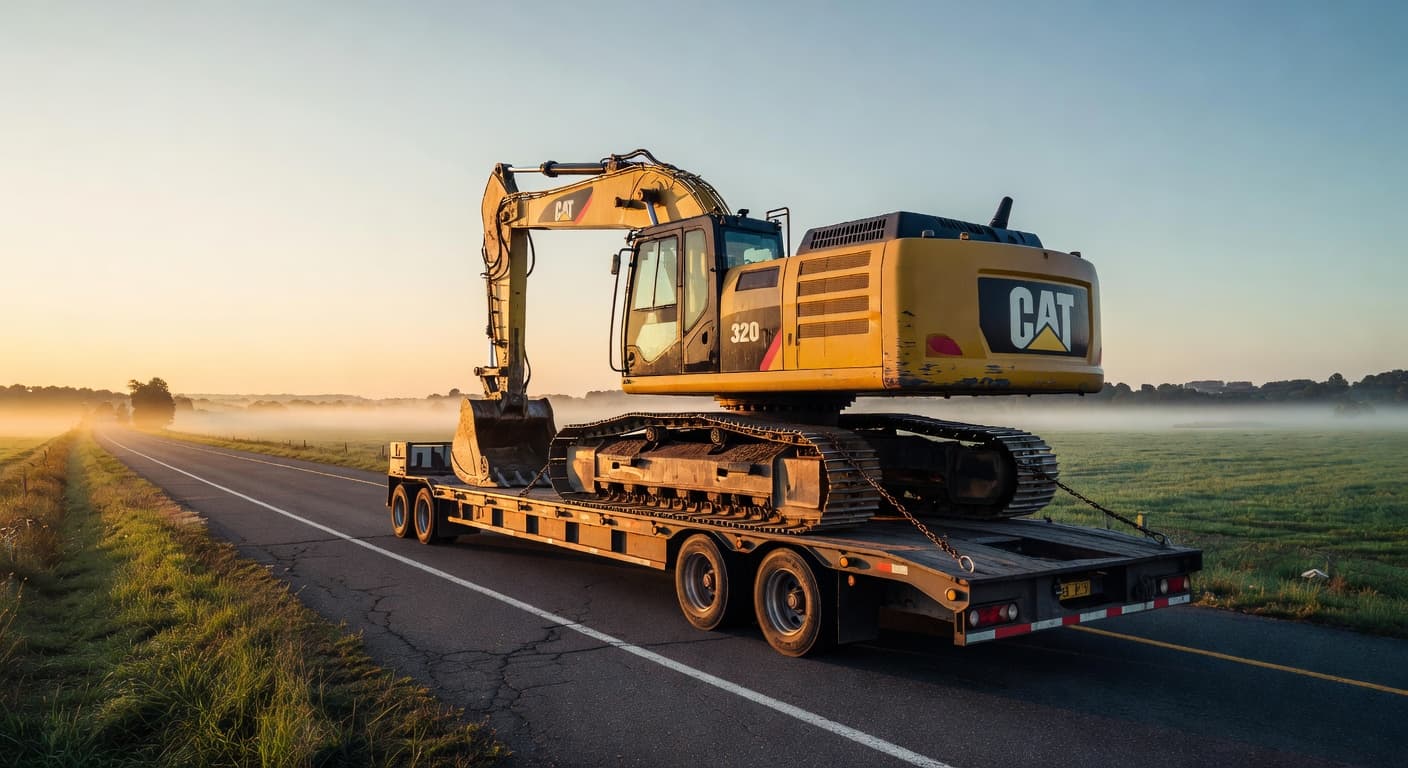
For businesses comparing inland marine insurance in Lewiston, the local question is less about whether mobile property needs protection and more about how often that property is exposed while moving through a city with a working-class economy, a 23.2-minute average commute, and plenty of day-to-day stop-and-go use. Lewiston has 1,262 business establishments, so the market includes contractors, retailers, food-service operators, manufacturers, and service firms that may all move tools, materials, or equipment between a shop, a job site, and temporary storage. That matters when your property does not stay at one fixed address. Inland marine insurance in Lewiston can be a practical fit for businesses that carry tools to customer locations, stage materials at different sites, or keep mobile property in transit between jobs. Because local losses often start with weather, theft, or simple handling damage, the key is matching the policy to the way your property actually moves—not just the address on the declarations page.
Inland Marine Insurance Risk Factors in Lewiston
Lewiston’s risk profile adds a few city-specific pressure points for mobile property. The overall crime index is 46, and property crime is more relevant than violent crime for businesses protecting tools, equipment, and other movable assets. Burglary, motor vehicle theft, and theft-related losses can all affect property that is stored in trucks, at job sites, or in temporary locations. Weather also matters: winter storm damage, ice dam damage, frozen pipe bursts, and snow load collapse can interrupt work schedules and expose staged materials or equipment. Even though the flood zone percentage is 7, low-lying storage areas and temporary work locations can still matter when property is sitting offsite. For inland marine insurance coverage in Lewiston, the real issue is whether your property is protected while it is being moved, parked, staged, or left at a job location long enough to become vulnerable.
Maine has a moderate climate risk rating. Top hazards: Nor'easter (High), Winter Storm (High), Flooding (Moderate), Coastal Erosion (Moderate). The state's expected annual loss from natural hazards is $180M, which influences inland marine insurance premiums and may affect coverage availability in high-risk areas.
What Inland Marine Insurance Covers
In Maine, inland marine coverage is designed for property that does not stay put, which is important because standard commercial property policies are tied to a fixed premises. That means tools, portable equipment, materials, and goods moving between job sites can be insured while they are in transit, at a customer location, or in temporary storage. For Maine businesses, that mobility matters in places like Augusta, Portland, Bangor, and coastal communities where work often shifts between locations and weather can interrupt schedules. Coverage choices can be tailored to tools and equipment insurance in Maine, goods in transit coverage in Maine, contractors equipment insurance in Maine, installation floater coverage in Maine, and builders risk coverage in Maine.
State-specific rules are generally handled through the Maine Bureau of Insurance, and requirements can vary by industry and business size rather than through one universal mandate. That means the policy form, endorsements, limits, and deductibles should be reviewed carefully before binding. Inland marine policies may include theft, damage, vandalism, and other covered perils, but the exact scope depends on the carrier and endorsements you choose. For Maine businesses working through winter storms, flooding, or coastal conditions, it is especially important to confirm whether property is protected while on a job site, in transit between counties, or stored temporarily offsite. Because Maine has a large small-business base and many businesses operate with portable assets, the policy should be matched to how often equipment moves and where it is exposed.
Coverage Included
Tools & Equipment
Protection for tools & equipment-related losses and claims

Goods in Transit
Protection for goods in transit-related losses and claims
Contractors Equipment
Protection for contractors equipment-related losses and claims

Installation Floater
Protection for installation floater-related losses and claims
Builders Risk
Protection for builders risk-related losses and claims
Inland Marine Insurance Cost in Lewiston
In Maine, inland marine insurance premiums are 4% below the national average. This means competitive rates are available.
Average Cost in Maine
$24 – $144 per month
per month
- Coverage limits and deductibles
- Claims history
- Location
- Industry or risk profile
- Policy endorsements
Contact CPK Insurance for a personalized quote.
National average: $33 – $167 per month
* Estimates based on industry averages. Actual premiums depend on your specific business details, claims history, and coverage selections. Rates shown are for informational purposes only and do not constitute a quote.
For Maine businesses, the average premium range for this coverage is about $24 to $144 per month, with the broader product data showing a typical range of $33 to $167 per month depending on the account. Maine’s premium index is 96, which puts the market close to the national average, so pricing usually comes down to the details of the risk rather than a statewide surcharge. Coverage limits and deductibles, claims history, location, industry or risk profile, and policy endorsements all influence the final price.
Maine-specific conditions can push pricing one way or another. A contractor moving tools across coastal routes, inland towns, and winter-weather job sites may pay differently than a business with limited travel and shorter hauling distances. Nor’easters and winter storms are high-rated hazards in the state, and flooding and coastal erosion can also matter when equipment is staged near shorelines or in low-lying storage areas. If your property spends time in temporary storage, at customer sites, or in transit between counties, the carrier may look more closely at the value and frequency of movement.
Maine also has 260 active insurance companies, including carriers such as State Farm, GEICO, Concord Group, and MMG Insurance, so comparing terms can be as important as comparing price. A lower quote may reflect narrower terms, higher deductibles, or different endorsements, so the quote should be reviewed for the exact protection you need. For many Maine small businesses, the best pricing discussion starts with how much mobile property you actually move, how often it moves, and whether you need separate limits for tools, equipment, materials, or installation work.
Industries & Insurance Needs in Lewiston
Lewiston’s industry mix creates steady demand for tools and equipment insurance in Lewiston and related inland marine options. Healthcare & Social Assistance is the largest sector at 15.4%, which can involve mobile property, records-related items, or service equipment that moves between sites. Retail Trade at 11.1% and Accommodation & Food Services at 7.6% often rely on portable property, seasonal assets, or items transported for events and offsite operations. Manufacturing at 9.8% can involve materials or specialized equipment that need protection while moving between facilities or storage points. Construction at 8.2% is especially relevant because contractors frequently need contractors equipment insurance in Lewiston, goods in transit coverage in Lewiston, and installation floater coverage in Lewiston for items that do not stay in one place. With 1,262 business establishments in the city, many owners are balancing modest margins with mobile assets that are essential to daily operations.
Inland Marine Insurance Costs in Lewiston
Lewiston’s cost context is shaped by a median household income of $55,966 and a cost of living index of 73, which suggests many businesses are operating in a market where every insurance dollar is scrutinized. That does not automatically mean lower inland marine insurance cost in Lewiston, because pricing still depends heavily on limits, deductibles, how often property moves, and the type of items being insured. But it does mean buyers often want a tighter match between premium and actual exposure. In a city with a broad mix of small businesses, carriers may look closely at inventory values, storage practices, and how much mobile business property is on the road at once. For owners seeking an inland marine insurance quote in Lewiston, the best approach is to document only the tools, equipment, and materials that truly move, then compare terms rather than focusing on monthly price alone.
What Makes Lewiston Different
The biggest Lewiston-specific factor is the combination of a dense small-business base, a practical commuting pattern, and a property-loss profile that leans toward theft and winter-related disruption rather than rare catastrophic events. That changes the insurance calculus because inland marine coverage is not just about where property is stored; it is about how often it is exposed in trucks, at customer sites, in lots, or in temporary holding areas. In Lewiston, a contractor, retailer, or service business may move equipment multiple times in a week and leave it vulnerable to burglary, weather damage, or handling loss during those transitions. Since the city’s cost of living is relatively low, owners may be especially sensitive to premium efficiency, but the real deciding factor is whether the policy follows the property during the exact movements your business makes. That is why mobile business property insurance in Lewiston should be built around operating patterns, not assumptions.
Our Recommendation for Lewiston
If you are buying inland marine insurance in Lewiston, start with a line-by-line inventory of what leaves your main location and how often it moves. Separate items by use: tools, contractor gear, materials, and installation-related property may need different limits or scheduling. Ask how the policy responds when equipment is parked overnight, stored temporarily, or left at a job site while work is paused. Because Lewiston has meaningful property-crime exposure, confirm theft handling and documentation requirements before you bind coverage. If you operate in construction, compare contractors equipment insurance in Lewiston with builders risk coverage in Lewiston and installation floater coverage in Lewiston so you are not paying for the wrong form. Also review deductibles carefully; in a cost-conscious market, a deductible that is too high can create a gap between what you expect and what you can absorb after a loss. A detailed inland marine insurance quote in Lewiston should reflect your actual routes, storage habits, and equipment values.
Get Inland Marine Insurance in Lewiston
Enter your ZIP code to compare inland marine insurance rates from carriers in Lewiston, ME.
Business insurance starting at $25/mo
FAQ
Frequently Asked Questions
In Lewiston, businesses commonly insure tools, portable equipment, materials, and other items that move between a shop, a job site, or temporary storage. The right policy depends on what actually leaves the premises.
With a property crime index that matters more than violent crime for this coverage, businesses should pay close attention to theft protection for items stored in vehicles, at job sites, or in offsite locations.
Yes. Winter storm damage, ice dam damage, frozen pipe bursts, and snow load collapse can affect staged property or equipment stored away from your main location, so storage practices matter.
Construction firms and other businesses that move heavier job-site machinery between locations should review contractors equipment insurance in Lewiston, especially if the equipment is used across multiple sites.
Have a current inventory, estimated values, storage locations, and a clear description of where your property travels. That helps the quote reflect your actual exposure instead of a generic business profile.
In Maine, it can cover portable tools, equipment, materials, and goods while they are in transit, at job sites, or in temporary storage, but the exact list depends on the carrier and the scheduled items.
If your property is kept in temporary storage away from your fixed location, inland marine coverage can follow it there, which matters for Maine businesses that stage materials between jobs or during weather delays.
Contractors, builders, and any business that regularly moves valuable property between Augusta, Portland, Bangor, Lewiston, or coastal job sites often need it most, especially if tools or materials leave the main premises.
The biggest factors are coverage limits, deductibles, claims history, location, industry risk, and endorsements; Maine’s premium index is close to average, so the details of your operation matter most.
The main requirement is to work through a policy that is acceptable under Maine Bureau of Insurance oversight; actual coverage needs vary by industry and business size, so there is no single statewide minimum for all businesses.
Gather a list of movable property, its values, where it travels, and whether it is stored offsite, then compare quotes from multiple carriers or an independent agent familiar with Maine businesses.
Choose based on what moves most in your business: tools and equipment insurance for portable gear, goods in transit coverage for items being transported, and contractors equipment insurance for heavier job-site machinery.
Set limits based on the replacement value of the property you move and choose a deductible your business can handle after a loss, especially if your work takes you through storm-prone or coastal parts of Maine.
Inland marine insurance covers business property in transit, at job sites, or at temporary locations. This includes tools, equipment, building materials, electronics, artwork, and goods being shipped. Coverage applies to theft, damage, vandalism, and other covered perils while the property is away from your primary business location.
Commercial property insurance covers items at your fixed business location. Inland marine insurance covers property that is mobile, in transit, or stored offsite. If your business regularly moves valuable equipment or goods between locations, you need inland marine coverage to fill the gap left by your commercial property policy.
Businesses that regularly transport valuable property or work at various locations benefit most from inland marine insurance. This includes contractors, electricians, plumbers, landscapers, photographers, caterers, IT service providers, and any business that uses expensive portable equipment. It is also important for businesses that ship goods or hold customer property.
Most inland marine insurance policies can be quoted and bound within 24-48 hours for standard risks. An independent agent like CPK Insurance can compare options from multiple carriers and have your policy in place quickly. Certificates of insurance are typically available the same day the policy is bound.
Yes. Bundling inland marine insurance with your other business insurance policies — such as general liability, commercial property, and workers compensation — typically saves 10-20% through multi-policy discounts. An independent agent can help you find the best bundle pricing across multiple carriers.
Key factors include your industry classification, annual revenue, number of employees, claims history, coverage limits, deductible choices, and geographic location. Coverage limits and deductibles, Claims history, Location, Industry or risk profile, Policy endorsements are all considered in pricing.
Inland marine typically covers your owned or leased equipment, tools, and materials while in transit or at job sites. Equipment in the care of subcontractors may or may not be covered depending on your policy terms. Rented or borrowed equipment usually requires a separate equipment floater or a rental agreement endorsement. Review your policy's 'property of others' provisions with your agent.
Contact your insurance carrier's claims department immediately — most have 24/7 claims hotlines. Document the incident thoroughly with photos, written descriptions, and witness information. Notify your insurance agent as well. Prompt reporting is important, as delays can complicate or jeopardize your claim.
Updated March 31, 2026
CPK Insurance Editorial Team
Reviewed by Licensed Insurance Agents