
Updated March 31, 2026

CPK Insurance Editorial Team
Reviewed by Licensed Insurance Agents
Homeowners Insurance in Frederick
Buying homeowners insurance in Frederick means looking beyond the standard dwelling and personal property checklist to the way local conditions shape a claim. homeowners insurance in Frederick often needs to account for neighborhoods with different exposure to flooding, wind, and storm surge risk, plus the realities of a growing city with a cost of living index of 105. If your home sits near drainage-prone areas or in a spot where heavy weather can push water into basements, the details of your policy matter just as much as the premium. Frederick also has a sizable housing market with a median home value of $529,000, so the gap between what a home costs and what it takes to rebuild can be meaningful. That makes dwelling coverage, other structures coverage, and additional living expenses coverage worth reviewing together. A policy that looks fine on paper may still miss the local risks that matter most here, especially if your property has a detached garage, fence, or older roof.
Homeowners Insurance Risk Factors in Frederick
Frederick’s main insurance pressure points are flooding, hurricane damage, coastal storm surge, and wind damage. Even though the city’s natural disaster frequency is listed as low, 24% flood zone exposure means some homes face water-related loss potential that standard homeowners policies do not address. That matters for basements, lower-level finished rooms, and any area where runoff or stormwater can collect after heavy weather. Wind exposure also matters because roof, siding, and detached structure damage can create a larger claim than many homeowners expect. For a Frederick property, the key is not just whether the home is insured, but whether the dwelling limit, personal property coverage, and other structures coverage reflect the actual risk profile of the lot and building layout. Homes with sheds, fences, or detached garages should be reviewed carefully because those features can be costly to repair after a storm.
Maryland has a moderate climate risk rating. Top hazards: Hurricane (High), Flooding (High), Severe Storm (Moderate), Winter Storm (Moderate). The state's expected annual loss from natural hazards is $680M, which influences homeowners insurance premiums and may affect coverage availability in high-risk areas.
What Homeowners Insurance Covers
Maryland homeowners insurance generally centers on dwelling coverage, personal property coverage, liability coverage, additional living expenses coverage, other structures coverage, and medical payments coverage. The core policy protects the home’s structure if a covered peril causes home damage, and it can also pay to repair detached garages, sheds, or fences under other structures coverage. Personal property coverage helps replace belongings after theft or fire, while liability coverage matters if someone is injured on your property and seeks damages. Additional living expenses coverage can help if a covered loss makes your home unlivable during repairs.
In Maryland, the most important coverage distinction is that standard homeowners policies do not cover flood damage, so homes exposed to coastal storm surge, flash flooding, or low-lying drainage issues need separate flood protection. State-specific wind or hurricane deductibles may also apply in coastal areas, which can change how much you pay out of pocket after a storm. Maryland is regulated by the Maryland Insurance Administration, so policy language, endorsements, and claim handling are shaped by that oversight, but the exact protections still vary by carrier and form. Because Maryland’s disaster history includes recent nor’easters, flash flooding, and coastal storm surge, a strong policy review should focus on whether your dwelling limit matches current reconstruction costs and whether your personal property limits are high enough for your actual belongings.
Coverage Included

Dwelling
Protection for dwelling-related losses and claims

Personal Property
Protection for personal property-related losses and claims

Liability
Protection for liability-related losses and claims

Additional Living Expenses
Protection for additional living expenses-related losses and claims
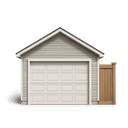
Other Structures
Protection for other structures-related losses and claims

Medical Payments
Protection for medical payments-related losses and claims
Homeowners Insurance Cost in Frederick
In Maryland, homeowners insurance premiums are 16% above the national average. Comparing quotes from multiple carriers is especially important here.
Average Cost in Maryland
$97 – $435 per month
per month
- Home replacement cost and age
- Claims history
- Location and weather risk
- Roof type and condition
- Coverage limits and deductibles
Contact CPK Insurance for a personalized quote.
National average: $100 – $250 per month
* Estimates based on industry averages. Actual premiums depend on your specific business details, claims history, and coverage selections. Rates shown are for informational purposes only and do not constitute a quote.
Maryland pricing is shaped by a mix of storm exposure, reconstruction costs, and local claim patterns. The state’s average homeowners insurance cost is $123 per month, which is below the national average of $165, but the broader monthly range in the market runs about $97 to $435 depending on the home and coverage choices. Maryland’s premium index of 116 suggests costs run above the national baseline in many cases, especially where hurricane risk, flooding exposure, and local labor costs are higher. The state’s average dwelling coverage is $310,400, while the median home value is $388,000, so many homeowners need to check whether their coverage limit actually matches rebuild costs rather than market price.
Several factors can move a Maryland quote up or down: coverage limits and deductibles, claims history, location, and policy endorsements. Coastal homes may see separate wind or hurricane deductibles, and properties near flood-prone areas often need extra review because standard policies exclude flood damage. Maryland’s reconstruction cost index of 112 also points to stronger replacement-cost pressure than in lower-cost states. On the other hand, Maryland has 480 active insurers competing for business, which can help create more quote options when you compare carriers and coverage levels carefully. If you want a homeowners insurance quote in Maryland, expect the final price to depend heavily on your dwelling coverage amount, your deductible choice, and whether you add endorsements that fit your home’s risk profile.
Industries & Insurance Needs in Frederick
Frederick’s economy is anchored by Healthcare & Social Assistance at 16.4%, Government at 13.6%, and Professional & Technical Services at 12.2%, with Retail Trade and Accommodation & Food Services also contributing meaningful local employment. That mix matters because it reflects a community with many households that depend on steady income and want predictable protection for their homes and belongings. A broad base of professionals and public-sector workers can increase demand for homeowners insurance coverage in Frederick that is easy to budget for but still strong enough to protect against home damage, theft, or a temporary displacement. The city’s 2,580 business establishments also suggest a busy local economy with many residents commuting or working in service-based roles, which can make loss prevention and recovery planning more important. For many Frederick homeowners, the question is not whether to buy coverage, but how to structure dwelling coverage in Frederick, personal property coverage in Frederick, and liability coverage in Frederick so the policy fits a stable but cost-conscious household.
Homeowners Insurance Costs in Frederick
Frederick’s cost of living index of 105 suggests day-to-day expenses run a bit above average, and that can carry into home repair and replacement pricing. With a median household income of $91,191, many households can support solid coverage choices, but premium decisions still need to balance monthly affordability against the cost of a large claim. In a market where the median home value is $529,000, the biggest pricing issue is often whether the dwelling limit is high enough to rebuild at current local labor and materials costs. That can affect homeowners insurance cost in Frederick more than a simple square-foot estimate. Homes with higher replacement needs, more complex construction, or extra structures may see wider quote variation. When you compare a homeowners insurance quote in Frederick, the deductible, dwelling coverage amount, and any property-specific risk factors usually matter more than a one-size-fits-all approach.
What Makes Frederick Different
The biggest difference in Frederick is the combination of a relatively high median home value and meaningful flood-zone exposure. That combination changes the insurance calculus because market value alone does not tell you how much dwelling coverage you need, and standard policies still do not solve flood-related losses. In practice, a Frederick homeowner may need to think harder about rebuild cost, basement vulnerability, and whether the policy’s limits are enough for the neighborhood and lot type. The city’s 24% flood zone exposure also makes location within Frederick more important than in a lower-risk inland market. Two homes on the same street can face different outcomes if one has better drainage, less runoff exposure, or fewer detached structures. That is why homeowners insurance coverage in Frederick should be reviewed as a property-specific decision, not just a ZIP-code purchase.
Our Recommendation for Frederick
Start by matching dwelling coverage to current rebuild costs, not just the home’s market price, especially with Frederick’s median home value at $529,000. Then check whether your lot has any flood-zone exposure, basement finish, or drainage issues that could make water damage more likely in heavy weather. If your property includes a detached garage, shed, or fence, review other structures coverage so those features are not overlooked. Personal property coverage should reflect what you actually own, and additional living expenses coverage should be high enough to support a temporary move if repairs take longer than expected. When you compare a homeowners insurance quote in Frederick, ask how the carrier handles storm-related roof damage, wind losses, and any separate deductibles that may apply. The most useful policy is the one that fits the home’s location, construction, and replacement cost—not just the lowest monthly number.
Get Homeowners Insurance in Frederick
Enter your ZIP code to compare homeowners insurance rates from carriers in Frederick, MD.
Homeowners insurance starting at $50/mo
FAQ
Frequently Asked Questions
In Frederick, the biggest focus is usually dwelling coverage plus water-related risk review. Because some areas have flood-zone exposure and the median home value is high, it is important to check whether the rebuild limit and any basement or storm-related vulnerabilities are reflected in the policy.
Flood-zone exposure can change how you think about coverage because standard homeowners policies do not pay for flood damage. In Frederick, homes in or near exposed areas may need a separate flood policy and a closer look at drainage, basement finish, and foundation risk.
Quotes can differ because location, roof condition, detached structures, and exposure to wind or flooding all matter. In Frederick, one home may sit in a low-risk area while another has higher water exposure or a more expensive rebuild profile.
Other structures coverage is important because detached garages, fences, and sheds can be costly to repair after wind or storm damage. Frederick homeowners should make sure those structures are included and that the limit is enough for their property.
Additional living expenses coverage matters if a covered loss leaves the home unlivable during repairs. In Frederick, that can be especially useful after storm damage or a major water-related claim that takes time to fix.
A Maryland homeowners policy usually covers dwelling damage, personal property, liability, additional living expenses, other structures, and medical payments, but the exact form varies by carrier. It can help with fire, wind, theft, and similar covered losses, while flood remains excluded.
The state average is about $123 per month, but actual homeowners insurance cost in Maryland can range from about $97 to $435 per month depending on the home, coverage limits, deductible, claims history, and location.
Maryland law does not require every homeowner to buy insurance, but mortgage lenders usually require a policy with enough dwelling coverage to protect the collateral. Lenders may also ask for proof that the policy is active before closing.
You are not required by the state to carry it if you own free and clear, but many Maryland homeowners still keep coverage because fire, wind, theft, or liability losses can be expensive to handle without a policy.
Dwelling coverage repairs the structure, personal property coverage helps replace belongings, and liability coverage can respond if someone is injured on your property. In Maryland, these protections are often reviewed together because storm, theft, and injury risks can overlap.
The biggest factors include coverage limits, deductibles, claims history, location, and policy endorsements. In Maryland, hurricane exposure, flood-prone areas, and local construction costs can also influence a quote.
Provide your address, home details, roof age, square footage, and any detached structures, then compare quotes from carriers active in Maryland. Ask specifically how the policy handles wind deductibles and whether you need separate flood coverage.
Choose dwelling coverage that reflects current reconstruction costs, not just market value, and set personal property and liability limits that fit your household. Also check whether a higher deductible makes sense for your budget, especially if your home is in a coastal area.
Homeowners insurance covers four main areas: dwelling coverage for your home's structure, personal property coverage for your belongings, liability coverage if someone is injured on your property, and additional living expenses if you need to live elsewhere while your home is repaired. It protects against perils like fire, windstorms, hail, theft, and vandalism.
You should carry enough dwelling coverage to rebuild your home at current construction costs, not just the purchase price or market value. Personal property coverage typically starts at 50-70% of your dwelling coverage. Liability coverage of at least $300,000 is recommended, with an umbrella policy for additional protection. CPK Insurance can help you calculate the right coverage levels.
No. Standard homeowners insurance does not cover flood damage. You need a separate flood insurance policy, which can be obtained through the National Flood Insurance Program (NFIP) or private flood insurers. Even if you are not in a high-risk flood zone, flood coverage is worth considering since over 20% of flood claims occur in low-to-moderate risk areas.
Most homeowners insurance policies can be quoted and bound within 24-48 hours for standard risks. An independent agent like CPK Insurance can compare options from multiple carriers and have your policy in place quickly. Certificates of insurance are typically available the same day the policy is bound.
Yes. Bundling homeowners with auto insurance typically saves 15-25% through multi-policy discounts. Many carriers also offer discounts for adding umbrella liability coverage. An independent agent can help you find the best bundle pricing across multiple carriers.
Key factors include your home's replacement cost, age and condition, roof type and age, proximity to fire stations and hydrants, local weather risks (hurricanes, hail, wildfires), your claims history, credit-based insurance score, deductible choices, and coverage limits. Homes in high-risk areas or with older roofs pay significantly more.
Homeowners insurance typically covers sudden water damage like burst pipes or appliance leaks, but does not cover gradual leaks, sewer backups (without an endorsement), or flood damage. Flood insurance must be purchased separately through the NFIP or a private insurer. Ask your agent about water backup endorsements for additional protection.
Contact your insurance carrier's claims department immediately — most have 24/7 claims hotlines. Document the incident thoroughly with photos, written descriptions, and witness information. Notify your insurance agent as well. Prompt reporting is important, as delays can complicate or jeopardize your claim.
Updated March 31, 2026
CPK Insurance Editorial Team
Reviewed by Licensed Insurance Agents