







































Updated March 31, 2026

CPK Insurance Editorial Team
Reviewed by Licensed Insurance Agents
General Liability Insurance in Maryland
If you sell, lease, or meet clients in Maryland, general liability insurance in Maryland is often the first policy people ask about before they sign a contract or hand over a key. That matters in a state with 153,800 business establishments, where 99.5% are small businesses and competition for commercial space is real from Annapolis to Baltimore, Bethesda, Frederick, and Salisbury. Maryland also has 480 active insurance companies and a premium index of 116, so shopping the market here can look different than in lower-cost states. For many owners, the decision is less about theory and more about whether a customer slip, a damage claim at a jobsite, or an advertising dispute could interrupt cash flow. Maryland’s business mix adds to that pressure: Professional & Technical Services, Healthcare & Social Assistance, Government, Retail Trade, and Accommodation & Food Services all create different third-party exposure patterns. If you want coverage that fits local lease terms, client contracts, and the state’s commercial risk environment, the details below can help you compare options before you request a quote.
What General Liability Insurance Covers
In Maryland, this policy is designed to respond to third-party bodily injury, property damage, and personal and advertising injury claims, along with legal defense and settlement payments up to your limits. That means a customer injury in a storefront, a claim that your work damaged a client’s property, or an advertising injury dispute can trigger coverage if the claim falls within the policy terms. The policy typically also includes medical payments and products and completed operations, which matter for Maryland businesses that interact with customers on-site or finish work before the claim shows up later. Maryland does not set a state-mandated minimum for general liability, but contracts often do, and the Maryland Insurance Administration oversees insurance compliance. In practice, that means your certificate and policy wording may need to align with a landlord, a government contract, or a client’s vendor requirements. Coverage can vary by carrier, limits, deductibles, business class, and endorsements, so a Maryland policy should be reviewed for location-based exposures such as retail foot traffic, tenant improvements, or service work at customer locations. It is also important to separate this coverage from workers compensation, because general liability is for third-party claims, not employee injury. For many Maryland owners, the key question is not just what is covered, but whether the policy language matches the contract they need to satisfy.
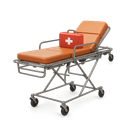
Bodily Injury Liability
Covers injuries to third parties on your premises or from your operations
Property Damage Liability
Covers damage you cause to others' property

Personal & Advertising Injury
Covers libel, slander, and copyright claims

Products & Completed Operations
Covers claims from products sold or work completed

Medical Payments
Covers minor injuries regardless of fault
Defense Costs
Legal defense costs are covered in addition to policy limits
General Liability Insurance Requirements in Maryland
- Maryland has no state-mandated minimum general liability limit, but the provided state guidance says most contracts require it and suggests at least $1M per occurrence.
- The Maryland Insurance Administration is the regulatory body referenced for insurance compliance in the state.
- Maryland businesses often need proof of coverage to satisfy commercial leases, client agreements, and government contract requirements.
- A policy review should confirm bodily injury, property damage, and personal and advertising injury terms before you bind coverage.
How Much Does General Liability Insurance Cost in Maryland?
Average Cost in Maryland
$38 – $116 per month
per month
- Industry and risk classification
- Annual revenue
- Number of employees
- Claims history
- Coverage limits and deductibles
- Business location
Based on small business averages with $1M/$2M limits.
National average: $33 – $125 per month
* Estimates based on industry averages. Actual premiums depend on your specific business details, claims history, and coverage selections. Rates shown are for informational purposes only and do not constitute a quote.
For Maryland businesses, the average premium range in the provided data is $38 to $116 per month, which sits above the national average on the state index of 116. The product data also shows a small-business average of $33 to $125 per month, with a footnote based on $1M/$2M limits, so your final quote can move above or below that range depending on your operation. Several Maryland-specific factors affect pricing: industry and risk classification, annual revenue, number of employees, claims history, coverage limits and deductibles, and business location. That matters in a state where 153,800 businesses are operating and many are concentrated in sectors with different levels of customer contact, such as retail and accommodation and food services. A business in downtown Annapolis, a storefront in Baltimore, or a contractor serving clients across Montgomery County may see different pricing because location and exposure are part of the rating process. Maryland’s active market of 480 insurers can create more shopping options, but the premium index of 116 suggests the state still prices above average. If you are comparing a general liability insurance quote in Maryland, ask how the carrier priced bodily injury coverage in Maryland, property damage coverage in Maryland, and personal and advertising injury coverage in Maryland separately or together. Also ask whether a higher deductible or a narrower class code changes the monthly premium, because those choices often matter more than a generic estimate.
| Coverage | What's Covered | What's NOT Covered |
|---|---|---|
| Bodily Injury | Customer/visitor injuries on premises or from operations | Employee injuries (use Workers Comp) |
| Property Damage | Damage to others' property from your work | Damage to your own property (use Commercial Property) |
| Personal Injury | Libel, slander, copyright infringement | Intentional criminal acts |
| Advertising Injury | False advertising claims, misappropriation of ideas | Knowing violations of law |
| Medical Payments | Minor injury medical bills regardless of fault | Major injury claims (handled as liability) |
| Products/Completed Ops | Claims from products sold or work completed | Product recalls (use Product Recall coverage) |
Bodily Injury
- What's Covered
- Customer/visitor injuries on premises or from operations
- What's NOT Covered
- Employee injuries (use Workers Comp)
Property Damage
- What's Covered
- Damage to others' property from your work
- What's NOT Covered
- Damage to your own property (use Commercial Property)
Personal Injury
- What's Covered
- Libel, slander, copyright infringement
- What's NOT Covered
- Intentional criminal acts
Advertising Injury
- What's Covered
- False advertising claims, misappropriation of ideas
- What's NOT Covered
- Knowing violations of law
Medical Payments
- What's Covered
- Minor injury medical bills regardless of fault
- What's NOT Covered
- Major injury claims (handled as liability)
Products/Completed Ops
- What's Covered
- Claims from products sold or work completed
- What's NOT Covered
- Product recalls (use Product Recall coverage)
Get Your Personalized Quote
Enter your ZIP code to compare general liability insurance rates from top carriers.
Business insurance starting at $25/mo
Who Needs General Liability Insurance?
Maryland businesses that meet the public, work on client property, or sign contracts usually have the strongest need for this coverage. Retail Trade businesses in places like Baltimore, Towson, and Silver Spring can face customer injury or slip and fall claims because people are physically entering the premises. Accommodation & Food Services operators across the state often need public liability insurance in Maryland because guests, vendors, and visitors create frequent third-party exposure. Professional & Technical Services firms in the state’s largest employment sector may still need commercial general liability insurance in Maryland when they lease office space, host clients, or must satisfy contract language, even if their main work is not hands-on construction. Healthcare and social assistance organizations may also be asked for proof of business liability insurance in Maryland before they can operate in leased space or work with partner organizations. Government contractors and vendors often need to show general liability insurance requirements in Maryland before awards or renewals, and commercial landlords commonly ask for certificates before a lease is signed. Maryland’s small-business-heavy economy means many owners are balancing limited budgets with contract demands, so the policy often becomes a practical requirement rather than an optional add-on. If your business has customers on-site in Annapolis, makes deliveries in Frederick, or performs services in client locations across the state, third-party liability coverage in Maryland can be part of the standard risk transfer conversation. Even businesses that do not think of themselves as high risk may need it when a landlord, client, or association asks for proof before they will do business.
General Liability Insurance by City in Maryland
General Liability Insurance rates and coverage options can vary across Maryland. Select your city below for localized information:
How to Buy General Liability Insurance
Start by gathering the details a carrier will use to rate your Maryland account: business address, revenue, payroll or headcount, years in operation, claims history, and a short description of how customers interact with your business. Because Maryland has a premium index of 116 and 480 active insurers, it helps to compare more than one general liability insurance quote in Maryland rather than relying on a single offer. Ask each carrier or broker how the quote handles bodily injury coverage in Maryland, property damage coverage in Maryland, and personal and advertising injury coverage in Maryland, especially if your clients require specific wording. If you lease space in Annapolis, Baltimore, or another Maryland city, bring the lease insurance requirements to the quote process so the policy can be checked against contract language. The Maryland Insurance Administration is the state regulator, so any questions about compliance should be reviewed with that framework in mind. You should also confirm whether you need the policy on its own or as part of a broader commercial package, because some businesses only need standalone commercial general liability insurance in Maryland while others also need property coverage. When comparing carriers, ask about limits, deductibles, certificates of insurance, and whether the policy includes medical payments and products and completed operations. If your business serves customers on-site, ask how quickly the carrier can issue proof, since some Maryland contracts need it before work starts. Finally, review whether your business class fits the insurer’s appetite, because the right market match can matter as much as price in a state with a broad but competitive carrier base.
How to Save on General Liability Insurance
The most effective way to save on general liability insurance cost in Maryland is to match your limits and deductible to the real exposure your business creates, not to a generic template. Maryland businesses with lower foot traffic, fewer client visits, and cleaner claims histories may qualify for more favorable pricing than businesses with frequent public contact, so keeping operations organized can matter at renewal. Because rate differences are tied to industry and risk classification, annual revenue, number of employees, claims history, coverage limits and deductibles, and business location, you can often influence the quote by tightening those inputs. If you only need proof for a lease or a contract, do not add coverage you are unlikely to use; instead, ask for a policy that satisfies the exact general liability insurance requirements in Maryland that apply to your agreement. Bundling can also help if you need other coverage, since the product data notes that a Business Owners Policy can be cheaper than buying property and liability separately. Maryland’s market has 480 insurers, so it is worth comparing several carriers that already write business liability insurance in Maryland rather than accepting the first offer. Ask whether a higher deductible lowers the premium enough to make sense for your cash flow, and make sure the deductible is still manageable if a claim occurs. If your business is in a higher-contact sector like retail or food service, focus on loss prevention that reduces customer injury and slip and fall exposure, because fewer claims over time can support better renewal pricing. For many owners, the biggest savings come from accurate classification, clean contracts, and avoiding overbuying limits that do not match the job.
Our Recommendation for Maryland
For Maryland buyers, I would treat this as contract-first coverage: get the lease, vendor agreement, or client requirement before you shop, then match the policy to it. In a state with 153,800 businesses and a premium index above the national average, the right class code and limit structure can matter more than chasing a quick quote. Most small businesses should start by comparing at least two or three carriers and asking how each one handles bodily injury, property damage, and advertising injury claims. If you meet the public in Annapolis, Baltimore, or any Maryland retail corridor, prioritize strong limits and a deductible you can actually pay after a claim. If you mainly work in offices or service settings, review whether standalone general liability is enough or whether a broader package is more efficient. The best next step is to request a Maryland-specific quote with your location, revenue, and contract terms ready so the carrier can price the policy accurately.
FAQ
Frequently Asked Questions
It covers third-party bodily injury, property damage, and personal and advertising injury claims in Maryland, plus legal defense and settlement payments within the policy limits. It can also include medical payments and products and completed operations, depending on the policy.
The data says Maryland does not mandate a state minimum for general liability for most businesses, but many landlords, clients, and contracts still require it before you can lease space or start work.
The provided Maryland average premium range is $38 to $116 per month, and the product data shows many small businesses paying about $400 to $1,500 per year. Your final price depends on your industry, revenue, employees, claims history, location, limits, and deductible.
Retail, food service, professional services, healthcare-related businesses, and government contractors often need it because they meet the public, lease space, or must show proof to clients and landlords.
Ask how the quote handles bodily injury coverage in Maryland, property damage coverage in Maryland, and personal and advertising injury coverage in Maryland, and confirm whether medical payments and products and completed operations are included.
The state guidance in the provided data suggests at least $1M per occurrence, and the product footnote references common $1M/$2M limits. Your contract requirements and customer exposure should drive the final choice.
They can improve classification accuracy, keep claims histories clean, choose deductibles they can afford, and compare several Maryland carriers rather than taking the first quote.
General liability insurance covers third-party bodily injury, property damage, personal and advertising injury, and medical payments. If a customer slips in your store, if your work damages a client's property, or if you're accused of libel or copyright infringement in your advertising, general liability responds.
Most small businesses pay between $400 and $1,500 per year for general liability insurance. Costs depend on your industry, revenue, number of employees, location, coverage limits, and claims history. Low-risk office businesses pay less; contractors and manufacturers pay more.
While not mandated by state law for most businesses, general liability is effectively required in practice. Commercial landlords, clients, government contracts, and professional associations typically require proof of general liability coverage before you can lease space, sign contracts, or maintain membership.
General liability covers physical incidents — someone slips at your location or your work damages property. Professional liability (errors and omissions) covers mistakes in your professional services or advice that cause a client financial harm. Most businesses that provide services need both policies.
The first number ($1 million) is your per-occurrence limit — the maximum the insurer pays for a single claim. The second number ($2 million) is your aggregate limit — the maximum total payout during the policy period, typically one year. Most small businesses carry $1M/$2M limits.
No. General liability covers injuries to third parties — customers, vendors, and the general public. Employee work-related injuries are covered by workers compensation insurance. These are separate policies that work together to protect your business.
Yes. General liability can be purchased as a standalone policy. However, if you also need commercial property insurance, a Business Owners Policy (BOP) bundles both together at a discount of 15-25% compared to buying them separately. Your agent can recommend the best approach.
Many general liability policies can be bound the same day you apply. For straightforward businesses with no unusual risks, you can often have a policy in place and certificate of insurance in hand within 24-48 hours through an independent agent like CPK Insurance.
Updated March 31, 2026
CPK Insurance Editorial Team
Reviewed by Licensed Insurance Agents