Updated March 31, 2026

CPK Insurance Editorial Team
Reviewed by Licensed Insurance Agents
Commercial Auto Insurance in Boston
Buying commercial auto insurance in Boston means thinking beyond basic state compliance and looking at how the city actually works day to day. Dense traffic on I-93, short curbside stops in the Seaport, tight parking near Back Bay, and frequent stop-and-go driving through Cambridge and the downtown core can all change how a business vehicle is exposed to loss. commercial auto insurance in Boston is especially relevant if your cars, vans, or trucks spend time in delivery zones, at client sites, or moving between neighborhoods where congestion and parking pressure raise the odds of a vehicle accident. Boston’s higher cost of living and strong business environment also mean vehicles are often mission-critical, so downtime after a crash or damage claim can create real operational strain. If your business uses a company car, a small fleet, or employee-driven vehicles for errands and visits, the policy needs to fit how those vehicles are parked, driven, and garaged in the city. That makes coverage choices around liability, collision, comprehensive, and hired or non-owned auto worth reviewing closely before you request a quote.
Commercial Auto Insurance Risk Factors in Boston
Boston’s risk profile pushes commercial auto decisions in a few clear directions. The city’s overall crime index is 130, so theft-related exposure can matter for vehicles parked on-street or left in busy commercial areas. Weather is a bigger driver for auto claims here than many buyers expect: Boston’s top risks include winter storm damage, ice dam damage, frozen pipe bursts, and snow load collapse, and those same storm cycles can also affect vehicles through snow, ice, and frozen conditions. In the local auto data, weather conditions account for 39.9% of crashes, followed by following too closely at 17.6%, failure to yield at 17.7%, and reckless driving at 24.8%. Those patterns fit Boston’s tight turns, short signal cycles, and heavy congestion, especially where business vehicles are making frequent stops. With 28,927 annual crashes and a commute averaging 29.1 minutes, Boston drivers spend a lot of time in conditions where collision and comprehensive deserve close attention, not just liability.
Massachusetts has a moderate climate risk rating. Top hazards: Nor'easter (Very High), Hurricane (High), Flooding (High), Winter Storm (High). The state's expected annual loss from natural hazards is $1.2B, which influences commercial auto insurance premiums and may affect coverage availability in high-risk areas.
What Commercial Auto Insurance Covers
In Massachusetts, commercial auto insurance is built around business-use vehicles, and the policy structure has to line up with the state’s minimum liability rules for commercial vehicles: $20,000 bodily injury per person, $40,000 bodily injury per accident, and $5,000 property damage. That baseline matters because a policy written for a company car in Boston, a van in Worcester, or a truck making runs through Lowell and New Bedford still needs to meet state requirements before you add stronger protection. The core coverages in this product include liability, collision, comprehensive, medical payments, and uninsured motorist protection. Liability addresses injury and property damage claims from a vehicle accident, while collision helps with damage to your insured vehicle after a crash and comprehensive applies to theft or weather-related loss. That weather piece is especially relevant here because Massachusetts faces very high Nor’easter risk, high hurricane and flooding risk, and high winter storm exposure. The FAQ data also notes hired and non-owned auto coverage can extend protection to rented vehicles and employee-owned vehicles used for work, which is important for business errands, client meetings, and deliveries. Coverage details can vary by carrier, but the state-specific decision is usually about how much liability to carry above the minimum, whether to add hired auto or non-owned auto endorsements, and how to structure deductibles for the vehicles you operate in places like Boston, Cambridge, Quincy, and along coastal counties.
Coverage Included
Bodily Injury Liability
Covers injuries you cause to others in an accident

Property Damage Liability
Covers damage you cause to others' property
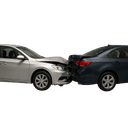
Collision Coverage
Pays for damage to your vehicle in an accident

Comprehensive Coverage
Covers theft, vandalism, weather, and animal damage

Medical Payments
Covers medical costs for your drivers and passengers

Uninsured Motorist
Protection when the other driver lacks insurance
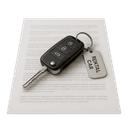
Hired & Non-Owned Auto
Covers rented or employee-owned vehicles used for work
Commercial Auto Insurance Cost in Boston
In Massachusetts, commercial auto insurance premiums are 26% above the national average. Comparing quotes from multiple carriers is especially important here.
Average Cost in Massachusetts
$126 – $399 per month
per vehicle/month
- Fleet size and vehicle types
- Driver records and experience
- Coverage limits and deductibles
- Business industry and use
- Annual mileage and operating radius
- Claims history
Rates based on small business averages. Your actual premium may vary.
National average: $100 – $200 per vehicle/month
* Estimates based on industry averages. Actual premiums depend on your specific business details, claims history, and coverage selections. Rates shown are for informational purposes only and do not constitute a quote.
Massachusetts pricing for commercial auto insurance reflects a market that is above the national average, with a premium index of 126 and an average premium range of $126 to $399 per month per vehicle in the state-specific data. The product data also shows many small businesses pay about $100 to $200 per vehicle per month on average, or $1,200 to $2,400 per vehicle annually, but Massachusetts can land higher depending on the risk profile. Several local factors push rates up or down: fleet size and vehicle type, driver records and experience, coverage limits and deductibles, business industry and use, annual mileage, operating radius, and claims history. That means a single company car used for local travel in Boston may price differently than a fleet auto insurance in Massachusetts account with longer routes on the Mass Pike, coastal deliveries, or commercial truck insurance in Massachusetts for heavier vehicles. The state’s auto accident data also matters: 142,000 crashes in 2023, an average claim cost of $21,451, and top crash causes including speeding, lane departure, failure to yield, following too closely, and running red lights or stop signs. Those loss patterns can influence what insurers expect from drivers who spend time in dense urban traffic or on congested commuter corridors. Massachusetts also has 560 active insurance companies, which creates comparison opportunities, but the right quote depends on your vehicles, your radius of operation, and whether you need higher commercial auto liability coverage in Massachusetts or added endorsements for rented and employee-owned vehicles.
Industries & Insurance Needs in Boston
Boston’s industry mix creates steady demand for business vehicle coverage. Healthcare & Social Assistance accounts for 17.2% of the local economy, Education is 11.8%, Retail Trade is 10.6%, Professional & Technical Services is 9.4%, and Finance & Insurance is 5.4%. Those sectors often rely on vehicles for site visits, interoffice travel, supply runs, patient or client transport, and scheduled deliveries. That means company car insurance in Boston is not just for contractors or large transportation operators; it also matters for organizations with staff who drive between campuses, offices, clinics, and customer locations. Retail and service businesses may need commercial vehicle insurance in Boston for regular local routes, while firms with multiple drivers should look closely at fleet auto insurance in Boston. The city’s mix of knowledge-based employers and service-heavy operations also increases the chance that a vehicle is used for occasional business errands rather than constant transport, which makes hired auto and non-owned auto coverage worth checking when employees use personal cars or rented vehicles.
Commercial Auto Insurance Costs in Boston
Boston’s cost environment can influence both how insurers view risk and how businesses manage coverage choices. The city’s median household income is 106,156, and its cost of living index is 128, which signals a high-value operating environment where vehicles, tools, and delivery schedules often carry more business importance. In practical terms, that can make deductible selection and vehicle downtime more consequential for local owners. A business that depends on one van to reach Back Bay clients or a small fleet serving the Seaport may feel even a short interruption after a claim. Premiums still vary by vehicle type, driving history, garaging location, and how far the vehicle travels, but Boston’s dense urban setting and higher operating costs can make careful quote comparison especially important. If you’re reviewing commercial auto insurance cost in Boston, focus on how the policy handles collision, comprehensive, and liability for vehicles that spend much of the day in traffic, parking garages, or curbside loading zones.
What Makes Boston Different
The biggest Boston-specific issue is the combination of dense traffic, frequent stop-and-go driving, and high-value business activity packed into a compact area. That combination changes the insurance calculus because a minor vehicle accident can disrupt client visits, deliveries, and scheduled appointments across several neighborhoods in one day. Boston also has more pressure on parking and curb access than many cities, which raises the importance of collision and comprehensive for vehicles that are parked in garages, lots, or on-street spaces. Add in the city’s weather-driven crash patterns and elevated crime index, and the policy conversation becomes less about minimum compliance and more about keeping business transportation reliable in a high-friction environment. For many owners, the real question is not whether they need coverage, but whether their commercial auto liability coverage in Boston is strong enough for the way their vehicles are actually used.
Our Recommendation for Boston
For Boston buyers, start by mapping each vehicle’s real use: where it parks, which neighborhoods it enters, how often it stops, and whether employees ever drive personal or rented vehicles for work. That information matters when you compare a commercial auto insurance quote in Boston because garaging, mileage, and driving pattern can change the pricing picture. If your vehicles spend time in congested corridors or near busy loading zones, consider whether higher collision and comprehensive deductibles make sense for your cash flow. If staff use personal cars for errands or client visits, ask about hired auto and non-owned auto coverage instead of assuming a standard policy will fill the gap. Businesses with multiple vehicles should ask how the account is structured and whether fleet auto insurance in Boston is the right fit. Finally, make sure the policy description matches the city routes your vehicles actually run, from downtown appointments to neighborhood deliveries, so the coverage lines up with your day-to-day operations.
Get Commercial Auto Insurance in Boston
Enter your ZIP code to compare commercial auto insurance rates from carriers in Boston, MA.
Business insurance starting at $25/mo
FAQ
Frequently Asked Questions
Boston has dense traffic, short trip patterns, and limited parking that can increase the chance of a vehicle accident or parking-related damage. That makes liability, collision, and comprehensive more important to review closely for business vehicles.
Weather conditions account for 39.9% of local crashes, so winter storms and icy roads can affect claims frequency. That is one reason Boston businesses often take a close look at collision and comprehensive coverage.
Healthcare, education, retail, and professional services are major local industries, and they often rely on vehicles for site visits, deliveries, and travel between locations. If a vehicle is used for work, company car insurance in Boston may be worth reviewing.
Yes. Boston’s overall crime index is 130, so theft exposure can matter for vehicles parked on-street, in lots, or in busy commercial areas. That makes comprehensive coverage worth considering for local business vehicles.
Have your vehicle list, garaging locations, driver information, mileage patterns, and whether any employee-owned or rented vehicles are used for work. Those details help insurers price the policy more accurately for Boston driving conditions.
It can cover liability for bodily injury and property damage, collision damage to your insured vehicle, comprehensive losses from theft or weather, medical payments, and uninsured/underinsured motorist protection. In Massachusetts, that matters because winter storms, flooding, and busy urban traffic can all create different claim types.
The state-specific range provided is about $126 to $399 per month per vehicle, while small-business averages in the product data run about $100 to $200 per month. Your final price varies with fleet size, vehicle type, driver records, mileage, operating radius, coverage limits, deductibles, and claims history.
Any business that uses cars, vans, trucks, or specialty vehicles for work should review it, especially if employees drive to client sites, make deliveries, or transport materials. It is also relevant for businesses with a company car, a small fleet, or vehicles that travel across Boston, Worcester, coastal counties, or western Massachusetts.
The state-specific data says commercial vehicles must meet minimum liability of $20,000/$40,000/$5,000, be registered with the Massachusetts DMV, and may need uninsured/underinsured motorist coverage. Your policy should be checked against those requirements before you bind it.
Liability helps pay for injury and property damage to others after a vehicle accident, collision helps repair your insured vehicle after a crash, and comprehensive applies to theft or weather-related damage. In Massachusetts, comprehensive is worth reviewing carefully because Nor’easters, flooding, and winter storms are significant hazards.
Provide each vehicle’s use, mileage, garaging location, driver list, and claims history, then compare quotes from carriers active in Massachusetts such as MAPFRE, Safety Insurance, State Farm, Liberty Mutual, and Plymouth Rock. If you have multiple vehicles, ask whether the account is being rated as fleet auto insurance in Massachusetts.
Focus on the rating factors insurers use here: keep driver records clean, reduce avoidable mileage, choose deductibles your business can handle, add telematics or dash cameras, and ask about multi-policy discounts if you bundle coverage. A fleet safety program can also help support better pricing over time.
Commercial auto insurance covers liability for bodily injury and property damage, collision damage to your vehicles, comprehensive coverage for theft and weather damage, medical payments, and uninsured/underinsured motorist protection. It also covers hired and non-owned vehicles with the right endorsements.
Most small businesses pay between $1,200 and $2,400 per vehicle annually. Costs vary based on fleet size, vehicle types, driver records, coverage limits, industry, and location. Delivery and construction fleets pay more than office-based businesses.
Yes. Personal auto policies typically exclude or severely limit coverage for business use. If you drive to client sites, make deliveries, or transport materials for work, you need either a commercial auto policy or hired and non-owned auto coverage to close the gap.
Hired and non-owned auto coverage extends your commercial auto policy to vehicles your business rents or that employees use for work purposes. This is critical for businesses where employees drive their personal vehicles for company errands, client meetings, or deliveries.
Yes. Bundling commercial auto with general liability, commercial property, and workers compensation through the same carrier typically saves 10-20% on premiums through multi-policy discounts. An independent agent can help you find the best bundle pricing.
Implement a fleet safety program, install GPS tracking and dash cameras, maintain clean driver records, choose higher deductibles, bundle with other policies, and shop your coverage annually. Telematics devices that monitor driving behavior can also earn significant discounts.
Commercial auto insurance offers higher liability limits, covers multiple drivers under one policy, includes vehicles used for business purposes, and provides coverage for cargo and equipment. Personal auto policies are designed for individual use and typically exclude business activities.
With hired auto coverage added to your policy, yes. This endorsement covers vehicles your business rents or leases on a short-term basis. Without it, rental car damage during business use may not be covered by either your commercial or personal auto policy.
Updated March 31, 2026
CPK Insurance Editorial Team
Reviewed by Licensed Insurance Agents