Updated March 31, 2026

CPK Insurance Editorial Team
Reviewed by Licensed Insurance Agents
Commercial Umbrella Insurance in Billings
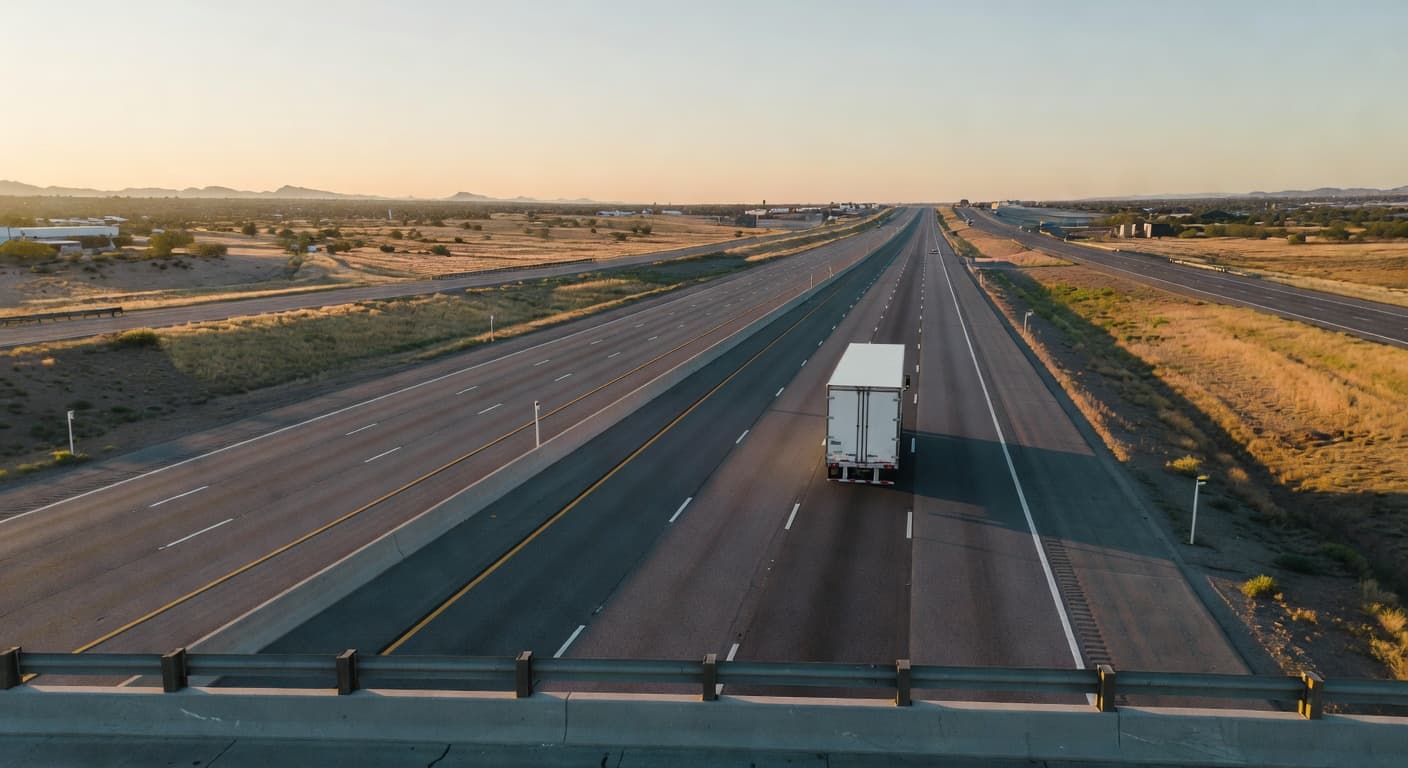
Commercial umbrella insurance in Billings is often about protecting a business that serves a wider trade area than the city limits suggest. Billings sits at the center of a busy commercial corridor, and that matters when one incident can spill beyond a single policy limit. A customer injury at a storefront near the interstate, a delivery crash on a congested route, or a liability dispute tied to a job site can all move quickly from a routine claim to a larger lawsuit. That is where extra liability coverage becomes a practical decision, not just a policy add-on. Billings businesses also operate in a market shaped by a 98 cost of living index, a median household income of $75,920, and a mix of industries that rely on customer traffic, vehicles, and outside contractors. If your operation has employees on the road, customers on site, or assets you want to protect from a catastrophic claim, the question is how much umbrella liability policy protection fits your real exposure, not just your minimum limits.
Commercial Umbrella Insurance Risk Factors in Billings
Billings has risk patterns that can push a claim beyond primary commercial liability limits. Local data shows an overall crime index of 134, with motor vehicle theft at 788 and violent crime trending upward, which can matter for businesses with parking lots, fleets, or late-hour customer traffic. Auto exposure is also relevant: Billings recorded 2,557 annual crashes in 2023, with failure to yield, reckless driving, running red lights or stop signs, and impaired driving among the leading causes. The city’s uninsured driver rate is 7.4, so a vehicle-related incident can create a larger excess liability problem if multiple parties are involved. While flood exposure is relatively limited at 10%, wildfire risk, drought conditions, power shutoffs, and air quality events can still complicate operations and increase the odds of interruption-related disputes or third-party claims. For businesses that depend on vehicles, outdoor work, or customer access, these local conditions make commercial umbrella insurance coverage in Billings a serious planning tool.
Montana has a moderate climate risk rating. Top hazards: Wildfire (Very High), Winter Storm (High), Earthquake (Moderate), Flooding (Moderate). The state's expected annual loss from natural hazards is $280M, which influences commercial umbrella insurance premiums and may affect coverage availability in high-risk areas.
What Commercial Umbrella Insurance Covers
In Montana, commercial umbrella insurance is an excess liability layer that activates after your underlying commercial auto, general liability, or employers liability limits are used up. That structure matters because Montana businesses face risks that can create large claims, including winter-storm crashes, wildfire-related property losses, and liability disputes tied to busy retail, lodging, and construction operations. The policy can also provide broader coverage for some claims that are not fully handled by a primary policy, but the exact scope varies by carrier and endorsement. It is not a replacement for underlying coverage, and the amount of underlying commercial liability limits you carry affects how the umbrella responds.
Montana businesses are regulated by the Montana Commissioner of Securities and Insurance, so coverage forms, carrier availability, and underwriting can vary by insurer and business type. The state’s commercial auto minimums are $25,000/$50,000/$20,000, but those minimums are only the starting point; many businesses use higher limits before adding umbrella liability policy protection. Defense costs coverage may be included depending on policy wording, so it is important to confirm whether legal defense reduces the limit or sits outside it. Worldwide liability coverage can also appear in some policies, but it is endorsement-driven and should be checked carefully before you rely on it for operations outside Montana. Aggregate limits, exclusions, and attachment points vary, so the same umbrella quote may behave differently across carriers even when the price looks similar.
Coverage Included

Excess Liability
Protection for excess liability-related losses and claims
Broader Coverage
Protection for broader coverage-related losses and claims

Defense Costs
Protection for defense costs-related losses and claims

Worldwide Coverage
Protection for worldwide coverage-related losses and claims
Aggregate Limits
Protection for aggregate limits-related losses and claims
Commercial Umbrella Insurance Cost in Billings
In Montana, commercial umbrella insurance premiums are 2% below the national average. This means competitive rates are available.
Average Cost in Montana
$33 – $123 per month
per month
- Coverage limits and deductibles
- Claims history
- Location
- Industry or risk profile
- Policy endorsements
Contact CPK Insurance for a personalized quote.
National average: $33 – $125 per month
* Estimates based on industry averages. Actual premiums depend on your specific business details, claims history, and coverage selections. Rates shown are for informational purposes only and do not constitute a quote.
Commercial umbrella insurance cost in Montana is typically close to the national pattern, with a state-specific average range of $33 to $123 per month and a reported average of $33 to $123 per month in the state data, while the broader product data places the average at $33 to $125 per month. Premiums are near the national average overall because Montana’s premium index is 98, but your number can move up or down based on coverage limits, deductibles, claims history, location, industry or risk profile, and policy endorsements. In a state with 38,600 businesses and 99.2% small businesses, many owners request modest limits first, then scale up if they operate more vehicles, more job sites, or more customer-facing locations.
Local risk also affects pricing. Wildfire risk is rated very high, winter storm risk is high, and Montana’s recent disaster history includes a 2024 wildfire complex with estimated damage of $2.8 billion, a 2023 winter storm with $1.1 billion in damage, and 2023 flash flooding and mudslides with $920 million in damage. Those conditions can influence how carriers view exposure, especially for businesses with fleets, outdoor operations, or facilities in higher-risk areas. Commercial auto exposure is another factor, since Montana’s fatal crash rate is 1.92 compared with the national average of 1.33, and the state’s uninsured driver rate is 7.8. Carriers also look at whether your underlying commercial liability limits are strong enough to support the umbrella. For a personalized commercial umbrella insurance quote in Montana, CPK Insurance notes that pricing depends on your limits, operations, and underwriting details.
Industries & Insurance Needs in Billings
Billings has a business mix that naturally increases demand for extra liability coverage. Healthcare & Social Assistance leads at 17.4%, followed by Accommodation & Food Services at 11.2%, Retail Trade at 9.8%, Agriculture at 6.4%, and Construction at 4.6%. That combination means many businesses interact with the public, operate vehicles, or rely on contractors and job sites. Healthcare and social assistance organizations often review commercial liability limits because a single incident can involve multiple claimants or extended legal defense. Retail and food service businesses face customer injury exposure in stores, parking areas, and delivery settings. Agriculture and construction operations may see larger losses tied to equipment movement, site access, and third-party injury risk. For these sectors, commercial umbrella insurance requirements in Billings are usually less about a formal city rule and more about whether the business wants room above its underlying policies if a lawsuit grows.
Commercial Umbrella Insurance Costs in Billings
Billings sits at a 98 cost of living index, which is close to the national baseline, so premium pressure is usually driven more by exposure than by local living costs alone. A median household income of $75,920 suggests many owners are balancing growth, payroll, and property costs while deciding how much excess liability insurance in Billings to buy. That often leads to careful limit selection instead of oversized coverage. For businesses with modest margins, even a small change in commercial umbrella insurance cost in Billings can matter, especially if the operation has vehicles, customer-facing space, or multiple locations. The local market also reflects a broad mix of small businesses, so underwriters may look closely at revenue, payroll, and claims history before pricing a quote. In practice, the city’s economy tends to reward businesses that match coverage to real lawsuit exposure rather than buying limits based on guesswork.
What Makes Billings Different
The biggest Billings-specific factor is concentration: the city combines a high-traffic commercial center with vehicle exposure, public-facing businesses, and a sizable healthcare presence. That mix creates more chances for a claim to involve customers, employees, drivers, and contractors at the same time. In other words, the issue is not just whether a loss happens, but whether it can escalate into a catastrophic claim that outgrows primary coverage. Billings also has a crime profile and crash environment that can make parking lots, delivery routes, and service vehicles more relevant to underwriting than they would be in a quieter market. Because the city includes both storefront businesses and operations serving a wider regional base, a commercial liability limits decision in Billings often needs to account for more than one location or one type of exposure. That is why umbrella coverage is frequently judged by how well it supports the business’s real operating footprint.
Our Recommendation for Billings
If you are shopping for a commercial umbrella insurance quote in Billings, start by mapping where your exposure actually comes from: customers on site, vehicles on the road, contractors at job sites, or a mix of all three. Then check whether your underlying commercial auto, general liability, and employers liability limits are strong enough to support the umbrella you want. Billings businesses in healthcare, retail, food service, and construction should pay special attention to how a lawsuit could combine multiple injuries or multiple locations into one larger claim. I would also review your parking-lot and delivery exposure carefully, since the city’s crash and theft data make vehicle-related losses more relevant than many owners expect. If your operation depends on employees driving, ask how the umbrella responds to defense costs coverage and whether any broader coverage language applies. Finally, compare at least two or three limit options so you can see how much catastrophic claim protection you gain at each step before you bind.
Get Commercial Umbrella Insurance in Billings
Enter your ZIP code to compare commercial umbrella insurance rates from carriers in Billings, MT.
Business insurance starting at $25/mo
FAQ
Frequently Asked Questions
It adds excess liability above your underlying auto policy, which can matter in Billings because crashes, impaired driving, and uninsured drivers can turn a routine vehicle claim into a larger lawsuit.
They often have customer traffic, parking-lot exposure, and delivery activity, so a single injury claim can exceed primary limits if the incident leads to a lawsuit.
Underwriters may weigh local crash frequency, crime data, business type, claims history, and how much liability exposure comes from vehicles, customers, or job sites.
Often yes, because healthcare and social assistance businesses make up the largest local industry group and may face more complex claims than a low-traffic office operation.
Yes, if the claim exceeds the limits of the underlying policies and the umbrella form is written to respond to that type of excess liability exposure.
It pays after your underlying commercial auto, general liability, or employers liability limits are exhausted, which matters in Montana because winter-storm crashes, wildfire-related losses, and customer injury claims can grow beyond primary limits.
It is designed for excess liability claims and may also provide broader coverage for certain claims, but the exact response depends on the policy form, your underlying policies, and any endorsements approved for your business.
The biggest factors are your coverage limits, claims history, location, industry or risk profile, and policy endorsements, and Montana pricing is also shaped by market conditions such as 240 active insurers and a premium index near the national average.
There is no one-size-fits-all state minimum in the provided data, but carriers will usually require underlying commercial liability limits that fit your operations, plus information about your employees, vehicles, revenue, and claims history.
Businesses with vehicles, customer traffic, job sites, or higher asset values should look closely at it, especially in healthcare, retail, accommodation and food service, agriculture, and construction.
Start by collecting your underlying policy declarations, fleet details, payroll or employee counts, revenue, and loss history, then compare quotes from multiple carriers because Montana businesses are advised to shop the market.
Some policies may include it, but it is endorsement-driven and not automatic, so you should confirm the exact territory language before relying on it for operations outside the state.
Aggregate limits cap the total amount the umbrella will pay during the policy period, so you should compare that cap against your expected lawsuit and catastrophic claim exposure before choosing a limit.
Commercial umbrella insurance covers excess liability claims that surpass the limits of your underlying policies, such as general liability, commercial auto, and employers liability. It can also provide broader coverage for certain claims not covered by your primary policies.
The amount of umbrella coverage you need depends on your business's risk exposure, asset value, and industry. Most small to mid-size businesses carry $1 million to $5 million in umbrella coverage, while larger operations or high-risk industries may need $10 million or more.
Commercial umbrella insurance is one of the most cost-effective ways to increase your liability limits. Because it only pays after your primary policies are exhausted, premiums are relatively low — often $500 to $1,500 per year for $1 million in additional coverage.
Most commercial umbrella insurance policies can be quoted and bound within 24-48 hours for standard risks. An independent agent like CPK Insurance can compare options from multiple carriers and have your policy in place quickly. Certificates of insurance are typically available the same day the policy is bound.
Yes. Bundling commercial umbrella insurance with your other business insurance policies — such as general liability, commercial property, and workers compensation — typically saves 10-20% through multi-policy discounts. An independent agent can help you find the best bundle pricing across multiple carriers.
Key factors include your industry classification, annual revenue, number of employees, claims history, coverage limits, deductible choices, and geographic location. Coverage limits and deductibles, Claims history, Location, Industry or risk profile, Policy endorsements are all considered in pricing.
A commercial umbrella policy sits on top of your underlying policies — typically general liability, commercial auto, and employers liability. It extends the limits of those policies and may cover claims excluded by the underlying policies. All policies listed on the umbrella schedule are covered. Review your umbrella's schedule of underlying insurance with your agent to confirm all policies are included.
Contact your insurance carrier's claims department immediately — most have 24/7 claims hotlines. Document the incident thoroughly with photos, written descriptions, and witness information. Notify your insurance agent as well. Prompt reporting is important, as delays can complicate or jeopardize your claim.
Updated March 31, 2026
CPK Insurance Editorial Team
Reviewed by Licensed Insurance Agents