Updated March 31, 2026

CPK Insurance Editorial Team
Reviewed by Licensed Insurance Agents
Homeowners Insurance in Billings
If you are comparing homeowners insurance in Billings, the decision is less about general Montana weather and more about how your home fits this city’s mix of wildfire exposure, drought conditions, power shutoffs, and air quality events. Those risks can affect how you think about dwelling coverage, personal property coverage, and additional living expenses coverage if smoke, utility interruptions, or a covered loss keeps you out of your home. Billings also has a cost of living index of 98, so premiums still need to fit a budget that is close to the national baseline rather than a high-cost coastal market. That makes it important to focus on the right limits instead of just the monthly number. Homes near open spaces, older roofs, or properties with more contents to replace can need a different policy structure than a newer house in a denser part of town. A careful homeowners insurance quote in Billings should reflect your home’s construction, deductible, and how much protection you want if a covered event interrupts daily life.
Homeowners Insurance Risk Factors in Billings
Billings stands out because its top local risks are wildfire risk, drought conditions, power shutoffs, and air quality events. For homeowners insurance coverage in Billings, that means the biggest questions are whether your dwelling coverage is enough for repair or rebuild costs after smoke or fire damage, and whether your policy gives you enough additional living expenses coverage if you have to leave during repairs. Drought can also make surrounding conditions more volatile, which matters for homes near open land or brush. Power shutoffs can create secondary home damage concerns, especially if they affect systems that keep the home livable. With a flood zone percentage of 10, some properties also have more exposure to water-related loss than the citywide average suggests, so location still matters. Billings has higher crime pressure than the national benchmark, which can make personal property coverage and theft-related protection worth a closer look.
Montana has a moderate climate risk rating. Top hazards: Wildfire (Very High), Winter Storm (High), Earthquake (Moderate), Flooding (Moderate). The state's expected annual loss from natural hazards is $280M, which influences homeowners insurance premiums and may affect coverage availability in high-risk areas.
What Homeowners Insurance Covers
In Montana, homeowners insurance coverage is built around the same core protections, but the way you size them should reflect local rebuilding costs, weather exposure, and the exclusions that matter most here. Dwelling coverage in Montana should be set to the cost to rebuild, not the market value, because the state’s average dwelling coverage is about $305,600 while the median home value is $382,000, and those numbers are not the same thing. Other structures coverage can matter if you have a detached garage, fence, or shed that may be exposed to wind or wildfire damage. Personal property coverage protects belongings inside the home, and a practical starting point often tracks a percentage of dwelling coverage rather than the home’s sale price. Liability coverage helps if someone is injured on your property, and medical payments coverage can help with smaller injury claims without a liability dispute.
Montana policyholders should also pay attention to exclusions and add-ons. Standard policies here do not cover flood damage, so homes in areas affected by the state’s flash flooding and mudslides history need a separate flood policy if that exposure is a concern. Earthquake coverage also requires a separate policy or endorsement in Montana. Additional living expenses coverage can be important after a wildfire, severe winter storm, or other covered home damage if repairs force you out of the home. Because wildfire risk is rated very high and winter storm risk is high, endorsements that improve debris removal or replacement cost protection may be worth discussing with an agent, especially in rural areas where rebuild logistics can be slower.
Coverage Included
Dwelling
Protection for dwelling-related losses and claims
Personal Property
Protection for personal property-related losses and claims

Liability
Protection for liability-related losses and claims
Additional Living Expenses
Protection for additional living expenses-related losses and claims
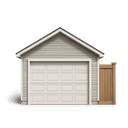
Other Structures
Protection for other structures-related losses and claims

Medical Payments
Protection for medical payments-related losses and claims
Homeowners Insurance Cost in Billings
In Montana, homeowners insurance premiums are 2% below the national average. This means competitive rates are available.
Average Cost in Montana
$82 – $368 per month
per month
- Home replacement cost and age
- Claims history
- Location and weather risk
- Roof type and condition
- Coverage limits and deductibles
Contact CPK Insurance for a personalized quote.
National average: $100 – $250 per month
* Estimates based on industry averages. Actual premiums depend on your specific business details, claims history, and coverage selections. Rates shown are for informational purposes only and do not constitute a quote.
The cost of homeowners insurance in Montana is shaped by a mix of statewide competition and local hazard exposure. The state’s average premium is about $140 per month, which is below the national average of $165, while the reported monthly range for shoppers is roughly $82 to $368 depending on coverage choices, deductibles, and home characteristics. That means two homes in the same town can receive very different quotes if one has higher dwelling limits, older construction, or a history of claims. Montana’s premium index of 98 suggests pricing is close to the national average overall, but the actual homeowners insurance cost in Montana still shifts with wildfire exposure, winter storm risk, and neighborhood crime patterns.
Several local factors push a quote up or down. The state’s very high wildfire rating can influence underwriting, especially for homes near wooded areas or with limited defensible space. Winter storm exposure can matter for roof condition, ice-related damage risk, and replacement labor demand. Flooding is a moderate hazard in Montana, but because standard policies exclude flood damage, the cost picture may change if you add separate flood protection. Local construction costs and labor rates also matter, and Montana’s reconstruction cost index of 102 shows rebuild pricing is slightly above the baseline. In addition, proximity to fire stations and hydrants can affect pricing, and local crime rates can influence theft-related risk. With 240 active insurers in the market, the homeowners insurance quote in Montana can vary by carrier appetite as well as by the home itself, so a personalized quote is more useful than a statewide average.
Industries & Insurance Needs in Billings
Billings has a broad local economy that includes Healthcare & Social Assistance at 17.4%, Accommodation & Food Services at 11.2%, Retail Trade at 9.8%, Agriculture at 6.4%, and Construction at 4.6%. That mix matters because many households rely on stable housing near work, and some jobs depend on predictable schedules or physical presence. For example, workers in healthcare and food service may be more affected by a temporary move if a covered home loss forces them out, which makes additional living expenses coverage more relevant. Retail and construction households may also have more tools, equipment, uniforms, or household belongings to protect, which can affect personal property coverage decisions. Agriculture-linked households may live on larger properties or have detached structures that make other structures coverage more important. Because Billings has 3,227 total business establishments, many of them small, homeowners often need coverage that supports both family life and work continuity after a loss.
Homeowners Insurance Costs in Billings
Billings has a median household income of $75,920 and a cost of living index of 98, so homeowners insurance cost in Billings usually has to balance protection with a budget that is near the national norm. That makes deductible choice important: a higher deductible may lower the premium, but it also means more out-of-pocket cost after a claim. Home values in the city are not extreme by national standards, so many quotes will hinge more on the home itself, its age, roof condition, and the amount of dwelling coverage you choose than on broad market pricing. Because local risk varies by neighborhood, two homes in Billings can receive very different homeowners insurance quotes even if they are close in price. A property with more contents, a detached garage, or a higher exposure to smoke and weather interruptions may also need more robust limits, which can change the premium.
What Makes Billings Different
The single biggest reason Billings changes the insurance calculus is the combination of wildfire-adjacent risk with a city economy that still sits near an affordable cost-of-living baseline. That means homeowners are often trying to protect a home against smoke, fire, drought-related conditions, and utility interruptions without paying for more coverage than they need. In practice, the key decision is not just whether to buy homeowners insurance, but how much dwelling coverage, personal property coverage, and additional living expenses coverage to carry for a property that may face a very different risk profile depending on the neighborhood. Billings also has a 10% flood-zone share, so some homes have more water exposure than the citywide picture suggests. The result is a market where location inside the city can matter as much as the house itself, especially when you are comparing a homeowners insurance quote in Billings.
Our Recommendation for Billings
Start by matching dwelling coverage to the cost to rebuild your Billings home, not the price you paid for it. Then look at how much personal property coverage you would actually need to replace furniture, electronics, and other belongings after a covered loss. If your home sits near open land or in a spot more exposed to smoke, pay close attention to additional living expenses coverage so a temporary move does not become a financial strain. If you have a detached garage, shed, or fence, review other structures coverage as well. Because local crime pressure is above the national benchmark, ask how theft-related losses are handled and whether your contents limits are enough. Finally, compare deductibles carefully: a lower premium is only useful if the deductible still fits your emergency budget. A Billings homeowners insurance quote should be built around your block, your roof, and your household’s actual replacement needs.
Get Homeowners Insurance in Billings
Enter your ZIP code to compare homeowners insurance rates from carriers in Billings, MT.
Homeowners insurance starting at $50/mo
FAQ
Frequently Asked Questions
Wildfire risk is one of the main factors shaping homeowners insurance in Billings. It can influence dwelling coverage decisions, temporary housing needs, and how carefully you review exclusions and deductibles before you buy.
Yes. Billings has higher crime pressure than the national benchmark, so personal property coverage can matter if you want protection for belongings lost to theft or damaged in a covered event.
Billings faces wildfire risk, power shutoffs, and air quality events, any of which can disrupt normal living if a covered loss makes your home temporarily uninhabitable. Additional living expenses coverage can help with those temporary costs.
Yes. With a 10% flood-zone share and uneven exposure to smoke, wind, and surrounding land conditions, two homes in Billings can need very different coverage limits and deductibles.
Compare dwelling coverage, personal property coverage, liability coverage, additional living expenses coverage, deductibles, and whether the policy fits your home’s risk profile and neighborhood conditions.
In Montana, the core policy usually covers dwelling, personal property, liability, additional living expenses, other structures, and medical payments, but you should confirm the exact form because endorsements and exclusions vary by carrier. Wildfire and winter storm losses are especially important to review in this state.
The average premium is about $140 per month in Montana, with a reported range of roughly $82 to $368 per month depending on the home, coverage choices, deductible, claims history, and location. Homes near higher wildfire exposure or with more expensive rebuild costs can land toward the higher end.
Most mortgage lenders require proof of homeowners insurance before closing or refinancing, even though Montana does not legally require every homeowner to carry it. Lenders usually want enough dwelling coverage to protect the loaned property and may ask for evidence of that coverage before funding.
You are not legally required to carry it if the home is paid off, but many Montana owners still keep coverage because wildfire, winter storm, theft, and liability losses can be expensive to handle without insurance. The decision usually comes down to your risk tolerance and how much of a repair bill you could absorb yourself.
Dwelling coverage pays to repair or rebuild the structure, personal property coverage helps replace belongings inside the home, and liability coverage helps if someone is injured on your property. In Montana, the combination matters because a wildfire, wind loss, or burglary can trigger more than one part of the policy.
No. Standard homeowners insurance in Montana excludes flood damage, so you need a separate flood policy if that exposure matters to your location. That is worth considering even outside the highest-risk areas because Montana has a history of flash flooding and mudslides.
Common factors include dwelling size and age, roof condition, claims history, deductible choice, location, and policy endorsements. In Montana, wildfire exposure, winter storm risk, proximity to fire protection, and local crime levels can also influence the quote.
Gather your home details, then compare quotes from multiple carriers active in Montana, such as State Farm, Farmers, GEICO, Progressive, and Mountain West Farm Bureau. Ask each carrier how it handles wildfire, flood exclusions, earthquake endorsements, and additional living expenses coverage before you bind the policy.
Homeowners insurance covers four main areas: dwelling coverage for your home's structure, personal property coverage for your belongings, liability coverage if someone is injured on your property, and additional living expenses if you need to live elsewhere while your home is repaired. It protects against perils like fire, windstorms, hail, theft, and vandalism.
You should carry enough dwelling coverage to rebuild your home at current construction costs, not just the purchase price or market value. Personal property coverage typically starts at 50-70% of your dwelling coverage. Liability coverage of at least $300,000 is recommended, with an umbrella policy for additional protection. CPK Insurance can help you calculate the right coverage levels.
No. Standard homeowners insurance does not cover flood damage. You need a separate flood insurance policy, which can be obtained through the National Flood Insurance Program (NFIP) or private flood insurers. Even if you are not in a high-risk flood zone, flood coverage is worth considering since over 20% of flood claims occur in low-to-moderate risk areas.
Most homeowners insurance policies can be quoted and bound within 24-48 hours for standard risks. An independent agent like CPK Insurance can compare options from multiple carriers and have your policy in place quickly. Certificates of insurance are typically available the same day the policy is bound.
Yes. Bundling homeowners with auto insurance typically saves 15-25% through multi-policy discounts. Many carriers also offer discounts for adding umbrella liability coverage. An independent agent can help you find the best bundle pricing across multiple carriers.
Key factors include your home's replacement cost, age and condition, roof type and age, proximity to fire stations and hydrants, local weather risks (hurricanes, hail, wildfires), your claims history, credit-based insurance score, deductible choices, and coverage limits. Homes in high-risk areas or with older roofs pay significantly more.
Homeowners insurance typically covers sudden water damage like burst pipes or appliance leaks, but does not cover gradual leaks, sewer backups (without an endorsement), or flood damage. Flood insurance must be purchased separately through the NFIP or a private insurer. Ask your agent about water backup endorsements for additional protection.
Contact your insurance carrier's claims department immediately — most have 24/7 claims hotlines. Document the incident thoroughly with photos, written descriptions, and witness information. Notify your insurance agent as well. Prompt reporting is important, as delays can complicate or jeopardize your claim.
Updated March 31, 2026
CPK Insurance Editorial Team
Reviewed by Licensed Insurance Agents