






































Updated March 31, 2026

CPK Insurance Editorial Team
Reviewed by Licensed Insurance Agents
Business Owners Policy Insurance in New Hampshire
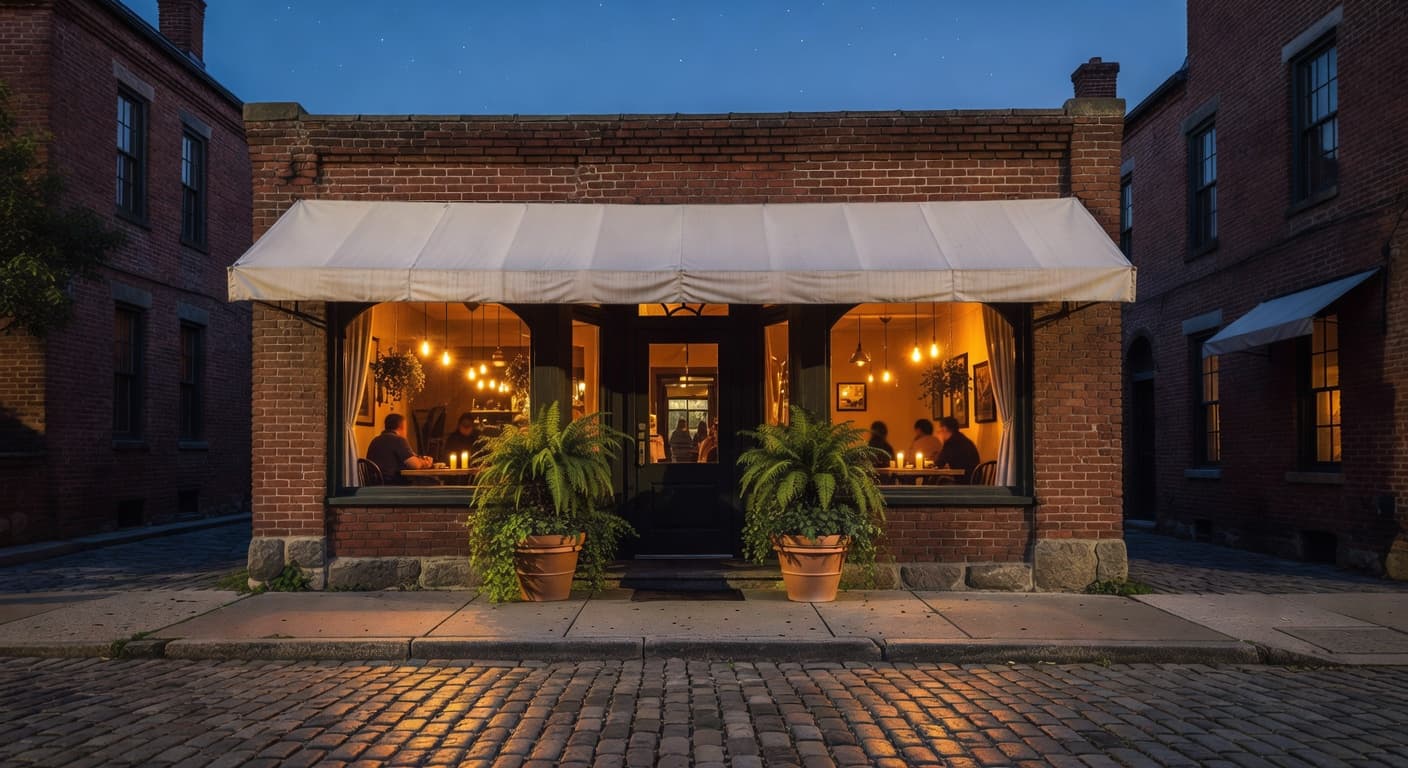
business owners policy insurance in New Hampshire is often a practical starting point for small firms that want commercial property and general liability in one package, especially in a state where 99.1% of businesses are small and 42,200 establishments compete for attention. New Hampshire’s market is active, with 280 insurers and a premium index of 102, so pricing and eligibility can vary by carrier, industry, and location. A BOP can be a strong fit for a storefront in Concord, a manufacturer near Manchester, a restaurant in Portsmouth, or a service office serving the Lakes Region, but the right fit depends on your building, equipment, inventory, and revenue. Winter storm exposure is high, flooding is moderate, and the state has seen major recent disasters, so property protection and business income coverage deserve close review. If you are comparing a New Hampshire BOP quote, the main question is not just cost; it is whether the package matches your premises, your closures risk, and your day-to-day operations.
What Business Owners Policy Insurance Covers
In New Hampshire, a BOP usually combines commercial property and general liability coverage with business income protection, creating a small business insurance bundle that is easier to manage than separate policies. That matters in a state where the New Hampshire Insurance Department oversees the market and where coverage requirements may vary by industry and business size. The property side can help protect your building contents, equipment, and inventory, which is especially relevant for retailers, manufacturers, and food-service businesses operating in communities like Concord, Nashua, Manchester, Portsmouth, and Dover. The liability side addresses third-party claims tied to your premises or operations, while business income coverage can help replace lost revenue and ongoing expenses if a covered event interrupts operations. Because winter storm and nor’easter exposure is real here, many owners focus on how quickly a policy responds after roof damage, frozen pipes, or storm-related closure. A BOP may also be customized with equipment breakdown coverage in New Hampshire, and some carriers offer hired and non-owned auto coverage in New Hampshire as an endorsement. It is important to remember that a BOP does not automatically include every protection a business may need, and terms can differ by carrier, endorsement, and class of business. Coverage requirements are not one-size-fits-all in this state, so the policy should be matched to the premises, the equipment you rely on, and the inventory you keep on hand.

Commercial Property
Protection for commercial property-related losses and claims

General Liability
Protection for general liability-related losses and claims
Business Income
Protection for business income-related losses and claims

Equipment Breakdown
Protection for equipment breakdown-related losses and claims
Hired & Non-Owned Auto
Protection for hired & non-owned auto-related losses and claims
Business Owners Policy Insurance Requirements in New Hampshire
- The New Hampshire Insurance Department regulates the market, so carrier forms and underwriting rules should be reviewed carefully before binding.
- Workers compensation is required for businesses with at least one employee, but sole proprietors, partners, and LLC members are exempt.
- Coverage requirements may vary by industry and business size, so a retail shop, manufacturer, and office may not qualify for the same BOP structure.
- Endorsements such as equipment breakdown coverage and hired and non-owned auto coverage may be available, but they are not automatic in every policy.
How Much Does Business Owners Policy Insurance Cost in New Hampshire?
Average Cost in New Hampshire
$43 – $213 per month
per month
- Coverage limits and deductibles
- Claims history
- Location
- Industry or risk profile
- Policy endorsements
Contact CPK Insurance for a personalized quote.
National average: $42 – $292 per month
* Estimates based on industry averages. Actual premiums depend on your specific business details, claims history, and coverage selections. Rates shown are for informational purposes only and do not constitute a quote.
business owners policy cost in New Hampshire is shaped by the state’s near-average premium environment, where the average premium range is listed at $43 to $213 per month and the broader state average is $43 to $213 per month as well. New Hampshire’s premium index of 102 suggests pricing is close to the national norm, but your final quote can move up or down based on coverage limits, deductibles, claims history, location, industry, and endorsements. A business in coastal Portsmouth with higher storm exposure may see different pricing pressure than a similar office in Concord or a warehouse in a lower-risk inland area. Property value also matters, so businesses with more equipment, inventory, or tenant improvements can pay more than a simple office with minimal contents. The state’s 280 active insurers create competition, which can help owners compare options, but it also means each carrier may underwrite the same risk differently. Industry profile is important too: healthcare, retail trade, manufacturing, accommodation and food services, and professional services make up a large share of the state economy, and each tends to bring different property and interruption exposures. A business owners policy quote in New Hampshire can also change if you add endorsements such as equipment breakdown coverage or broader business income coverage. For budgeting, it helps to compare monthly and annual figures side by side, since the product data shows a typical annual range of about $500 to $2,000 for many small businesses. Contact CPK Insurance for a personalized quote if you want pricing tied to your exact premises, revenue, and coverage choices.
| BOP Component | What's Included | Typical Limits |
|---|---|---|
| General Liability | Third-party injury, property damage, advertising injury | $1M/$2M |
| Commercial Property | Building, equipment, inventory, fixtures | Replacement cost |
| Business Interruption | Lost income + ongoing expenses during shutdown | 12 months coverage |
| Cyber (Endorsement) | Data breach response and liability | $50K–$100K |
| EPLI (Endorsement) | Employment discrimination, harassment claims | $50K–$250K |
| Equipment Breakdown | Mechanical/electrical equipment failure | Varies by equipment value |
General Liability
- What's Included
- Third-party injury, property damage, advertising injury
- Typical Limits
- $1M/$2M
Commercial Property
- What's Included
- Building, equipment, inventory, fixtures
- Typical Limits
- Replacement cost
Business Interruption
- What's Included
- Lost income + ongoing expenses during shutdown
- Typical Limits
- 12 months coverage
Cyber (Endorsement)
- What's Included
- Data breach response and liability
- Typical Limits
- $50K–$100K
EPLI (Endorsement)
- What's Included
- Employment discrimination, harassment claims
- Typical Limits
- $50K–$250K
Equipment Breakdown
- What's Included
- Mechanical/electrical equipment failure
- Typical Limits
- Varies by equipment value
Get Your Personalized Quote
Enter your ZIP code to compare business owners policy insurance rates from top carriers.
Business insurance starting at $25/mo
Who Needs Business Owners Policy Insurance?
small business insurance bundle in New Hampshire is especially relevant for owners who want property protection and liability coverage in one policy while keeping administration simple. Retail shops, restaurants, offices, light manufacturers, and healthcare-adjacent businesses are common candidates because they often rely on a building, inventory, or equipment that could be disrupted by a covered loss. New Hampshire’s economy is heavily small-business driven, with 99.1% of establishments falling into that category, so many owners need a policy that fits a modest footprint rather than a large commercial program. A storefront in Manchester’s retail corridors may care most about inventory and customer slip-and-fall exposure, while a manufacturer in Nashua or Dover may focus on equipment and business income coverage if a covered event interrupts production. Accommodation and food service businesses can also be strong candidates because closures can quickly affect cash flow, and the state’s winter storm profile makes temporary shutdowns a real planning issue. If you lease space in Concord, Portsmouth, or Keene, your landlord may also expect proof of commercial property and general liability coverage in New Hampshire, even when the exact limits vary by lease. Businesses that keep equipment on site, hold seasonal inventory, or depend on steady foot traffic often benefit from a BOP more than from a single coverage policy. A business owners policy requirements in New Hampshire review should also include workers compensation, because the state requires it for businesses with at least one employee, even though sole proprietors, partners, and LLC members are exempt. That means many owners need a BOP plus separate workers comp, not a BOP by itself, to build a complete insurance setup.
Business Owners Policy Insurance by City in New Hampshire
Business Owners Policy Insurance rates and coverage options can vary across New Hampshire. Select your city below for localized information:
How to Buy Business Owners Policy Insurance
To buy BOP insurance in New Hampshire, start by gathering business details that carriers use to underwrite the account: your address, building type, square footage, occupancy, years in business, revenue, payroll, equipment values, and inventory levels. Because the New Hampshire Insurance Department regulates the market, you should expect carriers to ask for accurate property and operations information rather than relying on a one-size-fits-all online estimate. New Hampshire businesses should compare quotes from multiple carriers, and that matters in a state with 280 active insurers and several familiar names such as State Farm, GEICO, Concord Group, Progressive, and Liberty Mutual. A business owners policy quote in New Hampshire is usually easier to compare when you line up the same limits, deductibles, and endorsements across each offer. If your business uses a vehicle occasionally for work, ask whether hired and non-owned auto coverage in New Hampshire is available as an endorsement, since that is not automatically included in every BOP. If you need equipment breakdown coverage in New Hampshire, confirm whether it is bundled or priced separately. You should also check whether your property is in a winter-storm-prone area, because roof, water, and closure exposures can affect the way a carrier underwrites the account. For businesses in Concord, Portsmouth, Manchester, Nashua, or Dover, local property values and occupancy patterns can influence the quote process. After you compare terms, review the declarations page, exclusions, and deductible structure before binding coverage. If you want a quote that reflects your exact premises and operations, request one with your current revenue, property values, and any lease requirements included.
How to Save on Business Owners Policy Insurance
business owners policy cost in New Hampshire can often be managed by aligning the policy with the real size of the business instead of overbuying limits that do not match the exposure. One of the most direct ways to control price is to compare multiple carriers, since the state has 280 active insurers and competition can create meaningful differences in underwriting appetite. Another practical step is to keep your coverage structure consistent across quotes so you can compare commercial property and general liability in New Hampshire on the same terms. Higher deductibles can reduce premium, but only if your cash flow can handle a property or interruption claim after a winter storm or water loss. Owners with modest equipment or inventory should avoid paying for limits that are far above replacement needs, while businesses with more assets should not trim coverage so far that a covered loss becomes hard to absorb. If your business is eligible for a BOP, keeping operations within the carrier’s size and revenue guidelines can help preserve access to this bundled format. You can also review endorsements carefully, because adding every optional feature can raise cost faster than the core policy itself. For example, equipment breakdown coverage in New Hampshire may be worth discussing for businesses that rely on refrigeration, production machinery, or other critical systems, but the value depends on your operations. Businesses in lower-risk inland areas may price differently than coastal or flood-exposed locations, so location remains a major cost driver. Finally, asking for a New Hampshire BOP quote with accurate building details, claims history, and revenue figures helps reduce rework and may prevent pricing surprises later.
Our Recommendation for New Hampshire
For most small firms in New Hampshire, the best first step is to quote a BOP with the same limits and deductibles across multiple carriers, then add only the endorsements that match your actual exposure. Focus on whether the policy covers your building contents, equipment, inventory, and income interruption after a covered event, especially if your business is in a winter-storm-prone or flood-sensitive area. If you lease space in Concord, Manchester, Portsmouth, Nashua, or Dover, verify that the policy matches lease requirements and your lender’s or landlord’s expectations. If you employ staff, remember that workers compensation is separate in New Hampshire, so a BOP alone is not a complete insurance plan. The strongest quote is usually the one that balances price with enough property and interruption protection to keep the business operating after a loss.
FAQ
Frequently Asked Questions
In New Hampshire, a BOP usually bundles commercial property, general liability, and business income coverage, which is useful if your business has equipment, inventory, or a leased space in places like Concord, Manchester, or Portsmouth.
The state-specific monthly range in the data is about $43 to $213, and your quote can move based on location, claims history, limits, deductibles, industry, and endorsements.
There is no single statewide BOP rule in the data, but coverage requirements may vary by industry and business size, and you should also remember that workers compensation is required if you have at least one employee.
If your business owns property, equipment, or inventory in New Hampshire, a BOP can add property and business income protection that general liability alone does not provide.
If a covered event forces a temporary closure, business income coverage can help replace lost revenue and ongoing expenses while your property is repaired or replaced, which matters in a state with high winter storm exposure.
Yes, many carriers offer equipment breakdown coverage as an endorsement, which can be important if your business depends on refrigeration, machinery, or other critical systems.
Gather your address, square footage, revenue, equipment values, inventory details, and claims history, then compare quotes from multiple carriers such as State Farm, GEICO, Concord Group, Progressive, or Liberty Mutual.
Choose limits that reflect your building contents, equipment, inventory, and income exposure, and set deductibles at a level you can afford if a winter storm or other covered event interrupts operations.
A BOP bundles general liability insurance, commercial property insurance, and business interruption coverage into a single policy at a discounted rate. Most BOPs can be customized with endorsements for cyber liability, employment practices liability, professional liability, equipment breakdown, and more.
Most small businesses pay between $500 and $2,000 annually for a BOP, which is 15-25% less than purchasing general liability and commercial property insurance separately. Costs depend on your industry, location, property value, revenue, and coverage limits.
General liability is a single coverage that protects against third-party bodily injury and property damage claims. A BOP includes general liability PLUS commercial property insurance (covering your building, equipment, and inventory) and business interruption coverage. A BOP provides much broader protection.
BOPs are designed for small to mid-size businesses. Most carriers limit eligibility to businesses with annual revenue under $5-$10 million, fewer than 100 employees, and premises under 25,000-50,000 square feet. High-risk industries like contractors may not qualify and need separate policies.
No. A BOP does not include workers compensation insurance, which covers employee work-related injuries. You need a separate workers comp policy in addition to your BOP. However, you can often bundle both through the same carrier for additional savings.
Yes. Most modern BOPs offer cyber liability as an endorsement for an additional premium. However, BOP cyber endorsements typically provide lower limits ($50,000-$100,000) than standalone cyber policies. If your business handles significant customer data, a standalone cyber policy is recommended.
Business interruption coverage pays for lost income and ongoing expenses (rent, payroll, utilities) when a covered event — fire, storm, theft — forces your business to close temporarily. It bridges the financial gap while your property is being repaired or replaced.
For most small businesses, yes. A BOP is simpler to manage (one policy, one renewal), costs less than separate policies, and typically includes broader coverage terms. However, larger businesses or those with complex risks may need standalone policies with higher limits and more customization.
Updated March 31, 2026
CPK Insurance Editorial Team
Reviewed by Licensed Insurance Agents