






































Updated March 31, 2026

CPK Insurance Editorial Team
Reviewed by Licensed Insurance Agents
Liquor Liability Insurance in New Hampshire
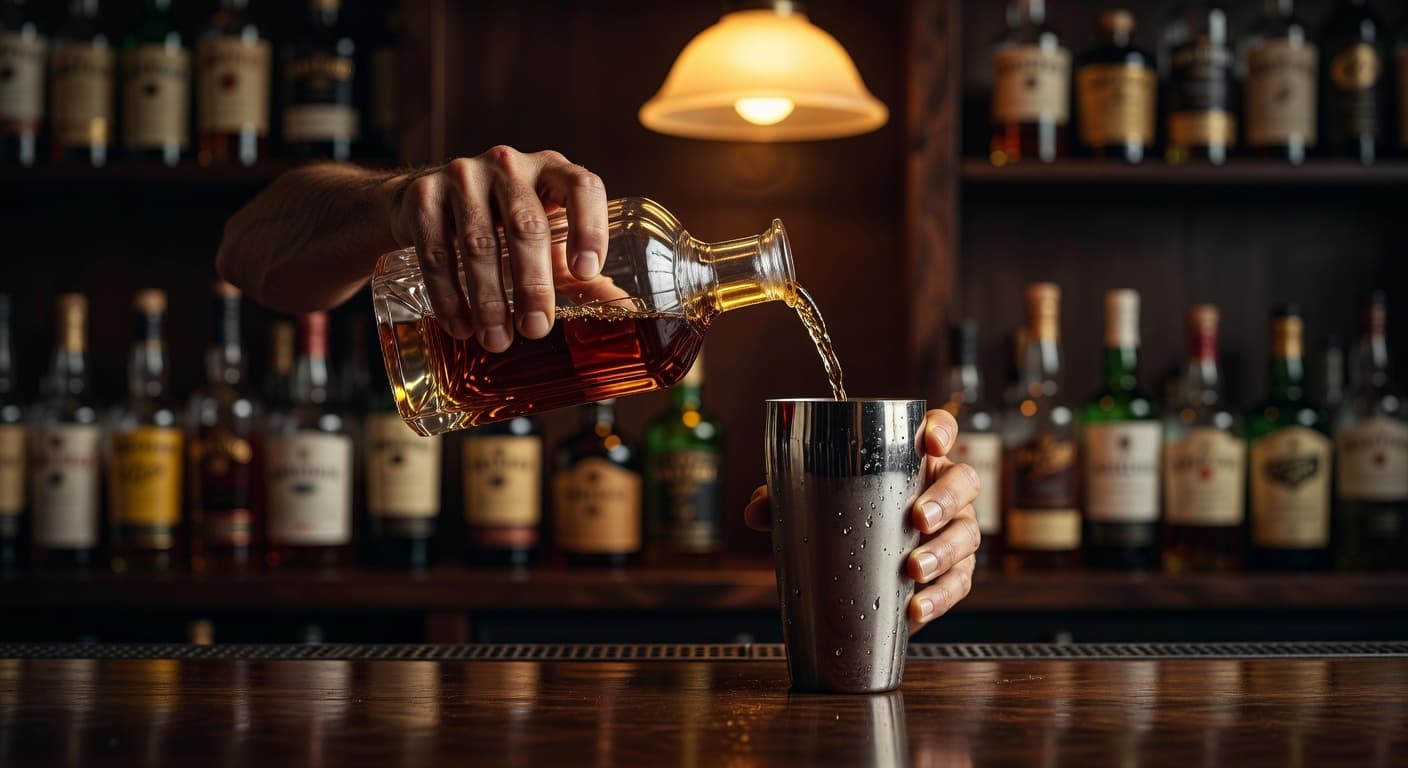
If you serve, sell, or distribute alcohol in Concord, Manchester, Portsmouth, Nashua, or anywhere else in the state, liquor liability insurance in New Hampshire is often one of the first coverages to review before you open your doors or renew a liquor license. The state’s market is active, with 280 insurers competing and 42,200 businesses operating here, so you have real options for a policy that fits a bar on Elm Street, a restaurant near the Seacoast, a brewery in the capital region, or an event venue serving guests at a private function. New Hampshire’s insurance environment is close to the national average, but alcohol-related claims still matter because intoxication, assault, overserving, and dram shop allegations can create defense costs even when the facts are disputed. If your operation depends on alcohol sales in a small-business-heavy state where 99.1% of establishments are small businesses, the right policy structure can help you match your carrier’s expectations, your venue’s risk profile, and any liquor license insurance needs tied to your operations.
What Liquor Liability Insurance Covers
Liquor liability insurance coverage in New Hampshire is designed for alcohol-related claims tied to your business’s service or sale of alcoholic beverages, including bodily injury liability, defense costs, assault & battery, and host liquor liability when applicable. For a bar, restaurant, brewery, winery, caterer, hotel, liquor store, or event venue, that means the policy is built to respond when an intoxicated patron is alleged to have caused injury after being served, which is the kind of dram shop exposure that can turn into a costly dispute. In New Hampshire, the New Hampshire Insurance Department regulates the market, but the exact liquor liability policy terms still vary by carrier, endorsements, limits, and deductible choices. Standard general liability usually does not replace this coverage for businesses that regularly sell or serve alcohol, so you should treat alcohol liability insurance in New Hampshire as a separate risk review rather than a general business policy add-on. Policy wording can also vary on assault claims, host liquor liability coverage for occasional service, and whether your operations at one location or multiple locations are listed correctly. If you are comparing bar insurance coverage in New Hampshire or restaurant liquor liability insurance, ask how the carrier treats overserving allegations, defense costs, and any liquor license insurance requirement connected to your business class.
Bodily Injury Liability
Protection for bodily injury liability-related losses and claims
Property Damage Liability
Protection for property damage liability-related losses and claims
Assault & Battery
Protection for assault & battery-related losses and claims
Defense Costs
Protection for defense costs-related losses and claims

Host Liquor Liability
Protection for host liquor liability-related losses and claims
Liquor Liability Insurance Requirements in New Hampshire
- New Hampshire businesses should verify requirements with the New Hampshire Insurance Department, especially when a liquor license is involved.
- Coverage requirements may vary by industry and business size, so a brewery, restaurant, and event venue may need different policy structures.
- Standard general liability typically does not replace liquor liability coverage for businesses regularly selling or serving alcohol.
- Ask whether the policy includes defense costs, assault & battery, and host liquor liability coverage before binding.
How Much Does Liquor Liability Insurance Cost in New Hampshire?
Average Cost in New Hampshire
$43 – $298 per month
per month
- Coverage limits and deductibles
- Claims history
- Location
- Industry or risk profile
- Policy endorsements
Contact CPK Insurance for a personalized quote.
National average: $167 – $625 per month
* Estimates based on industry averages. Actual premiums depend on your specific business details, claims history, and coverage selections. Rates shown are for informational purposes only and do not constitute a quote.
Liquor liability insurance cost in New Hampshire is shaped by your venue type, claims history, location, coverage limits, deductible, and endorsements, and the available state data shows an average range of $43 to $298 per month in New Hampshire for this product line, with a broader product average of $167 to $625 per month depending on risk profile and policy structure. Because New Hampshire’s premium index is 102, pricing is close to the national average rather than sharply above or below it, but the final quote still varies by whether you operate in a busy downtown area, serve late-night crowds, or host private events with alcohol service. A business in Concord may be rated differently than one in Portsmouth or Nashua because location is a pricing factor, and the state’s 280 active insurers create competition that can affect what a liquor liability insurance quote in New Hampshire looks like from carrier to carrier. The market also matters: 42,200 businesses operate here, and 99.1% are small businesses, so underwriters often look closely at annual revenue, staffing, service style, and policy history before setting alcohol liability insurance in New Hampshire rates. If you are comparing dram shop insurance in New Hampshire, remember that higher limits, broader endorsements, or a history of alcohol-related claims can raise cost, while tighter controls and cleaner loss history may help keep pricing more manageable. Contact CPK Insurance for a personalized quote.
Get Your Personalized Quote
Enter your ZIP code to compare liquor liability insurance rates from top carriers.
Business insurance starting at $25/mo
Who Needs Liquor Liability Insurance?
Any business that sells, serves, manufactures, or distributes alcoholic beverages should review liquor liability insurance requirements in New Hampshire before opening or renewing coverage. That includes bars in downtown Manchester, restaurants in Concord, breweries and wineries across the state, hotels hosting weddings, caterers serving at offsite functions, liquor stores, nightclubs, and event venues that pour alcohol for guests. New Hampshire’s economy makes this especially relevant because accommodation and food services account for 9.2% of employment, and those businesses commonly face alcohol-service exposure as part of daily operations. If your business only serves alcohol occasionally, host liquor liability coverage may be the relevant option, but if alcohol sales are part of regular operations, a separate liquor liability policy is usually the more appropriate structure. Businesses seeking or maintaining a liquor license should also review whether liquor license insurance in New Hampshire is expected by the landlord, venue operator, or licensing process for their specific class of operation. The state’s regulatory environment is overseen by the New Hampshire Insurance Department, and coverage requirements may vary by industry and business size, so a small café in Portsmouth, a wedding venue near the Seacoast, or a brewery in the capital region may not need the same limits or endorsements. Because 99.1% of New Hampshire businesses are small businesses, many owners need a policy that is tailored rather than oversized, especially if their alcohol sales are seasonal, event-based, or tied to a limited service model.
Liquor Liability Insurance by City in New Hampshire
Liquor Liability Insurance rates and coverage options can vary across New Hampshire. Select your city below for localized information:
How to Buy Liquor Liability Insurance
To buy liquor liability insurance in New Hampshire, start by gathering business details that carriers use for underwriting: your business type, locations, hours of operation, annual alcohol sales or revenue, staffing levels, claims history, and whether you serve alcohol daily or only for events. Then compare a liquor liability insurance quote in New Hampshire from multiple carriers, because state-specific guidance says businesses should compare quotes from multiple carriers and coverage requirements may vary by industry and business size. The New Hampshire Insurance Department regulates the market, and the state has 280 active insurance companies, so there is enough competition to compare terms on a liquor liability policy rather than focusing only on price. Ask each carrier how their liquor liability insurance coverage in New Hampshire handles defense costs, assault & battery, host liquor liability coverage, and any exclusions tied to late-night service, offsite events, or multiple locations. If you operate in Concord, Portsmouth, Manchester, Nashua, or surrounding areas, make sure the quote reflects the exact premises and service model, because location is a rating factor. For businesses that need proof quickly, many standard risks can be quoted and bound within 24 to 48 hours, and certificates of insurance are often available the same day the policy is bound. If your operation also needs restaurant liquor liability insurance or bar insurance coverage in New Hampshire, bundling with other business policies may simplify the purchase process and make the coverage stack easier to manage.
How to Save on Liquor Liability Insurance
To manage liquor liability insurance cost in New Hampshire, focus first on the parts of the policy that underwriters actually rate: coverage limits, deductible, claims history, location, industry risk, and endorsements. A cleaner loss history can matter a lot in a state where the insurer base is broad and competitive, because 280 insurers are active in New Hampshire and carriers may price the same alcohol liability insurance in New Hampshire risk differently. If your business is small and your alcohol service is limited, choose limits that fit the operation instead of assuming a larger liquor liability policy is always necessary. Bundling can also help; the product data notes that combining liquor liability coverage with general liability, commercial property, or workers compensation can typically save 10-20% through multi-policy discounts, which is useful in a state where most establishments are small businesses. Ask whether host liquor liability coverage is enough for occasional service, because buying full-service coverage when you only host events may increase cost unnecessarily. If you operate in a higher-traffic area such as downtown Manchester, Concord, or the Seacoast, discuss operational controls that carriers may view favorably, such as staff training and clear service procedures, since underwriters often use risk profile when setting price. Finally, compare a liquor liability insurance quote in New Hampshire from more than one carrier and review endorsements carefully, because the lowest premium is not always the right fit if it trims defense costs or narrows assault coverage.
Our Recommendation for New Hampshire
For New Hampshire businesses, the smartest first step is to match the policy to the way alcohol is actually served, not to a generic bar template. If you run a restaurant in Portsmouth, a brewery near Concord, or a venue in Nashua that hosts private events, make sure the quote reflects your hours, staffing, and whether alcohol is a regular revenue source or only an occasional service. Because the state is regulated by the New Hampshire Insurance Department and coverage requirements may vary by industry and business size, ask for a side-by-side comparison of limits, deductibles, assault & battery treatment, and defense costs before you bind. I also recommend checking whether your liquor license insurance needs are tied to a landlord, event contract, or licensing process, since those details can change the policy structure. In a market with 280 insurers and pricing close to the national average, you have room to compare terms carefully instead of rushing the first offer. The goal is a liquor liability policy that fits your operation in New Hampshire, not just a certificate that looks complete on paper.
FAQ
Frequently Asked Questions
In New Hampshire, this coverage is built for claims tied to alcohol service or sale, including bodily injury liability, defense costs, assault & battery, and host liquor liability when the policy is written that way.
Many businesses review liquor liability requirements in New Hampshire when applying for or renewing a liquor license, but the exact requirement can vary by industry and business size, so confirm the details for your operation.
The state-specific average range provided is about $43 to $298 per month, but your final price depends on limits, deductibles, claims history, location, endorsements, and the type of alcohol service you provide.
Underwriters look at coverage limits, deductible choices, claims history, location, industry risk, and policy endorsements, and New Hampshire’s premium index of 102 suggests pricing is close to the national average overall.
Host liquor liability coverage is generally for occasional alcohol service, while a full liquor liability policy is the better fit when selling or serving alcohol is part of your regular business operations.
Yes, liquor liability insurance is intended to help with defense costs, settlements, and judgments tied to covered alcohol-related claims, though the exact wording depends on the carrier and policy terms.
Share your business type, locations, alcohol service model, hours, staffing, and claims history, then compare quotes from multiple carriers so the policy reflects your exact New Hampshire operation.
Review limits, deductible choices, assault & battery treatment, defense costs, and whether you need host liquor liability coverage or a broader liquor liability policy based on how you serve alcohol in New Hampshire.
Any business that sells, serves, manufactures, or distributes alcoholic beverages needs liquor liability insurance. This includes bars, restaurants, nightclubs, breweries, wineries, liquor stores, caterers, event venues, and hotels. Many states require liquor liability coverage as a condition of holding a liquor license.
Standard general liability policies contain a liquor liability exclusion for businesses in the business of selling, serving, or distributing alcohol. If alcohol sales are a part of your regular operations, you need a separate liquor liability policy. Businesses that only occasionally serve alcohol (such as at a company holiday party) may have limited coverage under their general liability policy.
Dram shop laws hold alcohol-serving establishments legally responsible for injuries or damages caused by intoxicated patrons. Most states have some form of dram shop law, and penalties can include significant financial judgments. Liquor liability insurance protects your business from these claims and provides the legal defense you need.
Most liquor liability insurance policies can be quoted and bound within 24-48 hours for standard risks. An independent agent like CPK Insurance can compare options from multiple carriers and have your policy in place quickly. Certificates of insurance are typically available the same day the policy is bound.
Yes. Bundling liquor liability insurance with your other business insurance policies — such as general liability, commercial property, and workers compensation — typically saves 10-20% through multi-policy discounts. An independent agent can help you find the best bundle pricing across multiple carriers.
Key factors include your industry classification, annual revenue, number of employees, claims history, coverage limits, deductible choices, and geographic location. Coverage limits and deductibles, Claims history, Location, Industry or risk profile, Policy endorsements are all considered in pricing.
Yes. Liquor liability insurance covers claims arising from the actions of your employees who serve, sell, or furnish alcohol — including bartenders, servers, and event staff. The policy protects the business when an employee over-serves a patron who then causes injury or property damage. All employees involved in alcohol service are typically covered.
Contact your insurance carrier's claims department immediately — most have 24/7 claims hotlines. Document the incident thoroughly with photos, written descriptions, and witness information. Notify your insurance agent as well. Prompt reporting is important, as delays can complicate or jeopardize your claim.
Updated March 31, 2026
CPK Insurance Editorial Team
Reviewed by Licensed Insurance Agents