Updated March 31, 2026

CPK Insurance Editorial Team
Reviewed by Licensed Insurance Agents
Commercial Umbrella Insurance in Manchester
For businesses weighing commercial umbrella insurance in Manchester, the decision often comes down to how much extra liability a local operation could absorb if a claim outgrows its primary policies. Manchester’s profile is different from a quiet suburban market: it has 4,048 business establishments, a cost of living index of 100, and a mix of customer-facing and service-heavy companies that can create uneven lawsuit exposure. With healthcare and social assistance, retail trade, manufacturing, accommodation and food services, and professional and technical services all represented, the path to a large claim can look very different from one business to the next. A delivery route, a busy storefront, a contractor visit, or a high-traffic workplace can all push a claim past commercial liability limits faster than owners expect. That is why commercial umbrella insurance in Manchester is often evaluated as a layer above existing auto and liability policies, not as a standalone decision. If your business handles vehicles, public access, or contracts that mention higher limits, the question is less about whether excess liability matters and more about how much protection fits your actual operations.
Commercial Umbrella Insurance Risk Factors in Manchester
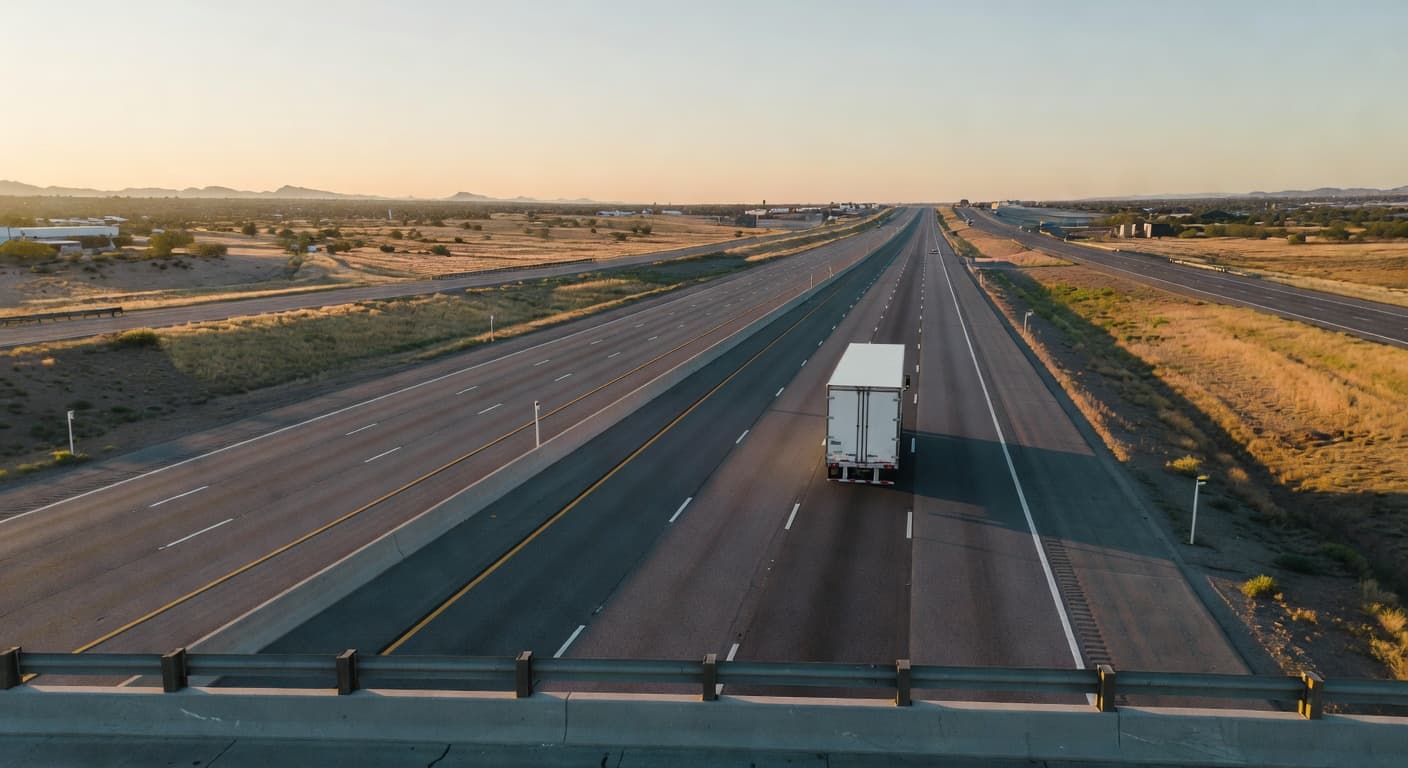
Manchester’s local risk picture makes excess liability planning more practical than theoretical. The city’s top risks include winter storm damage, ice dam damage, frozen pipe bursts, and snow load collapse, all of which can contribute to property-related incidents that turn into lawsuits or larger liability claims. The area also has 4,020 annual crashes, an uninsured driver rate of 6.1%, and an average commute of 28.6 minutes, which matters for businesses with fleets, deliveries, or employee driving. In a city where road conditions and traffic exposure can change quickly, a routine auto loss can become a catastrophic claim if injuries or property damage exceed underlying limits. Manchester’s overall crime index of 41 and property crime rate of 1,070.4 also make physical premises and customer-facing operations worth reviewing closely, especially if a claim triggers defense costs or broad liability questions. Businesses that move people, goods, or vehicles through the city should treat umbrella coverage as a way to extend commercial liability limits when the primary policy is not enough.
New Hampshire has a low climate risk rating. Top hazards: Winter Storm (High), Nor'easter (Moderate), Flooding (Moderate), Wildfire (Low). The state's expected annual loss from natural hazards is $120M, which influences commercial umbrella insurance premiums and may affect coverage availability in high-risk areas.
What Commercial Umbrella Insurance Covers
Commercial umbrella insurance in New Hampshire adds excess liability protection above your underlying commercial auto, general liability, and employers liability policies. In practical terms, that means the umbrella liability policy can respond after those underlying policies reach their commercial liability limits, which is especially relevant for a business facing a lawsuit tied to a vehicle accident on I-93, a slip-and-fall in a retail space, or a workplace injury claim that exceeds the primary policy. The coverage can also provide broader coverage for certain claims, but the exact scope depends on the policy language and the endorsements selected, so the details vary by carrier and account. In New Hampshire, the policy is not a substitute for the underlying limits you must maintain on auto or workers compensation-related placements; it works on top of those policies. That matters because the state requires workers compensation for businesses with at least one employee, with exemptions for sole proprietors, partners, and LLC members, and commercial auto minimums are set at $25,000/$50,000/$25,000. A New Hampshire umbrella policy may also include defense costs coverage, but whether defense expenses erode limits depends on the form you buy. Worldwide liability coverage can appear in some forms, yet it is policy-specific and should be reviewed carefully against your actual operations, travel, and contract terms. Aggregate limits are another key point: once the umbrella aggregate is used up, additional claims may not be covered, so limit selection matters for businesses with repeated exposure rather than one-off incidents.
Coverage Included

Excess Liability
Protection for excess liability-related losses and claims
Broader Coverage
Protection for broader coverage-related losses and claims

Defense Costs
Protection for defense costs-related losses and claims

Worldwide Coverage
Protection for worldwide coverage-related losses and claims
Aggregate Limits
Protection for aggregate limits-related losses and claims
Commercial Umbrella Insurance Cost in Manchester
In New Hampshire, commercial umbrella insurance premiums are 2% above the national average. Comparing quotes from multiple carriers is especially important here.
Average Cost in New Hampshire
$34 – $128 per month
per month
- Coverage limits and deductibles
- Claims history
- Location
- Industry or risk profile
- Policy endorsements
Contact CPK Insurance for a personalized quote.
National average: $33 – $125 per month
* Estimates based on industry averages. Actual premiums depend on your specific business details, claims history, and coverage selections. Rates shown are for informational purposes only and do not constitute a quote.
Commercial umbrella insurance cost in New Hampshire is shaped by the same core factors that drive pricing nationally, but the local market gives you useful context. PRODUCT_STATE_DATA shows an average premium range of $34 to $128 per month, while the state-specific range is $34 to $128 per month and the premium index is 102, which means pricing is close to the national average rather than sharply above or below it. For many businesses, that places the conversation around coverage limits, claims history, location, industry or risk profile, and policy endorsements rather than around a dramatic state surcharge. A business in Manchester with a delivery fleet, for example, may see different pricing than a small professional office in Concord because commercial auto exposure and lawsuit risk are not the same. Likewise, winter storm conditions, Nor'easter activity, and flooding can influence underwriting attention when vehicles, premises, or operations are more exposed to loss. New Hampshire also has 280 active insurers, which can create quote variation across carriers such as State Farm, GEICO, Concord Group, Progressive, and Liberty Mutual. The state’s 42,200 businesses, combined with a 99.1% small-business share, means many accounts are written for modest limits first, then scaled up as contracts, payroll, vehicles, or revenue grow. If you are comparing a commercial umbrella insurance quote in New Hampshire, expect the carrier to look closely at underlying commercial liability limits, prior claims, industry class, and whether your operations are concentrated in places like the Seacoast, the I-89 corridor, or inland communities that see heavy winter driving.
Industries & Insurance Needs in Manchester
Manchester’s industry mix supports steady demand for umbrella liability policy decisions because several of the city’s largest sectors have direct exposure to public interaction and operational claims. Healthcare and social assistance account for 14.4% of local industry, retail trade for 13.6%, accommodation and food services for 10.2%, manufacturing for 9.8%, and professional and technical services for 7.4%. That combination creates different paths to a lawsuit: customer slips in retail, vehicle-related losses for service businesses, equipment or shipping incidents in manufacturing, and contractual liability concerns in professional settings. Businesses in healthcare and social assistance may also face frequent foot traffic and staff movement across locations, which can increase the need for catastrophic claim protection. Retail and food service operations often need extra liability coverage because customer volume and deliveries increase the chance that a claim exceeds commercial liability limits. Manufacturing firms may care more about high-severity bodily injury or property damage scenarios, while professional services may focus on defense costs coverage and limits alignment. In Manchester, umbrella demand is shaped by the mix of people, vehicles, and premises exposure across these industries.
Commercial Umbrella Insurance Costs in Manchester
Manchester’s cost context is fairly balanced, which means premium differences usually come from exposure rather than local price inflation. The city’s median household income is $84,486 and its cost of living index is 100, so commercial umbrella insurance cost in Manchester tends to track the business’s risk profile, vehicles, and claim history more than a sharply elevated local economy. That matters for owners comparing a commercial umbrella insurance quote in Manchester because the same limit can price differently for a retail shop, a delivery-based business, or a professional office. Businesses with higher customer traffic or more driving exposure may need more extra liability coverage, while lower-exposure operations may focus on tighter limits and fewer endorsements. Manchester’s 4,048 establishments also create a competitive local market for carriers to evaluate, so accurate payroll, revenue, vehicle schedules, and loss runs can help keep underwriting clean. If you are comparing commercial umbrella insurance coverage in Manchester, the most useful cost question is not whether the city is expensive overall, but how much excess liability your operations actually create.
What Makes Manchester Different
The single biggest factor that changes the insurance calculus in Manchester is the combination of dense business activity and mixed operational exposure. With 4,048 establishments and a cost-of-living baseline that sits at 100, Manchester is not a high-cost outlier, but it does concentrate many businesses that interact with the public, use vehicles, or manage frequent in-person activity. That means a claim can escalate in several directions at once: a winter-related auto loss, a premises incident, or an injury tied to customer traffic can all move beyond primary limits. The city’s industry composition adds to that pressure because healthcare, retail, food service, manufacturing, and professional services each create different lawsuit patterns. For umbrella coverage, the key issue is not just whether a business has risk, but whether its risk is varied enough that one claim could exceed underlying policies. Manchester’s mix of traffic, weather-related hazards, and customer-facing commerce makes excess liability planning more important than a simple one-size-fits-all limit choice.
Our Recommendation for Manchester
Manchester businesses should start by mapping where a claim could exceed their underlying commercial liability limits, especially if they operate vehicles, serve walk-in customers, or rely on staff travel. I would pay close attention to winter storm exposure, since snow load collapse, ice dam damage, and frozen pipe bursts can create secondary liability issues after a property event. For businesses with fleets or regular driving, the 4,020 annual crashes and 6.1% uninsured driver rate make a strong case for reviewing how the umbrella sits above auto coverage. Retail, food service, and healthcare operators should also compare higher limit options because customer volume can increase the chance of a lawsuit that reaches defense costs or aggregate limits. When requesting a commercial umbrella insurance quote in Manchester, provide accurate revenue, payroll, vehicle schedules, and claims history so the carrier can price the exposure correctly. If your business has contracts that call for higher limits, confirm the umbrella amount before binding, rather than assuming the first quote will fit the requirement.
Get Commercial Umbrella Insurance in Manchester
Enter your ZIP code to compare commercial umbrella insurance rates from carriers in Manchester, NH.
Business insurance starting at $25/mo
FAQ
Frequently Asked Questions
It adds excess liability above your underlying auto policy, which is important in Manchester because crash frequency, commute time, and winter driving can turn a vehicle claim into a larger lawsuit.
Healthcare and social assistance, retail trade, accommodation and food services, manufacturing, and professional services often review umbrella limits because their claims can come from customer traffic, vehicles, equipment, or contracts.
Yes. Winter storm damage, ice dam damage, frozen pipe bursts, and snow load collapse can create incidents that lead to larger liability claims, especially for businesses with public access or vehicles.
Bring your underlying policy declarations, vehicle schedules, loss history, payroll, revenue, and any contracts that mention commercial liability limits so the quote reflects your actual exposure.
Primary policies can still be exhausted by a severe injury, vehicle loss, or premises claim. Umbrella coverage is designed to respond after those limits are used up.
It pays after your underlying commercial auto, general liability, or employers liability limits are used up, which is important in New Hampshire if a lawsuit grows beyond those base limits after a crash, injury, or premises claim.
It covers excess liability and may provide broader coverage for certain claims, but the exact form depends on the carrier, the endorsements, and the limits you choose for your New Hampshire business.
Carriers look at coverage limits, claims history, location, industry or risk profile, and policy endorsements, and New Hampshire pricing is close to average with a premium index of 102.
Meeting underlying requirements does not remove excess liability exposure, so businesses with vehicles, customers, or higher-risk operations often add umbrella coverage to protect against a larger lawsuit.
Most standard risks can be quoted and bound within 24 to 48 hours once the carrier has your underlying policy details, claims history, and business information.
Some forms do, but whether defense costs are included or treated differently depends on the policy language, so you should confirm that detail before you bind coverage.
Aggregate limits set the maximum the policy will pay across claims during the policy term, so once that limit is exhausted, later claims may not be covered by the umbrella.
Healthcare, retail, manufacturing, accommodation and food service, and businesses with vehicles or customer traffic often look at extra liability coverage because their lawsuit exposure can outgrow primary limits.
Commercial umbrella insurance covers excess liability claims that surpass the limits of your underlying policies, such as general liability, commercial auto, and employers liability. It can also provide broader coverage for certain claims not covered by your primary policies.
The amount of umbrella coverage you need depends on your business's risk exposure, asset value, and industry. Most small to mid-size businesses carry $1 million to $5 million in umbrella coverage, while larger operations or high-risk industries may need $10 million or more.
Commercial umbrella insurance is one of the most cost-effective ways to increase your liability limits. Because it only pays after your primary policies are exhausted, premiums are relatively low — often $500 to $1,500 per year for $1 million in additional coverage.
Most commercial umbrella insurance policies can be quoted and bound within 24-48 hours for standard risks. An independent agent like CPK Insurance can compare options from multiple carriers and have your policy in place quickly. Certificates of insurance are typically available the same day the policy is bound.
Yes. Bundling commercial umbrella insurance with your other business insurance policies — such as general liability, commercial property, and workers compensation — typically saves 10-20% through multi-policy discounts. An independent agent can help you find the best bundle pricing across multiple carriers.
Key factors include your industry classification, annual revenue, number of employees, claims history, coverage limits, deductible choices, and geographic location. Coverage limits and deductibles, Claims history, Location, Industry or risk profile, Policy endorsements are all considered in pricing.
A commercial umbrella policy sits on top of your underlying policies — typically general liability, commercial auto, and employers liability. It extends the limits of those policies and may cover claims excluded by the underlying policies. All policies listed on the umbrella schedule are covered. Review your umbrella's schedule of underlying insurance with your agent to confirm all policies are included.
Contact your insurance carrier's claims department immediately — most have 24/7 claims hotlines. Document the incident thoroughly with photos, written descriptions, and witness information. Notify your insurance agent as well. Prompt reporting is important, as delays can complicate or jeopardize your claim.
Updated March 31, 2026
CPK Insurance Editorial Team
Reviewed by Licensed Insurance Agents