Updated March 31, 2026

CPK Insurance Editorial Team
Reviewed by Licensed Insurance Agents
Commercial Truck Insurance in Paterson
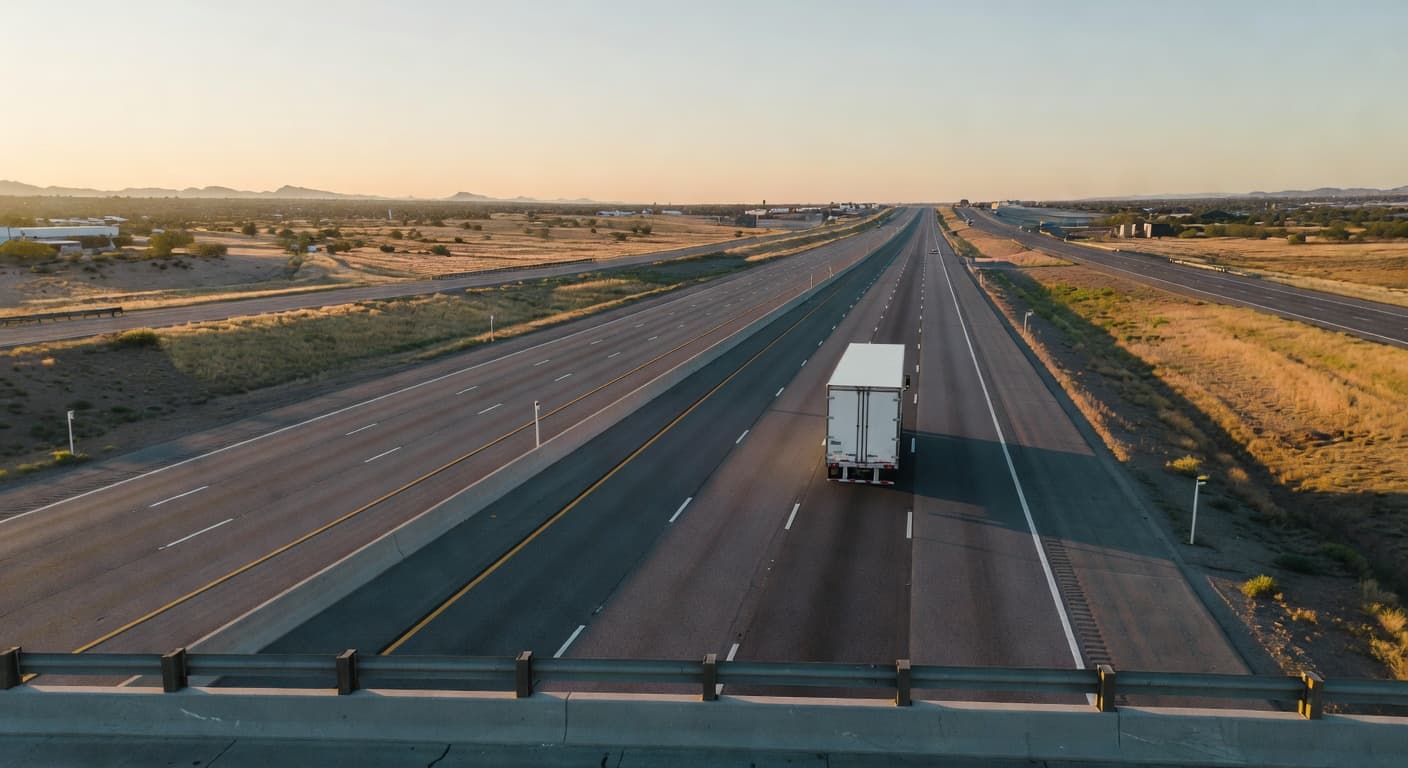
For trucking businesses based in Paterson, commercial truck insurance in Paterson has to reflect more than just New Jersey rules. Local routes often mix dense city streets, frequent stops, and short-haul movement through a high-traffic urban area where delivery timing, parking, and cargo handling all matter. That matters if you run a box truck, tractor-trailer, flatbed, or local delivery unit that spends time near loading zones, warehouses, retail corridors, or job sites. Paterson’s cost profile and business mix can also shape how you structure limits, deductibles, and endorsements, especially when your truck is the core revenue tool.
Paterson’s risk picture is shaped by flooding, hurricane damage, coastal storm surge, and wind damage, along with an overall crime index of 82. Those conditions can influence physical damage coverage for trucks, cargo insurance for trucks, and trailer-related exposures if your equipment is parked or staged in exposed areas. Add in an uninsured driver rate of 15% and a crash rate of 1,766 per 100,000, and the insurance conversation becomes very local. If your operation depends on tight schedules or repeated in-town stops, the policy should be built around how your trucks actually move through Paterson, not just around broad statewide assumptions.
Commercial Truck Insurance Risk Factors in Paterson
Paterson’s local risk profile affects trucking in a few practical ways. Flooding is a notable concern, with 20% of the city in a flood zone, so where trucks are garaged, parked, or staged can matter for physical damage coverage for trucks and cargo insurance for trucks. The city also faces hurricane damage, coastal storm surge, and wind damage, which can affect tractors, box trucks, and trailers left in exposed lots or near lower-lying areas. For fleets running frequent stops, the overall crime index of 82 can also increase concern around theft-related losses and cargo security, especially when freight is left unattended during loading or unloading. Paterson’s auto accident data adds another layer: failure to yield, drowsy driving, following too closely, and speeding are leading crash causes. That is relevant for truck liability insurance in Paterson and collision-related losses because urban traffic patterns can create more stop-and-go exposure. An uninsured driver rate of 15% also makes claim severity more unpredictable when your truck is hit by another vehicle. In this city, route design, parking location, and driver behavior can matter as much as the truck itself.
New Jersey has a moderate climate risk rating. Top hazards: Hurricane (High), Flooding (High), Nor'easter (High), Severe Storm (Moderate). The state's expected annual loss from natural hazards is $1.6B, which influences commercial truck insurance premiums and may affect coverage availability in high-risk areas.
What Commercial Truck Insurance Covers
Commercial truck insurance in New Jersey is built to fit trucking risks that show up on crowded interstates, coastal corridors, and urban delivery routes. The core coverages in this product include motor carrier liability, physical damage, cargo coverage, trailer interchange, bobtail coverage, and non-trucking liability insurance. For a New Jersey trucking business, motor carrier liability is the foundation when you are hauling freight under dispatch, while cargo coverage addresses goods in transit and trailer interchange can matter if you use trailers you do not own. Physical damage coverage for trucks is especially relevant if your tractors, box trucks, dump trucks, flatbeds, tankers, refrigerated trucks, or delivery vans are exposed to collision losses or weather-related damage.
New Jersey does not use this product as a one-size-fits-all package. The state is regulated by the New Jersey Department of Banking and Insurance, and coverage needs can vary by industry and business size. That means the policy structure, limits, and endorsements should be reviewed against your route profile and freight type. The state’s commercial auto minimums are listed at $15,000/$30,000/$5,000, but trucking operations often need higher limits because federal freight requirements and shipper expectations can exceed those amounts. For example, the product data notes a federal minimum of $750,000 in liability coverage for general freight carriers, with higher limits for hazardous materials. That is a key distinction for New Jersey operators hauling across ports, distribution centers, or long-haul lanes.
Exclusions and coverage details vary by policy form, deductible choice, and endorsements. A policy should be checked carefully if you cross state lines, interchange trailers, or operate both on-dispatch and off-dispatch. In a state with 254,600 businesses, dense freight movement, and frequent weather events, the coverage structure matters as much as the price.
Coverage Included

Motor Carrier Liability
Protection for motor carrier liability-related losses and claims
Physical Damage
Protection for physical damage-related losses and claims
Cargo Coverage
Protection for cargo coverage-related losses and claims
Trailer Interchange
Protection for trailer interchange-related losses and claims
Bobtail Coverage
Protection for bobtail coverage-related losses and claims

Non-Trucking Liability
Protection for non-trucking liability-related losses and claims
Commercial Truck Insurance Cost in Paterson
In New Jersey, commercial truck insurance premiums are 36% above the national average. Comparing quotes from multiple carriers is especially important here.
Average Cost in New Jersey
$340 – $1,360 per month
per truck/month
- Coverage limits and deductibles
- Claims history
- Location
- Industry or risk profile
- Policy endorsements
Contact CPK Insurance for a personalized quote.
National average: $250 – $1,000 per truck/month
* Estimates based on industry averages. Actual premiums depend on your specific business details, claims history, and coverage selections. Rates shown are for informational purposes only and do not constitute a quote.
Commercial truck insurance cost in New Jersey is shaped by a mix of vehicle type, route exposure, freight class, and the state’s broader insurance market. The product data shows an average range of $250 to $1,000 per truck per month, while the New Jersey state-specific premium range is $340 to $1,360 per month. That higher range fits the state’s premium index of 136, which indicates prices above the national average. New Jersey also has 580 active insurers, so carriers compete, but the final price still depends on how risky your operation looks on paper.
Several local factors can move your premium up or down. Location is a major driver, and in New Jersey that can mean different pricing for trucks based near Newark, Jersey City, Trenton, Camden, or coastal areas exposed to hurricanes, flooding, and nor’easters. The state’s climate profile lists hurricane, flooding, and nor’easter risk as high, and those conditions can influence physical damage coverage for trucks and cargo insurance for trucks. Claims history is another major factor, and New Jersey’s auto accident data shows an average claim cost of $15,718, which helps explain why underwriters pay close attention to prior losses. Coverage limits and deductibles also matter, especially if you are adding motor carrier liability coverage in New Jersey, trailer interchange, or non-trucking liability insurance.
Industry and risk profile can also change pricing. A long-haul fleet moving through multiple states may price differently than a local delivery operation or a regional hauler with predictable routes. Endorsements can add cost, but they can also close gaps that matter in real dispatch work. New Jersey’s strong small-business base — 99.6% of businesses are small — means many buyers are comparing first-time quotes, renewal quotes, and bundled options. Since businesses should compare quotes from multiple carriers, the best approach is to ask for a commercial truck insurance quote in New Jersey with the same limits, deductibles, and endorsements across carriers so the comparison is meaningful.
Industries & Insurance Needs in Paterson
Paterson’s industry mix creates steady demand for trucking coverage. Healthcare & Social Assistance leads at 13.4%, followed by Retail Trade at 8.2%, Professional & Technical Services at 7.8%, Finance & Insurance at 7.2%, and Accommodation & Food Services at 6.8%. That combination points to frequent delivery activity, replenishment runs, and time-sensitive freight movement across the city. Retail and food-service businesses often depend on regular local hauling, which can increase the importance of cargo coverage and physical damage coverage for trucks when vehicles make repeated stops. Healthcare-related demand can also support predictable freight movement, equipment transport, and scheduled deliveries that require reliable motor carrier liability coverage in Paterson. Professional and technical firms may not be trucking-heavy themselves, but they still create demand for vendors, supplies, and service calls that move through the city. For trucking operators, that means a local book of business with many stop-and-go routes, short deadlines, and frequent loading activity. Those patterns make commercial truck insurance coverage in Paterson especially relevant for owner-operators and small fleets serving local commercial accounts.
Commercial Truck Insurance Costs in Paterson
Paterson’s cost structure can influence how trucking buyers think about limits, deductibles, and vehicle protection. The median household income is $89,356, while the cost of living index is 129, which suggests a relatively expensive operating environment compared with a national baseline. For trucking businesses, that can show up in higher expectations around vehicle uptime, replacement planning, and the need to manage out-of-pocket costs carefully if a truck is damaged or cargo is delayed.
Premiums still vary by vehicle type, garaging location, claims history, and chosen coverages, but local economics can affect how much risk a business can comfortably retain. A fleet that parks in Paterson, uses urban loading zones, or runs frequent local deliveries may place more emphasis on physical damage coverage for trucks and motor carrier liability coverage in Paterson than a carrier with simpler storage and routing. If your operation is small, the premium decision may be tied closely to cash flow, since one collision or cargo claim can disrupt a tight budget. In other words, Paterson buyers often need a policy that balances protection with day-to-day operating cost, not just a quote that looks good on paper.
What Makes Paterson Different
The biggest difference in Paterson is how urban density and flood exposure combine. A trucking business here is not just dealing with general New Jersey road risk; it is also operating in a city where 20% of the area sits in a flood zone, the overall crime index is 82, and crash patterns are driven by failure to yield, drowsy driving, following too closely, and speeding. That combination changes the insurance calculus because it raises the importance of where trucks are parked, how often they stop, and what is being hauled.
For Paterson operators, the policy has to work for city streets, short hops, and frequent loading activity. That often puts more focus on physical damage coverage for trucks, cargo insurance for trucks, and truck liability insurance in Paterson than on a generic long-route assumption. If your truck sleeps in Paterson, loads in Paterson, and spends the day moving through tight urban corridors, the local risk profile should be reflected directly in the quote.
Our Recommendation for Paterson
Paterson buyers should ask for a quote that reflects where the truck is actually garaged, not just where the business is registered. If your vehicles are parked in or near flood-prone areas, ask how that affects physical damage coverage for trucks and whether deductibles change by location. If you make frequent city stops, review cargo insurance for trucks and motor carrier liability coverage in Paterson together so your policy matches loading, unloading, and local delivery exposure.
It also helps to document routes, parking patterns, and driver schedules before requesting a commercial truck insurance quote in Paterson. That can give underwriters a clearer picture of how often your trucks operate in dense traffic and whether they face repeated stop-and-go conditions. If you run a small fleet, compare the same limits and deductibles across carriers so you can evaluate commercial truck insurance cost in Paterson on an apples-to-apples basis. For owner-operators, don’t overlook trailer use and off-dispatch driving if those apply to your operation. In Paterson, the best policy is usually the one that matches your actual urban route profile and storage conditions.
Get Commercial Truck Insurance in Paterson
Enter your ZIP code to compare commercial truck insurance rates from carriers in Paterson, NJ.
Business insurance starting at $25/mo
FAQ
Frequently Asked Questions
It often needs to account for urban stop-and-go driving, frequent loading zones, and local parking exposure, along with motor carrier liability, cargo coverage, and physical damage coverage for trucks.
Because 20% of the city is in a flood zone, where you park or stage trucks can affect physical damage coverage for trucks and cargo protection if water or storm damage occurs.
City driving can increase exposure to failure to yield, following too closely, speeding, and drowsy driving-related crashes, which can influence truck liability insurance in Paterson.
Owner-operators, local delivery businesses, small fleets, and carriers serving retail, healthcare, or food-service accounts should all consider a quote if trucks are part of daily operations.
Yes. A cost of living index of 129 and a median household income of $89,356 can affect how businesses think about deductibles, repair costs, and the amount of risk they want to retain.
It can be built around motor carrier liability, physical damage, cargo coverage, trailer interchange, bobtail coverage, and non-trucking liability, depending on whether you run long haul, regional, or local routes in New Jersey.
New Jersey commercial auto minimums are listed at $15,000/$30,000/$5,000, but trucking operations often need higher limits because federal freight requirements and shipper contracts can exceed the state minimums.
The state-specific premium range provided is $340 to $1,360 per month, while the broader product average is $250 to $1,000 per truck per month, and the final price varies by limits, deductibles, claims history, location, and endorsements.
Many New Jersey trucking buyers review all three together because motor carrier liability addresses freight liability, cargo coverage protects goods in transit, and physical damage coverage for trucks helps with collision and weather-related damage.
They are useful when a truck is being driven outside of dispatch or without a trailer, and they can be important for owner-operators or leased drivers whose use changes between loaded trips and off-dispatch driving.
Location, claims history, coverage limits, deductibles, industry or risk profile, and policy endorsements are key pricing factors, and New Jersey weather exposure can also influence the quote.
Most standard risks can be quoted and bound within 24 to 48 hours, and certificates of insurance are typically available the same day the policy is bound.
Yes, and the product data says multi-policy bundling can typically save 10-20%, though the actual result depends on the carriers, coverages, and details of your operation.
Commercial truck insurance covers a wide range of vehicles including semi-trucks, tractor-trailers, box trucks, flatbeds, dump trucks, tankers, refrigerated trucks, and delivery vans. Coverage is available for owner-operators, small fleets, and large trucking companies.
Federal regulations (FMCSA) require a minimum of $750,000 in liability coverage for general freight carriers. Trucks hauling hazardous materials may need $1 million to $5 million in coverage. Many shippers and brokers require higher limits than the federal minimums.
Cargo coverage is available as part of your commercial truck insurance policy but is typically a separate coverage section. It protects the goods you are transporting against theft, damage, or loss during transit. Coverage limits and terms depend on the type of freight you haul.
Most commercial truck insurance policies can be quoted and bound within 24-48 hours for standard risks. An independent agent like CPK Insurance can compare options from multiple carriers and have your policy in place quickly. Certificates of insurance are typically available the same day the policy is bound.
Yes. Bundling commercial truck insurance with your other business insurance policies — such as general liability, commercial property, and workers compensation — typically saves 10-20% through multi-policy discounts. An independent agent can help you find the best bundle pricing across multiple carriers.
Key factors include your industry classification, annual revenue, number of employees, claims history, coverage limits, deductible choices, and geographic location. Coverage limits and deductibles, Claims history, Location, Industry or risk profile, Policy endorsements are all considered in pricing.
Your commercial truck policy covers drivers listed on the policy or included under a blanket driver endorsement. All drivers must meet the carrier's eligibility requirements (MVR check, CDL status, age minimums). Adding or removing drivers typically requires notifying your agent. Owner-operators and subcontractors usually need their own policies.
Contact your insurance carrier's claims department immediately — most have 24/7 claims hotlines. Document the incident thoroughly with photos, written descriptions, and witness information. Notify your insurance agent as well. Prompt reporting is important, as delays can complicate or jeopardize your claim.
Updated March 31, 2026
CPK Insurance Editorial Team
Reviewed by Licensed Insurance Agents