Updated March 31, 2026

CPK Insurance Editorial Team
Reviewed by Licensed Insurance Agents
General Liability Insurance in Buffalo
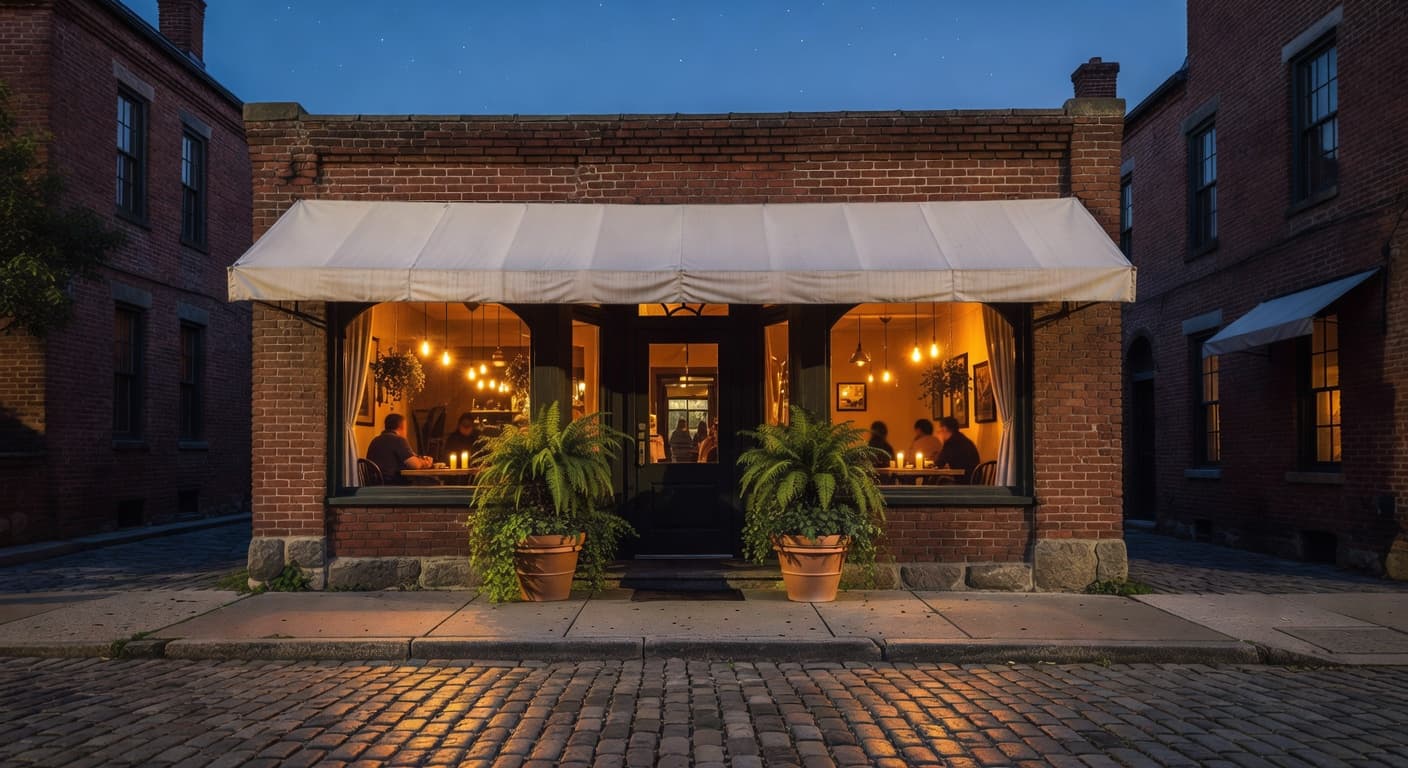
Buying general liability insurance in Buffalo means looking beyond the state baseline and focusing on how the city’s mix of older commercial buildings, active customer-facing businesses, and weather exposure changes day-to-day liability risk. In Buffalo, a storefront on a busy corridor, a restaurant near downtown, or a service business with regular client visits can face claims tied to bodily injury, property damage, or advertising injury even when operations are routine. The city’s cost structure also matters: with a median household income of $64,635 and a cost of living index of 125, many owners are trying to balance protection with tight operating budgets. That makes policy limits, deductibles, and certificate wording especially important when a landlord, tenant, or client asks for proof. Buffalo’s business community includes retail, food service, professional firms, and healthcare-related operations, which means demand for business liability insurance in Buffalo is often driven by public access, lease terms, and third-party claims rather than by one single industry. If your business has foot traffic, uses shared entryways, or works in spaces where customers can be injured, the right coverage structure matters before a claim ever happens.
General Liability Insurance Risk Factors in Buffalo
Buffalo’s local risk profile adds pressure to third-party liability coverage in ways that can affect claim frequency and severity. The city sits in a region with moderate natural disaster frequency, and the top risks listed for the area include flooding, hurricane damage, coastal storm surge, and wind damage. Those conditions can create property damage exposure if your business operates near vulnerable locations, uses outdoor customer areas, or shares walls and entrances with other tenants. With 24% of the area in a flood zone, businesses may also face more complicated loss scenarios after severe weather, especially when customers, vendors, or visitors are on site during cleanup or repairs. Buffalo’s crime index of 91 and property-crime environment can also matter for liability when damaged premises, broken glass, or unsafe conditions create slip and fall hazards for third parties. In practical terms, the city’s risk mix makes bodily injury coverage in Buffalo and property damage coverage in Buffalo especially relevant for public-facing businesses that want to limit disputes and defense costs after an incident.
New York has a high climate risk rating. Top hazards: Hurricane (High), Flooding (High), Winter Storm (High), Severe Storm (Moderate). The state's expected annual loss from natural hazards is $3.8B, which influences general liability insurance premiums and may affect coverage availability in high-risk areas.
What General Liability Insurance Covers
In New York, general liability coverage is built around third-party claims, so it responds when someone outside your business alleges bodily injury, property damage, or personal and advertising injury. That matters in a state where commercial landlords, customers, and contract partners often ask for proof before they will sign off on a lease or job. The policy can also include legal defense and settlement payments up to your limits, which is important because New York businesses operate in a high-volume market with 880 insurers and a premium index of 138, so claim handling and documentation can affect how smoothly a loss is resolved. Coverage typically includes medical payments for minor customer injuries and products and completed operations where your business is exposed after work is finished, but the exact scope depends on the policy form and any endorsements. New York does not have a state-mandated minimum for general liability for most businesses, yet many contracts effectively require it, and state guidance points businesses toward at least $1 million per occurrence. The state Department of Financial Services oversees insurance compliance, so certificates, policy terms, and carrier filings should be checked carefully before you bind coverage. What the policy does not do is cover every business loss; it is designed for third-party liability, not internal losses, and the details of what is included can vary by carrier, industry class, and location within New York.
Coverage Included

Bodily Injury Liability
Covers injuries to third parties on your premises or from your operations
Property Damage Liability
Covers damage you cause to others' property

Personal & Advertising Injury
Covers libel, slander, and copyright claims

Products & Completed Operations
Covers claims from products sold or work completed

Medical Payments
Covers minor injuries regardless of fault

Defense Costs
Legal defense costs are covered in addition to policy limits
General Liability Insurance Cost in Buffalo
In New York, general liability insurance premiums are 38% above the national average. Comparing quotes from multiple carriers is especially important here.
Average Cost in New York
$46 – $138 per month
per month
- Industry and risk classification
- Annual revenue
- Number of employees
- Claims history
- Coverage limits and deductibles
- Business location
Based on small business averages with $1M/$2M limits.
National average: $33 – $125 per month
* Estimates based on industry averages. Actual premiums depend on your specific business details, claims history, and coverage selections. Rates shown are for informational purposes only and do not constitute a quote.
For New York businesses, the average premium range for this coverage is $46 to $138 per month, which is higher than the national average because the state’s premium index is 138 and the market is influenced by dense urban exposure, higher claim frequency in some industries, and weather-related risk. Small-business averages nationally are lower, but in New York the same policy can cost more depending on whether you are in a lower-risk office setting or a retail, food service, or contractor environment with more customer contact. The biggest price drivers in the state are industry and risk classification, annual revenue, number of employees, claims history, coverage limits, deductibles, and business location. That means a business in a higher-traffic area of Manhattan, Brooklyn, Buffalo, or Long Island may see different pricing than a quieter suburban office, even with similar operations. New York’s elevated hurricane risk can also push pricing upward in some locations, and winter storms, flooding, and severe storms add to the overall risk picture carriers consider. Insurers also look at the state’s business concentration: healthcare and social assistance, professional services, retail, finance, and accommodation and food service all have different liability profiles. If you want a more accurate general liability insurance quote in New York, be ready to share your revenue, payroll-style headcount, location, contract requirements, and requested limits so the carrier can match your risk class to the right rate.
Industries & Insurance Needs in Buffalo
Buffalo’s industry mix helps explain why commercial general liability insurance in Buffalo is a common part of local risk planning. Healthcare & Social Assistance accounts for 16.6% of local industry composition, which often means frequent public contact and a steady need to manage third-party claims. Accommodation & Food Services makes up 10.6%, and those businesses typically have customer-facing spaces where slip and fall, customer injury, and premises-related issues can arise. Finance & Insurance at 9.4% and Professional & Technical Services at 8.2% may not have the same foot traffic as retail or restaurants, but they still often need business liability insurance in Buffalo to meet client contract terms and protect against claims tied to property damage at a client site or personal and advertising injury. Retail Trade at 5.8% also keeps storefront exposure relevant, especially for businesses with public entrances, merchandise displays, or shared building access. Across these sectors, general liability insurance coverage in Buffalo is often less about one dramatic event and more about routine interactions with customers, tenants, and vendors.
General Liability Insurance Costs in Buffalo
Buffalo’s cost context can influence how owners shop for general liability insurance cost in Buffalo, even when the policy form is similar to other New York cities. The median household income of $64,635 suggests many local businesses are operating in a market where affordability matters, while the cost of living index of 125 points to higher-than-average operating costs. That combination often pushes owners to compare limits, deductibles, and certificate requirements carefully rather than buying extra coverage they do not need. In a city with 9,186 business establishments, insurers may see a wide range of risk classes, from small retail shops to office-based firms and food service operations, so pricing can vary by exposure and location. Businesses in higher-traffic areas or in buildings with more customer access may see different underwriting attention than lower-traffic offices. A Buffalo business asking for a general liability insurance quote in Buffalo should be ready to explain how often customers visit, whether the space is shared, and what contracts require. Those details can matter as much as the industry name on the application.
What Makes Buffalo Different
The single biggest factor that changes the insurance calculus in Buffalo is the combination of weather exposure and public-facing business activity. A city with 24% of its area in a flood zone and listed risks such as flooding, coastal storm surge, hurricane damage, and wind damage creates more opportunities for conditions that can lead to third-party claims. If a storm damages a storefront entrance, disrupts a shared hallway, or leaves debris and standing water near customer paths, the chance of bodily injury or property damage claims rises. That matters because general liability insurance in Buffalo is designed to respond to third-party allegations, legal defense, and settlements up to policy limits. For local owners, the key question is not just whether coverage exists, but whether the policy structure fits the way Buffalo businesses actually operate: in mixed-use buildings, customer-heavy spaces, and weather-affected neighborhoods where access and safety can change quickly.
Our Recommendation for Buffalo
For Buffalo buyers, start with the exposures that are most likely to generate third-party liability: customer access, shared entrances, weather-related walkways, and any work performed at someone else’s property. If you run a storefront, restaurant, clinic, or office with visitors, make sure your policy clearly addresses bodily injury, property damage, and personal and advertising injury, since those are the core issues that can turn into claims. Ask for a general liability insurance quote in Buffalo that shows the per-occurrence limit, aggregate limit, deductible, and any endorsements tied to leases or client contracts. Because the city has a cost of living index of 125, it can be tempting to trim coverage too far; instead, align the policy with your actual traffic and contractual requirements. If your business is in a building with shared access, review certificate wording before binding. For many owners, the best next step is to compare how carriers handle legal defense, settlement payments, and proof-of-insurance requests so the policy works when a landlord or customer asks for it.
Get General Liability Insurance in Buffalo
Enter your ZIP code to compare general liability insurance rates from carriers in Buffalo, NY.
Business insurance starting at $25/mo
FAQ
Frequently Asked Questions
Businesses with customer traffic usually need it most, including retail shops, restaurants, healthcare-related offices, and professional firms that meet clients on site. In Buffalo, shared building access and public-facing spaces make third-party claims more likely to matter.
Buffalo’s flood, wind, and storm risks can create unsafe walkways, damaged entry areas, or debris around your property. Those conditions can lead to slip and fall or property damage claims from customers, tenants, or visitors.
Often yes, especially for storefronts, offices, and mixed-use spaces. The exact certificate wording and limits vary by lease, so it helps to review those requirements before you request a policy.
Pricing depends on your industry, customer traffic, location, claims history, and contract requirements. A restaurant, clinic, or retail shop in Buffalo may be priced differently than a low-traffic office because the exposure to third-party claims is different.
For a New York storefront, it typically addresses third-party bodily injury, property damage, and personal and advertising injury, plus legal defense and settlement payments up to your limits. That is why slip and fall claims and customer injury claims are central concerns in a public-facing location.
Yes, many New York landlords and property managers require a certificate before they will lease space, even though state law does not set a minimum for most businesses. The exact wording and limit requirement can vary by lease.
The average premium range provided for New York is $46 to $138 per month, with pricing influenced by industry, revenue, employee count, claims history, limits, deductibles, and business location. That range can vary by carrier and risk class.
A common benchmark in the state-specific guidance is at least $1 million per occurrence. Your contract, landlord, or client may require a different limit, so the policy should be matched to the actual requirement.
Yes, when a covered third-party claim is made, the policy can help pay legal defense and settlement costs up to the policy limits. That matters in New York because defense costs can be a major part of a liability claim.
Yes, it can be purchased as a standalone policy. If you also need property protection, you can compare that option with a broader commercial package based on your New York business needs.
Have your business address, industry, revenue, employee count, claims history, and any lease or contract requirements ready. That lets carriers in New York classify the risk and issue a quote and certificate more efficiently.
General liability insurance covers third-party bodily injury, property damage, personal and advertising injury, and medical payments. If a customer slips in your store, if your work damages a client's property, or if you're accused of libel or copyright infringement in your advertising, general liability responds.
Most small businesses pay between $400 and $1,500 per year for general liability insurance. Costs depend on your industry, revenue, number of employees, location, coverage limits, and claims history. Low-risk office businesses pay less; contractors and manufacturers pay more.
While not mandated by state law for most businesses, general liability is effectively required in practice. Commercial landlords, clients, government contracts, and professional associations typically require proof of general liability coverage before you can lease space, sign contracts, or maintain membership.
General liability covers physical incidents — someone slips at your location or your work damages property. Professional liability (errors and omissions) covers mistakes in your professional services or advice that cause a client financial harm. Most businesses that provide services need both policies.
The first number ($1 million) is your per-occurrence limit — the maximum the insurer pays for a single claim. The second number ($2 million) is your aggregate limit — the maximum total payout during the policy period, typically one year. Most small businesses carry $1M/$2M limits.
No. General liability covers injuries to third parties — customers, vendors, and the general public. Employee work-related injuries are covered by workers compensation insurance. These are separate policies that work together to protect your business.
Yes. General liability can be purchased as a standalone policy. However, if you also need commercial property insurance, a Business Owners Policy (BOP) bundles both together at a discount of 15-25% compared to buying them separately. Your agent can recommend the best approach.
Many general liability policies can be bound the same day you apply. For straightforward businesses with no unusual risks, you can often have a policy in place and certificate of insurance in hand within 24-48 hours through an independent agent like CPK Insurance.
Updated March 31, 2026
CPK Insurance Editorial Team
Reviewed by Licensed Insurance Agents