Updated March 31, 2026

CPK Insurance Editorial Team
Reviewed by Licensed Insurance Agents
Commercial Umbrella Insurance in Rochester
For businesses comparing commercial umbrella insurance in Rochester, the local decision is less about abstract liability and more about how day-to-day operations intersect with weather, traffic, and customer exposure. Rochester’s cost of living index of 137 means operating costs can stack up quickly, so a lawsuit that outgrows your underlying policies can strain cash flow fast. With 5,283 business establishments and a mix that includes retail trade, finance and insurance, healthcare and social assistance, and accommodation and food services, many owners face regular third-party contact that can turn a routine incident into excess liability. Rochester also sits in an area with moderate natural disaster frequency, and its top risks—flooding, hurricane damage, coastal storm surge, and wind damage—can complicate claims when property and liability issues overlap. Add 4,978 annual crashes, 20 fatal crashes, and weather-related driving hazards, and the case for an umbrella liability policy becomes more practical than theoretical. If your commercial liability limits are solid but not built for a large lawsuit, Rochester is the kind of market where extra liability coverage deserves a close look.
Commercial Umbrella Insurance Risk Factors in Rochester
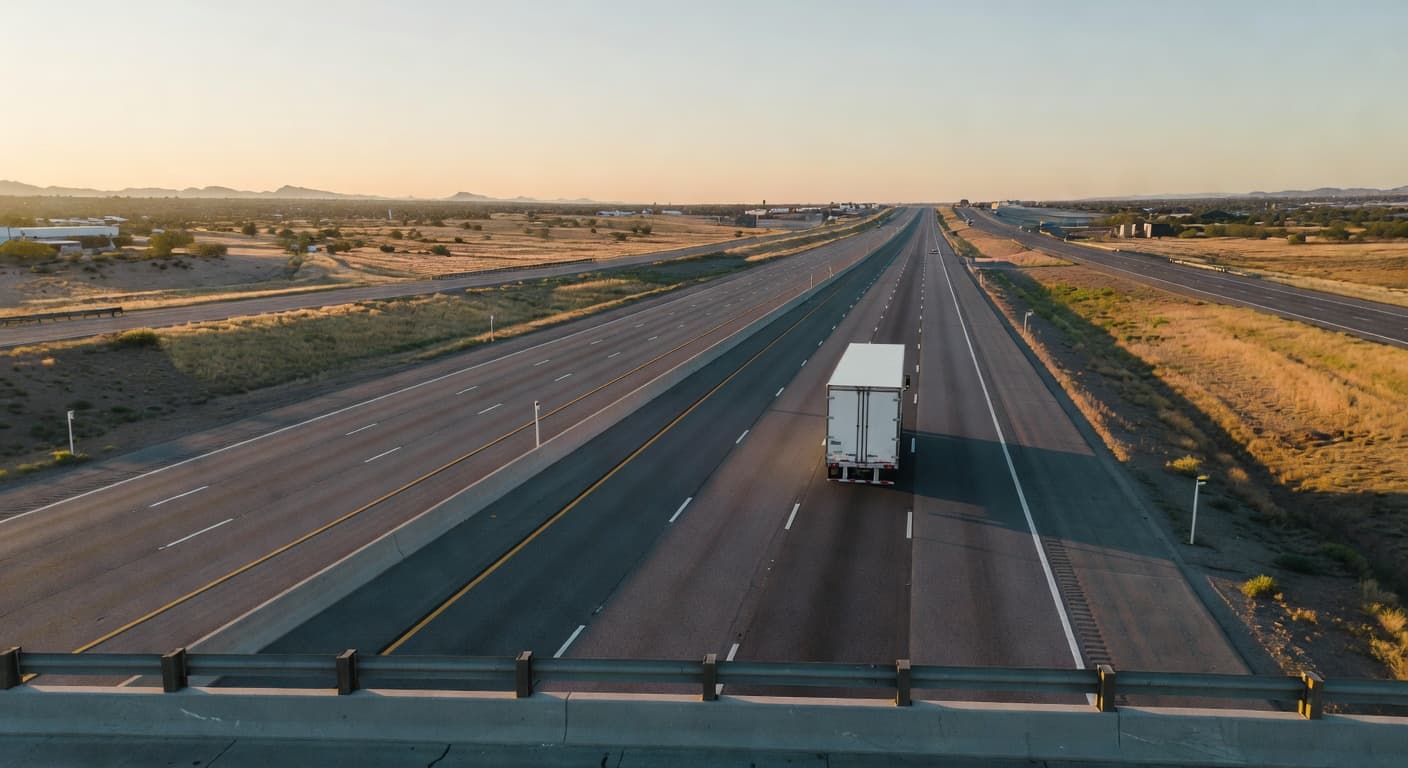
Rochester’s local risk profile adds pressure to excess liability planning because the city’s top hazards are not limited to one category. Flooding, hurricane damage, coastal storm surge, and wind damage can create claim scenarios where business interruption, tenant issues, and third-party injury questions collide. The city’s 26% flood zone percentage is especially relevant for businesses near vulnerable areas, since severe weather can increase the chance of a catastrophic claim. Road exposure matters too: 4,978 annual crashes, 20 fatal crashes, and a crash rate of 1,748 per 100,000 residents suggest that fleets, delivery routes, and employee driving can raise the odds of a lawsuit that exceeds primary limits. Weather conditions account for 19.3% of local crash causes, which makes commercial auto exposure an important part of umbrella planning. For owners with customer traffic, parking lots, or multiple vehicles, an umbrella policy can help bridge the gap when underlying commercial liability limits are not enough.
New York has a high climate risk rating. Top hazards: Hurricane (High), Flooding (High), Winter Storm (High), Severe Storm (Moderate). The state's expected annual loss from natural hazards is $3.8B, which influences commercial umbrella insurance premiums and may affect coverage availability in high-risk areas.
What Commercial Umbrella Insurance Covers
In New York, commercial umbrella insurance is designed to sit above your underlying commercial auto, general liability, and employers liability policies, so it can respond after those primary limits are exhausted. That excess liability structure is especially relevant here because New York businesses face a high volume of insured activity, active litigation risk, and weather-related loss potential in counties that have seen flood and hurricane declarations. The policy can also provide broader coverage for certain claims that are not fully handled by the primary policy, but the exact scope depends on your carrier, endorsements, and your underlying policies. It is not a substitute for the required base policies; for example, New York workers compensation is required for most businesses with one or more employees, and commercial auto minimums still apply when vehicles are used for business. An umbrella policy may also include defense costs coverage, although the treatment of legal costs depends on policy wording. Aggregate limits matter too: if your business has multiple claims in a policy period, the umbrella’s total limit can be a critical backstop. Because New York is regulated by the New York State Department of Financial Services, the policy form, underwriting rules, and endorsements can vary by insurer, so businesses should review how the umbrella interacts with their underlying coverage and any state-specific business operations before binding.
Coverage Included

Excess Liability
Protection for excess liability-related losses and claims
Broader Coverage
Protection for broader coverage-related losses and claims

Defense Costs
Protection for defense costs-related losses and claims

Worldwide Coverage
Protection for worldwide coverage-related losses and claims
Aggregate Limits
Protection for aggregate limits-related losses and claims
Commercial Umbrella Insurance Cost in Rochester
In New York, commercial umbrella insurance premiums are 38% above the national average. Comparing quotes from multiple carriers is especially important here.
Average Cost in New York
$46 – $173 per month
per month
- Coverage limits and deductibles
- Claims history
- Location
- Industry or risk profile
- Policy endorsements
Contact CPK Insurance for a personalized quote.
National average: $33 – $125 per month
* Estimates based on industry averages. Actual premiums depend on your specific business details, claims history, and coverage selections. Rates shown are for informational purposes only and do not constitute a quote.
Commercial umbrella insurance cost in New York is shaped by the state’s higher-than-national pricing environment, its premium index of 138, and the way insurers price around location, industry, and claims history. The state-specific average premium range is $46 to $173 per month, which is above the national benchmark reflected in the product data. New York’s elevated hurricane risk, flooding exposure, and winter storm history can push pricing upward for businesses in exposed areas, especially if the operation has vehicles, customer traffic, or prior losses. The product data also shows that coverage limits and deductibles, claims history, location, industry or risk profile, and policy endorsements all affect pricing. That means a firm in Manhattan, Albany, or a coastal county may see different pricing than a similar business inland, even when both carry the same umbrella liability policy limit. The market is competitive, with 880 active insurance companies in New York and carriers such as State Farm, GEICO, Allstate, and Progressive active in the state, so quotes can vary materially. For budgeting, the product data notes an average range of $33 to $125 per month nationally and says $1 million in additional coverage is often priced around $500 to $1,500 per year, but New York pricing varies. Businesses should request a commercial umbrella insurance quote in New York that reflects their actual underlying commercial liability limits, fleet exposure, and any endorsements needed for their operations.
Industries & Insurance Needs in Rochester
Rochester’s industry mix creates a strong need for commercial umbrella insurance coverage in Rochester because several major sectors involve regular third-party contact. Healthcare and social assistance make up 14.6% of local industry, retail trade 10.8%, finance and insurance 10.4%, professional and technical services 9.2%, and accommodation and food services 6.6%. Those sectors often involve visitors, clients, deliveries, or service interactions that can lead to a lawsuit if an incident escalates beyond primary coverage. Retail and food service businesses may have slip-and-fall or customer injury exposure, while healthcare-adjacent and professional firms may face higher-stakes liability concerns tied to frequent public contact and contractual obligations. Finance and insurance offices may not have the same physical exposure as retail, but they still need to think about premises liability and umbrella attachment points. Because Rochester has 5,283 establishments across a varied local economy, many businesses need an umbrella liability policy not for one dramatic reason, but because multiple modest exposures can combine into a catastrophic claim over time.
Commercial Umbrella Insurance Costs in Rochester
Rochester’s business climate can influence commercial umbrella insurance cost in Rochester through both operating pressure and exposure mix. The city’s median household income is $73,654, while the cost of living index is 137, so many owners are balancing higher everyday expenses against the need for stronger liability protection. That matters because a higher-cost environment can make a large claim feel even more disruptive to working capital. Local premiums are also shaped by the city’s risk profile: flood exposure, weather-related crash frequency, and the potential for larger losses in customer-facing businesses can all affect underwriting. Rochester’s 5,283 establishments mean carriers have enough activity to compare risk appetites, but pricing still varies by industry, limits, and claims history. If your operation has vehicles, frequent visitors, or locations in higher-risk parts of the city, a commercial umbrella insurance quote in Rochester may reflect that added exposure. The practical takeaway is that the policy price depends less on the city alone and more on how Rochester’s operating costs and loss potential intersect with your underlying limits.
What Makes Rochester Different
The single biggest difference in Rochester is the combination of concentrated business activity and weather-linked loss potential. Rochester is not just a place with ordinary commercial risk; it has a 26% flood zone footprint, moderate natural disaster frequency, and top risks that include flooding, hurricane damage, coastal storm surge, and wind damage. That matters because a liability event is more likely to become expensive when weather, access issues, and property impacts are part of the same incident. The city also has a meaningful volume of driving exposure, with 4,978 annual crashes and weather conditions contributing to local accidents. For a business, that means the question is not only whether you need extra liability coverage, but whether your underlying commercial liability limits can survive a lawsuit that starts with a vehicle incident, a customer injury, or a weather-related disruption. Rochester’s mix of retail, healthcare, and service businesses makes that answer more urgent than it may be in a lower-exposure market.
Our Recommendation for Rochester
Rochester buyers should start by mapping where their exposure actually comes from: customer traffic, delivery routes, employee driving, or weather-sensitive locations. If your business operates near flood-prone areas or depends on vehicles, review how your underlying commercial auto, general liability, and employers liability policies attach before you request a quote. I’d also compare limits at more than one level, because a higher-cost city with a $73,654 median household income and a 137 cost of living index can make a claim more painful even if the premium difference seems modest. For businesses in retail trade, healthcare and social assistance, or accommodation and food services, ask specifically how defense costs coverage and aggregate limits work if a lawsuit involves multiple claimants or repeated incidents. If your operation crosses neighborhoods or includes seasonal traffic, confirm whether the umbrella follows the same attachment points across all locations. A commercial umbrella insurance quote in Rochester should be reviewed alongside your current limits, not in isolation.
Get Commercial Umbrella Insurance in Rochester
Enter your ZIP code to compare commercial umbrella insurance rates from carriers in Rochester, NY.
Business insurance starting at $25/mo
FAQ
Frequently Asked Questions
It can sit above your underlying auto and liability policies if a crash, including one tied to weather conditions, leads to damages that exceed the base limits.
Because the city’s 26% flood zone footprint and weather risks can increase the chance that one event turns into a larger liability dispute or catastrophic claim.
Retail trade, healthcare and social assistance, accommodation and food services, and client-facing professional services often review extra liability coverage closely.
Confirm your underlying limits, vehicle exposure, customer traffic, and whether defense costs coverage and aggregate limits align with your current policies.
It can influence how businesses budget for coverage and how disruptive a large claim feels, but the actual premium still depends on your industry, limits, and claims history.
It pays after your underlying policy limits are used up, which is important in New York because a serious lawsuit or auto loss can exceed standard commercial liability limits quickly.
It can extend beyond excess liability for certain claims and may include defense costs coverage, but the exact scope depends on the policy form and endorsements approved by the carrier.
Location, claims history, industry risk, coverage limits, deductibles, and endorsements all matter, and New York’s premium environment is above the national average.
You generally need adequate underlying coverage in place first, and New York businesses should also account for required base policies such as workers compensation and commercial auto minimums where applicable.
Businesses with vehicles, customer traffic, multiple locations, or higher-risk operations in places like New York City, Long Island, Buffalo, Albany, or Rochester often review umbrella limits more closely.
Some policies may offer worldwide liability coverage, but it varies by carrier and endorsement, so you should confirm whether your specific New York policy includes it.
The aggregate limit is the most the umbrella will pay during the policy period, so multiple claims in one year can reduce how much protection remains for later losses.
Compare the attachment points, aggregate limits, defense costs treatment, and endorsements across multiple carriers, then check that the umbrella matches your underlying policies.
Commercial umbrella insurance covers excess liability claims that surpass the limits of your underlying policies, such as general liability, commercial auto, and employers liability. It can also provide broader coverage for certain claims not covered by your primary policies.
The amount of umbrella coverage you need depends on your business's risk exposure, asset value, and industry. Most small to mid-size businesses carry $1 million to $5 million in umbrella coverage, while larger operations or high-risk industries may need $10 million or more.
Commercial umbrella insurance is one of the most cost-effective ways to increase your liability limits. Because it only pays after your primary policies are exhausted, premiums are relatively low — often $500 to $1,500 per year for $1 million in additional coverage.
Most commercial umbrella insurance policies can be quoted and bound within 24-48 hours for standard risks. An independent agent like CPK Insurance can compare options from multiple carriers and have your policy in place quickly. Certificates of insurance are typically available the same day the policy is bound.
Yes. Bundling commercial umbrella insurance with your other business insurance policies — such as general liability, commercial property, and workers compensation — typically saves 10-20% through multi-policy discounts. An independent agent can help you find the best bundle pricing across multiple carriers.
Key factors include your industry classification, annual revenue, number of employees, claims history, coverage limits, deductible choices, and geographic location. Coverage limits and deductibles, Claims history, Location, Industry or risk profile, Policy endorsements are all considered in pricing.
A commercial umbrella policy sits on top of your underlying policies — typically general liability, commercial auto, and employers liability. It extends the limits of those policies and may cover claims excluded by the underlying policies. All policies listed on the umbrella schedule are covered. Review your umbrella's schedule of underlying insurance with your agent to confirm all policies are included.
Contact your insurance carrier's claims department immediately — most have 24/7 claims hotlines. Document the incident thoroughly with photos, written descriptions, and witness information. Notify your insurance agent as well. Prompt reporting is important, as delays can complicate or jeopardize your claim.
Updated March 31, 2026
CPK Insurance Editorial Team
Reviewed by Licensed Insurance Agents