Updated March 31, 2026

CPK Insurance Editorial Team
Reviewed by Licensed Insurance Agents
Inland Marine Insurance in Raleigh
If you need inland marine insurance in Raleigh, the real question is not whether your property is valuable—it is how often it leaves a fixed location. In Raleigh, that matters because job sites, service routes, and temporary storage can stretch across a fast-growing metro with a 23.6-minute average commute and frequent traffic exposure. Portable tools, materials, and equipment may spend more time in trucks, trailers, or at customer locations than in a warehouse. That makes scheduling the right items and matching them to where they actually move especially important.
Raleigh’s mix of business activity also changes the buying decision. A policy for a contractor working near downtown infill projects may look different from one for a business storing equipment near suburban corridors or moving goods to multiple locations across the city. Local theft and property-loss concerns also matter, since Raleigh’s property crime rate and overall crime index are above national averages in the data provided. If your operation depends on mobile property, the policy should be built around real routes, real storage habits, and real replacement values—not a generic estimate.
Inland Marine Insurance Risk Factors in Raleigh
Raleigh’s inland marine exposure is shaped by a few city-specific factors that affect mobile property. The city’s overall crime index of 120 and property crime rate of 2,514.4 suggest that tools, equipment, and other mobile business property need careful handling when left in vehicles, trailers, or temporary storage. That is especially relevant for tools and equipment insurance in Raleigh, where repeated stops at job sites can create more chances for loss. Weather also matters: Raleigh’s risk profile includes flooding, hurricane damage, storm surge, and wind damage, which can affect goods in transit coverage in Raleigh and the way carriers view outdoor storage or job-site placement. With 20% of the area in a flood zone, businesses that stage materials or equipment near low-lying sites may need to pay closer attention to how coverage applies while property is away from the main premises. For businesses using installation floater coverage in Raleigh or builders risk coverage in Raleigh, the location of the project and the timing of the work can materially change the exposure.
North Carolina has a high climate risk rating. Top hazards: Hurricane (Very High), Flooding (High), Severe Storm (High), Tornado (Moderate). The state's expected annual loss from natural hazards is $2.8B, which influences inland marine insurance premiums and may affect coverage availability in high-risk areas.
What Inland Marine Insurance Covers
In North Carolina, inland marine insurance is built for business property that is not staying at one fixed address, so it is commonly used for tools, equipment, materials, and goods moving between job sites, customer locations, and temporary storage. The core coverage options in this product include tools and equipment, goods in transit, contractors equipment, installation floater, and builders risk, which gives North Carolina businesses several ways to tailor protection to mobile property exposures. The state does not create a special inland marine mandate in the data provided, but coverage requirements may vary by industry and business size, and policies are regulated by the North Carolina Department of Insurance. That means your final policy can differ based on endorsements, limits, deductibles, and how your carrier classifies the property. In a state with hurricane exposure on the coast, flooding concerns in low-lying areas, and severe-storm losses across 11 declared counties in 2024, businesses often review whether temporary storage, transit between locations, and job-site placement are all included. Since commercial property coverage generally protects items at a fixed location, inland marine insurance is the fill-in for mobile property that leaves the main premises in places like job trailers, service vans, construction sites, and offsite storage yards.
Coverage Included
Tools & Equipment
Protection for tools & equipment-related losses and claims

Goods in Transit
Protection for goods in transit-related losses and claims
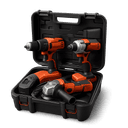
Contractors Equipment
Protection for contractors equipment-related losses and claims
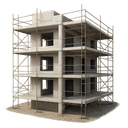
Installation Floater
Protection for installation floater-related losses and claims
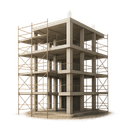
Builders Risk
Protection for builders risk-related losses and claims
Inland Marine Insurance Cost in Raleigh
In North Carolina, inland marine insurance premiums are 4% below the national average. This means competitive rates are available.
Average Cost in North Carolina
$24 – $144 per month
per month
- Coverage limits and deductibles
- Claims history
- Location
- Industry or risk profile
- Policy endorsements
Contact CPK Insurance for a personalized quote.
National average: $33 – $167 per month
* Estimates based on industry averages. Actual premiums depend on your specific business details, claims history, and coverage selections. Rates shown are for informational purposes only and do not constitute a quote.
The average premium range for inland marine insurance in North Carolina is $24 to $144 per month, while the product data shows a broader average range of $33 to $167 per month depending on the account. North Carolina sits close to the national average on pricing with a premium index of 96, so the market is not out of line nationally, but local exposure still matters. Hurricane risk is a major pricing factor here, especially for businesses operating near the coast, in flood-prone areas, or in counties that have seen repeated disaster declarations. Premiums also move with coverage limits, deductibles, claims history, location, industry or risk profile, and policy endorsements, so a contractor storing gear in Wilmington may be rated differently from a service business in Raleigh or Greensboro. The state’s 460 active insurers create competition, which can help produce more quote options, but a business with higher-value portable property, frequent transit, or job-site exposure may still see a wider range of prices. North Carolina’s large small-business base of 262,800 establishments also means many policies are built around modest but important equipment schedules, where the cost depends heavily on how much property is actually moving. For the most accurate inland marine insurance quote in North Carolina, carriers usually want a clear inventory, estimated values, storage practices, and the counties where the property is used.
Industries & Insurance Needs in Raleigh
Raleigh’s industry mix helps explain why inland marine insurance coverage in Raleigh is relevant beyond construction. Retail trade makes up 12.8% of local employment, which can create demand for goods in transit coverage in Raleigh when products move between suppliers, storage points, and customer sites. Healthcare and social assistance at 11.6% also support mobile property needs for service operations, specialized equipment, and on-the-go materials. Manufacturing at 11.2% can involve tools, machinery, and production-related property that may need protection while moving between facilities or temporary locations. Accommodation and food services at 7.4% and professional and technical services at 5.1% add more variety to the local risk picture. Those sectors may not look like traditional contractor accounts, but they still use mobile business property insurance in Raleigh for equipment, supplies, and business-critical items that travel. That mix means local demand is not limited to one type of buyer. Raleigh businesses often need coverage that follows property across offices, sites, storage yards, and customer locations, especially when operations depend on frequent movement rather than a single fixed premises.
Inland Marine Insurance Costs in Raleigh
Raleigh’s cost profile can influence inland marine insurance cost in Raleigh because the city sits in a market where businesses balance moderate living costs with active commercial demand. The median household income of $54,273 and cost of living index of 83 suggest many owners are operating with tight but manageable budgets, so deductibles, scheduled values, and endorsements matter when structuring a policy. Higher-value equipment or broader mobile business property insurance in Raleigh may require more careful limit selection if the business is protecting multiple trailers, tools, or materials at once.
Local pricing can also reflect how the property is used day to day. A business with frequent deliveries, repeated stops, or temporary storage across Raleigh may present a different risk profile than one with limited movement. That is why an inland marine insurance quote in Raleigh often depends on the exact inventory list, replacement values, and storage practices. In a city with active commercial activity and above-average property crime, carriers may pay close attention to where items are parked, how often they are moved, and whether they are left unattended between jobs.
What Makes Raleigh Different
The biggest Raleigh-specific factor is the combination of a dense, mobile business environment and elevated property-loss exposure. Raleigh is not just a place where property moves; it is a place where that property often moves through traffic, sits in temporary storage, and spends time at multiple locations in the same week. The city’s 23.6-minute average commute, 120 overall crime index, 2,514.4 property crime rate, and 20% flood-zone share all raise the importance of carefully matching inland marine insurance to actual use patterns. That changes the calculus for businesses that rely on tools, materials, or goods in transit because the policy has to address both movement and where property is staged between jobs. In practice, Raleigh buyers often need to think less about a single building and more about a route, a truck, a trailer, and a job site.
Our Recommendation for Raleigh
For Raleigh businesses, start by mapping where your property goes during a normal week: job sites, customer locations, temporary storage, and any stops in between. That is the fastest way to decide whether tools and equipment insurance in Raleigh is enough or whether you also need broader goods in transit coverage in Raleigh, contractors equipment insurance in Raleigh, or installation floater coverage in Raleigh. If your work touches flood-prone areas or outdoor staging locations, ask how the policy treats property left at the site overnight.
When comparing options, use current replacement values rather than rough estimates, and make sure your schedule matches the equipment you actually move. Raleigh’s crime and traffic patterns make security and transport details important, so carriers may want to know how items are stored in vehicles or trailers. If you are requesting an inland marine insurance quote in Raleigh, be ready with serial numbers, photos, and a simple list of the locations your property visits most often. That keeps the conversation focused on the real exposure instead of a generic policy fit.
Get Inland Marine Insurance in Raleigh
Enter your ZIP code to compare inland marine insurance rates from carriers in Raleigh, NC.
Business insurance starting at $25/mo
FAQ
Frequently Asked Questions
Include the tools, equipment, materials, or goods that leave your fixed location, plus where they are used in Raleigh, where they are stored between jobs, and how often they move.
Raleigh’s above-average property crime data makes it important to know whether tools stay in vehicles, trailers, or temporary storage, because the way property is secured can affect the risk profile.
Yes. If property is staged or moved through low-lying or weather-exposed areas in Raleigh, carriers may look closely at where items are stored and how they are transported.
Businesses that move machinery, tools, or job-site equipment across Raleigh for repeated projects are common candidates, especially when property is not kept at one fixed address.
Have a current inventory, replacement values, serial numbers if available, and a short summary of where your mobile property is used and stored in Raleigh.
It can cover mobile business property such as tools, equipment, materials, and goods that move between job sites, customer locations, or temporary storage in North Carolina, subject to the policy terms and scheduled values.
It is designed to follow covered property away from a fixed business location, so offsite storage and job-site use can be included if the policy is written for those exposures and the carrier approves the location details.
Contractors, electricians, plumbers, landscapers, and other businesses that regularly move portable tools across North Carolina job sites are common candidates, especially when equipment is stored in trailers, trucks, or temporary yards.
Coverage limits, deductibles, claims history, location, industry risk, and policy endorsements all affect pricing, and hurricane exposure in North Carolina can also influence how carriers rate the account.
The provided state data says coverage requirements may vary by industry and business size, and policies are regulated by the North Carolina Department of Insurance, so requirements are not one-size-fits-all.
Prepare a list of portable property, replacement values, storage locations, and where the property is used, then compare quotes from multiple carriers because North Carolina businesses are specifically advised to shop the market.
If your exposure is mostly tools and equipment used on scattered job sites, a contractors equipment schedule may fit; if you also move materials, customer goods, or installation items, a broader inland marine form may be more appropriate.
Use current replacement values for the property that actually moves, then choose a deductible that fits your cash flow and the higher storm-related exposure that can exist in North Carolina.
Inland marine insurance covers business property in transit, at job sites, or at temporary locations. This includes tools, equipment, building materials, electronics, artwork, and goods being shipped. Coverage applies to theft, damage, vandalism, and other covered perils while the property is away from your primary business location.
Commercial property insurance covers items at your fixed business location. Inland marine insurance covers property that is mobile, in transit, or stored offsite. If your business regularly moves valuable equipment or goods between locations, you need inland marine coverage to fill the gap left by your commercial property policy.
Businesses that regularly transport valuable property or work at various locations benefit most from inland marine insurance. This includes contractors, electricians, plumbers, landscapers, photographers, caterers, IT service providers, and any business that uses expensive portable equipment. It is also important for businesses that ship goods or hold customer property.
Most inland marine insurance policies can be quoted and bound within 24-48 hours for standard risks. An independent agent like CPK Insurance can compare options from multiple carriers and have your policy in place quickly. Certificates of insurance are typically available the same day the policy is bound.
Yes. Bundling inland marine insurance with your other business insurance policies — such as general liability, commercial property, and workers compensation — typically saves 10-20% through multi-policy discounts. An independent agent can help you find the best bundle pricing across multiple carriers.
Key factors include your industry classification, annual revenue, number of employees, claims history, coverage limits, deductible choices, and geographic location. Coverage limits and deductibles, Claims history, Location, Industry or risk profile, Policy endorsements are all considered in pricing.
Inland marine typically covers your owned or leased equipment, tools, and materials while in transit or at job sites. Equipment in the care of subcontractors may or may not be covered depending on your policy terms. Rented or borrowed equipment usually requires a separate equipment floater or a rental agreement endorsement. Review your policy's 'property of others' provisions with your agent.
Contact your insurance carrier's claims department immediately — most have 24/7 claims hotlines. Document the incident thoroughly with photos, written descriptions, and witness information. Notify your insurance agent as well. Prompt reporting is important, as delays can complicate or jeopardize your claim.
Updated March 31, 2026
CPK Insurance Editorial Team
Reviewed by Licensed Insurance Agents